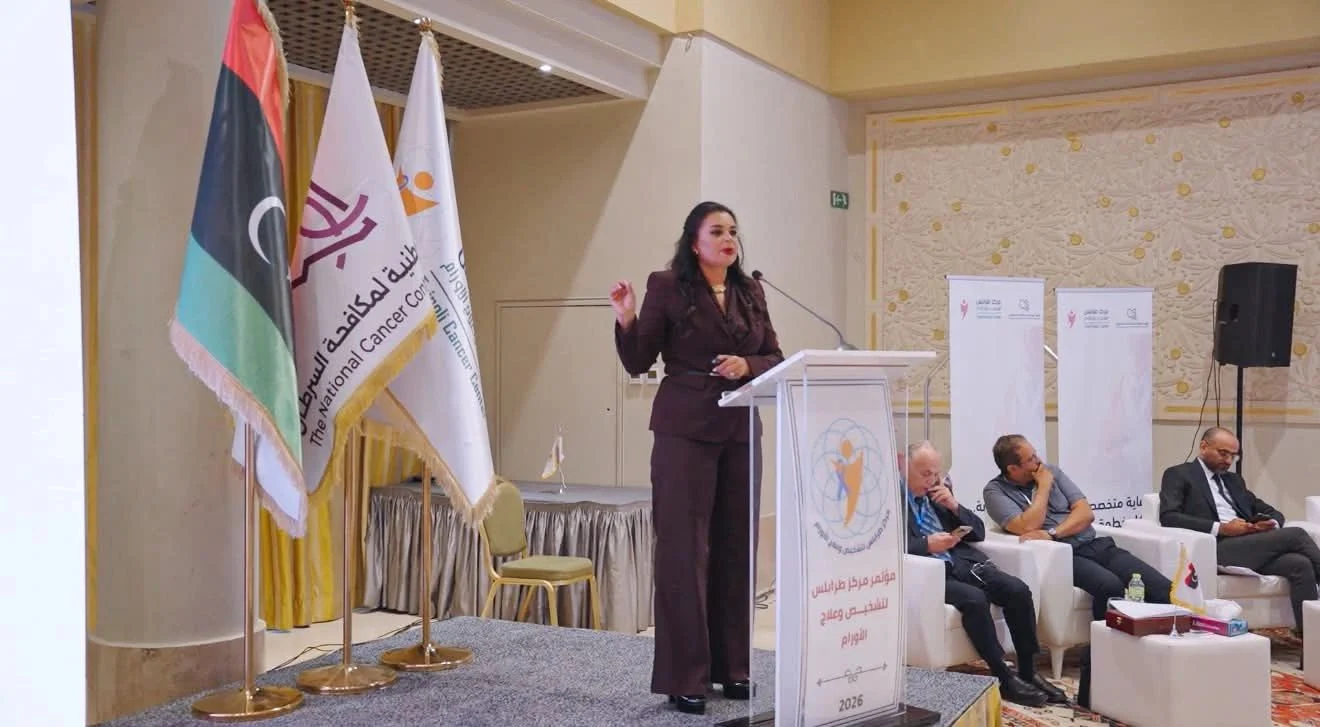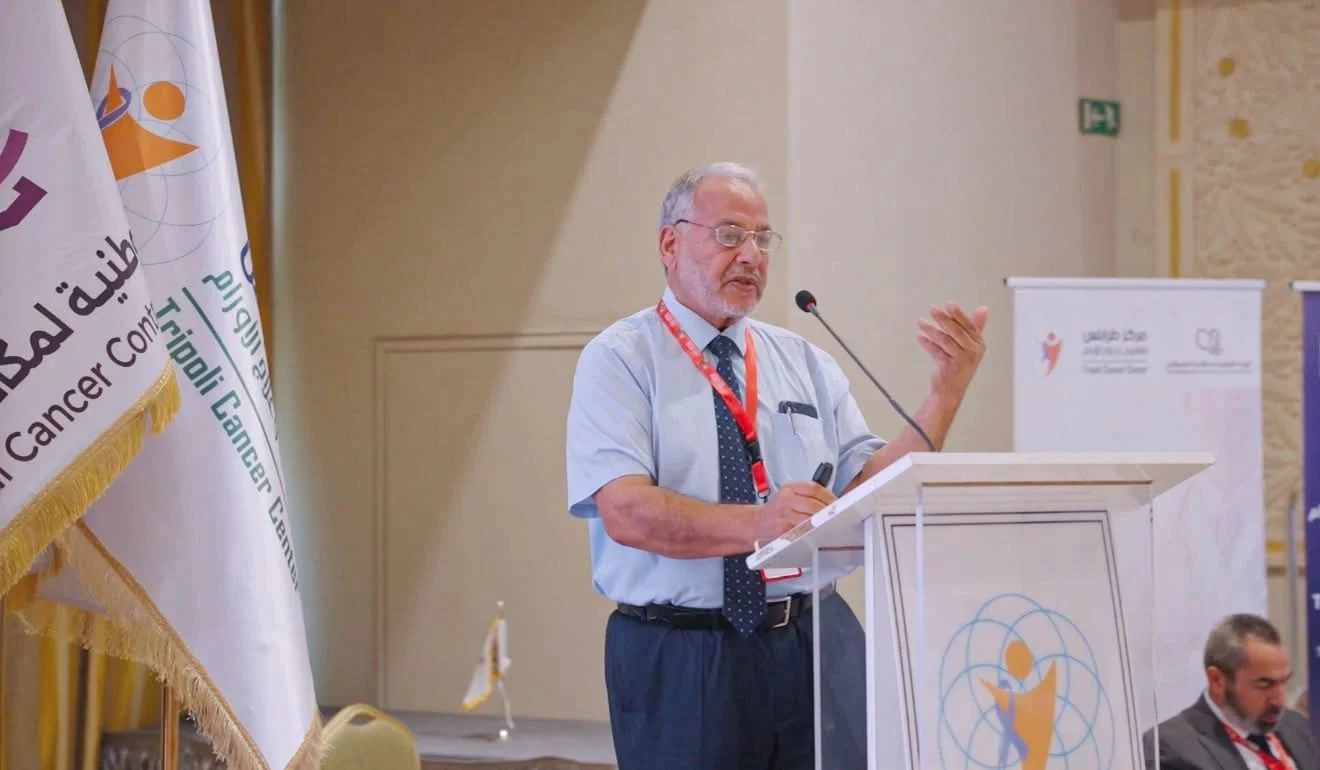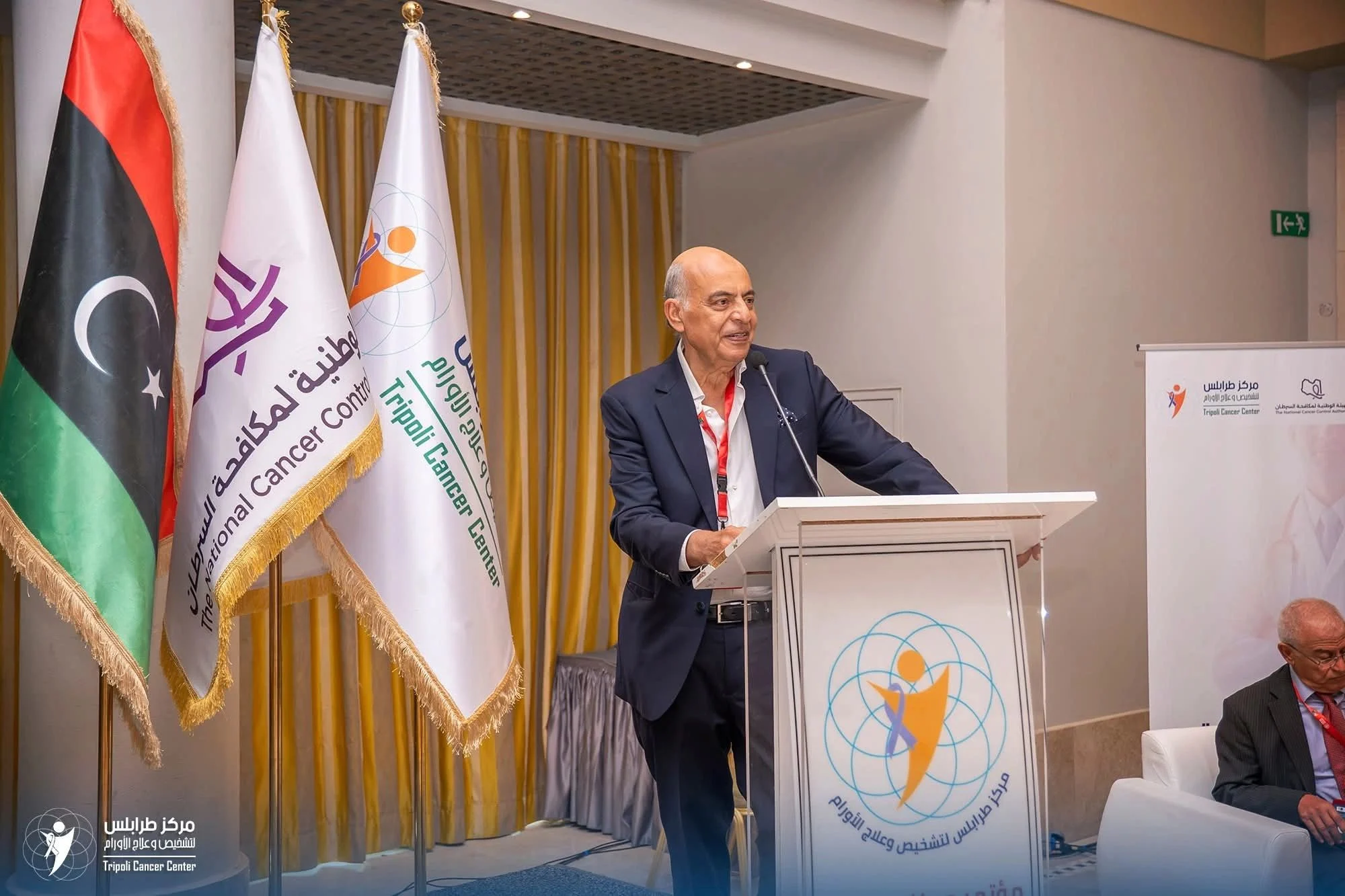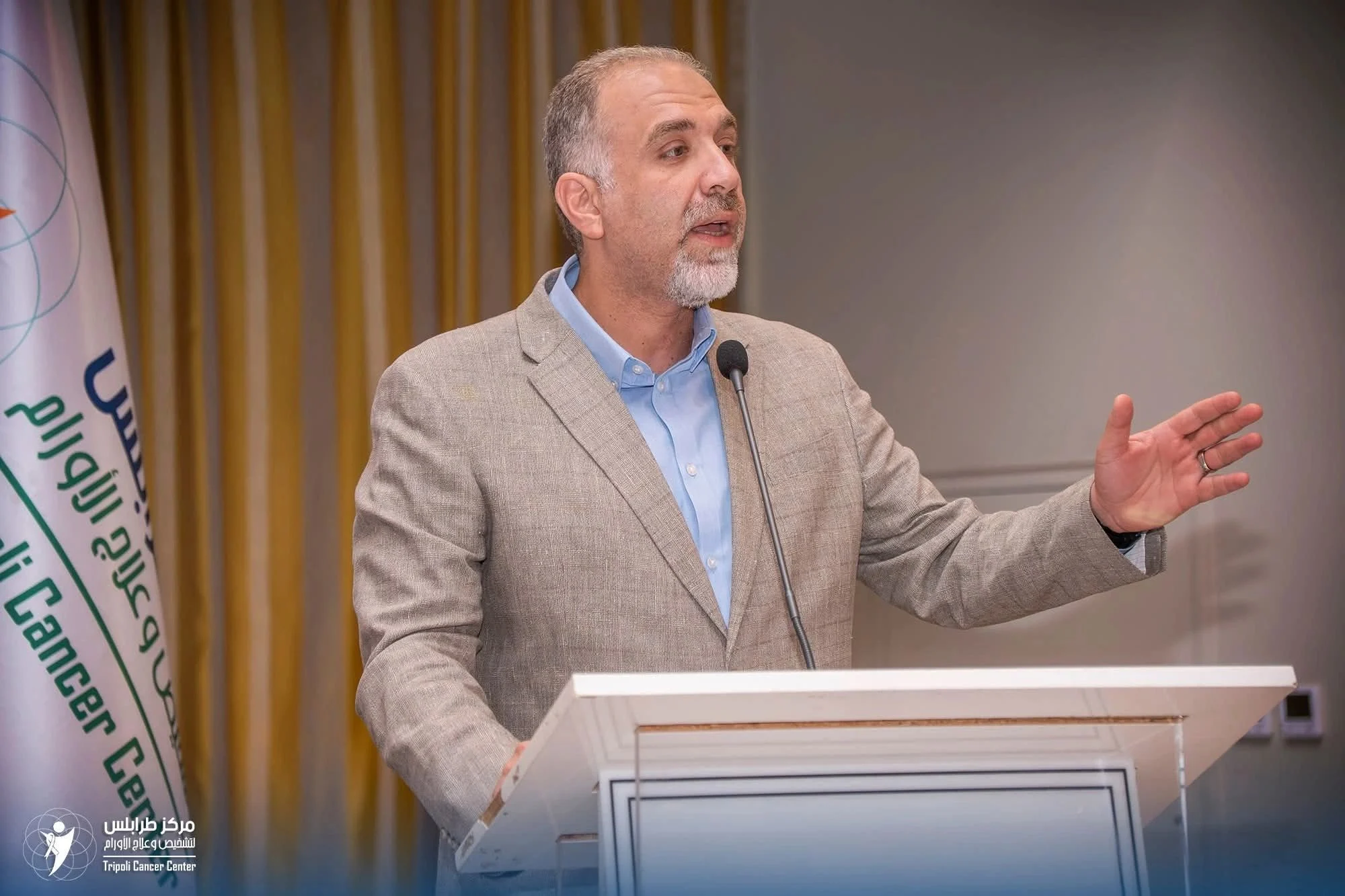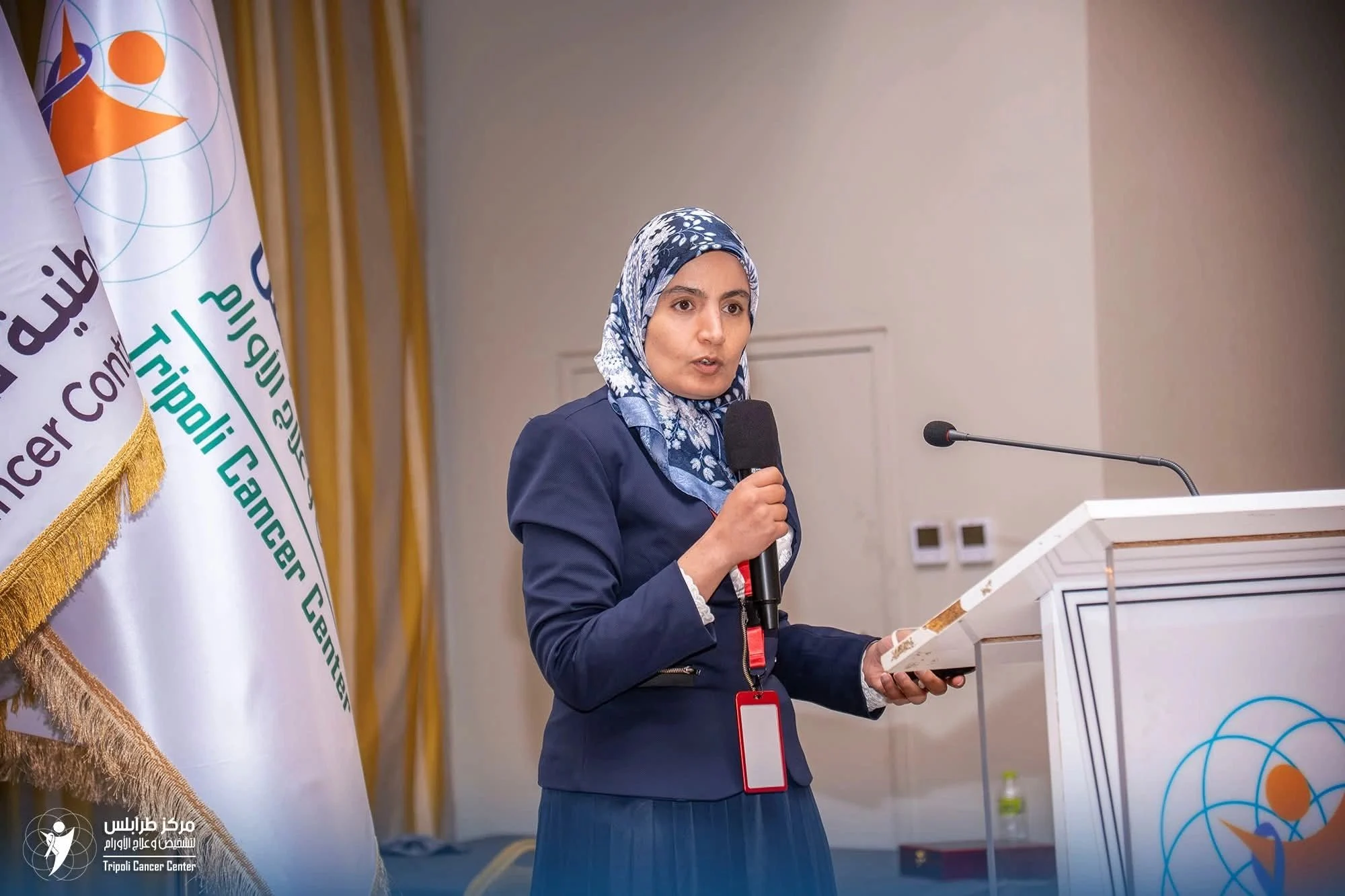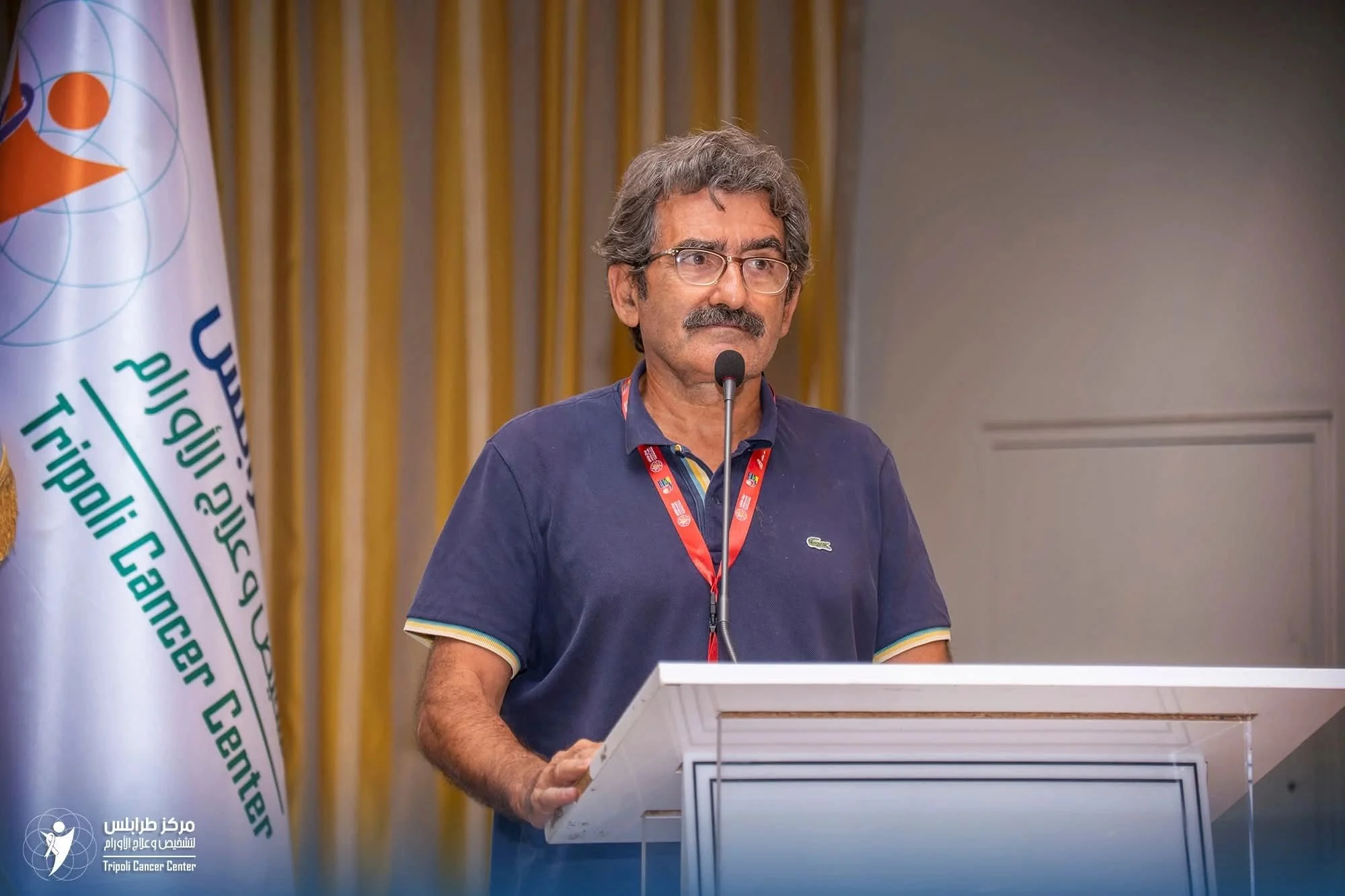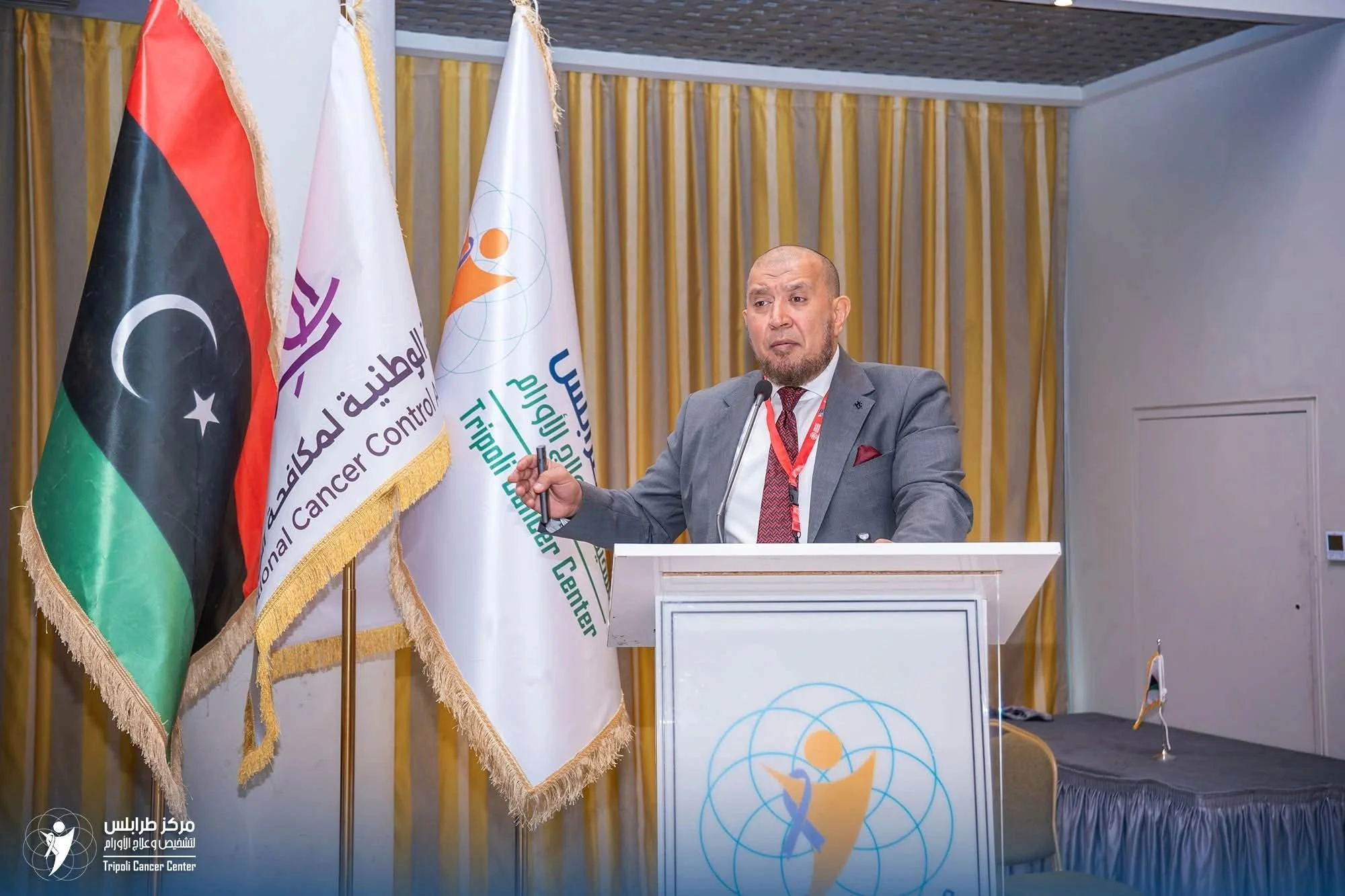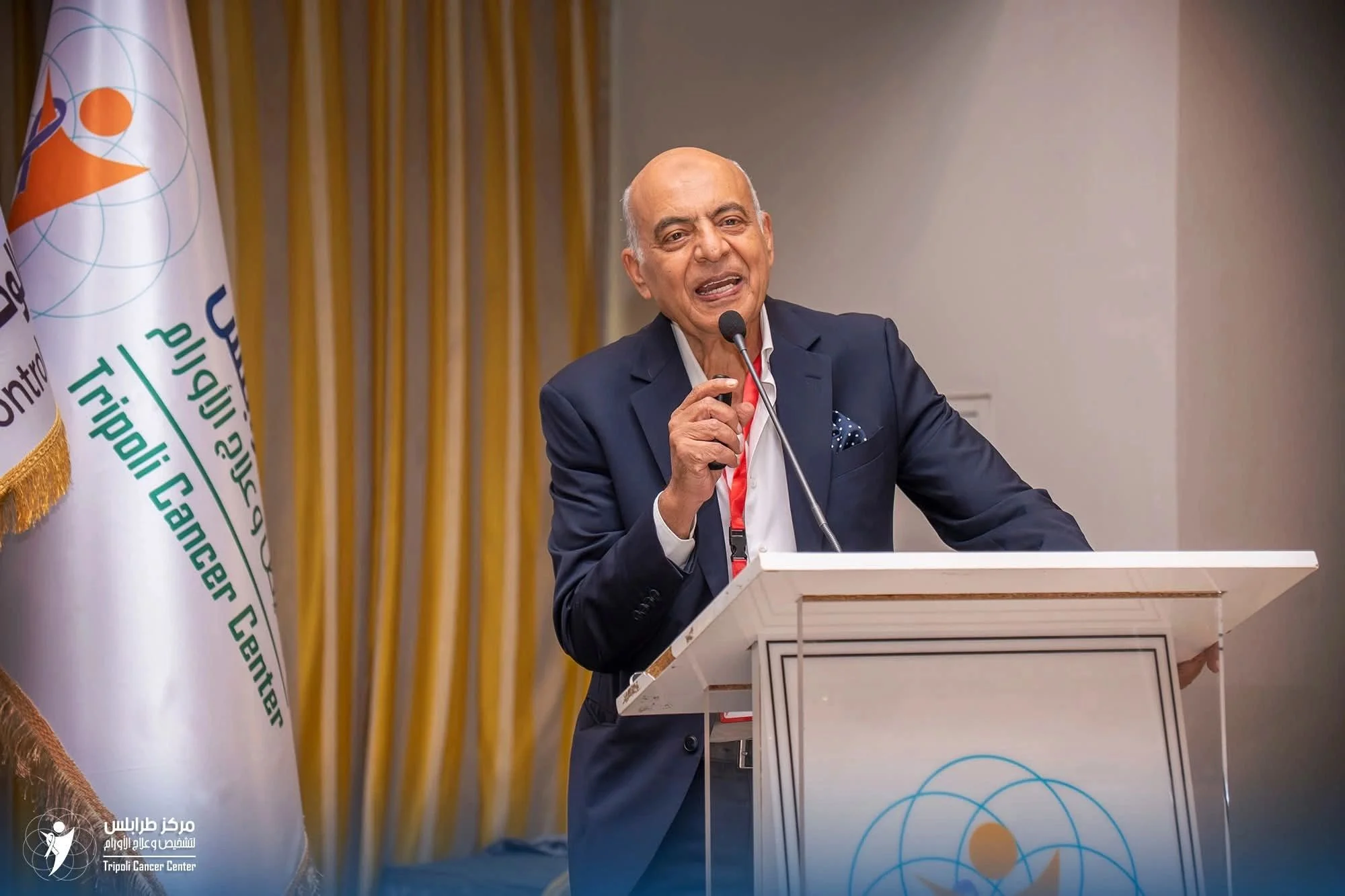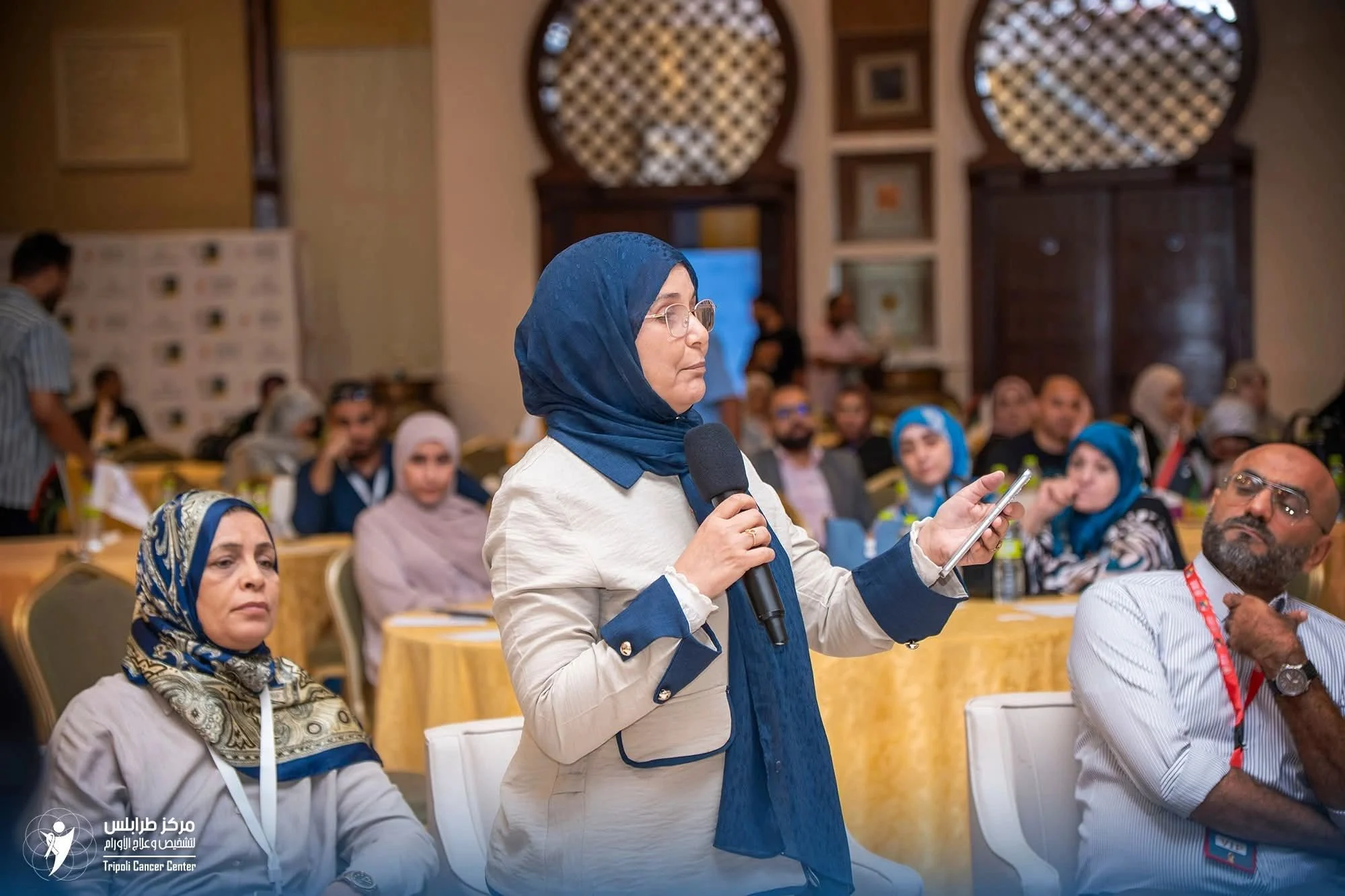
Ismail Siala, Vice Dean of Faculty of Medicine at University of Tripoli, shared on LinkedIn:
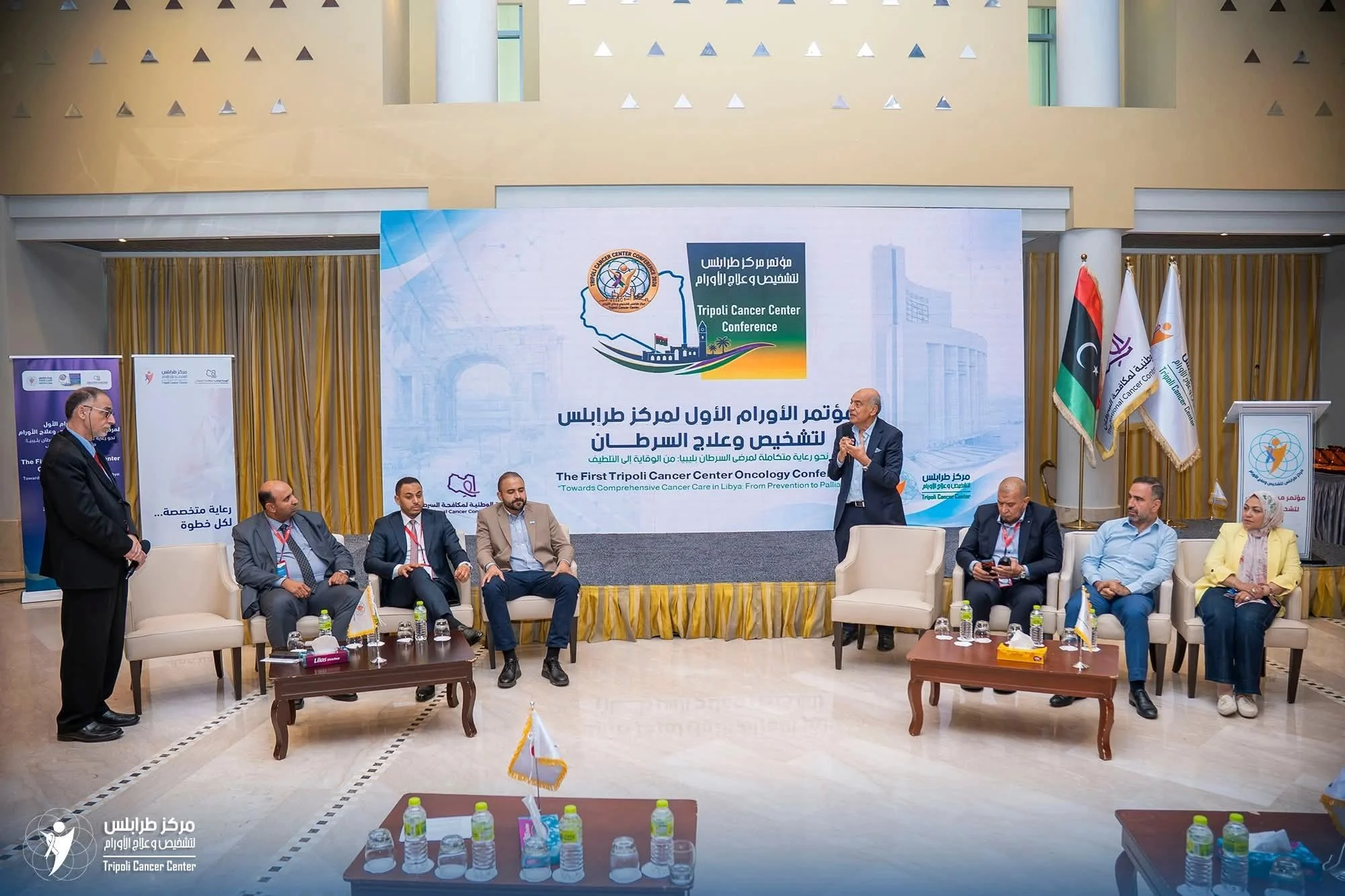
“A personal reflection on the 1st Tripoli Cancer Center Oncology Conference, held on 28–30 August 2026.
As Chair of the Scientific Committee, I have been reflecting on those three days, not only on the scientific programme, but on what this meeting represented for oncology in Tripoli.
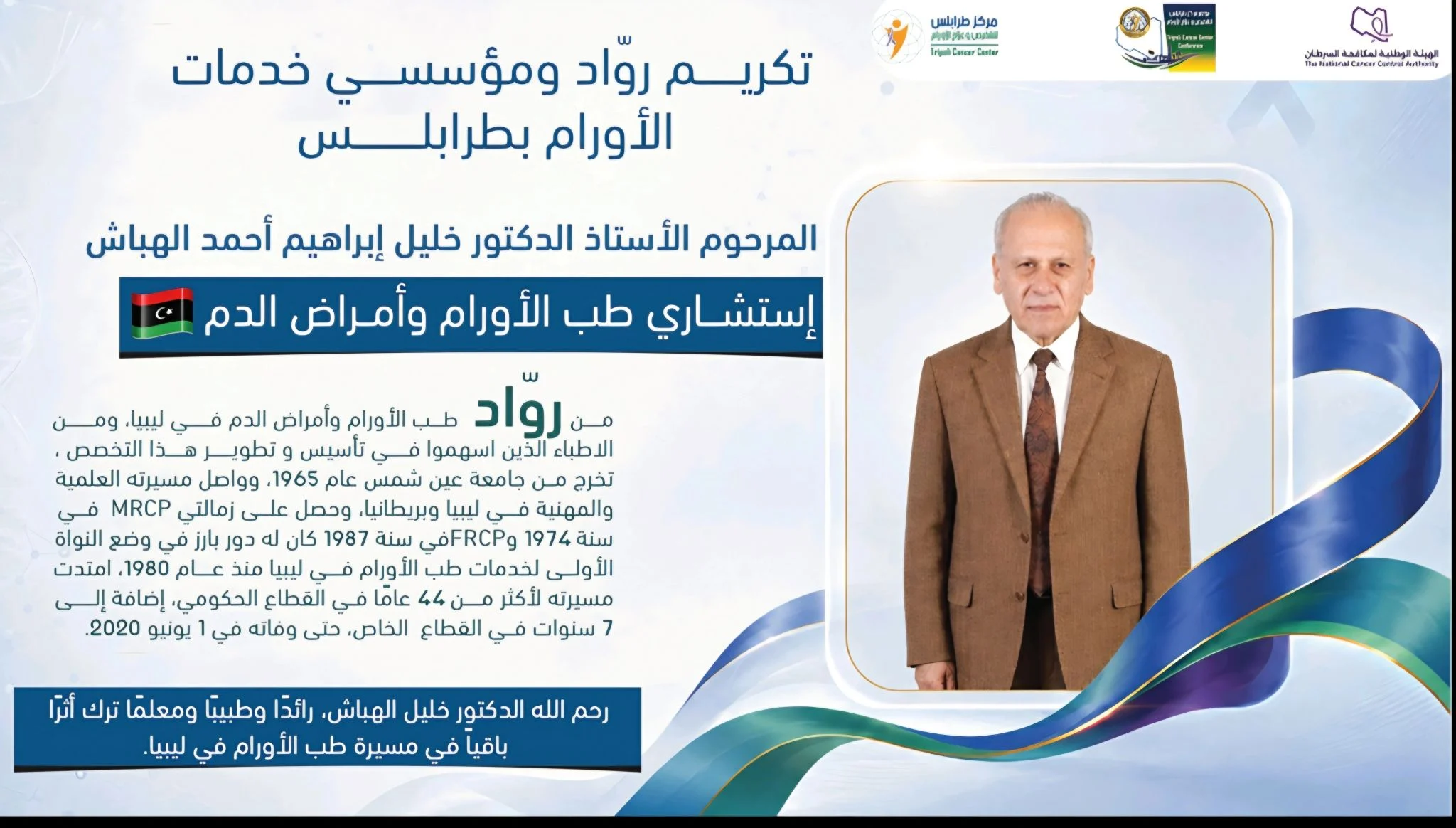
For me, it was about where we came from, where we are today, and where we need to go next. One of the most meaningful moments was recognizing some of the pioneers who helped build oncology services in Tripoli:
- The late Prof. Khalil Al-Habbash, one of the founders of Medical Oncology in Tripoli in 1980s.
- Prof. Salem Zarroug, pioneer of Pediatric Oncology in Tripoli in the 1980s.
- Prof. Abukris Alwindi, headed the first Medical Oncology Department at Tripoli Medical Center in 1996.
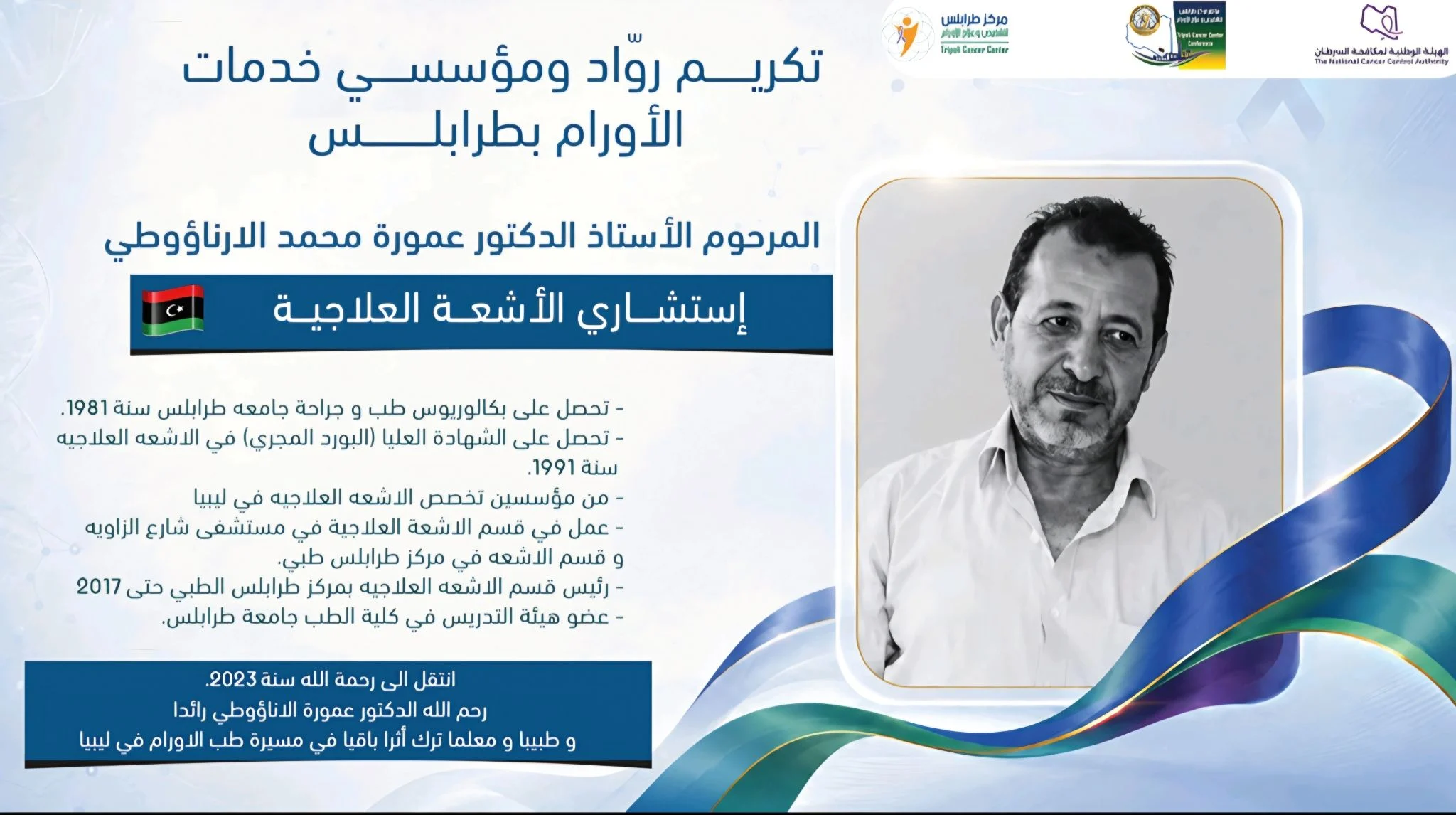
- The late Prof. Amora Arnaouti, one of the pioneers of Radiation Oncology at Tripoli Central Hospital and Head of Radiation Oncology at Tripoli Medical Center.
- Prof. Rabia Markous, a leader in Pathology in Tripoli and founder of the Pathology Department at §
Recognizing them was more than a ceremony. It reminded us that we are here because others started the journey before us.
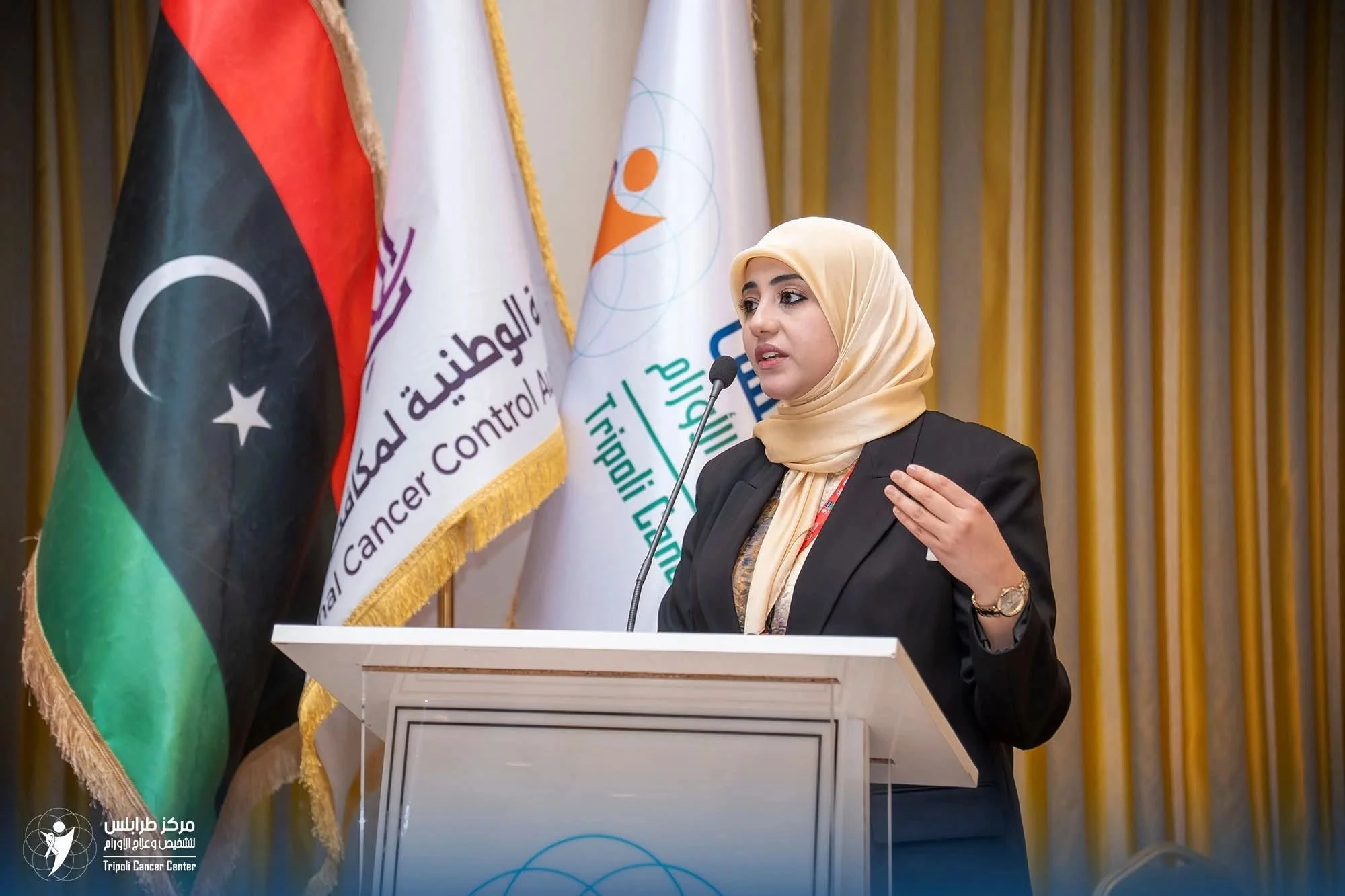
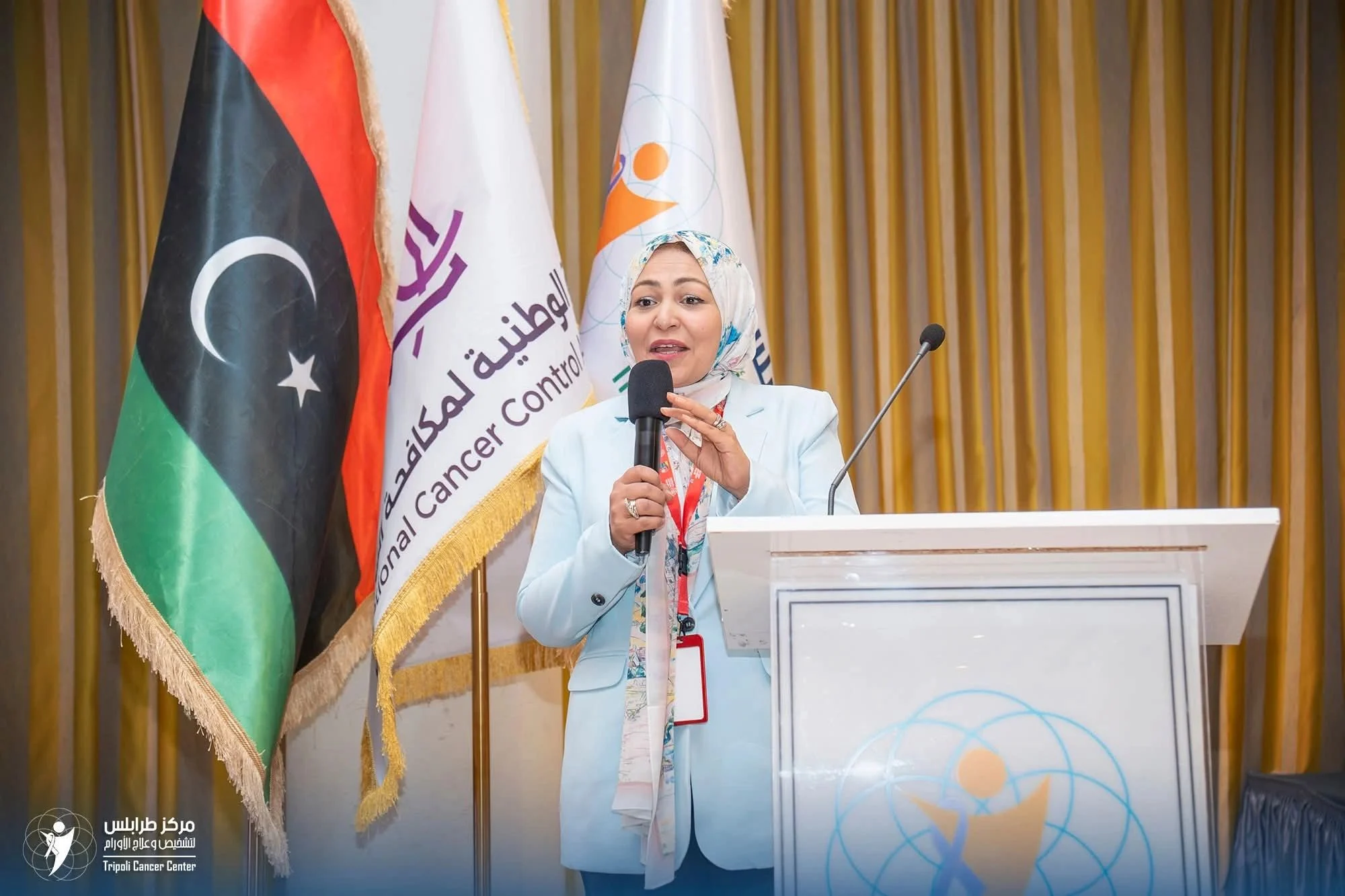
At the same time, we deliberately gave young oncologists an important place in the scientific programme, allowing many to present alongside experienced national and international faculty.
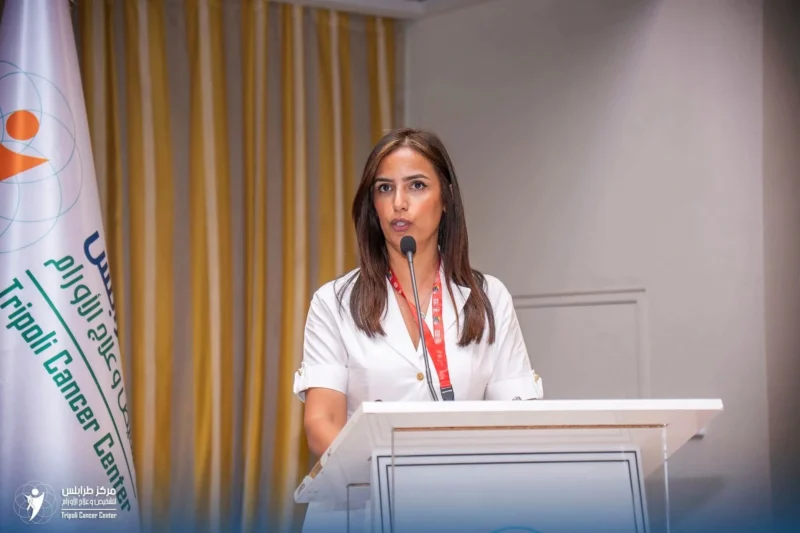
The positive feedback from our invited experts on their presentations, knowledge and participation was particularly encouraging. For me, this was one of the strongest messages of the conference:
We are not only organizing a conference, we are helping develop the next generation of oncology professionals and leaders.
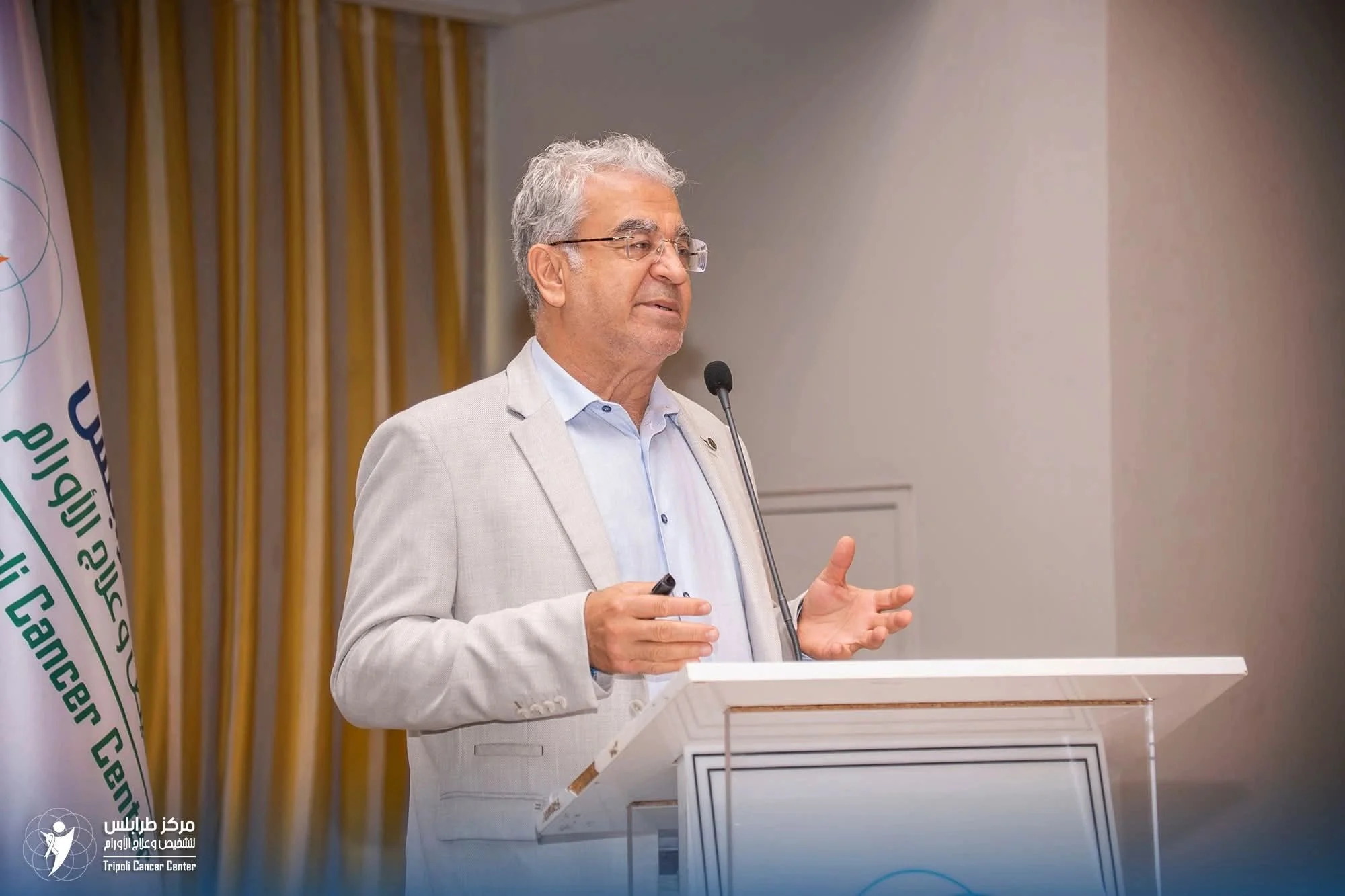
I also presented an overview of the current and projected cancer burden in Libya, asking are our health systems prepared for the cancer burden of tomorrow?
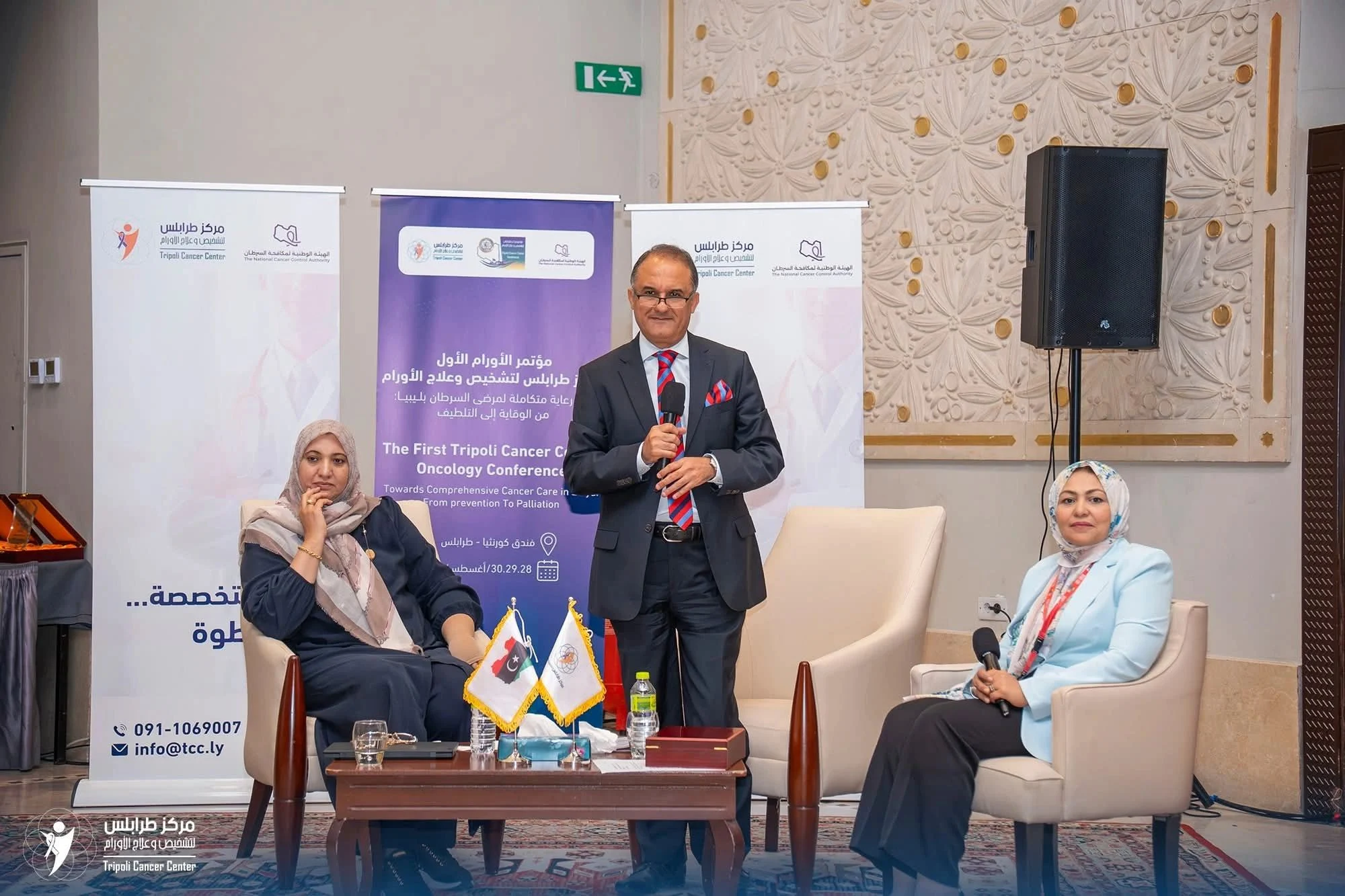
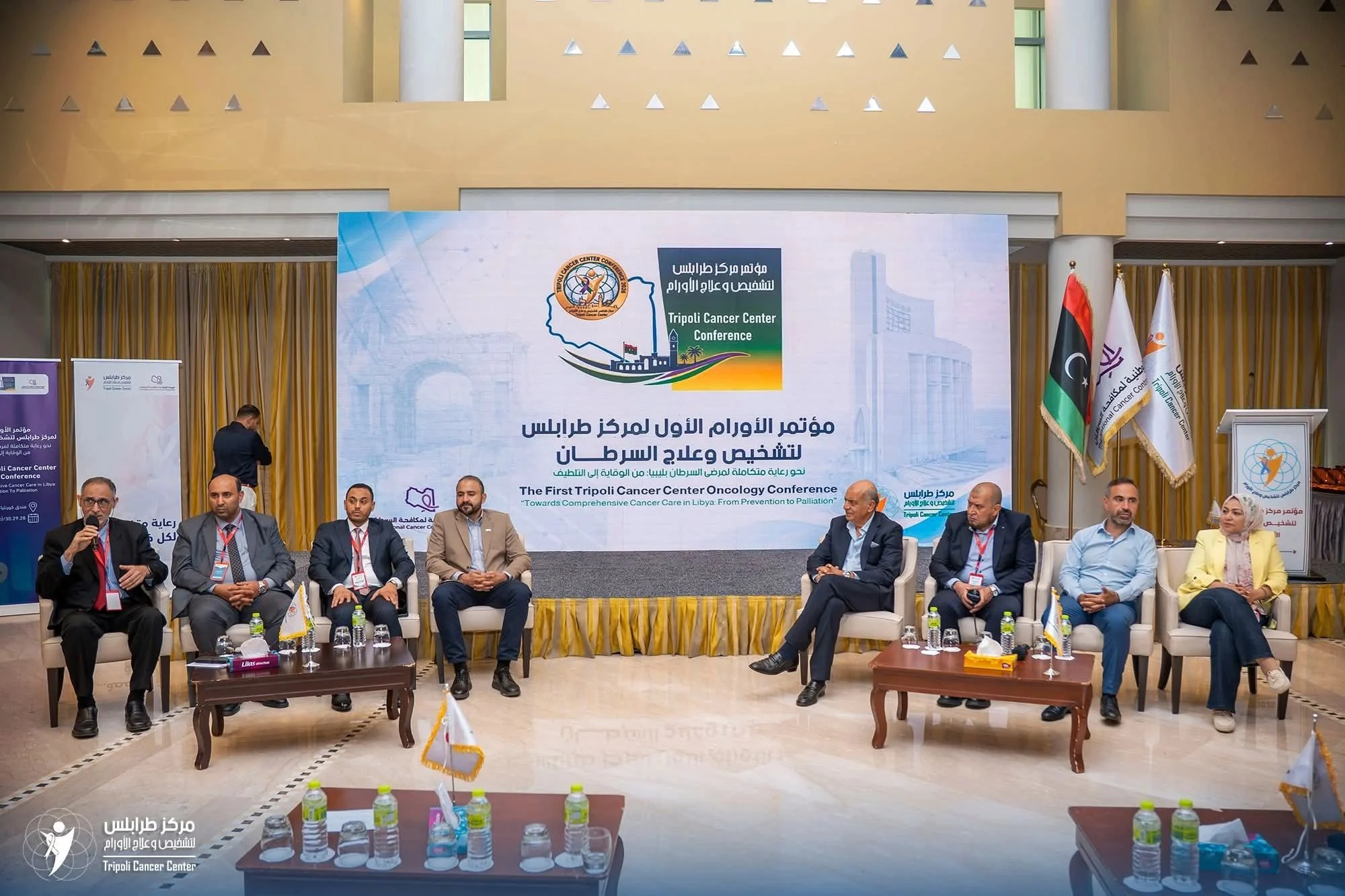
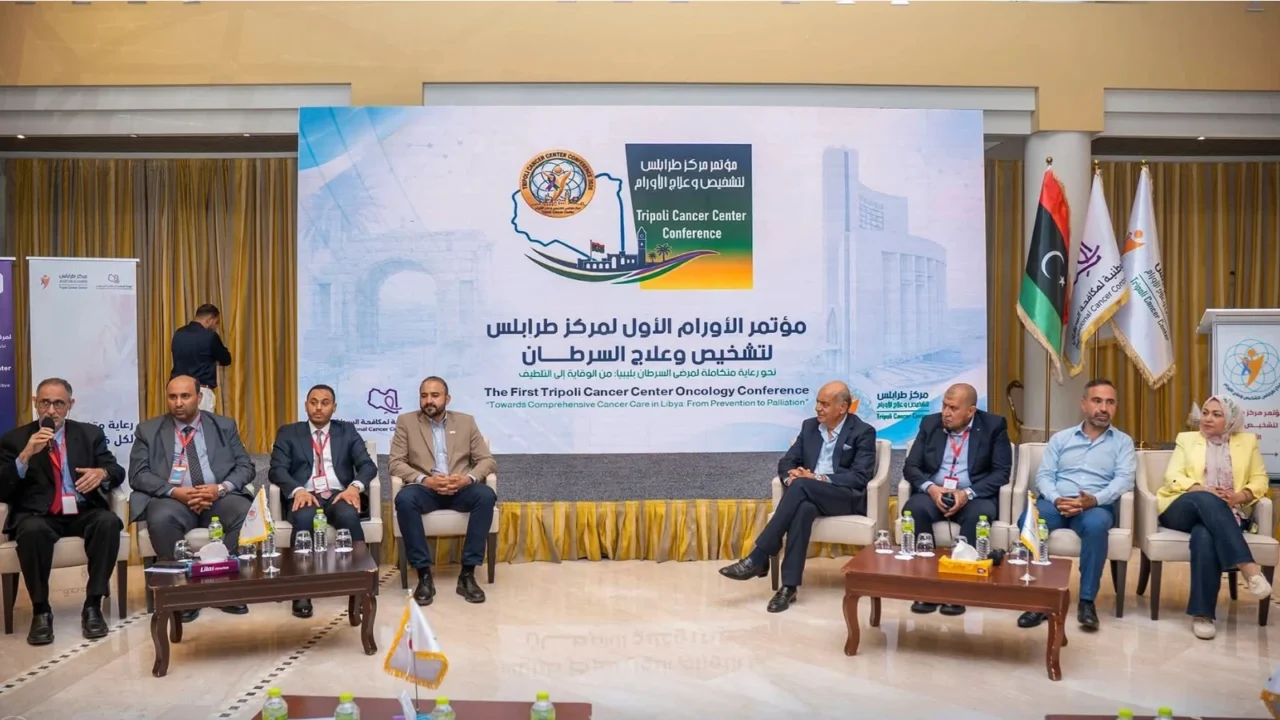
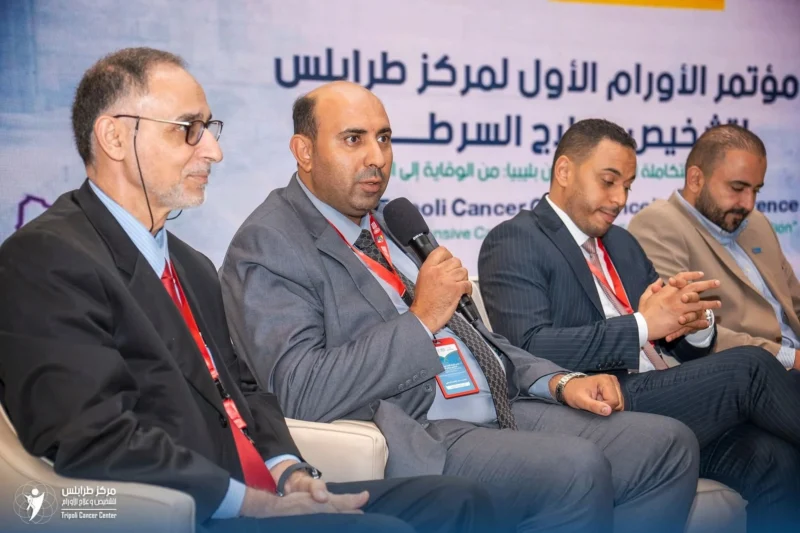
The final panel brought these issues together. We discussed the need for stronger multidisciplinary care, continuous education, better diagnostic capabilities, reliable access to modern treatment, better data and quality assurance-and, above all, collaboration between institutions, specialties and generations. No individual or institution can do this alone.
The pioneers gave us the foundation. Our responsibility is to strengthen it and pass it forward.
My sincere thanks to all our distinguished speakers, moderators, panelists and participants, the Tripoli Cancer Center leadership and organizing team, and everyone who contributed to making this meeting possible.
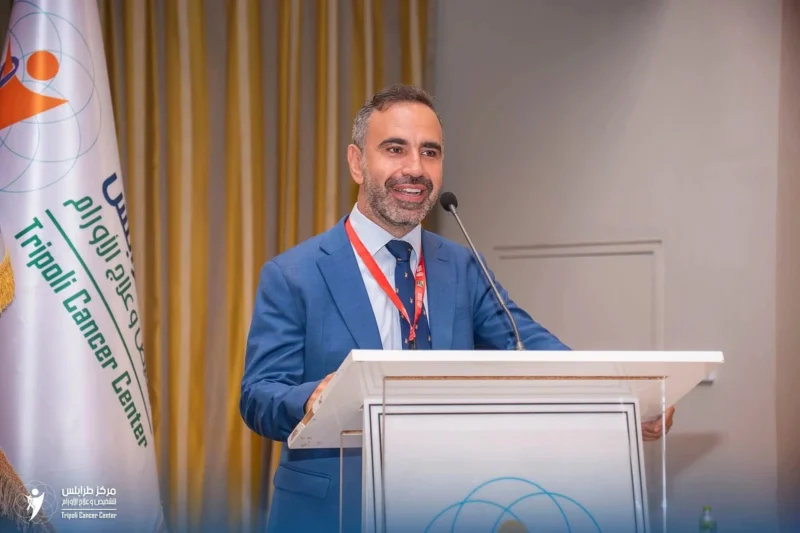
And to our young colleagues I say:
Your participation was not simply appreciated, it was noticed.
I hope this conference will become a continuing platform for helping us build better cancer care in Libya.
- Remembering our roots.
- Understanding our challenges.
- Empowering the next generation.
- Building the future of cancer care in Libya.”
You can also read:
Who Gets a Seat at the Cancer Policy Table?