Isabel Mestres, CEO of City Cancer Challenge (C/Can), shared a post on LinkedIn:
“On my train back from World Economic Forum meeting in Davos, reflecting on the past few days.
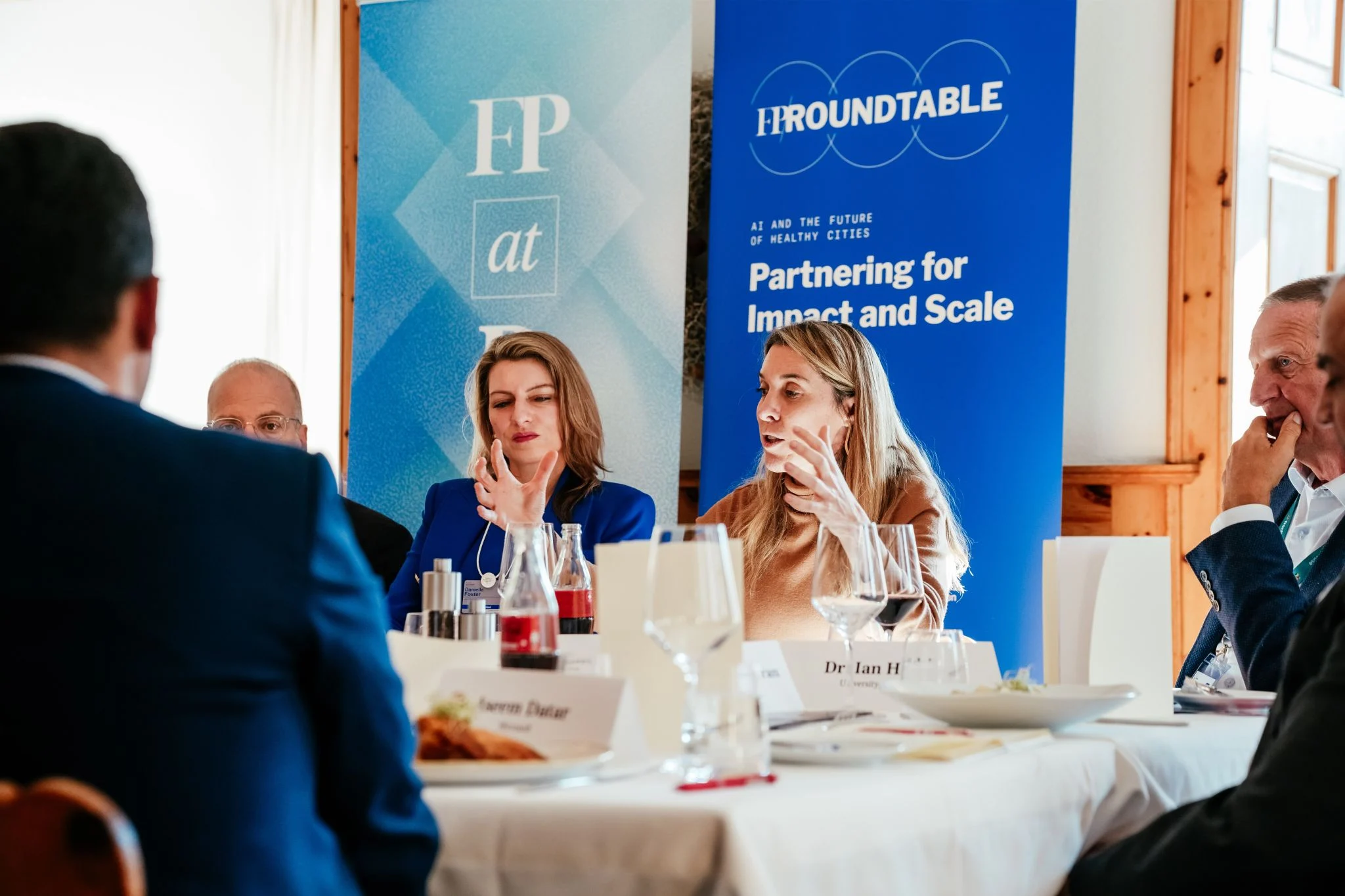
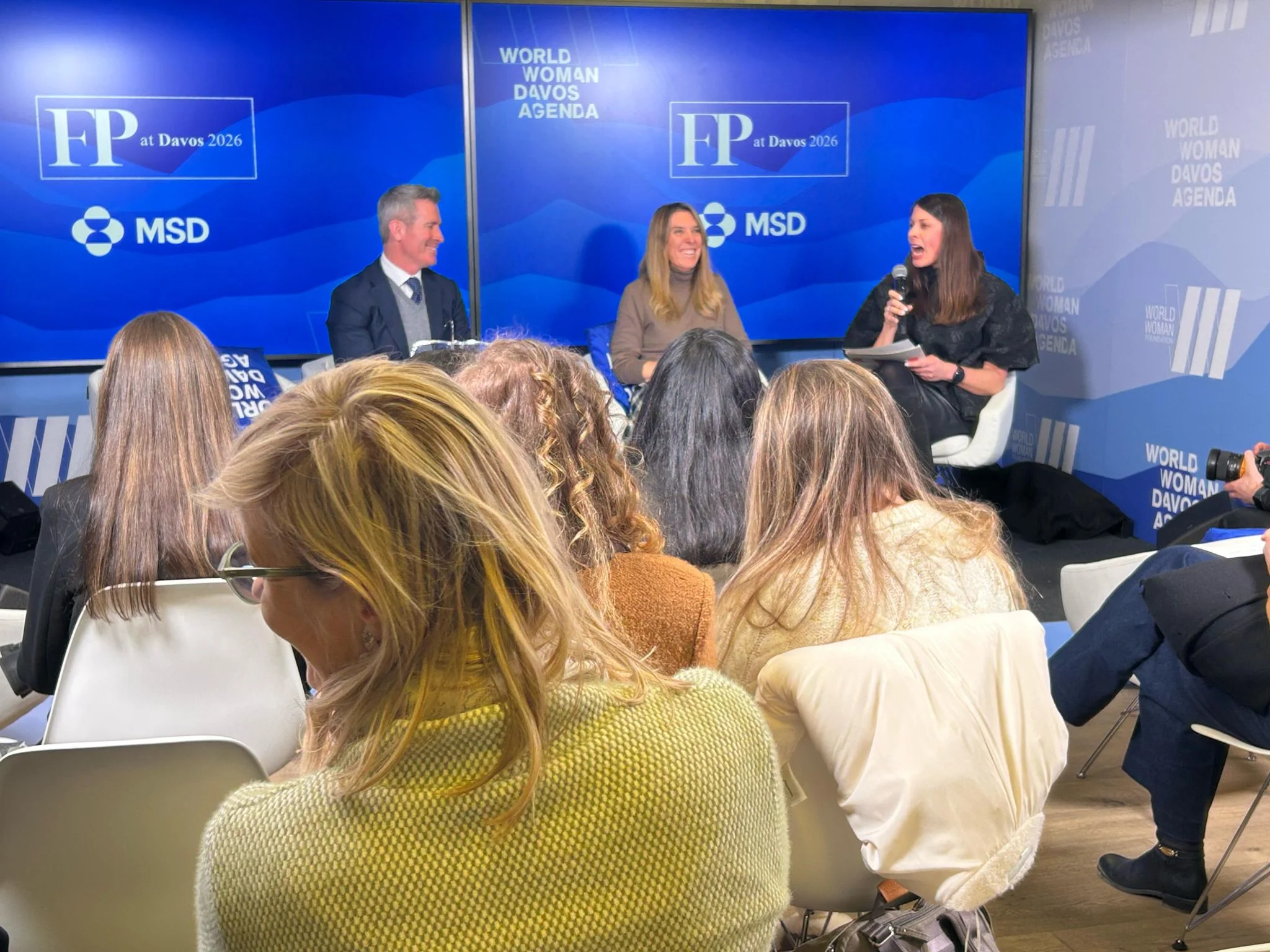
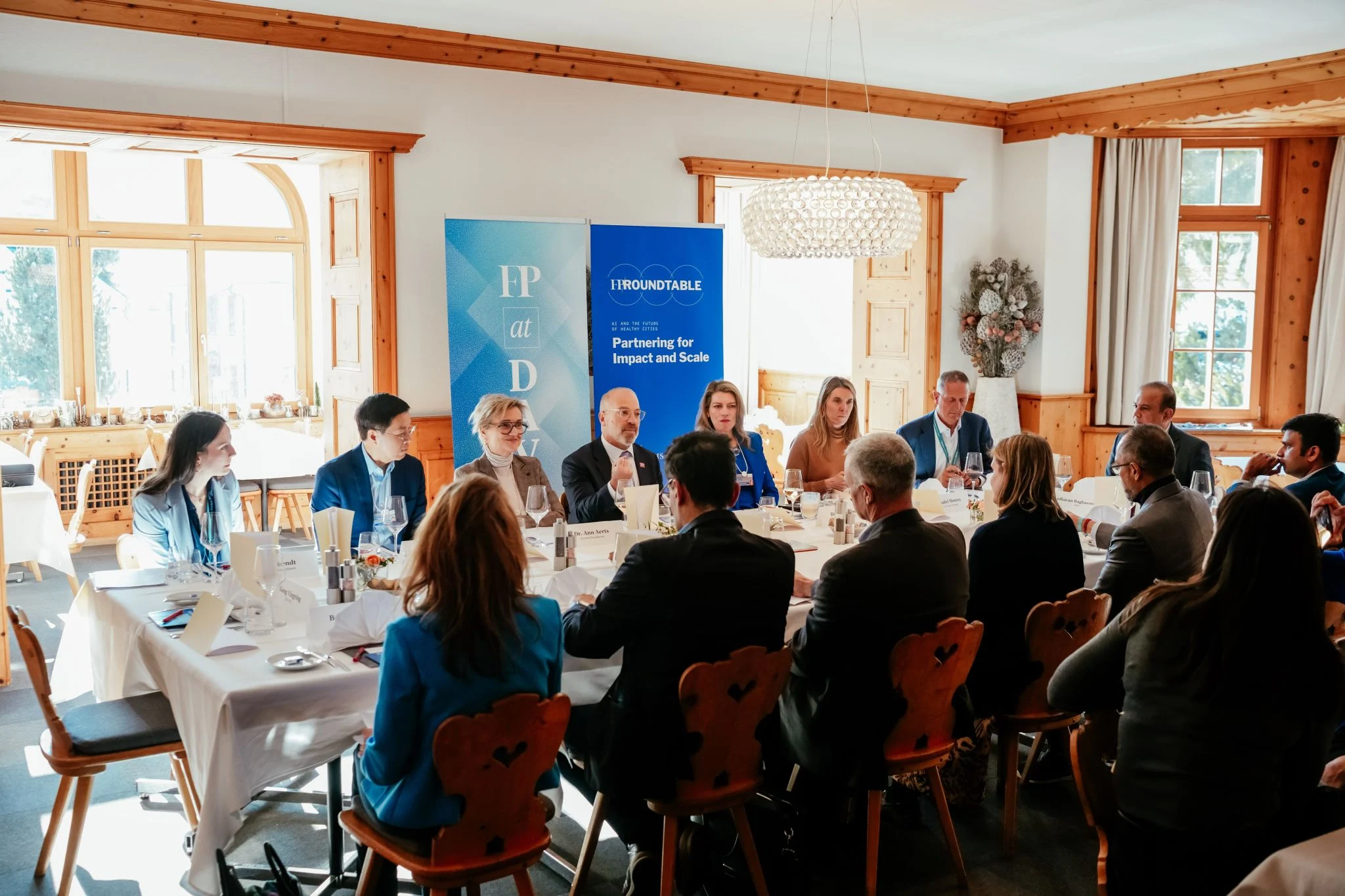
I kicked off on Monday with a panel hosted by Foreign Policy and MSD, moderated by Allison Carlson, alongside Joe Romanelli, on women, cities, and cancer care. One message came through clearly:
The problem is not a lack of treatment, it’s a system failure.
Too often, health systems are designed around diseases and episodes of care, not around women as patients navigating complex lives. When women are treated only as clinical cases, pathways fragment, diagnosis is delayed, and opportunities for timely treatment are missed.
Then came the AI conversations…. many of them.
AI was literally everywhere. I agree that AI has real potential to transform health, but only if it is built on functioning and connected health systems, reliable real-world data, and the capacity to act on insights. Without that, it won’t close equity gaps.
Financing added another important layer.
While health is clearly deprioritized compared to defense, energy, AI, and transport, when it was discussed, NCDs were increasingly framed as an economic issue , tied to productivity, labor-force participation, and long-term competitiveness. The emphasis on better data to understand system bottlenecks and guide smarter, more efficient investments was encouraging. Thank you Emma Charles for a great discussion on this.
Cities kept surfacing in my conversations.
Not as a headline theme, but whenever discussions turned to implementation and impact. Cities are where policy meets delivery, and where change can happen faster. It was great to hear the incredible progress made by cardio4cities led by Ann Aerts.
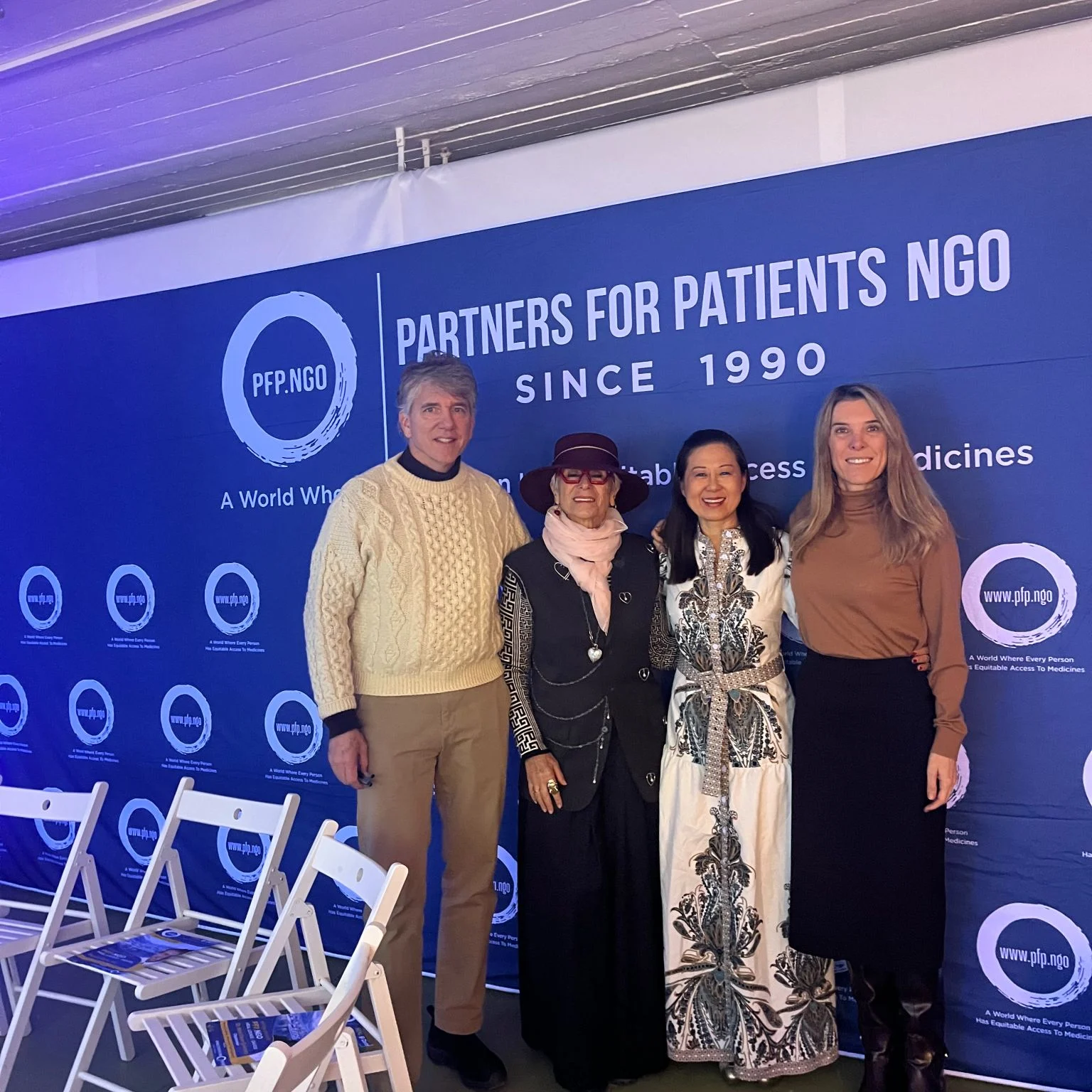
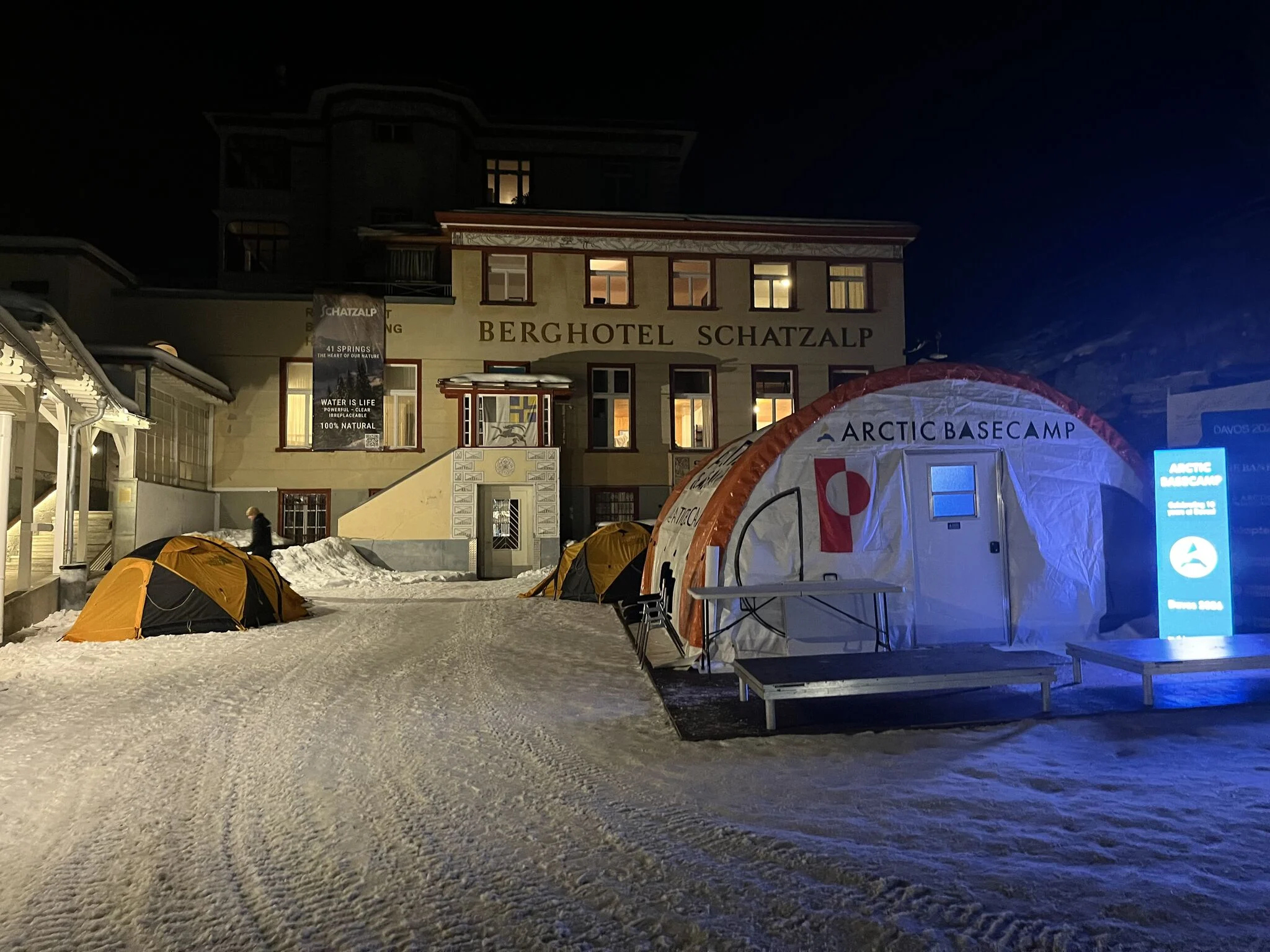
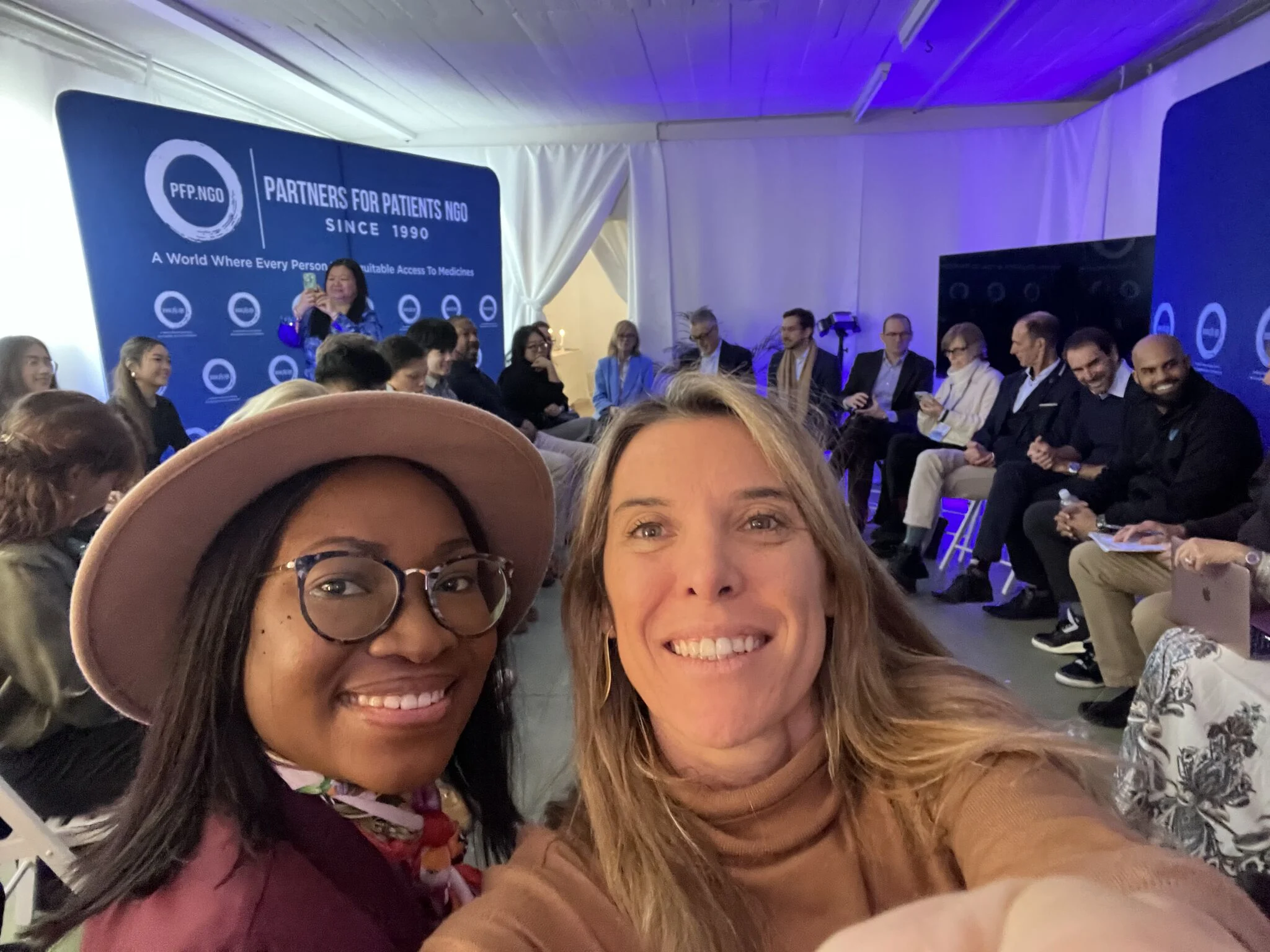
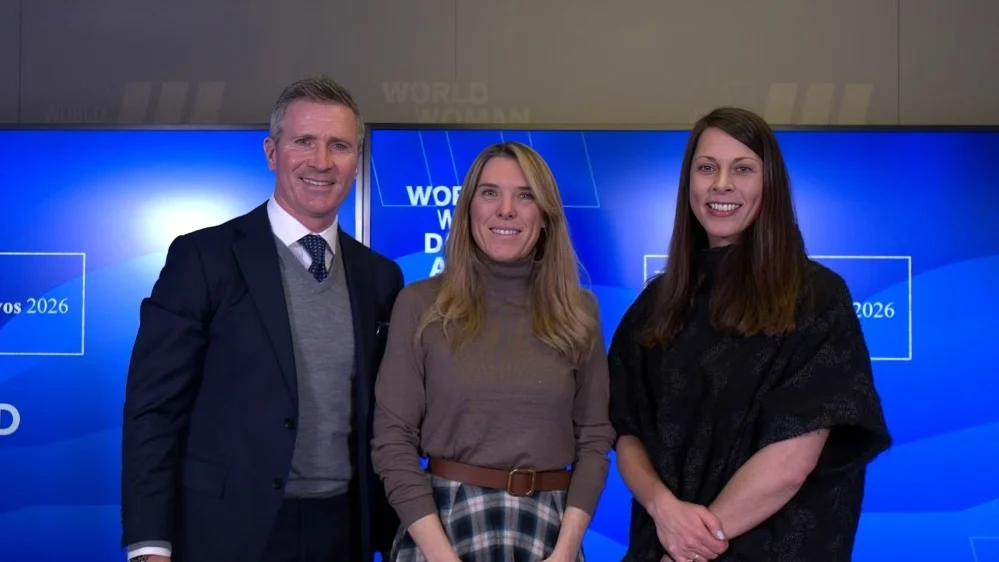
Grateful for the more than 50 conversations!!!!, on panels, at side events, dinners, waiting for coffee, and walking through the snow. Leaving Davos energized, with many follow-ups and a stronger conviction that delivery is where credibility is built.
Thank you Alexander Roediger, Julia Spencer and the MSD team for the support that made it possible to be in Davos and make the most of the opportunity.”