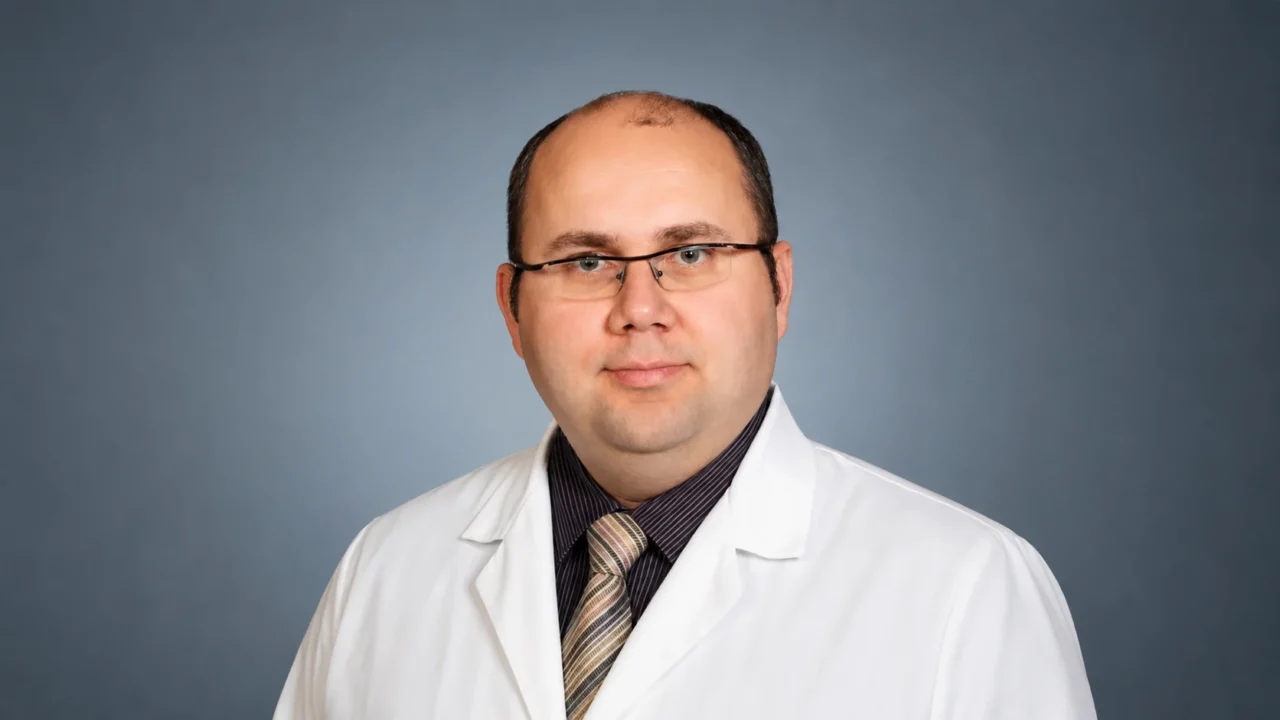
Hadi Mohamad Abu Rasheed, Scientific Advisor and Director of Programs at the Qatar Cancer Society, Adjunct Lecturer at the University of Doha for Science and Technology, shared OncoDaily’s post on LinkedIn, adding:
“Patient navigation should not depend on luck or on how well a patient can navigate a complex health system.
It should be designed into the cancer-care pathway.
I was pleased to contribute to Day 3 of the Community Oncology Global Congress 2026, discussing both financial navigation and patient navigation.
One principle connected both conversations for me:
‘Start with the barrier, not with the navigator.’
For me, navigation sits at the intersection of person-centred care and quality improvement: defined processes, reliable transitions, measurable outcomes, accountability, and continuous learning.
This strongly connects with my involvement in the Global Alliance for Cancer Patient Navigation, led by the American Cancer Society, and its work to advance sustainable, evidence-informed navigation across different health systems.
The key question is not only whether we have navigators, but whether navigation is improving the pathway.
‘If navigators repeatedly solve the same problem for many patients, should we keep navigating around it – or redesign the system?’
Navigation should help patients through unavoidable complexity while helping health systems eliminate avoidable complexity.
Thank you to OncoDaily, the moderators, and fellow panelists for an insightful global discussion on making cancer care more accessible, coordinated, equitable, and person-centred.”
Quoting OncoDaily’s post:
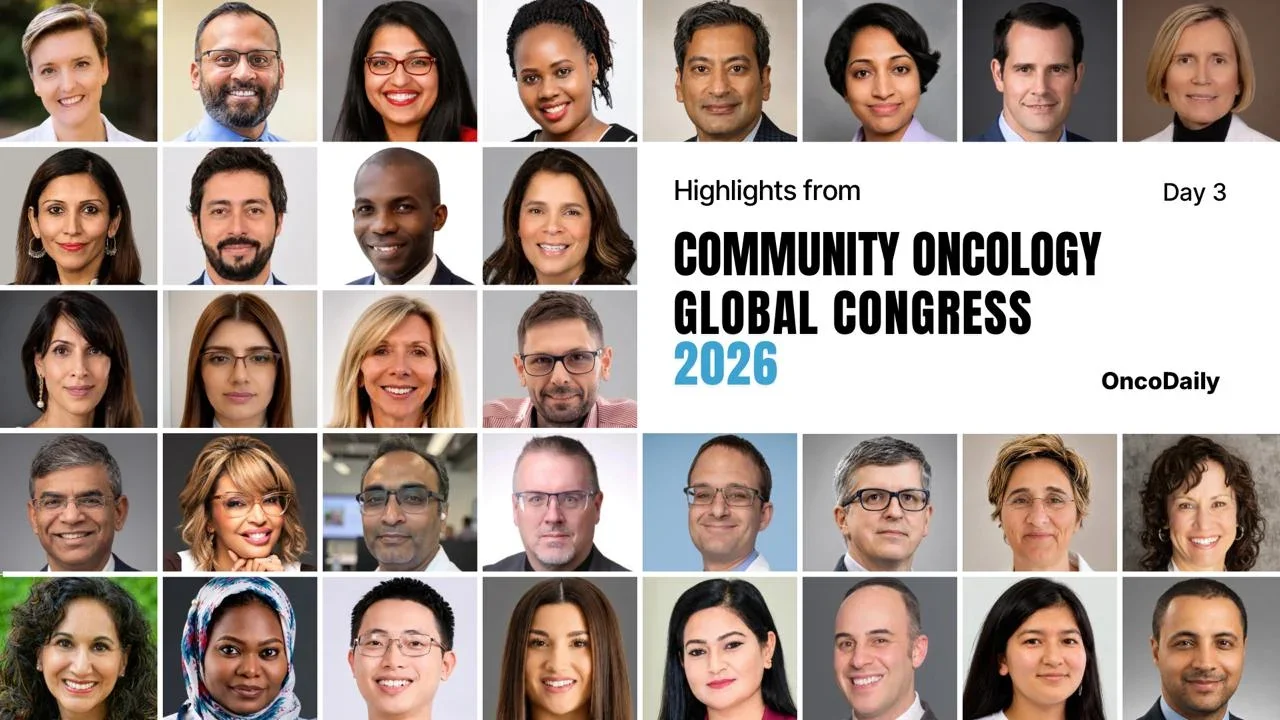
“Community Oncology Global Congress 2026 | Day 3 – Opening Sessions
The final day of the Community Oncology Global Congress 2026 is underway, bringing the focus to some of the most pressing challenges in delivering accessible, equitable, and patient-centred cancer care in community settings.
The opening sessions highlighted the importance of addressing financial barriers that can prevent patients from receiving and continuing cancer care.
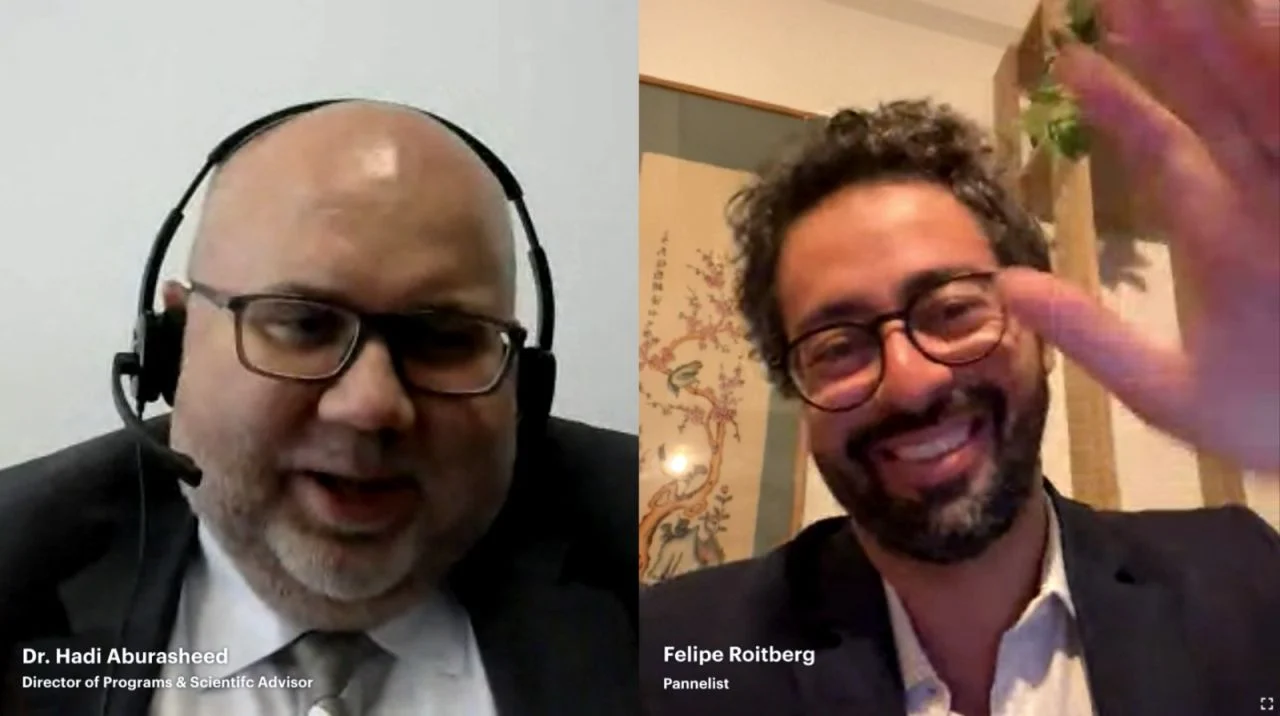
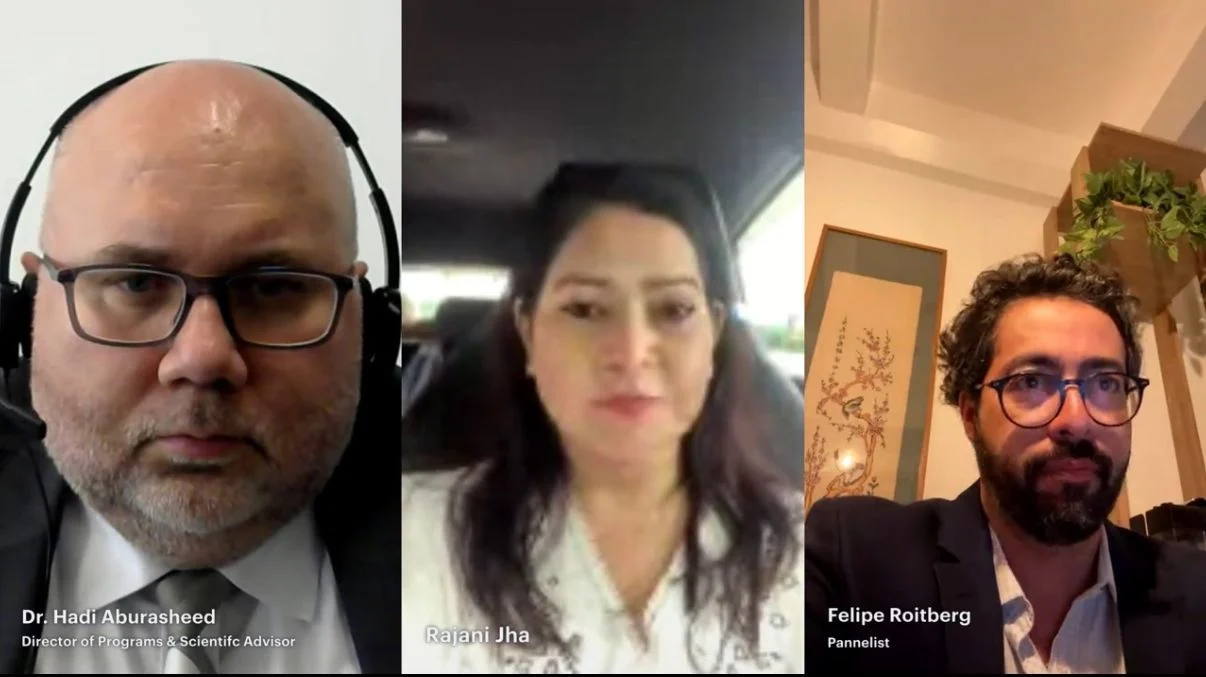
Rajani Jha, Dr. Hadi Mohamad Abu Rasheed and Felipe Roitberg explored practical approaches to identifying and supporting patients experiencing financial toxicity, including financial navigation beyond medicines, covering transportation, diagnostics, supportive care, and other indirect costs.
The discussion also examined how healthcare providers, governments, industry, and nongovernmental organizations can work together to simplify patient-assistance and reimbursement pathways and reduce affordability barriers at the community level.
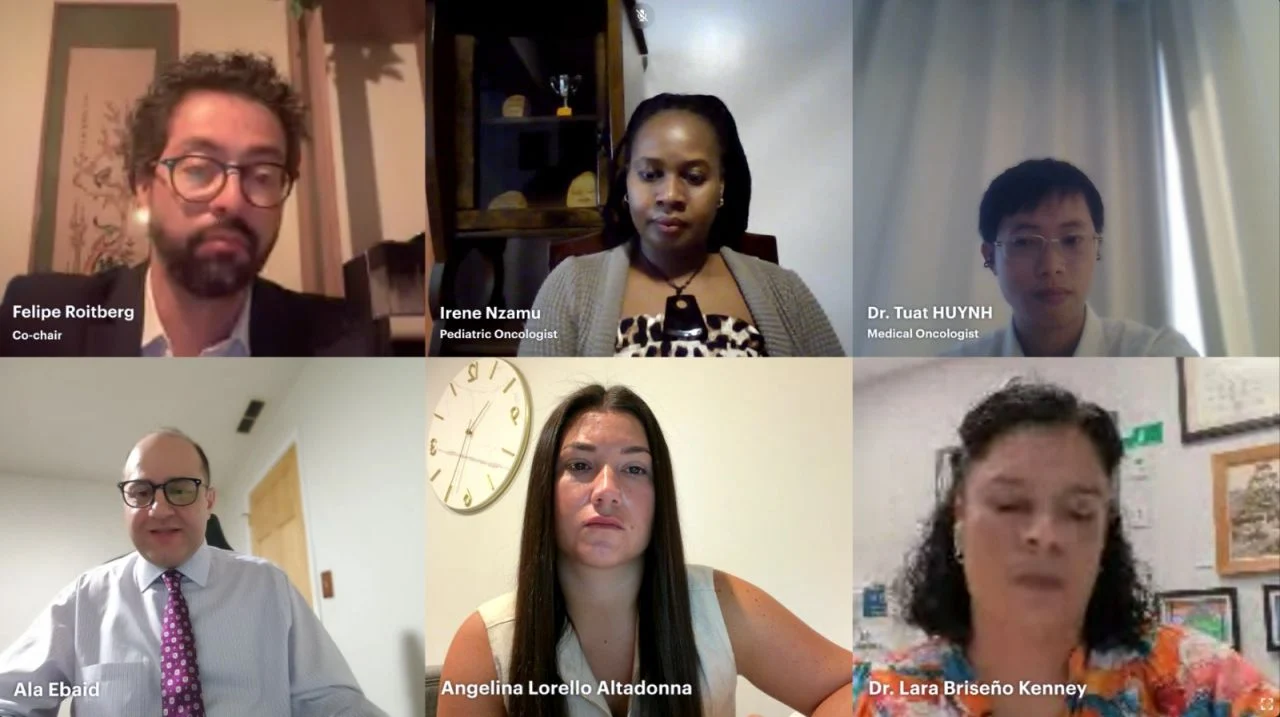
A key session, “Delivering Equitable Cancer Care: Reaching Underserved Communities,” brought together Angelina Lorello Altadonna, Felipe Roitberg, Irene Nzamu, Van Tuat Huynh, Ala Ebaid, and Lara Briseño Kenney to examine persistent gaps in cancer care.
The discussion addressed underserved populations, rural and resource-limited delivery models, care for older and medically complex patients, and the role of mobile services, outreach programs, satellite clinics, telehealth, and community partnerships in overcoming socioeconomic and geographic barriers.
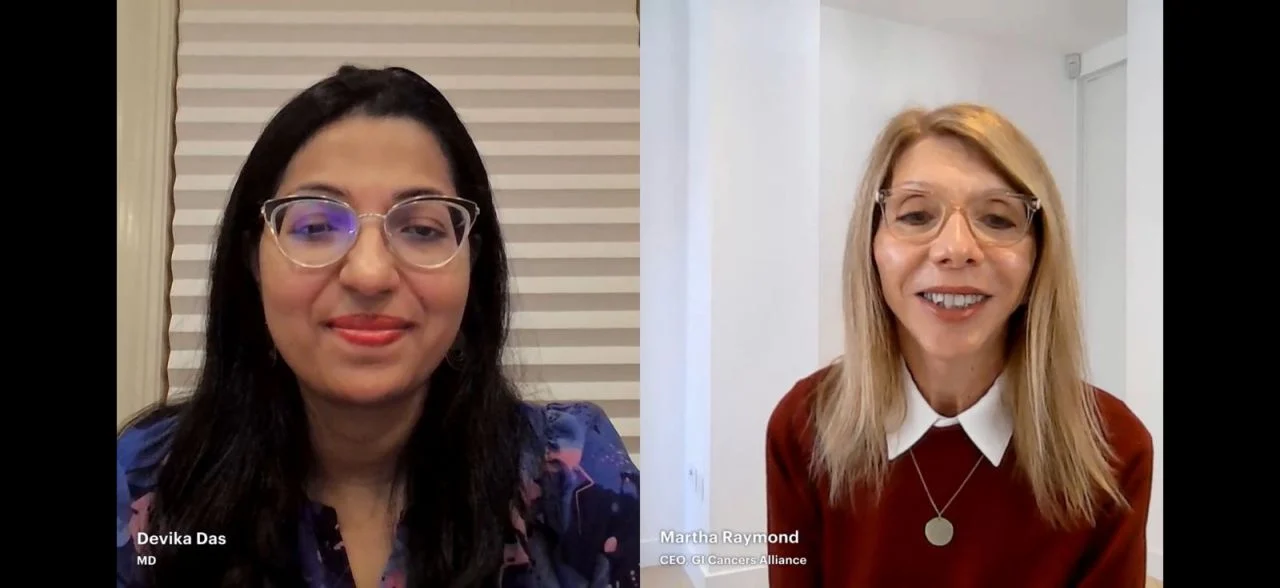
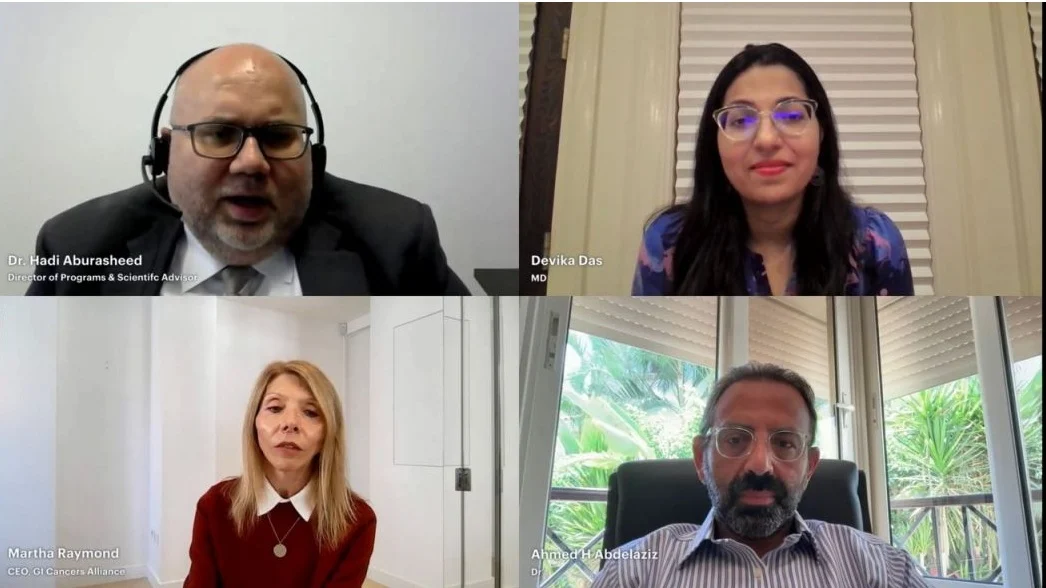
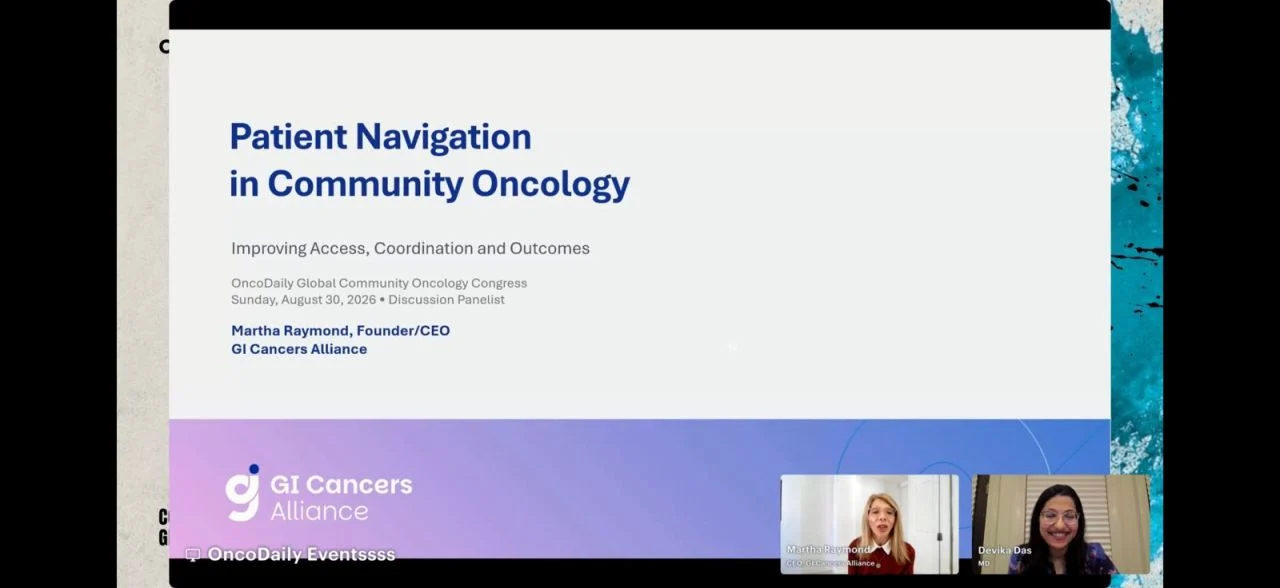
Another important session, “Patient Navigation in Community Oncology: Improving Access, Coordination and Outcomes,” featured Devika Das, Ahmed H. Abdelaziz, Dr. Hadi Mohamad Abu Rasheed, and Martha Raymond.
The speakers explored the evolving role of patient navigation, from coordinating care across multidisciplinary teams to supporting oral-therapy adherence, preventing loss to follow-up, and helping patients navigate transitions between referral and treatment.
The session also highlighted how digital navigation can complement not replace the essential role of human navigators.
As Day 3 continues, the discussions are highlighting practical strategies to make cancer care more affordable, accessible, coordinated, and equitable for patients across diverse community settings.
Learn more about Community Oncology Global Congress 2026”
You can also read: Highlights From Community Oncology Global Congress 2026, Day 3