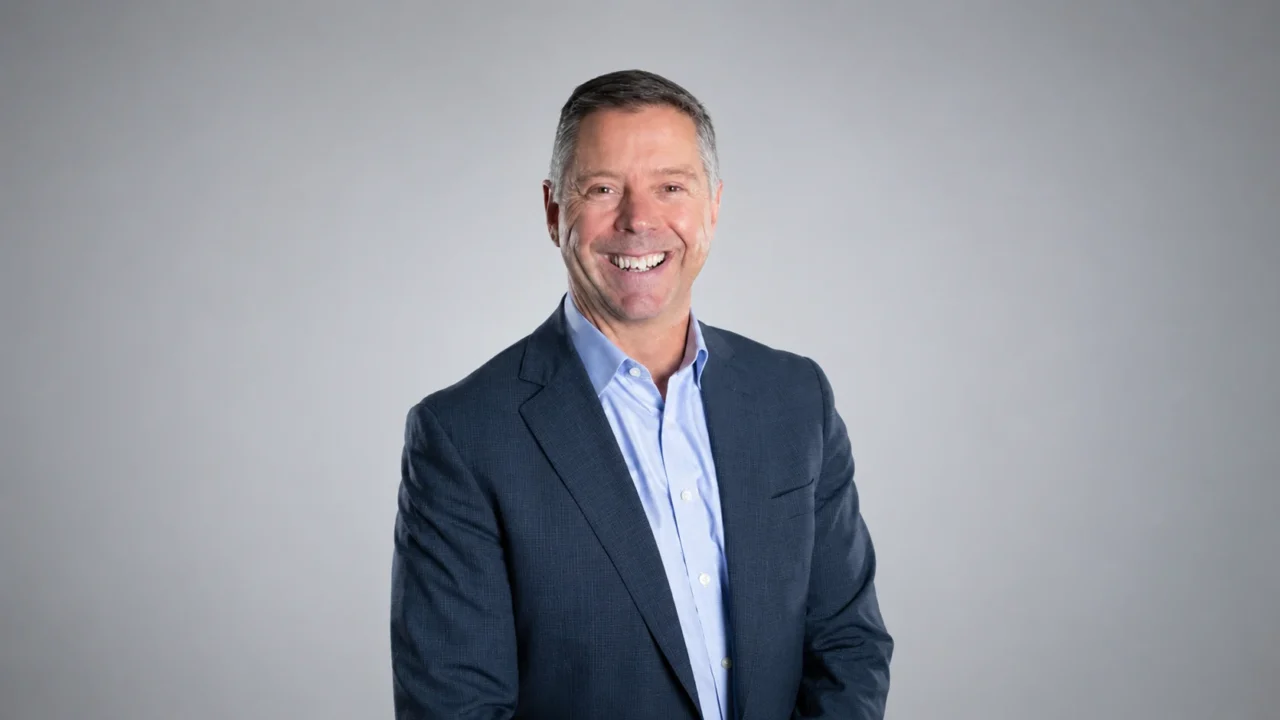
Gregory Kennedy, Chief Medical Officer of Oncology Service Line at UnityPoint Health, shared on LinkedIn:
”The Next Great Cancer Center Isn’t a Center
For most of my career, I believed the future of cancer care was about building great cancer centers. Today, I am no longer sure that is enough.
It wasn’t data that changed my mind. It was patients.
Over the past two decades, I’ve had the privilege of caring for patients from rural communities who traveled to our state’s major academic medical centers. I’ve also had the privilege of caring for many of those same patients much closer to home. Those two very different experiences taught me two lessons I didn’t expect.
First, we often underestimate patients from rural communities. They ask thoughtful questions. They wrestle with difficult decisions. They want the very best care for their families. What separates them isn’t motivation or intelligence. It’s the barriers they face.
Second, we’ve built cancer systems that make sense to us but often feel overwhelming to the people we serve. A cancer diagnosis is difficult enough. Then we ask patients to arrange transportation, take time away from work, find childcare, and travel hundreds of miles while carrying one of the hardest conversations of their lives.
Great cancer centers will always matter. They drive innovation, conduct research, train future physicians, and care for patients with the most complex diseases. They are indispensable.
But they have largely been built around one assumption: patients travel to expertise. For many conditions, that’s exactly what should happen. Complex operations, rare cancers, and novel therapies belong in centers with concentrated experience. But I’ve also cared for patients who crossed multiple states – not for experimental treatment or highly specialized surgery – but to receive evidence-based chemotherapy and radiation that could have been safely delivered much closer to home.
The best care isn’t always the care delivered in the biggest building. Sometimes it’s the same evidence-based treatment delivered close enough that patients can sleep in their own bed, have dinner with their family, and face one of the most difficult seasons of their lives surrounded by the people who know them best. To me, that’s what a great cancer network should accomplish.
A network is more than a collection of hospitals. It’s a group of people and organizations committed to making each other stronger. Expertise is shared. Responsibility is shared. Patients receive the right care in the right place.
I don’t believe the future of cancer care is moving away from great cancer centers. I believe it’s moving beyond them.
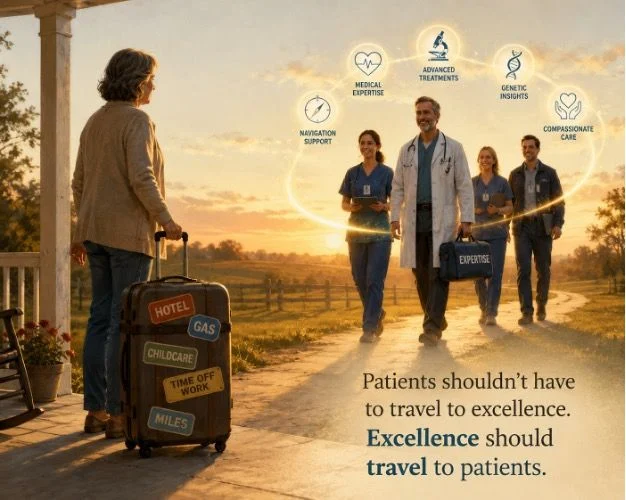
Patients should not have to travel to excellence.
Excellence should travel to patients.”
You can also read ‘UT MD Anderson Ranked No. 1 for Cancer Care for 12th Consecutive Year‘