Giuseppe Banna, Consultant Medical Oncologist at Portsmouth Hospitals University NHS Trust, shared a post on LinkedIn:
“Beyond PD-L1: A 2026 Turning Point Validating the ‘Class-Effect’ Hypothesis
The latest immunomic analysis in Journal of Clinical Oncology by Anannya Patwari, Razelle Kurzrock and colleagues is a definitive breakthrough that dismantles the idea of PD-L1 as a standalone biomarker.
For many of us, this is the high-level validation of a paradigm we have championed for years.
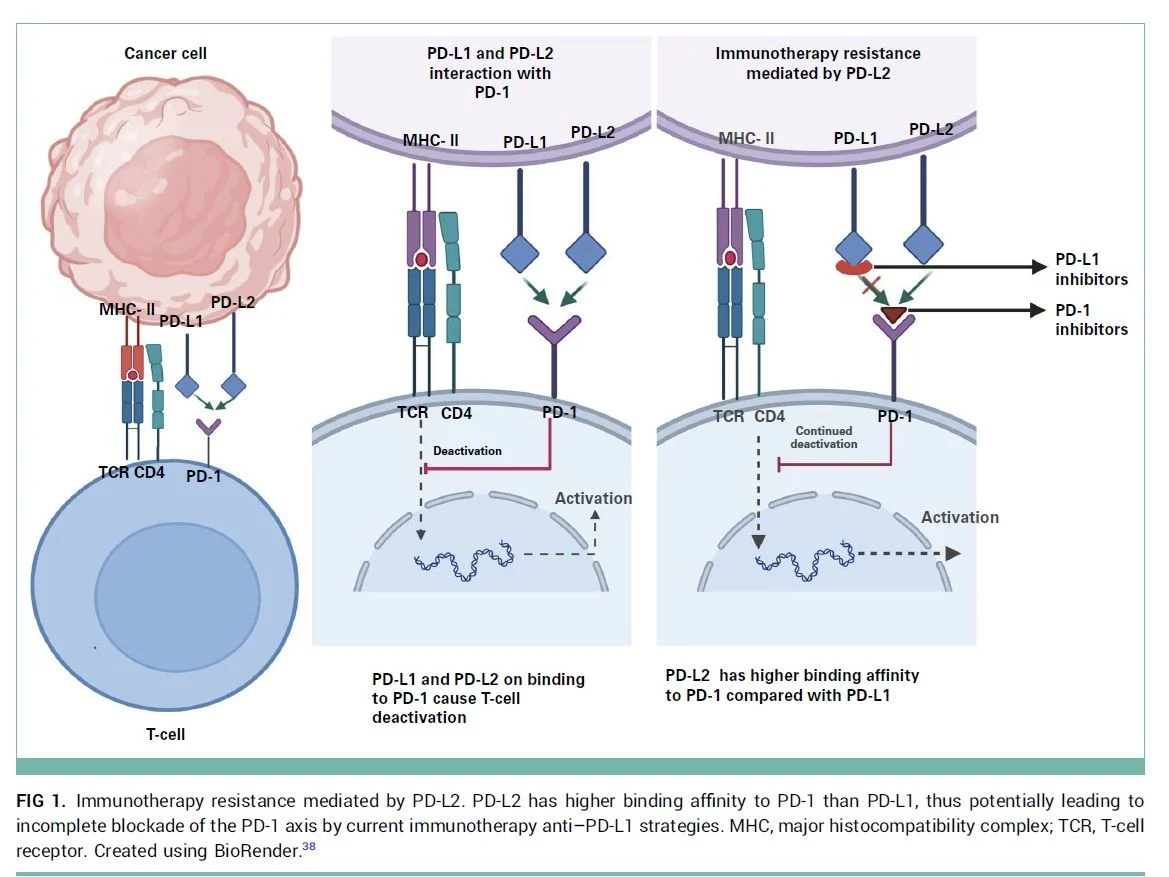
1. Validating the ‘Class-Effect’ Hypothesis. Since 2020, we have argued that anti-PD-1 and anti-PD-L1 agents are NOT alike (with Alfredo Addeo, Alessio Cortellini, Ornella Cantale, Marzia Del Re DOI: 10.4081/oncol.2020.490). The biological rationale is now clearer than ever: PD-L2. While anti-PD-L1 agents (Atezolizumab, Durvalumab) leave the PD-L2/PD-1 interaction intact, anti-PD-1 agents block both ligands. As Patwari et al. demonstrate, PD-L2 has a 2- to 6-fold higher binding affinity to PD-1 than PD-L1. If you leave PD-L2 unblocked, you leave a massive door open for immune escape.
2. From Meta-Analysis to Immunomics. Our 2019 meta-analysis in Frontiers in Oncology (with Alfredo Addeo, Giulio Metro, Massimo Di Maio) already hinted at these nuances in the first-line NSCLC setting. It is gratifying to see that what we observed in clinical outcomes and systematic reviews is now being explained at the transcriptomic level. The ‘class difference’ is no longer just a statistical observation; it’s a biological reality driven by the complex landscape of PD-L2, TIM-3, and CD4.
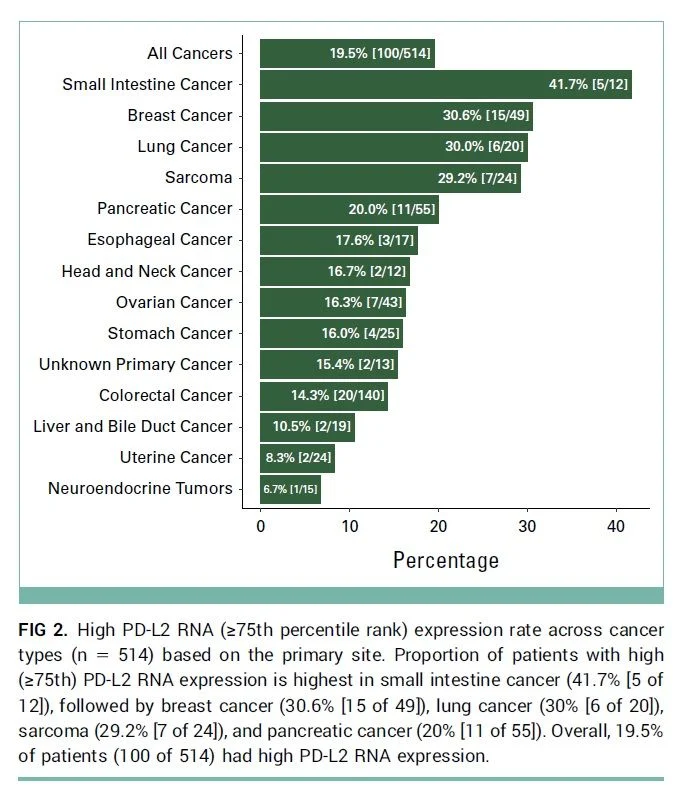
3. Why PD-L1 IHC is a Flawed Compass. The study confirms that PD-L1 IHC is a weak surrogate for the total inhibitory environment (Rho = 0.18). Relying solely on PD-L1 means missing the 19.5% of tumors with high PD-L2 expression – a group that may derive superior benefit from anti-PD-1 based regimens or novel IO-combinations.
As we look toward the future of Thoracic oncology, we must move away from ‘one-size-fits-all’ biomarker silos. We need to integrate the Pan-Checkpoint profile of the patient.
Congratulations to the authors for this landmark analysis and their visionary work.”
Title: PD-L2 Landscape and Correlation With Outcome: An Immunomic Analysis
Authors: Anannya Patwari, Daisuke Nishizaki, Taylor Jensen, Paul DePietro, Sarabjot Pabla, Shumei Kato, Razelle Kurzrock
Read the Full Article on Journal of Clinical Oncology

More posts featuring Giuseppe Banna.