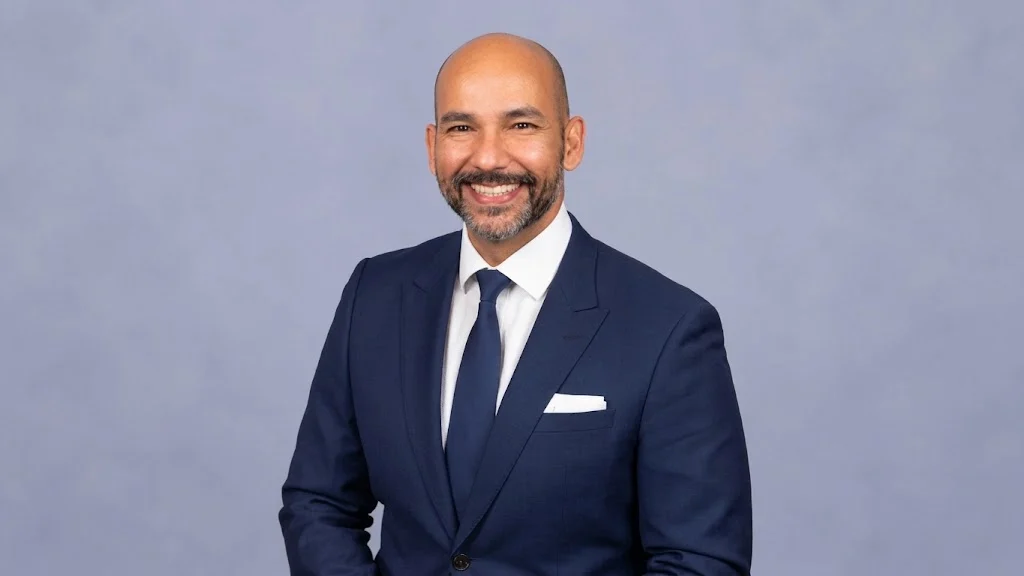
Gilberto Lopes, Chief of the Division of Medical Oncology at the Sylvester Comprehensive Cancer Center, shared on LinkedIn:
“A T-shirt, six C’s, a Nobel Prize, and the power of investing in science.
November is Lung Cancer Awareness Month.
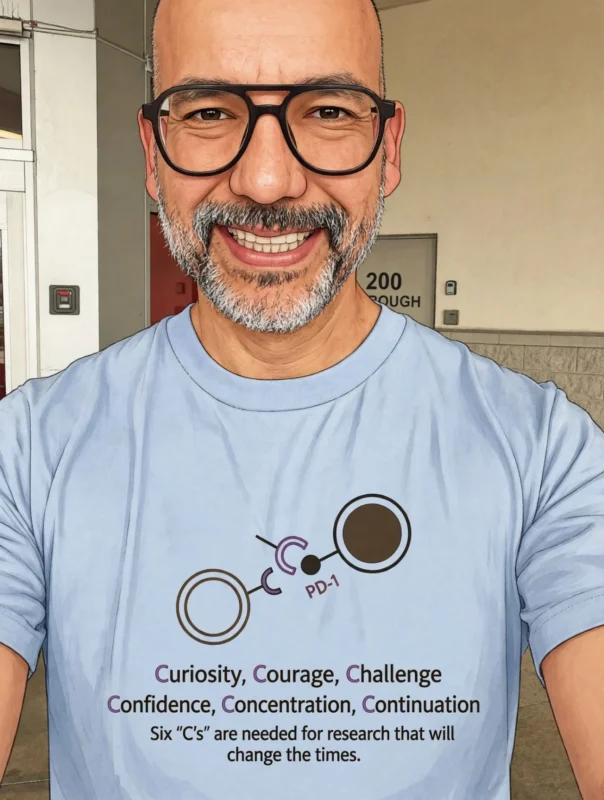
During my trip to Asia this September for the World Conference on Lung Cancer (WCLC) and UICC meetings, I picked up this T-shirt from UNIQLO.
The design was created in collaboration with Professor Tasuku Honjo, who shared the 2018 Nobel Prize in Physiology or Medicine with James P. Allison for discoveries that made immune checkpoint therapy possible.
The shirt illustrates the PD-1 pathway and carries his six C’s of scientific research:
Curiosity. Courage. Challenge. Confidence. Concentration. Continuation.
I particularly appreciate the last one. Scientific progress requires persistence, often over decades, before a biological discovery translates into something that improves patients’ lives.
When I began my career in oncology, we had relatively few effective treatments for metastatic lung cancer. Chemotherapy could help some patients, but long-term survival remained uncommon.
That has changed substantially. Research into how cancer cells evade immune attack led to treatments that improved survival for many patients.
In 2018, I had the privilege of presenting KEYNOTE-042 at the ASCO Plenary Session. The trial showed that targeting PD-1 could improve overall survival compared with chemotherapy in selected patients with advanced non-small-cell lung cancer. It was one of the most meaningful moments of my professional life – and the culmination of decades of effort by scientists, investigators, research teams, and patients.
Immunotherapy has since moved into earlier stages of lung cancer and improved outcomes in several settings. But not everyone benefits. Resistance, toxicity, and unequal access remain major challenges.
There is also a broader lesson about how societies invest in science.
Breakthroughs require sustained investment in basic research, universities, publicly funded science, biotechnology, pharmaceutical development, clinical trials, and effective regulatory institutions. Many experiments fail, and eventual benefits are often impossible to predict at the outset. That uncertainty is precisely why long-term investment matters.
And innovation is not the end of our responsibility. Effective treatments must reach those who need them, wherever they live.
As we recognize Lung Cancer Awareness Month, I would respectfully add a seventh C to Professor Honjo’s six:
Coverage.
Because the full promise of scientific progress is realized only when its benefits reach patients.”
You can also read: Neoadjuvant Immunotherapy Linked to Improved Five-Year Survival in Resected NSCLC: Real-World Study Supports Long-Term Benefit Without Increased Surgical Morbidity