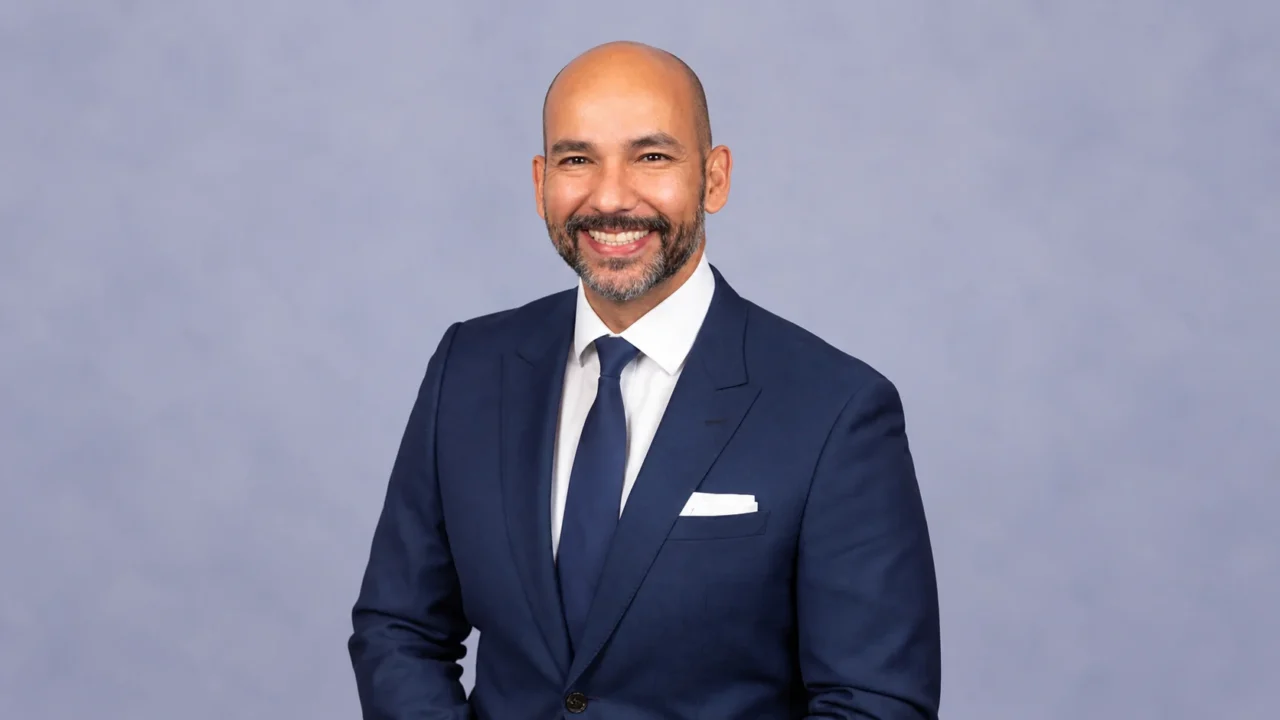
Gilberto Lopes, Chief of the Division of Medical Oncology at the Sylvester Comprehensive Cancer Center, shared on X:
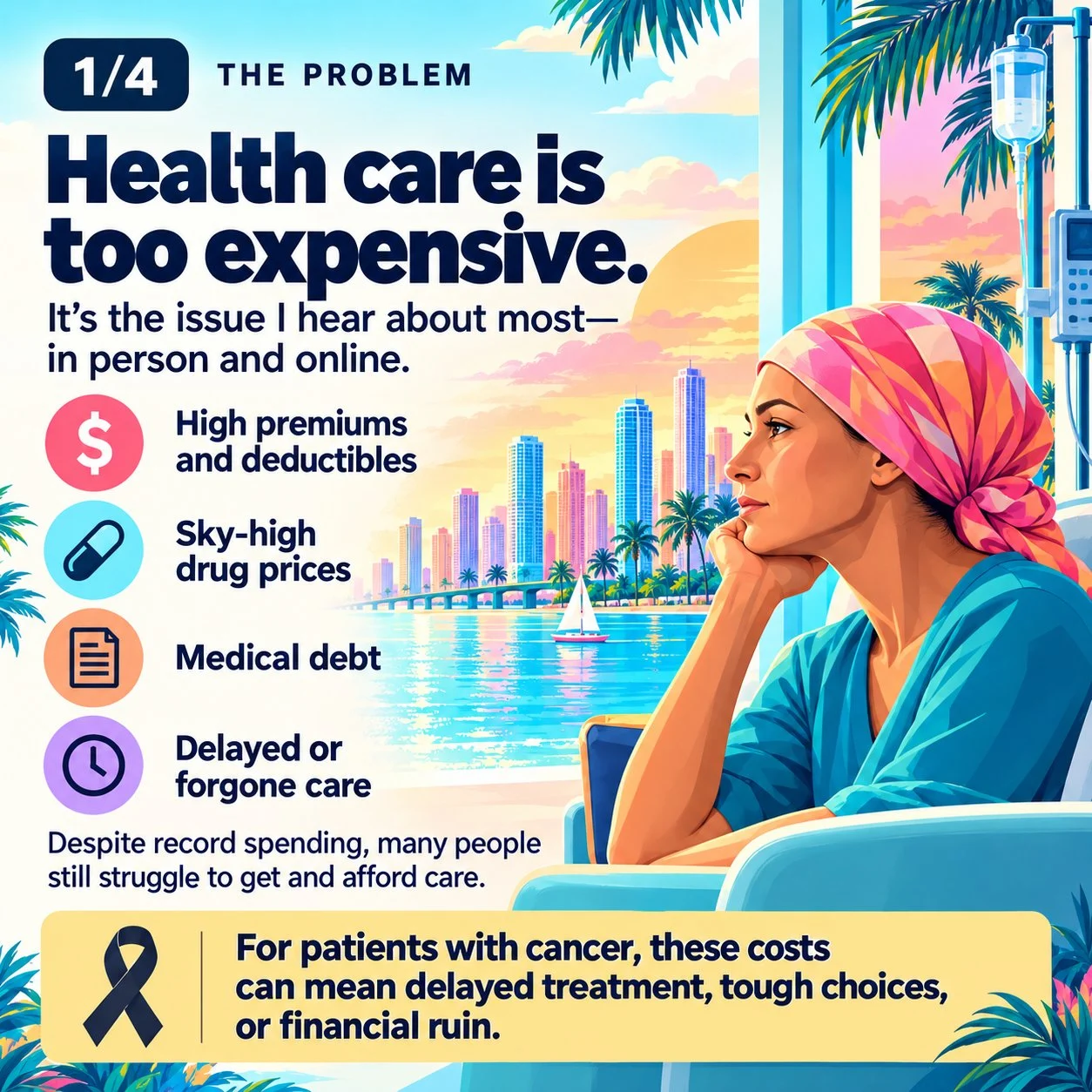
“Health care affordability is the issue I hear about the most, both in person and online.
High premiums, deductibles, drug prices and medical debt, despite record spending.
For people living with cancer, these can mean delayed care or financial ruin. As an illustration, here is a piece I contributed to Univision (in Spanish).
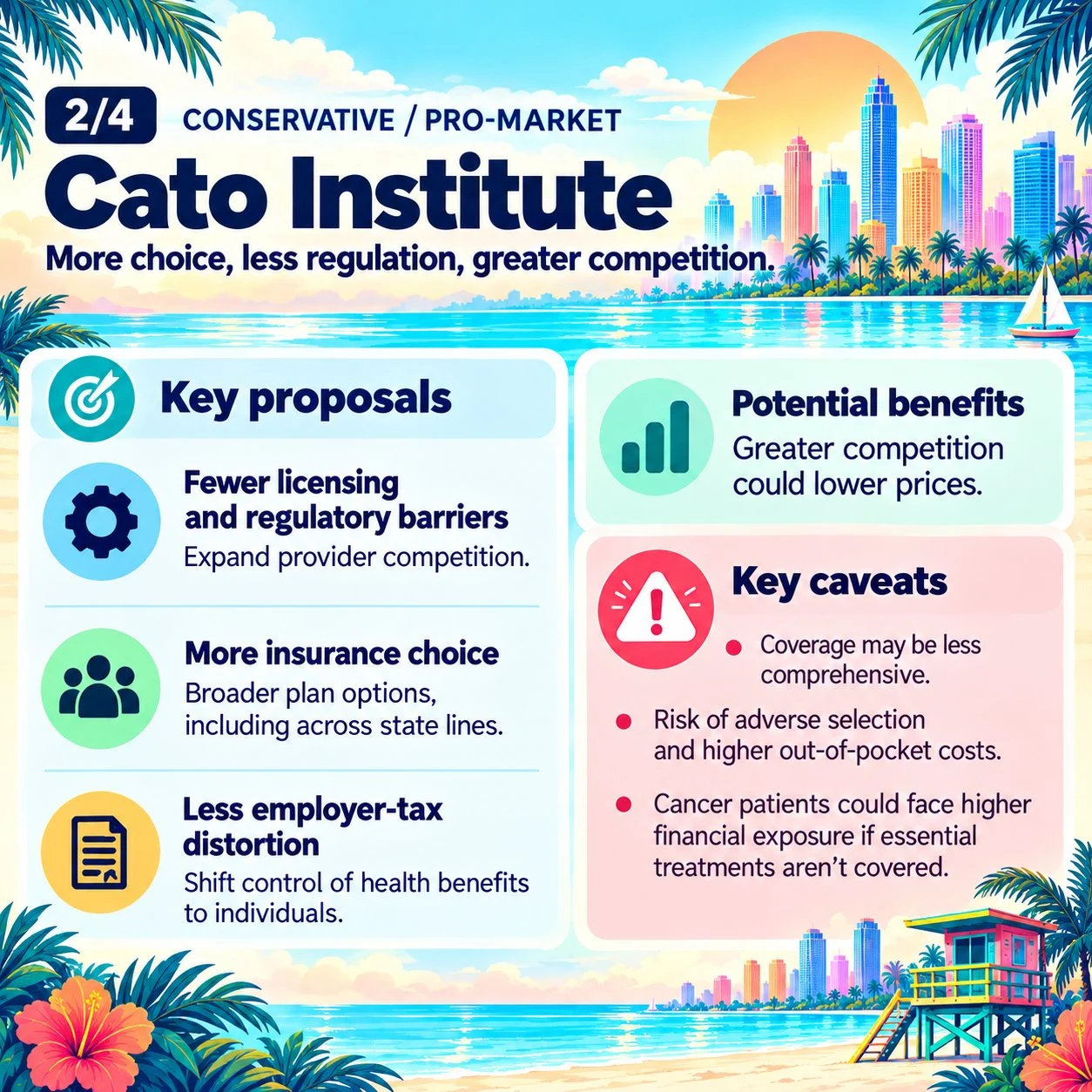
Pro-market—Cato Institute
Proposes:
- Fewer licensing barriers
- More insurance choice
- Less employer-tax distortion
Potential: competition, lower prices.
Risks: inadequate coverage, adverse selection, higher financial exposure for cancer patients.
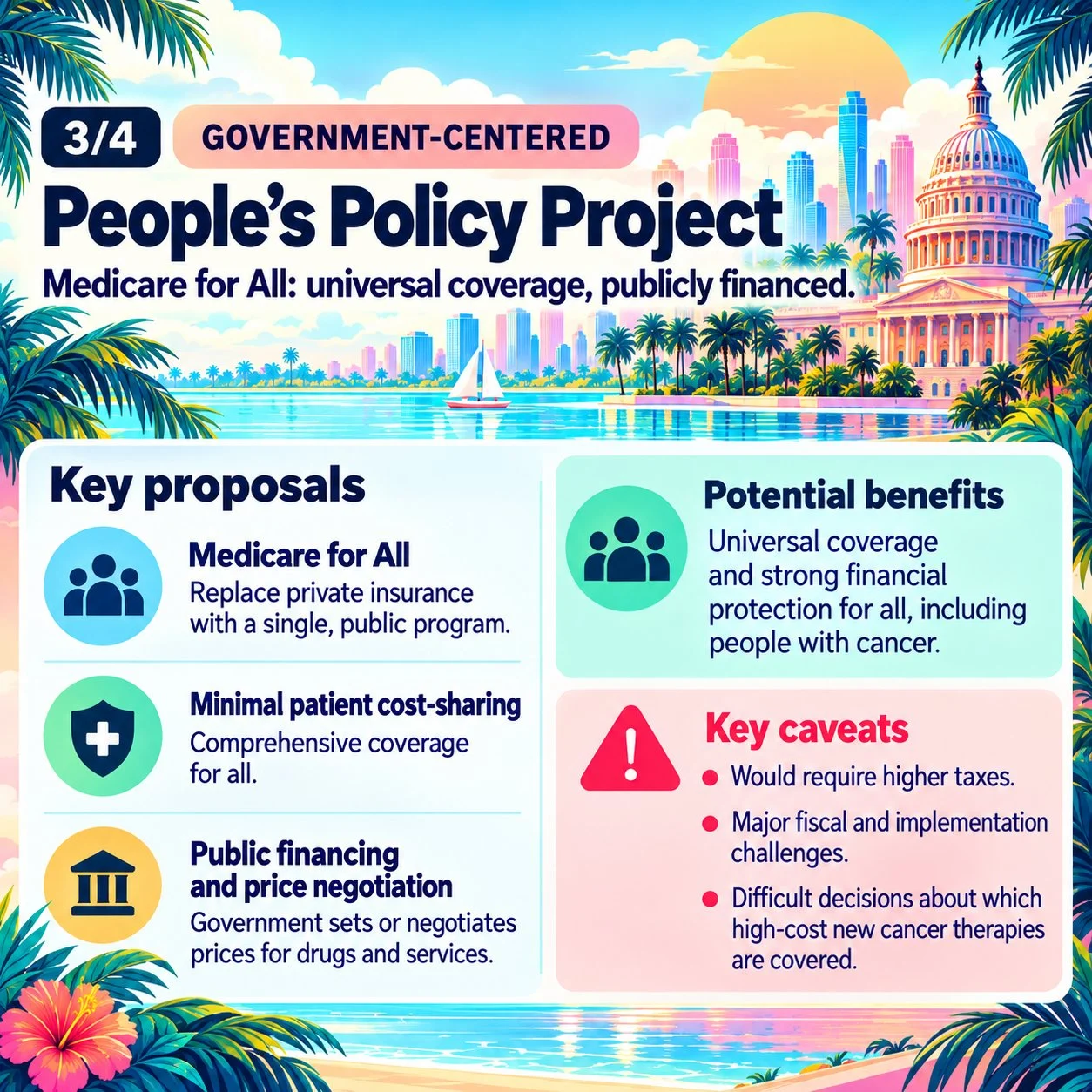
Government-centered, Liberal
Proposes:
- Medicare for All
- Minimal patient cost-sharing
- Public financing and price negotiation
Potential: universal protection.
Risks: higher taxes, fiscal pressures, difficult decisions on coverage of new cancer therapies.
Middle approach—Urban Institute
Proposes:
- Expand ACA subsidies
- Automatic enrollment
- Cap provider payments
Potential: broader coverage, lower bills. Risks: federal costs, provider resistance, continued complexity.
The test: affordable, timely cancer care without financial ruin.
How should we decide?
Less ideology, more evidence.
Let’s judge each proposal on:
- Access and quality
- Affordability and financial protection
- Sustainability and innovation
Who benefits? Who pays? Who is left behind? We need a serious national debate—not slogans. Patients deserve solutions, not political victories.”
You can also read: Gilberto Lopes: Key Insights from ESMO 2026