George Kumar, Senior Director of Medical Diagnostics, Pan Tumor and GI Cancers at AstraZeneca, shared a post on LinkedIn about a recent article by Karl Björkström et al. published in Journal of the National Cancer Institute:
“Game-Changer in Melanoma Treatment: Lower Dose of Ipilimumab Proves More Effective and Safer
A critical study involving nearly 400 patients with advanced, inoperable malignant melanoma has yielded compelling evidence that a lower-dose regimen of the immunotherapy drug ipilimumab offers significantly better efficacy and improved safety compared to the traditional dose.
The findings challenge established protocols and suggest a major shift in the standard of care for the most serious form of skin cancer.
Key Results and Clinical Impact:
- Higher Response Rate: The lower-dose group saw a 49% patient response rate, compared to 37% in the traditional dose group.
- Improved Survival:
- Progression-Free Survival (PFS): A median of 9 months for the lower dose versus 3 months for the traditional dose.
- Overall Survival (OS): An impressive median of 42 months for the lower dose versus 14 months.
- Significantly Reduced Toxicity: Serious side effects were seen in only 31% of the low-dose group, compared to 51% in the traditional group.
Why the Improvement?
The reduced toxicity of the lower dose is hypothesized to allow more patients to continue treatment for a longer duration, which likely contributes to the observed improvements in survival.
As researcher Hildur Helgadottir notes, these new immunotherapies are valuable but can cause serious side effects. This lower dosage offers a pathway to maximize the therapeutic benefit while minimizing risk.
This retrospective observational study, conducted in collaboration with the Sahlgrenska Comprehensive Cancer Center, highlights a promising strategy to optimize dosage and potentially extend the lives of patients battling advanced melanoma.
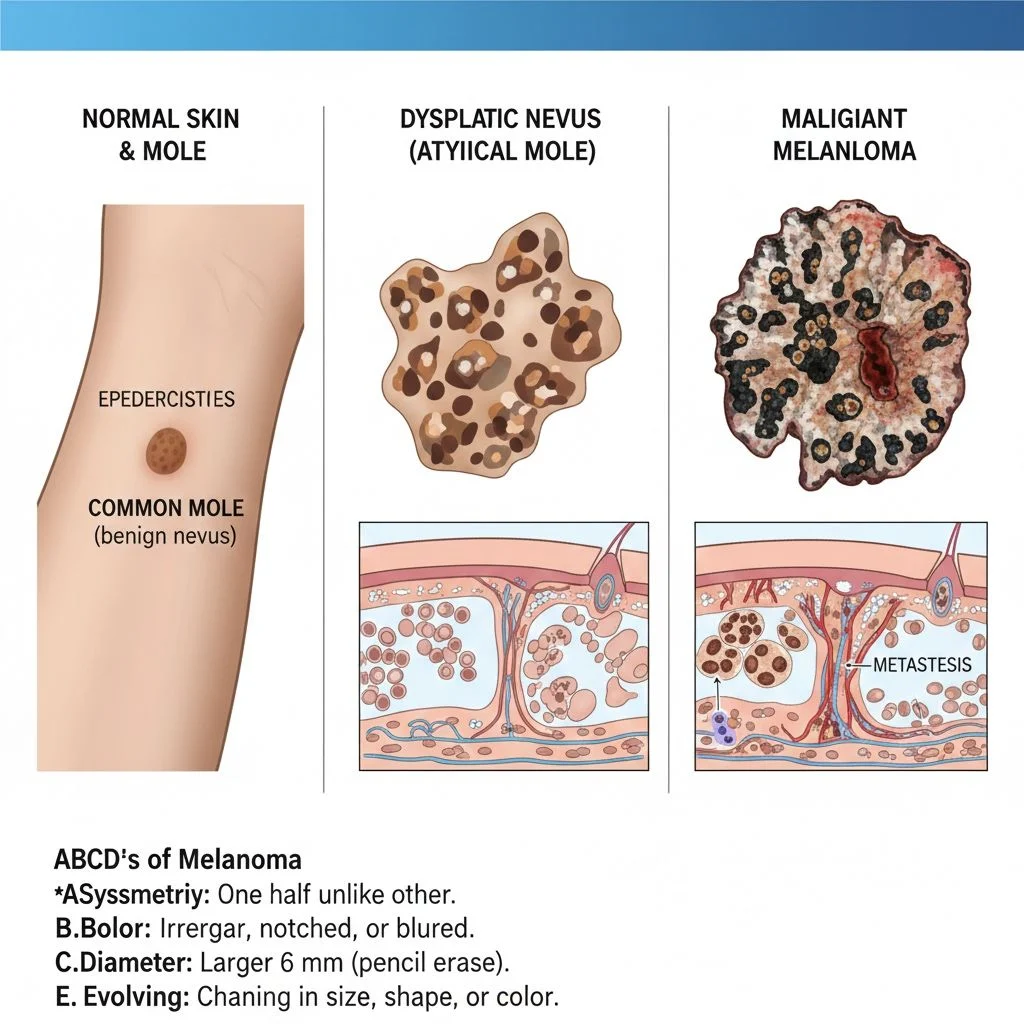
Figure: Google Gemini”
Title: Evaluation of the flipped dose NIVO3+IPI1 in patients with advanced unresectable melanoma
Author: Karl Björkström, Cissi Liu, Anna Fager, Lisa Liu, Lars Ny, Hildur Helgadottir
Read the Full Article on JNCI: Journal of the National Cancer Institute
More posts featuring George Kumar.