





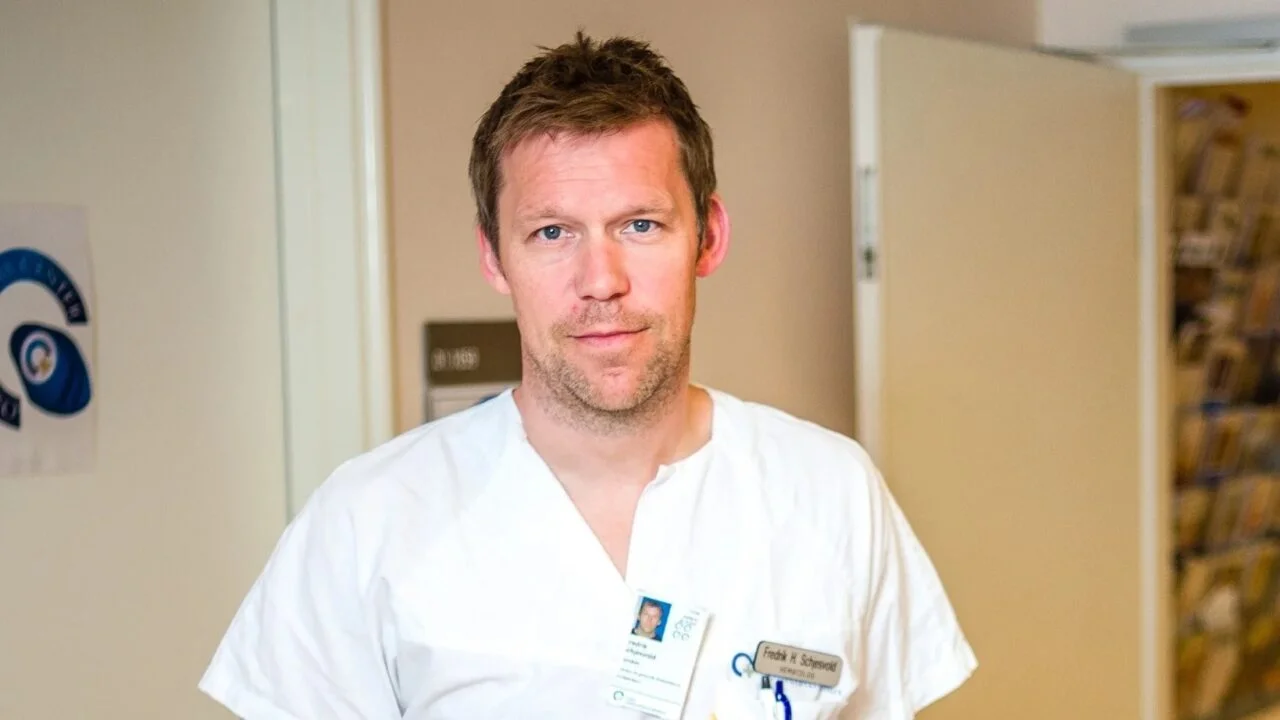
Fredrik Schjesvold, Head of Oslo Myeloma Center at Oslo University Hospital (RH), shared a post on LinkedIn:
“Was at a meeting with the Cancer Mission Hub today, where one of the topics was clinical trials. We will once again double the number of studies, and become world-class in clinical trials.
Unfortunately, this is not going to happen; We don’t even pick the low-hanging fruit.
Here are 3 examples of low-hanging fruit, and two other issues, but none of these are willing to do anything about.
1. SALARY LADDER for study nurses. This sounds small, but it is very important for centers that conduct clinical trials. Today, it is the case at Oslo University Hospital that a newly employed nurse with no experience of clinical trials can have several tens of thousands more in salary than the experienced study nurse who is responsible for the training.
This is because OUS refuses to adjust salary after employment, even though their own procedure allows for this. The result of this is that experienced study nurses are lost because they feel, and are, treated unfairly. The Cancer Clinic has been talking about implementing a salary ladder for at least 5-6 years, but nothing happens. At the same time, the profits from clinical trials are confiscated each year for the actual hospital operations.
2. REGULAR EXAMINATIONS/PROCEDURES in academic studies should be paid for within the framework of the hospital. We all know that the number of study patients is vanishingly small, and that if patients were not in studies, they would have undergone examinations and had treatment covered by the hospitals.
Ever higher payment requirements for common procedures such as echocardiography, radiological examinations and apheresis mean that academic studies are becoming more and more difficult to finance and carry out. The HOD should follow its own guideline where they instruct that clinical trials should be integrated into normal operations, and instruct the hospitals that in academic studies, regular studies are paid for by the framework funding.
3. Stop new INDUSTRIAL COOPERATION PROCEDURE. It is a well-known fact that industrial collaboration is what attracts clinical industry studies. OUS is now in the process of introducing restrictions and bureaucratization of this from 2026, with a new procedure with uncertain legality. If this is introduced, it will lead to a reduction in industry collaboration with a subsequent reduction in the number of clinical trials.
Then the last two issues
1. REALIZE THAT CLINICAL TRIALS TAKE PLACE. In order to operate a center with clinical trials, it is completely dependent on the co-location of patients, nurses, doctors and other personnel. Study nurses need their own office space, and proximity to the patients. The new National Hospital is not designed for this, nor does it have space. This is more difficult to solve, but one possibility is to proactively investigate opportunities by Oslo Science Hub
2. REALIZE THAT CLINICAL TRIALS SAVE MONEY. It is well documented that with income from clinical trials and at the same time free drugs, clinical trials are an economic plus activity. However, it requires positions that work with this, and it hardly exists today. Each department and each section should be measured on this.”
More posts featuring Fredrik Schjesvold on OncoDaily.