Olubukola Ayodele, Breast Cancer Lead at University Hospitals of Leicester NHS Trust, shared a post on LinkedIn:
“The treatment landscape for metastatic breast cancer has changed rapidly in recent years. For those with HR+/HER2- disease, the most common subtype, we now have more options than ever to help patients live longer and maintain a good quality of life.
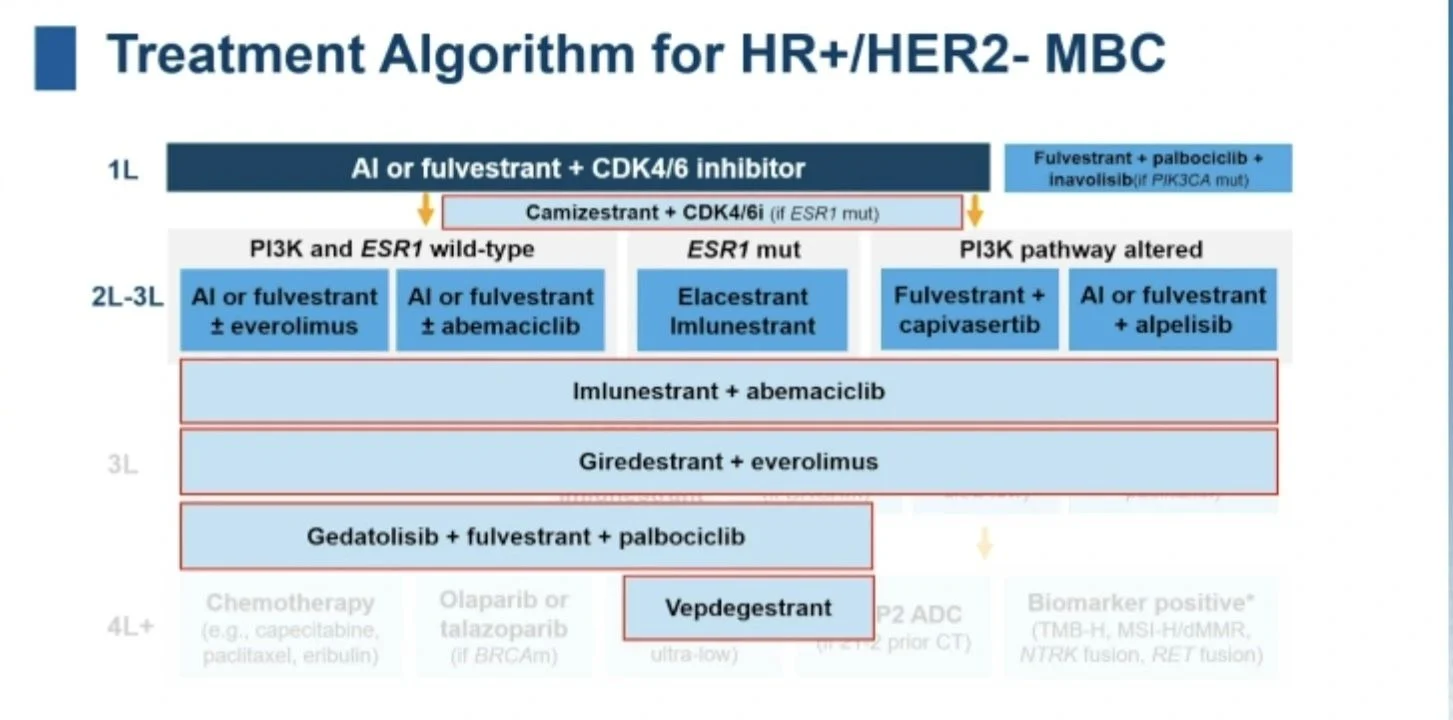
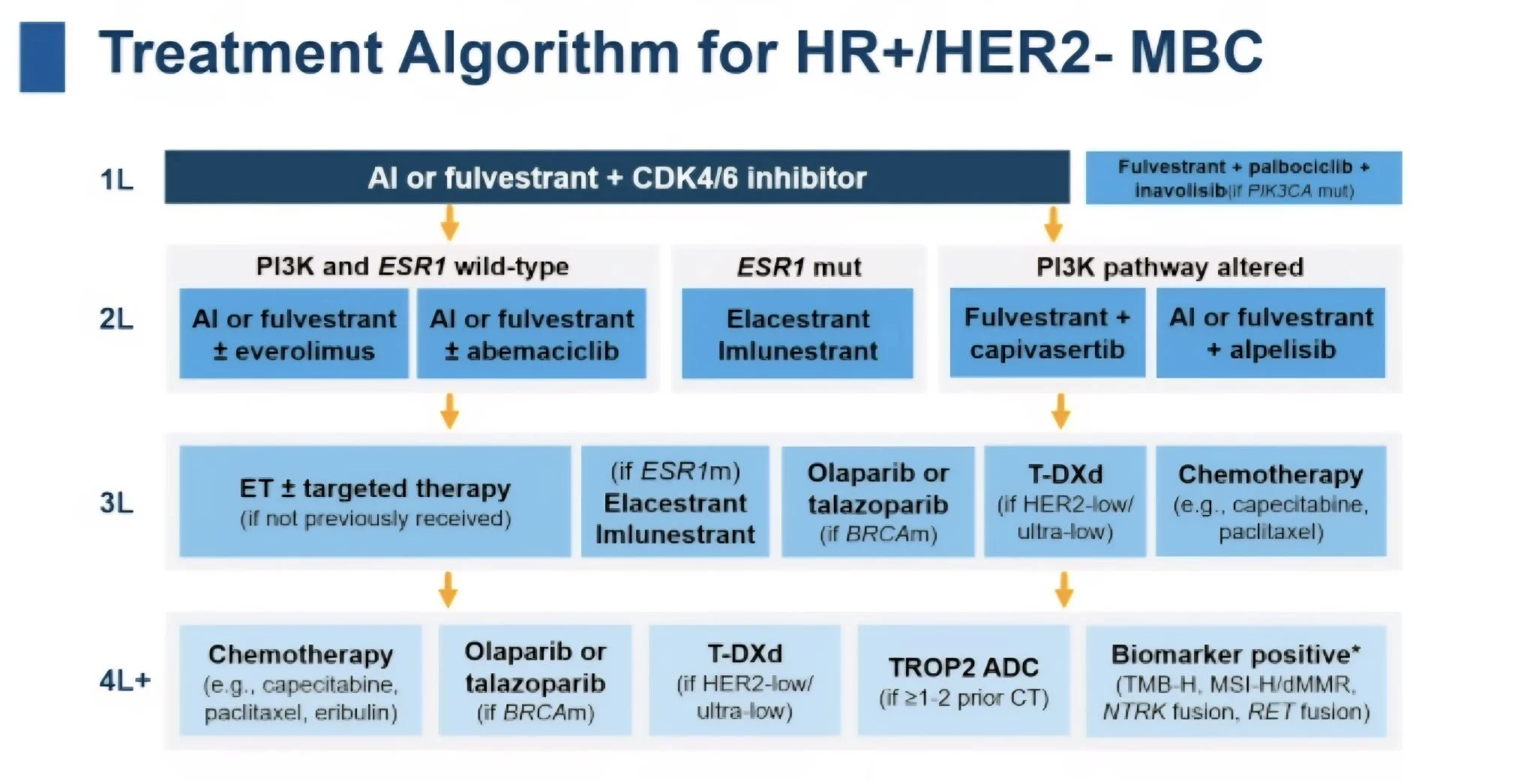
Here’s a simple breakdown of the current FDA-approved treatment approach:
1st Line
- Aromatase inhibitor (AI) or fulvestrant + a CDK4/6 inhibitor
- Fulvestrant + palbociclib + inavolisib
- For PIK3CA-mutant cancers progressing during or within 12 months of adjuvant endocrine therapy
2nd Line
Depends on biomarkers
If no actionable mutation
- AI or fulvestrant ± everolimus
- AI or fulvestrant ± abemaciclib
If ESR1 mutation
- Elacestrant
- Imlunestrant
If PIK3CA/AKT/PTEN alteration
- Fulvestrant + capivasertib
- Fulvestrant + alpelisib
3rd Line
- Further endocrine therapy ± targeted therapy (if not previously used)
If ESR1 mutation
- Elacestrant
- Imlunestrant
If germline BRCA (gBRCA) mutation
- Olaparib
- Talazoparib
If HER2-low or ultralow
- Trastuzumab deruxtecan (T-Dxd)
- Chemotherapy
4th Line and Beyond
- Chemotherapy
- PARP inhibitors for gBRCA mutations
- T-Dxd for HER2-low/ultralow
- Sacituzumab govitecan (after at least 1–2 lines of prior chemotherapy)
- Targeted therapy for any actionable biomarkers: TMB-H, MSI-H/dMMR, NTRK/RET/ROS1 fusions
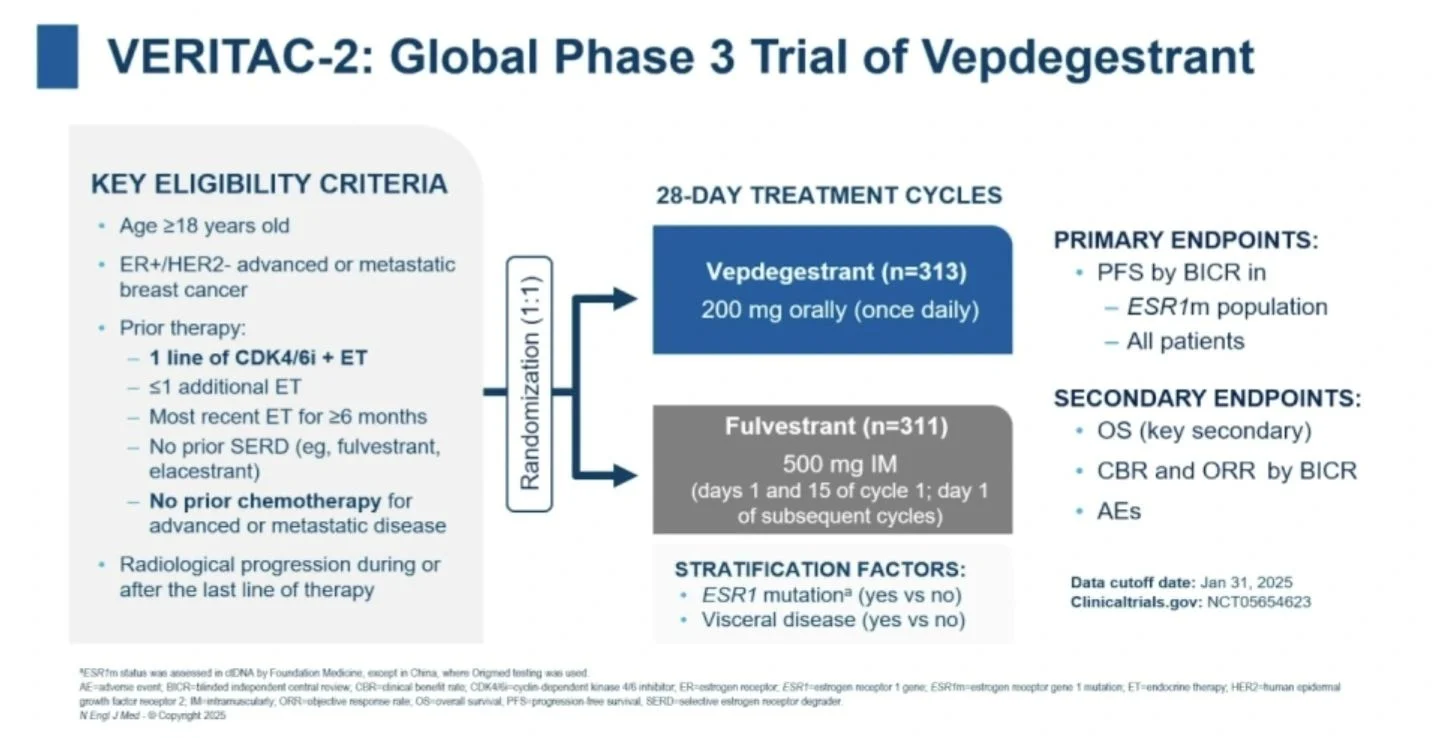
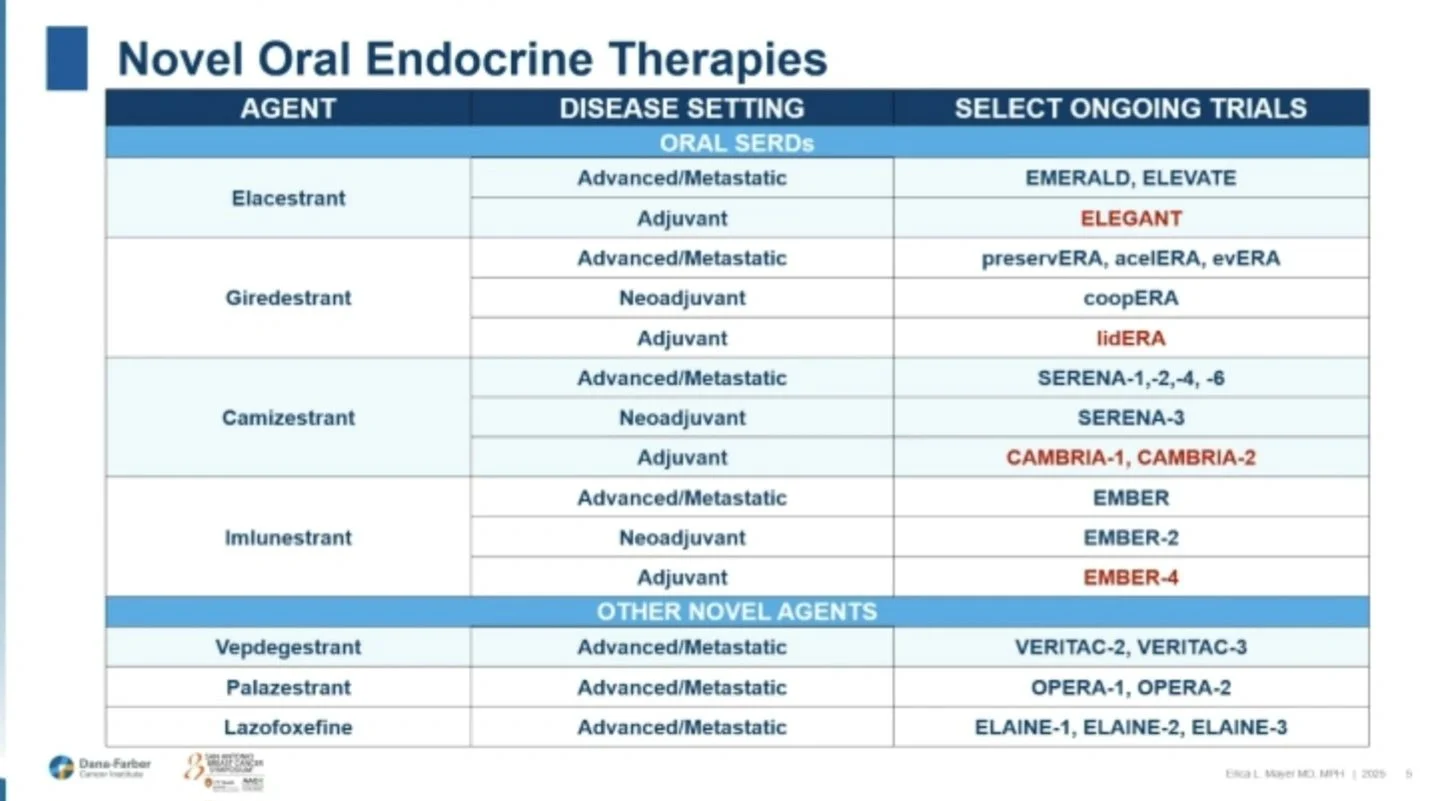
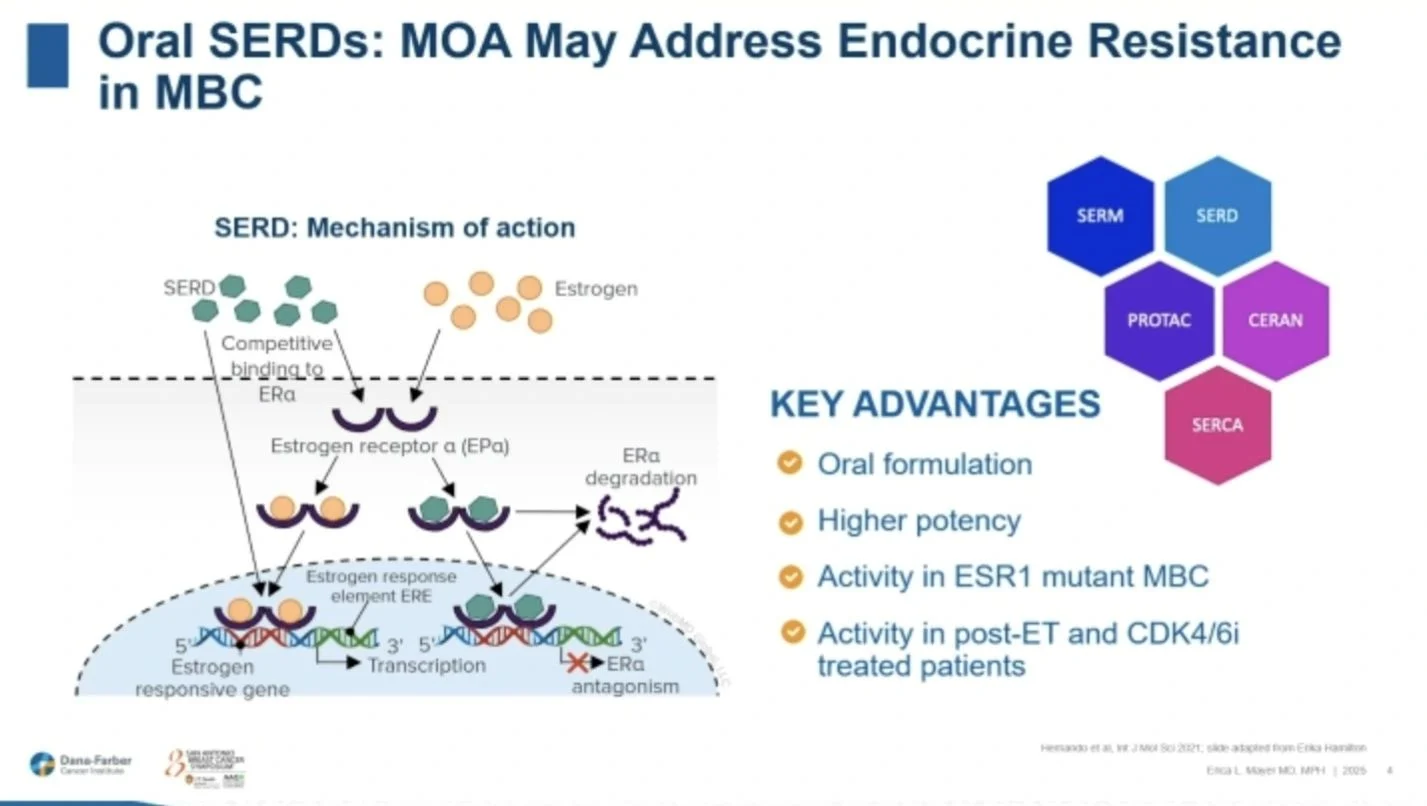
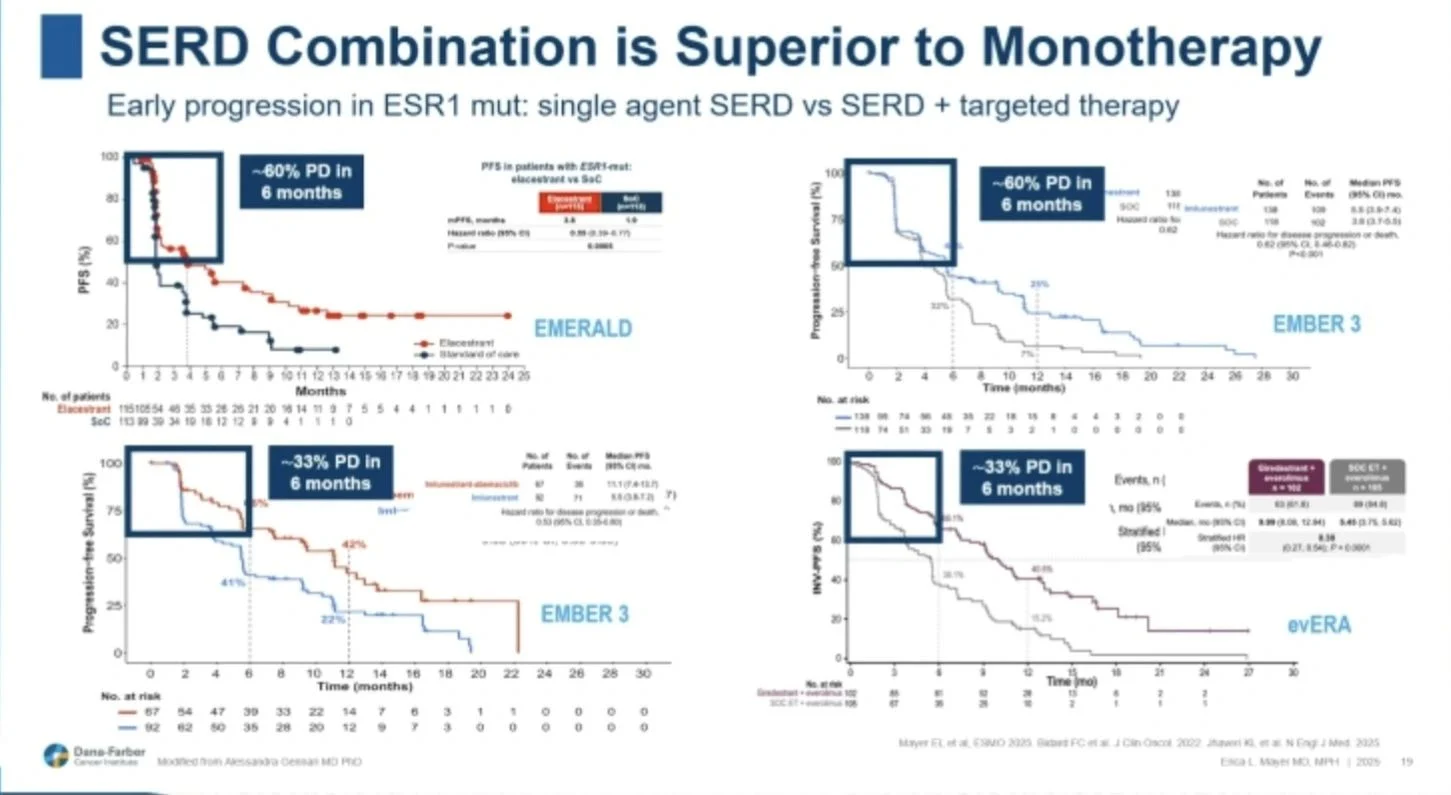
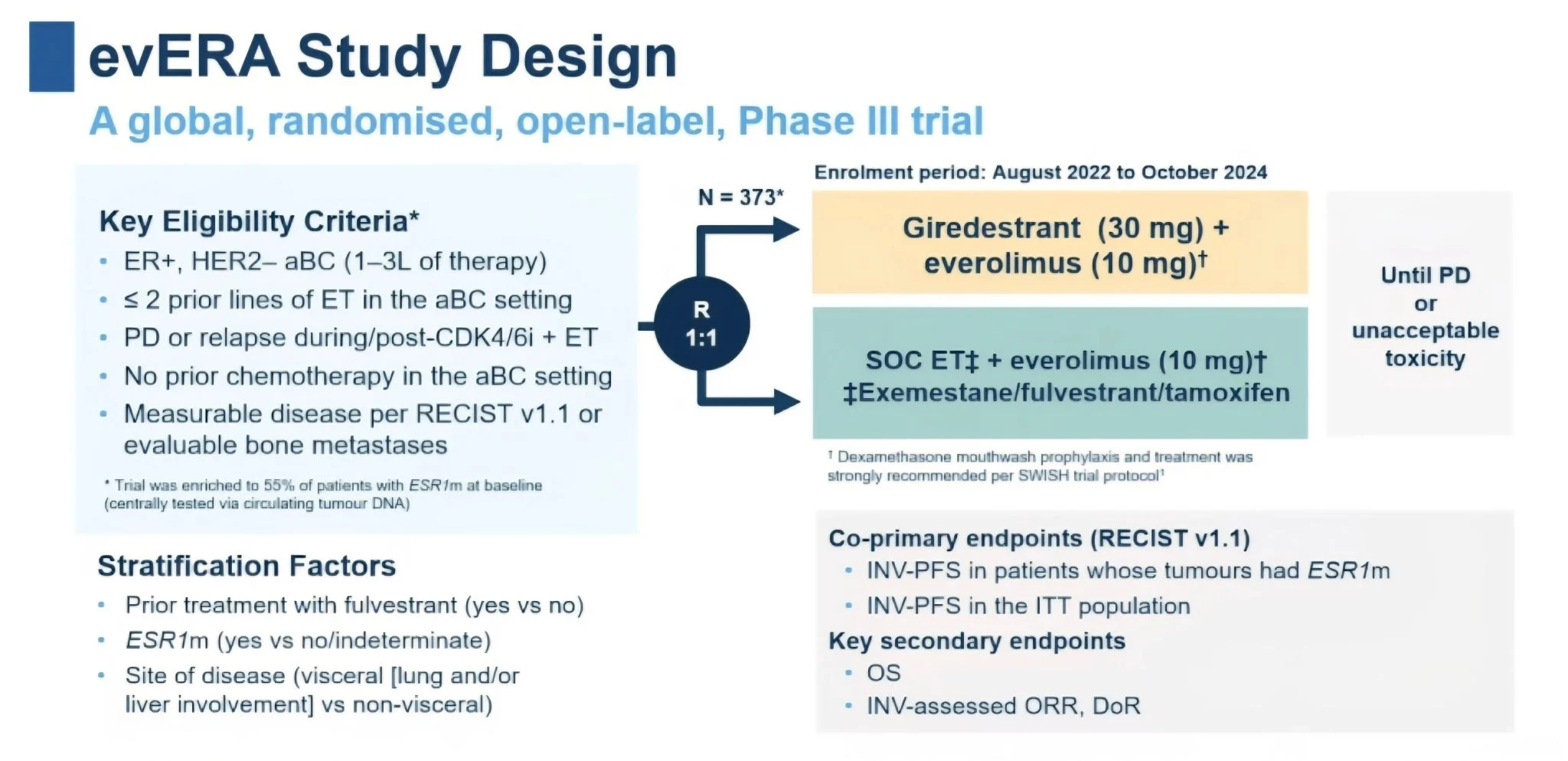
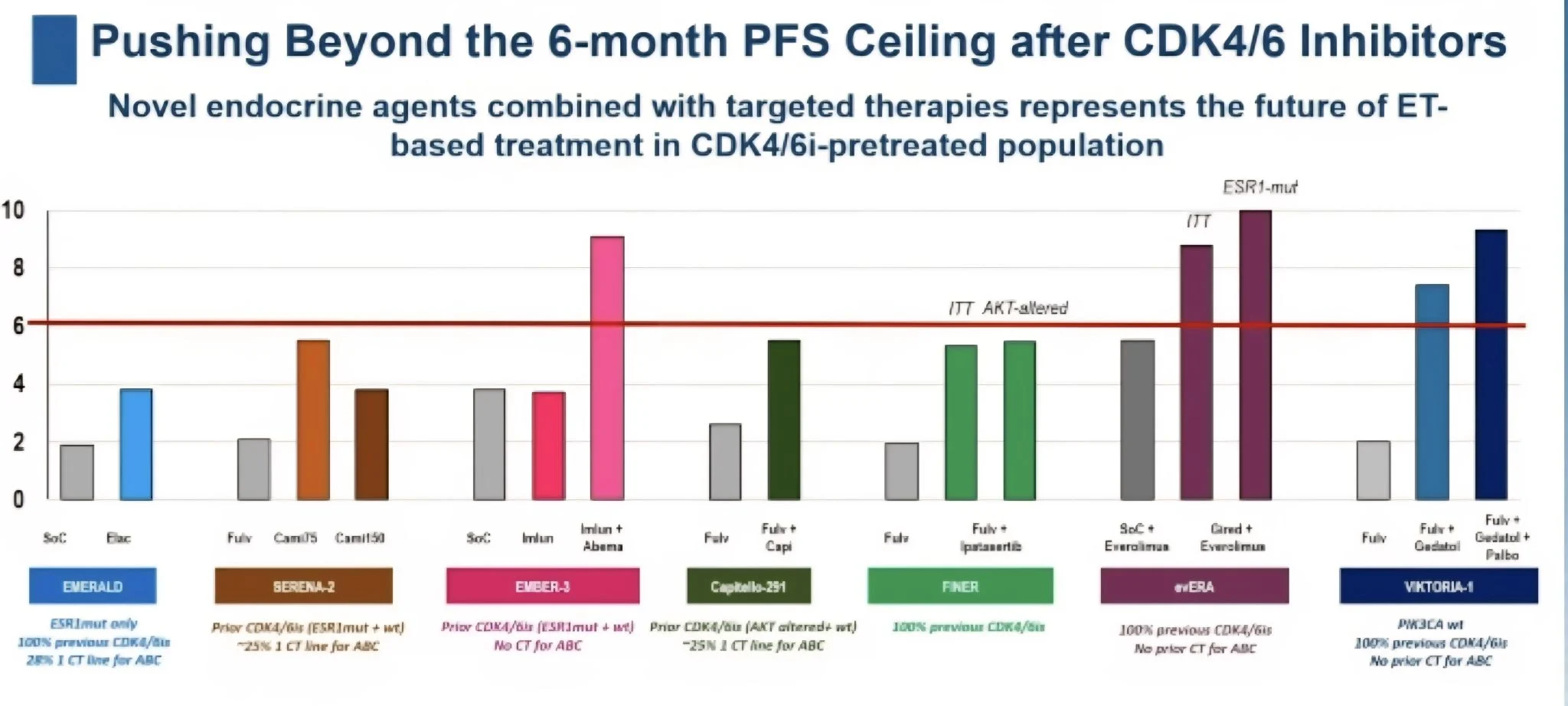
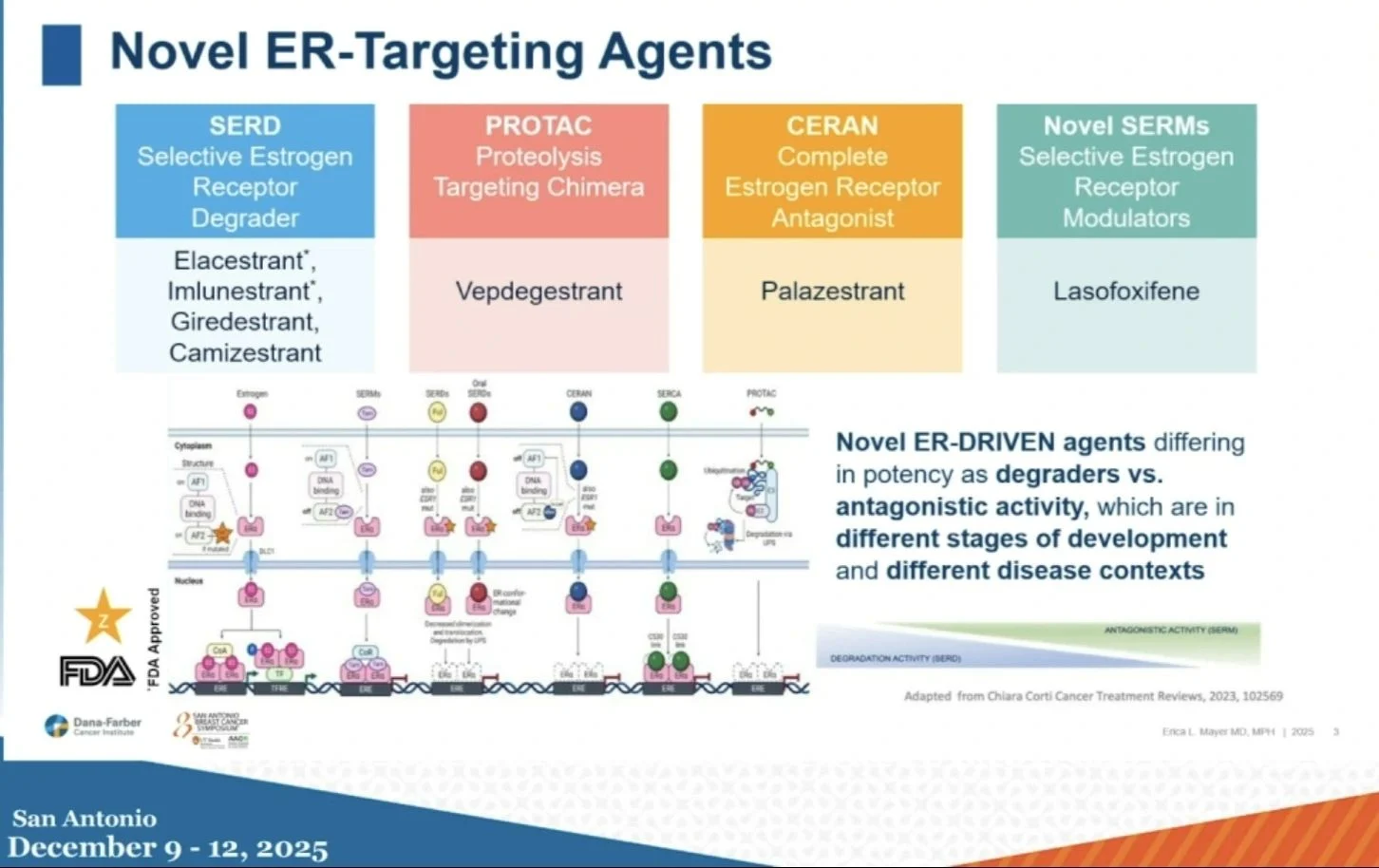
This landscape is potentially going to change shortly with the advent of combinations of targeted agents and novel oral endocrine therapies, with the recent data from ASCO2025, ESMO25 and SABCS25, so watch this space.
It is very important to routinely offer clinical trials, if available, at any line of treatment.
The key message:
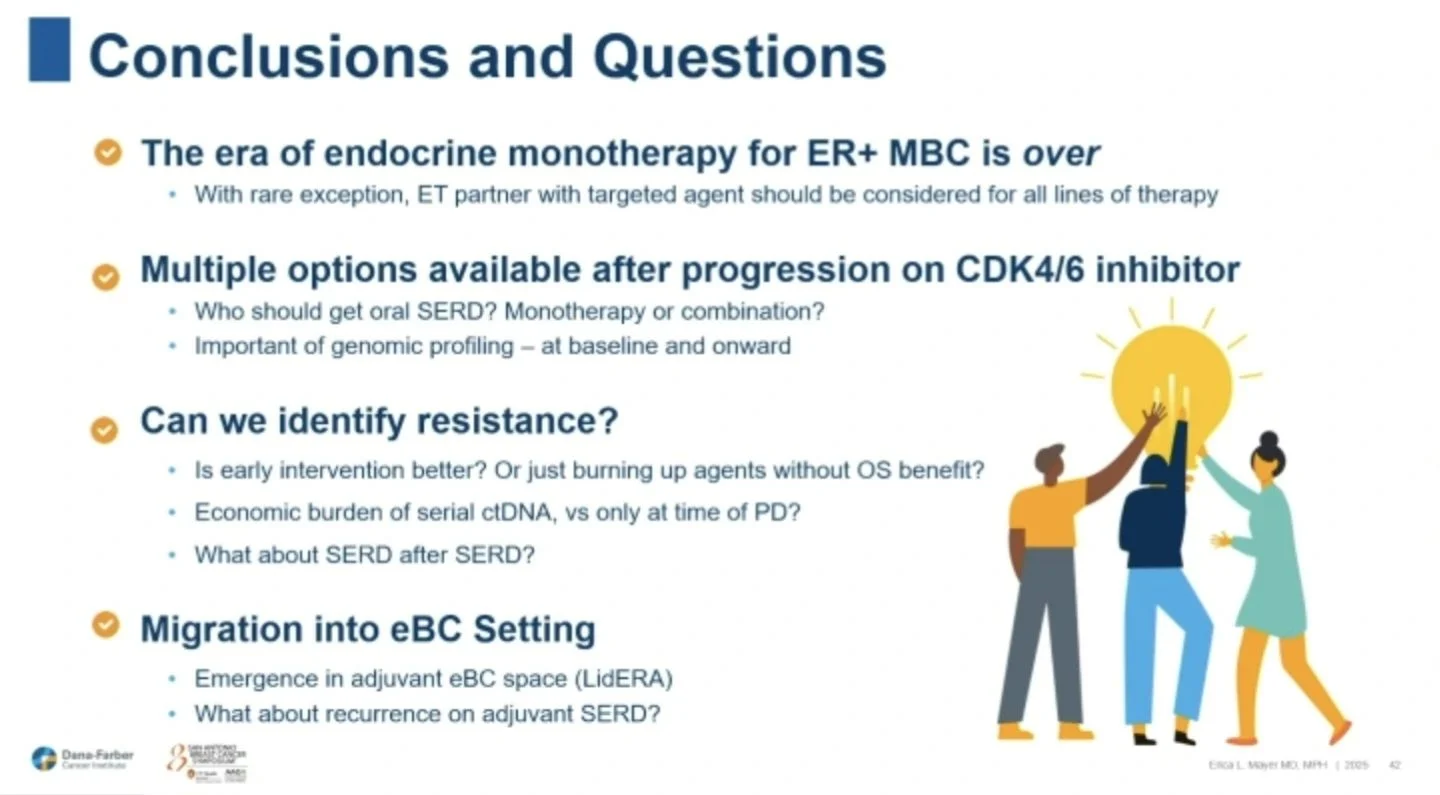
Test early, test widely, and personalise treatment. Molecular profiling now shapes nearly every decision we make. Each step can offer meaningful benefit when matched carefully to the patient’s disease biology, prior therapies and goals.
Science is changing, and we all need to get on board.”
More posts featuring Olubukola Ayodele.