In Latin America, a survivor-led initiative is changing how survivorship is understood and supported. Faros de Vida (“Lighthouses of Life”), the Childhood Cancer International (CCI) LATAM survivor network, bridges lived experience with high-level clinical guidance.
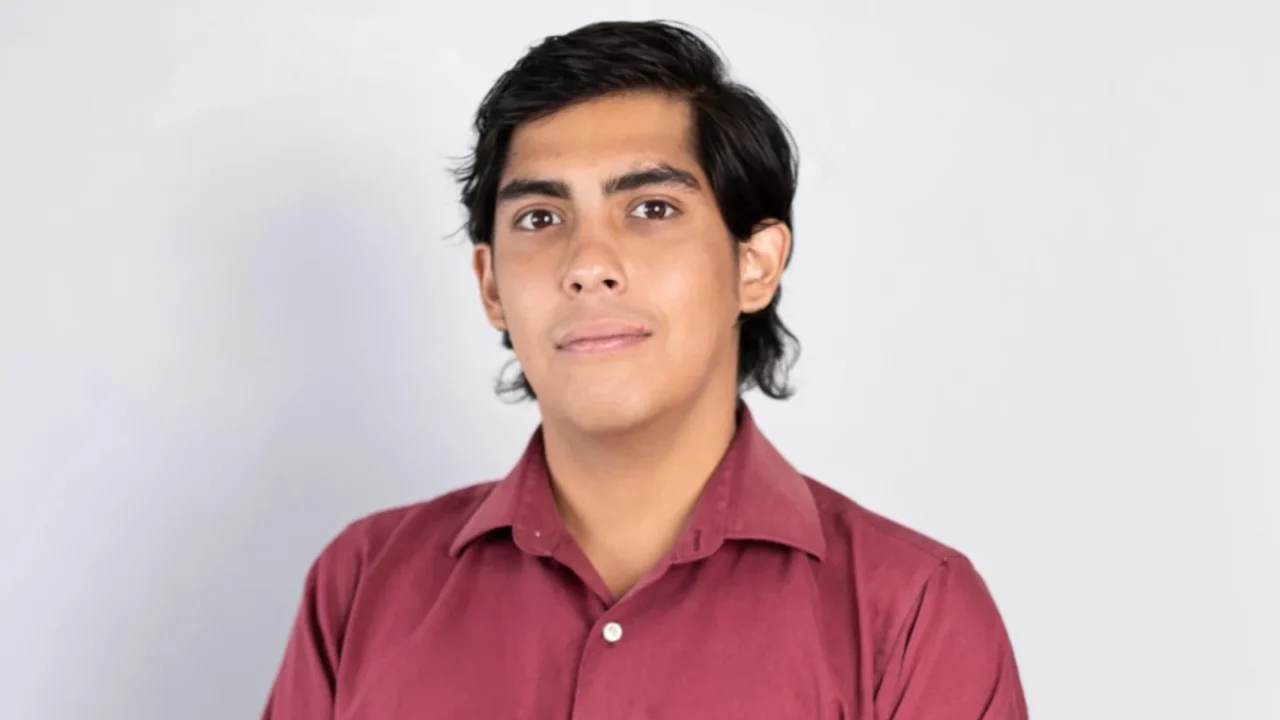
To understand how this movement began, its current impact, and its vision for the future, we spoke with Carlos Frías (Mexico), survivor leader and member of the network’s leadership team.
What do you remember about the first spark of Faros de Vida, and what was the main unmet need identified at that time?
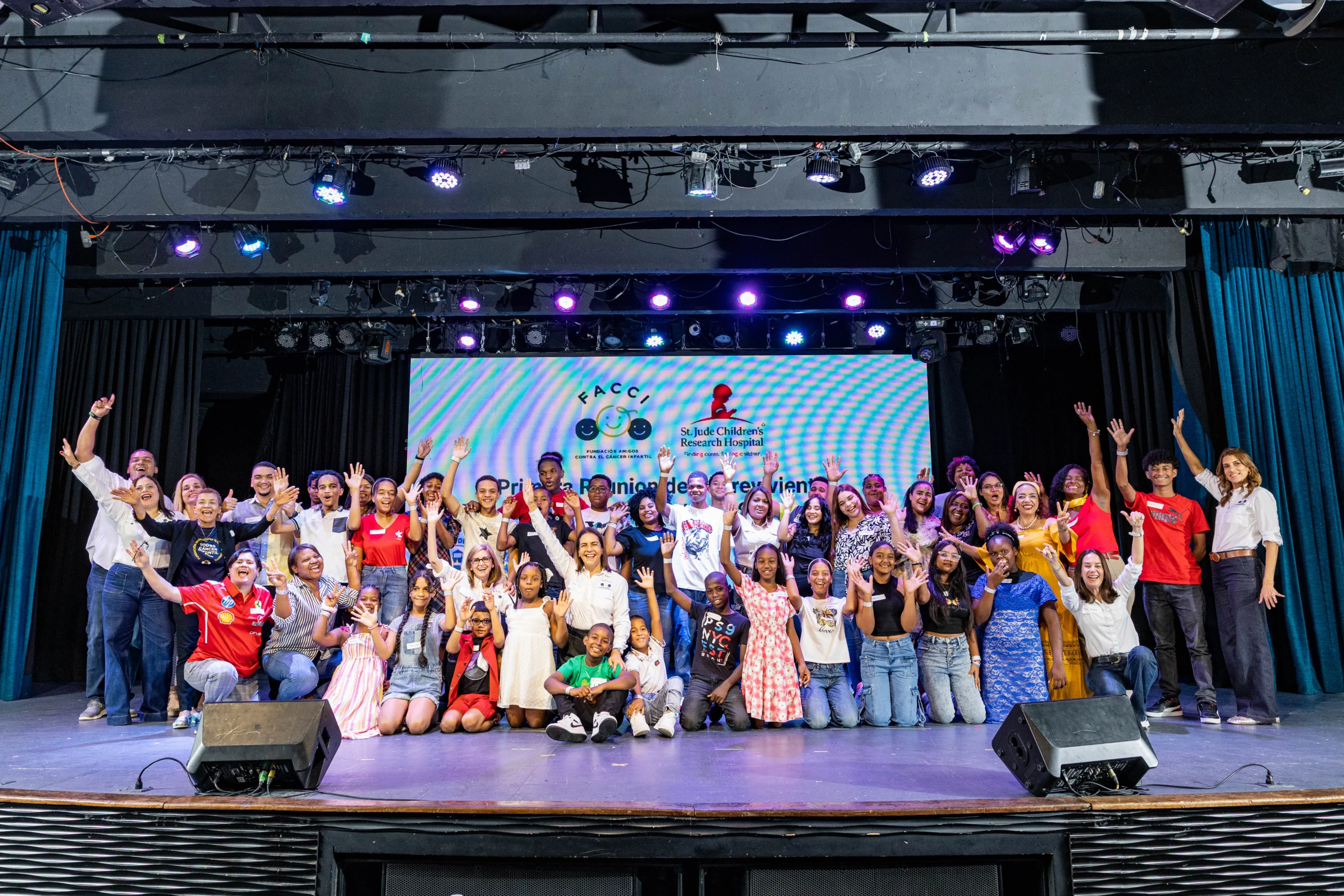
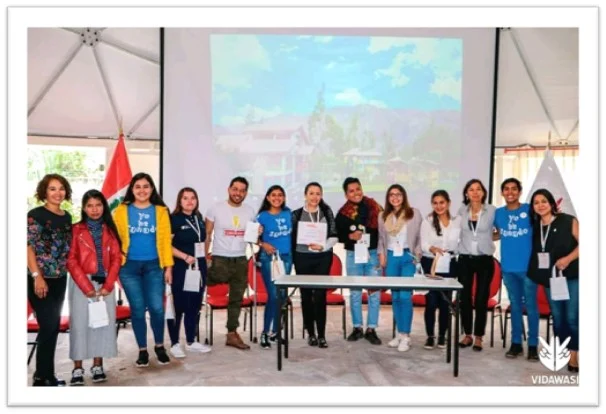
Carlos Frías: “The network originated as part of CCI LATAM’s efforts to begin focusing on the community of survivors. These efforts had been taking place sporadically for years until 2020, when, during the annual CCI LATAM meeting in Urubamba, Peru, eight survivors from five different countries gathered to discuss the idea of forming a group that would address the community’s needs—needs that had not been properly documented or recorded.
It was during that conference, as we talked among ourselves, that we discovered we were facing the same challenges despite our geographical and sociopolitical differences. We highlighted the need for mental health care and reintegration into ‘normal’ life.”
What key projects are you working on today, and how are you supporting active patients and survivors?
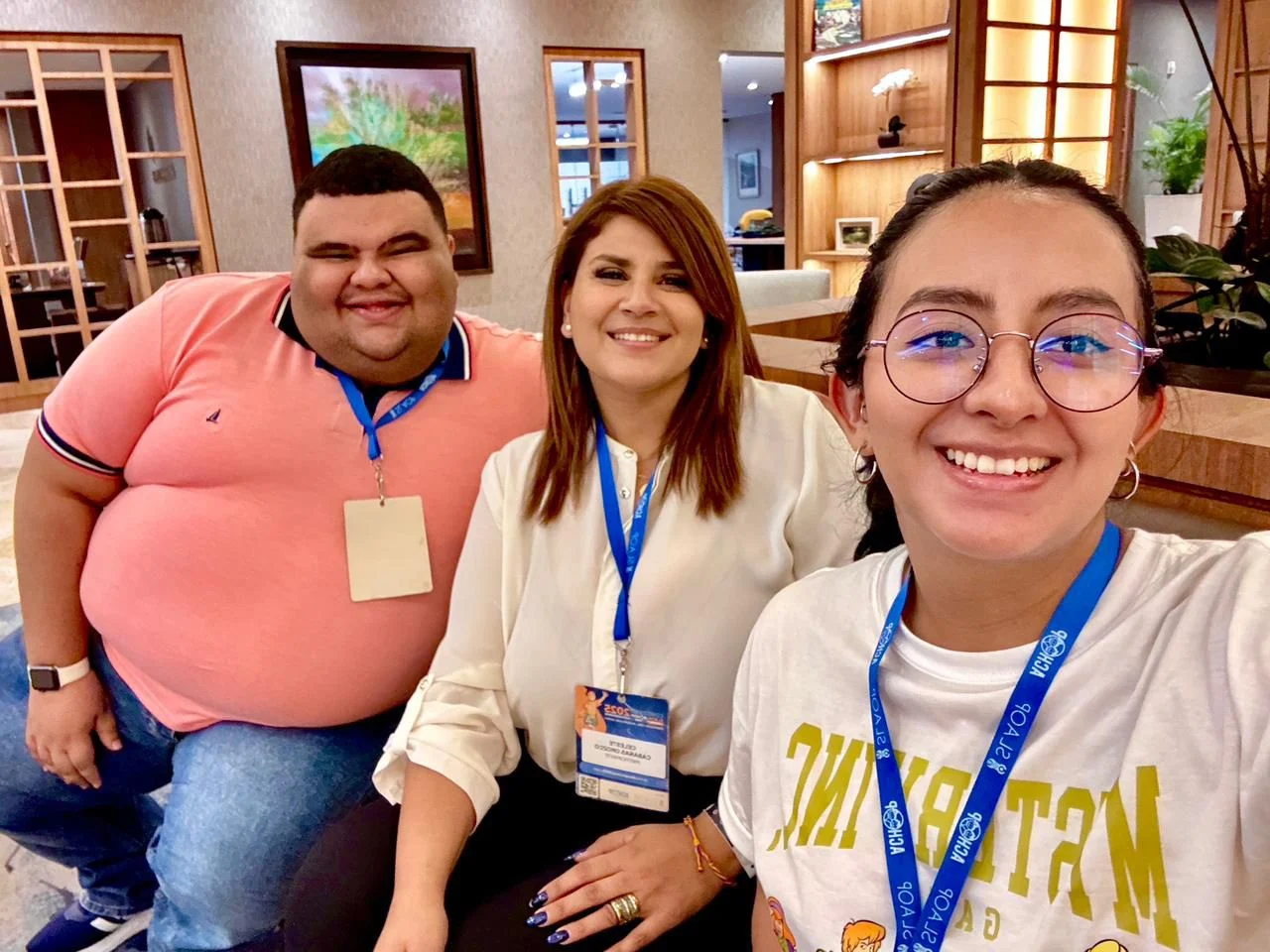
Carlos Frías: “In 2026, we are in the phase of activating local groups through A.C.. We are currently launching activities in each community; these activities are based on the care model developed in collaboration with professionals from CCI, PAHO, and St. Jude. They provide spaces where survivors can connect, share, and receive valuable information and tools to support their optimal reintegration and improve their quality of life.
Currently, activities with active patients are limited to sharing multimedia content featuring testimonials and useful information. We hope that next year, once the groups are up and running, we will be able to begin working much more closely with patients and their families.”
How did Faros de Vida build its partnerships, and why is clinical validation so important?
Carlos Frías: “Since our founding as the CCI LATAM program, we have not only had a leadership team composed exclusively of survivors who bring vision and empathy to our mission, but we also work with a group of advisors from various international health institutions who volunteer their time and provide us with scientific and medical rigor of the highest global quality. This allows us to operate with compassion and scientific rigor to provide the best care for survivors.
Currently, Faros de Vida is part of the ‘Consortium of Childhood Cancer Institutions,’ comprising PAHO/SIOP-SLAOP/CCI/St. Jude/St. João de Deus Hospital in Barcelona and Seattle Children’s Hospital, where we work to generate resources for scientific research and care programs for childhood cancer patients and survivors.”
What sets Faros de Vida apart in the global oncology landscape?
Carlos Frías: “Faros de Vida is unique because its leadership and strategic team is made up of childhood cancer survivors from different countries in the region and is guided by a team of highly reputable and trusted specialized advisors. We also remain at the forefront of the region with cutting-edge information and are constantly preparing and growing.
It is a network built on empathy, love, and professional guidance at both the Latin American and global levels.”
Could you tell us about the story behind your motto?
Carlos Frías: “‘Live to Inspire’ stems from a feeling shared by thousands of survivors: the desire to transform an experience as painful and traumatic as cancer into inspiration and strength for those who are going through a difficult time today. It’s about using the positive outlook that remains after a difficult experience to transform your life and the lives of those around you.”
How can oncologists, researchers, survivors, and families get involved?
Carlos Frías: “Joining Faros de Vida is as easy as contacting us via email, social media, or our online contact information.
We are currently expanding throughout the region, so we are reaching out to all survivors in the area to invite them to join us and receive the information, support, and guidance we often need. Additionally, the participation of professionals, business leaders, and other civil society actors is crucial to sustaining and growing this project so that we can provide increasingly better care to survivors, patients, and families affected by this disease.
We invite survivors to join this growing community and encourage civil society actors to reach out to contribute and be part of the change for this community at this historic moment.”
By Carmen Monge
Childhood Cancer Survivor Who Changed the Law: Pablo Allard’s Advocacy Journey