





Faizan Bashir, Jr researcher in Internal Medicine, Shiraz University of Medical Sciences, shared a post on LinkedIn:
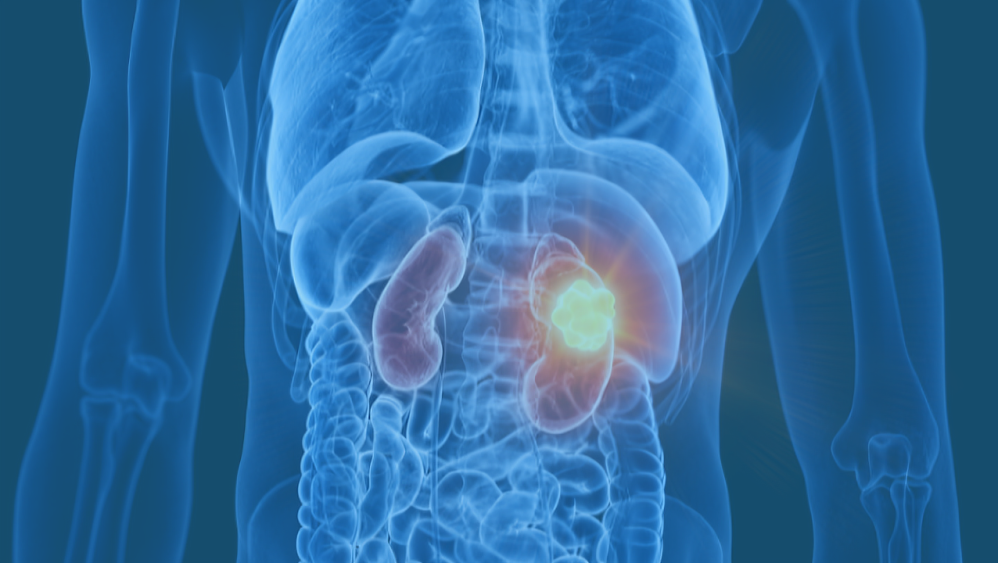
“We report an 8y/o child with monomorphic, high-grade B-cell PTLD confined to the kidney allograft, diagnosed one year post-transplant, with no systemic disease and EBV negativity. The default response in many such cases is early graft nephrectomy. But doing so means committing a child to lifelong dialysis.
After careful multidisciplinary discussion, we chose a graft-preserving strategy — reducing immunosuppression and treating with rituximab-based chemoimmunotherapy. The course was not easy, with cytopenias and temporary hemodialysis, but the outcome mattered: complete metabolic remission and preserved graft function, now sustained at five years of follow-up.
This case is a reminder that in selected patients, oncologic control and graft survival do not have to be mutually exclusive.”
Title: Allograft-localized post-transplant lymphoproliferative disorder in a pediatric kidney transplant recipient: a case report and focused review
Authors: Dorna Derakhshan, Ali Derakhshan and Faizan Bashir
More post on OncoDaily