





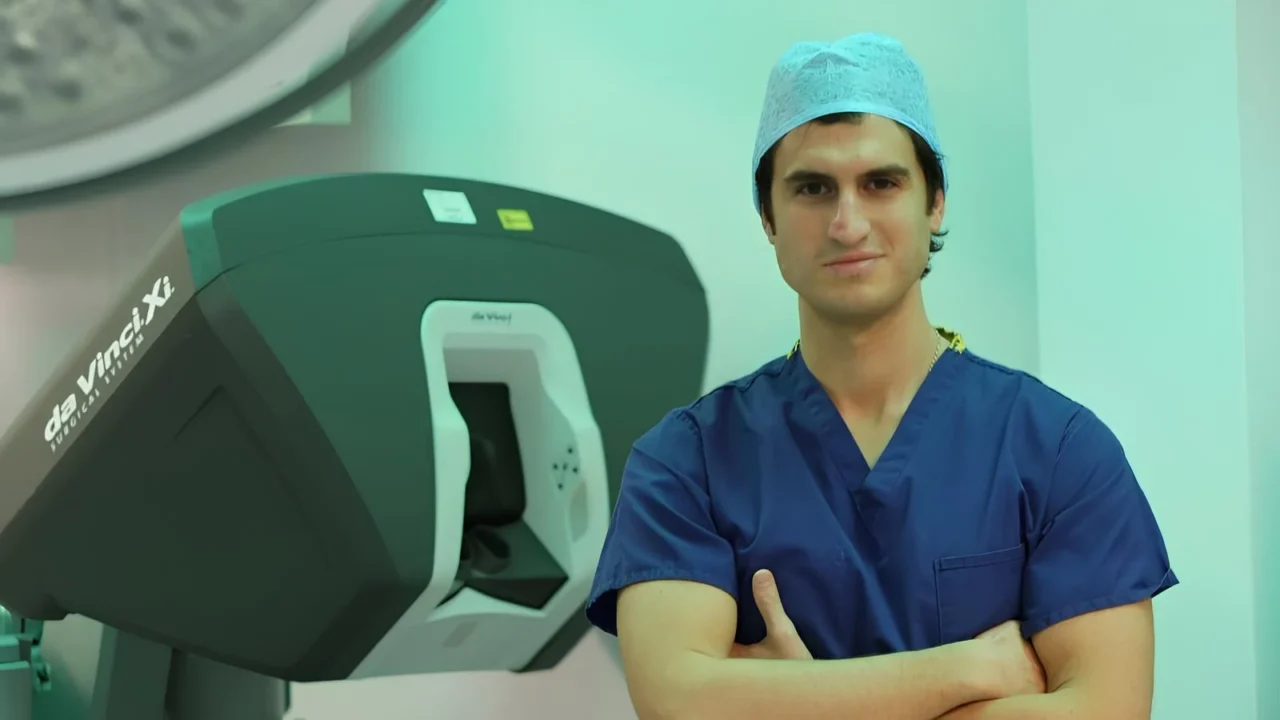
Fabio Carbone, Colorectal Surgeon at IRCCS National Cancer Institute G. Pascale Foundation, Naples, Italy, shared a post on LinkedIn about a paper he co-authored with colleagues published in Updates in Surgery:
“Microsatellite instability, immunotherapy, and the future of colorectal cancer surgery.
Molecular biology is no longer a background concept in surgical oncology.
In colorectal cancer, MSI/MMR status is actively reshaping when, how, and sometimes whether we operate.
In this editorial, just published in Updates in Surgery, we reflect on how neoadjuvant immunotherapy in MSI-H/dMMR tumours is challenging long-standing surgical paradigms:
- unprecedented pathological complete response rates
- new opportunities for organ preservation
- unresolved questions on timing, extent of resection, and long-term safety
- the risk of overtreatment versus the promise of precision surgery
Rather than replacing surgery, immunotherapy is reshaping its role — demanding that surgeons move beyond anatomy and fully embrace tumour biology, multidisciplinary reasoning, and translational research.
The future of colorectal cancer surgery will depend not only on technical excellence, but on our ability to integrate molecular knowledge into surgical judgement.”
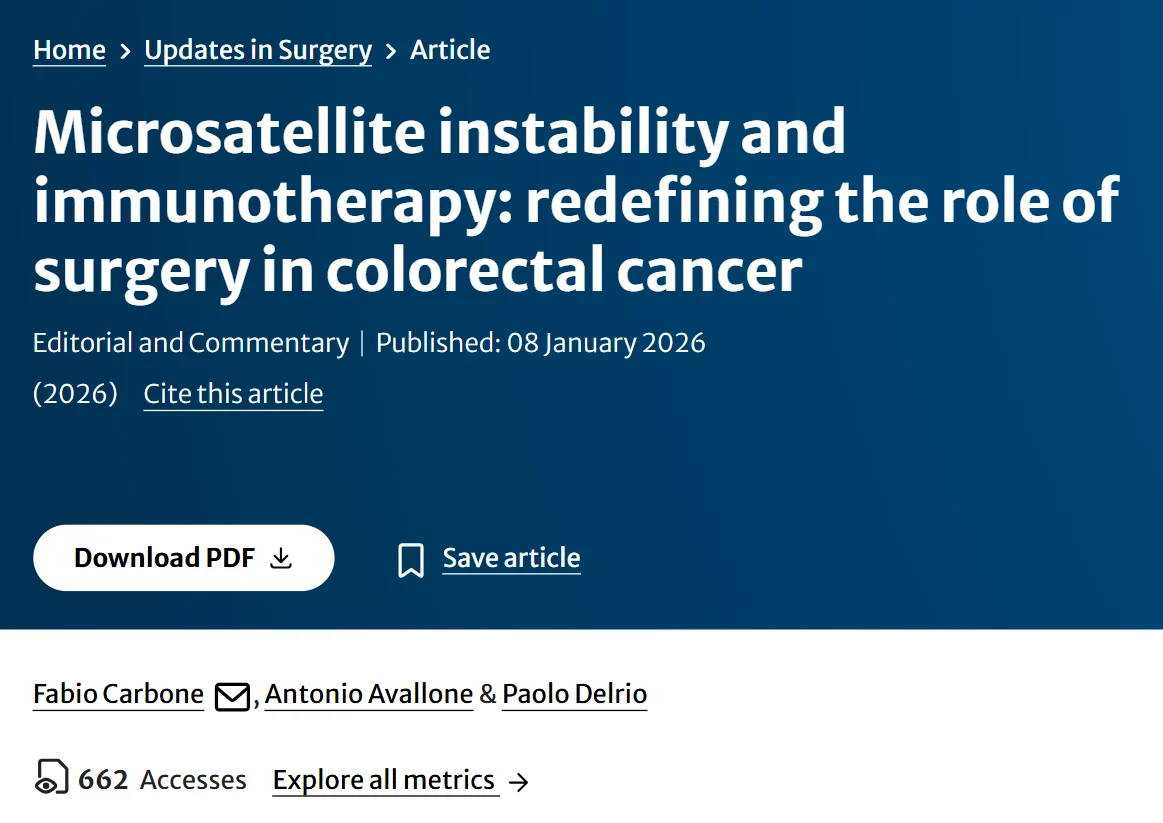
Title: Microsatellite instability and immunotherapy: redefining the role of surgery in colorectal cancer
Authors: Fabio Carbone, Antonio Avallone, Paolo Delrio
You can read the Full Article in Updates in Surgery.
More posts on Colorectal Cancer on OncoDaily.