European Liver Patients’ Association (ELPA) shared a post on LinkedIn:
“Health Literacy in the Age of Social Media and Artificial Intelligence
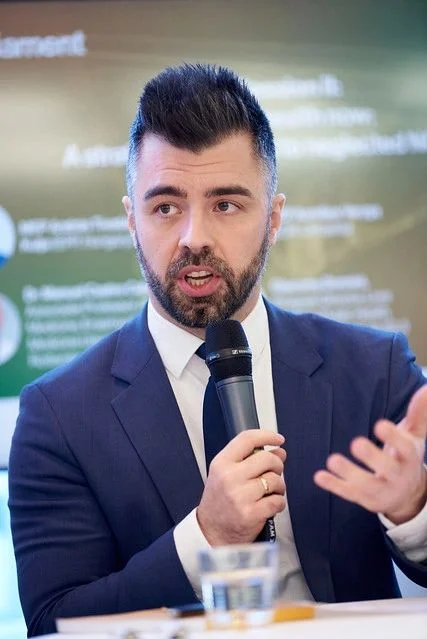
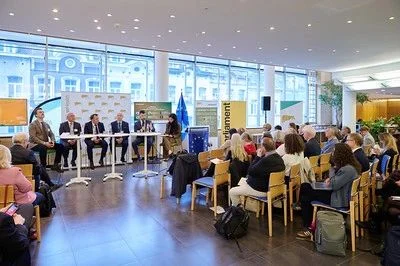
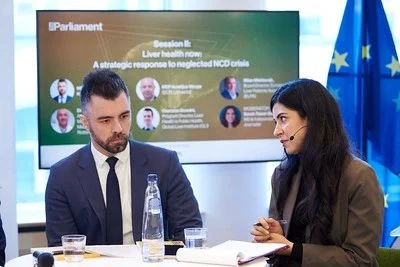
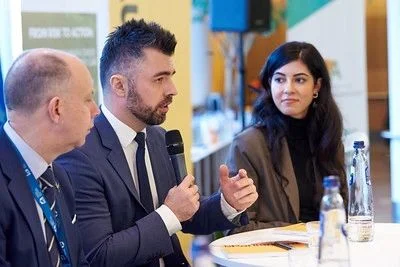
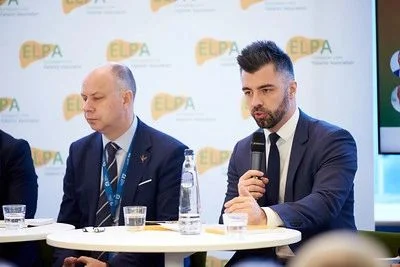
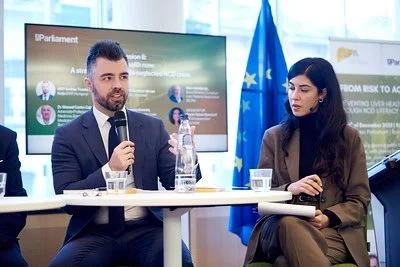
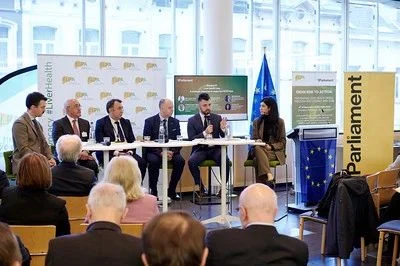
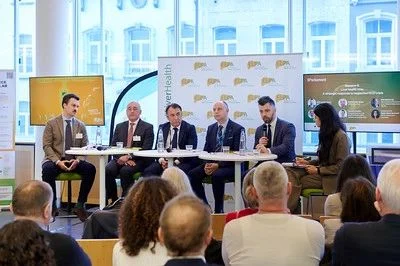
At the event “From Risk to Action: Preventing Liver Health Crises through NCD Literacy and Care”, we were honoured to welcome Andras Kulja MD, Vice-Chair of the ENVI Committee on the Environment, Climate and Food Safety and Member of the SANT Committee on Public Health, for a powerful panel discussion.
One message was unmistakably clear:
Pseudo-science spreads faster than fact-based science — especially on social media.
During and after COVID-19, misinformation filled the space where clear, human, and trustworthy health communication should have been.
When science is not explained in everyday language, others step in — and trust can be lost.
Health literacy is about confidence and trust.
It enables people to:
- Make informed health decisions
- Protect their liver and overall health
- Trust healthcare professionals and institutions
- Recognise reliable information in a noisy digital world
If we don’t actively invest in health literacy, we leave the space open to misinformation.
If we do, we empower citizens with knowledge, confidence, and agency.
At European Liver Patients’ Association, we believe that health literacy is the foundation of prevention — and that patients must be trusted voices in the digital space.
This is why patients, patient advocates, and patient associations matter.
Health literacy cannot be built in isolation.
It requires close collaboration with the scientific community, academia, healthcare professionals, policymakers, and all relevant stakeholders.
Patient associations play a unique and irreplaceable role:
- They work hand in hand with scientists and clinicians to translate evidence into everyday language
- They bring lived experience into policy, research, and communication
- They are boots on the ground, in direct and continuous contact with the general public
Because of this proximity, patient organisations are trusted messengers.
They listen, they explain, they reassure — and they help people navigate complex health information with confidence.
In an age of social media and artificial intelligence, this role is more crucial than ever.
When patient associations are actively involved, confidence grows, trust is reinforced, and misinformation loses ground.
This is why meaningful involvement of patient organisations is not optional — it is essential for credible communication, effective prevention, and resilient healthcare systems.
They build bridges between healthcare systems and the people they serve.
Let’s fill social media with facts, empathy, and credibility.
Let’s meet people where they are.
Let’s turn knowledge into action”
More posts featuring European Liver Patients’ Association on OncoDaily.