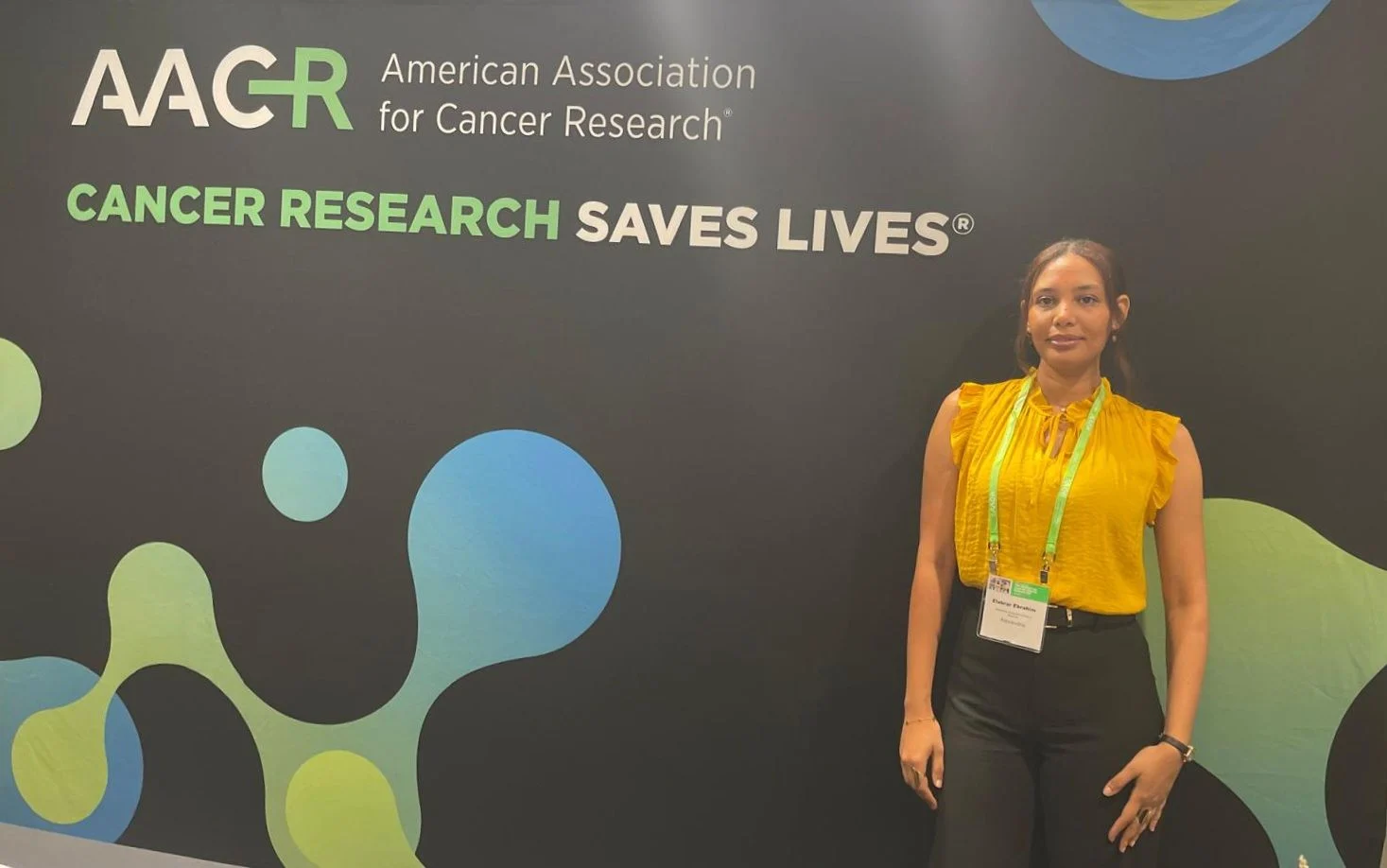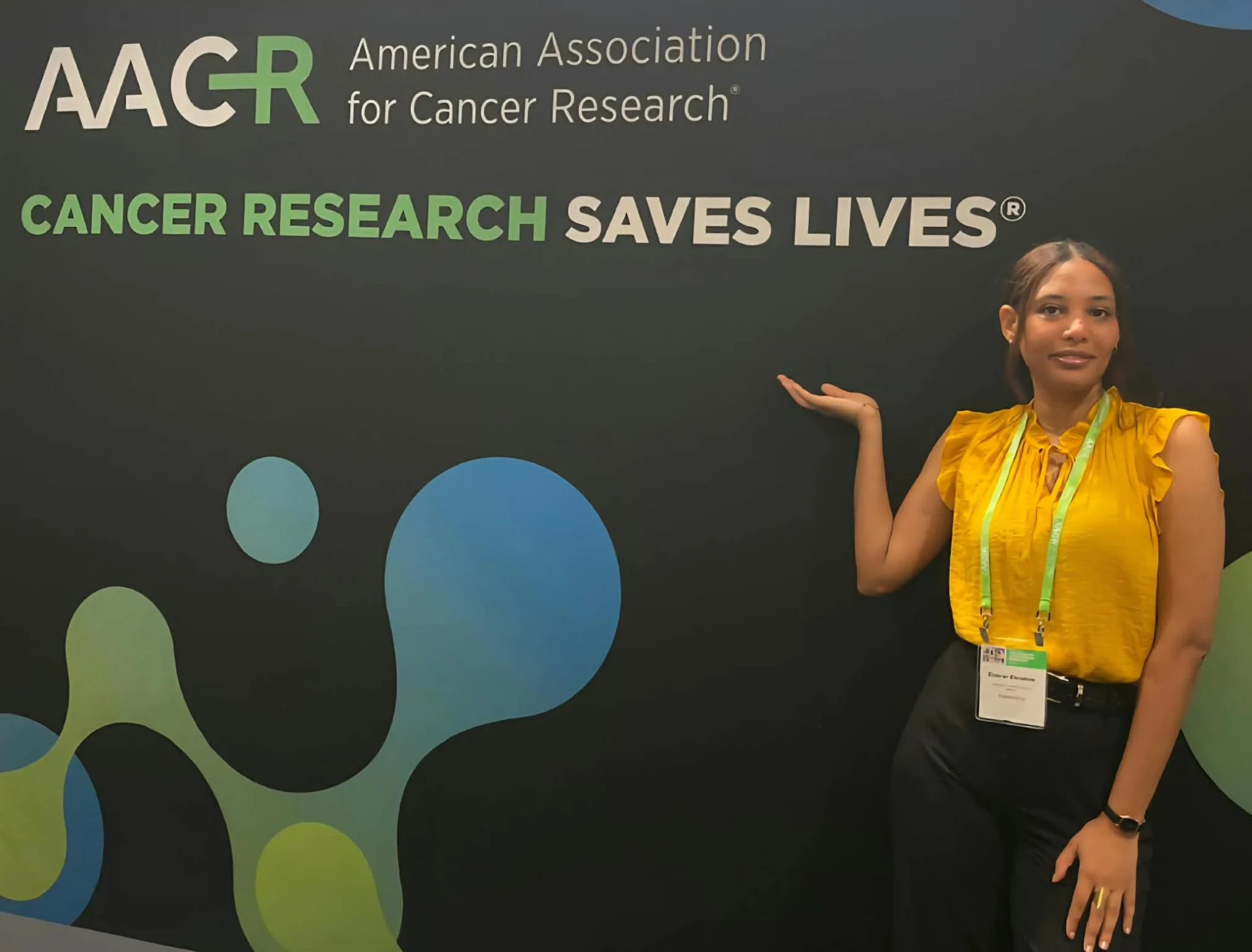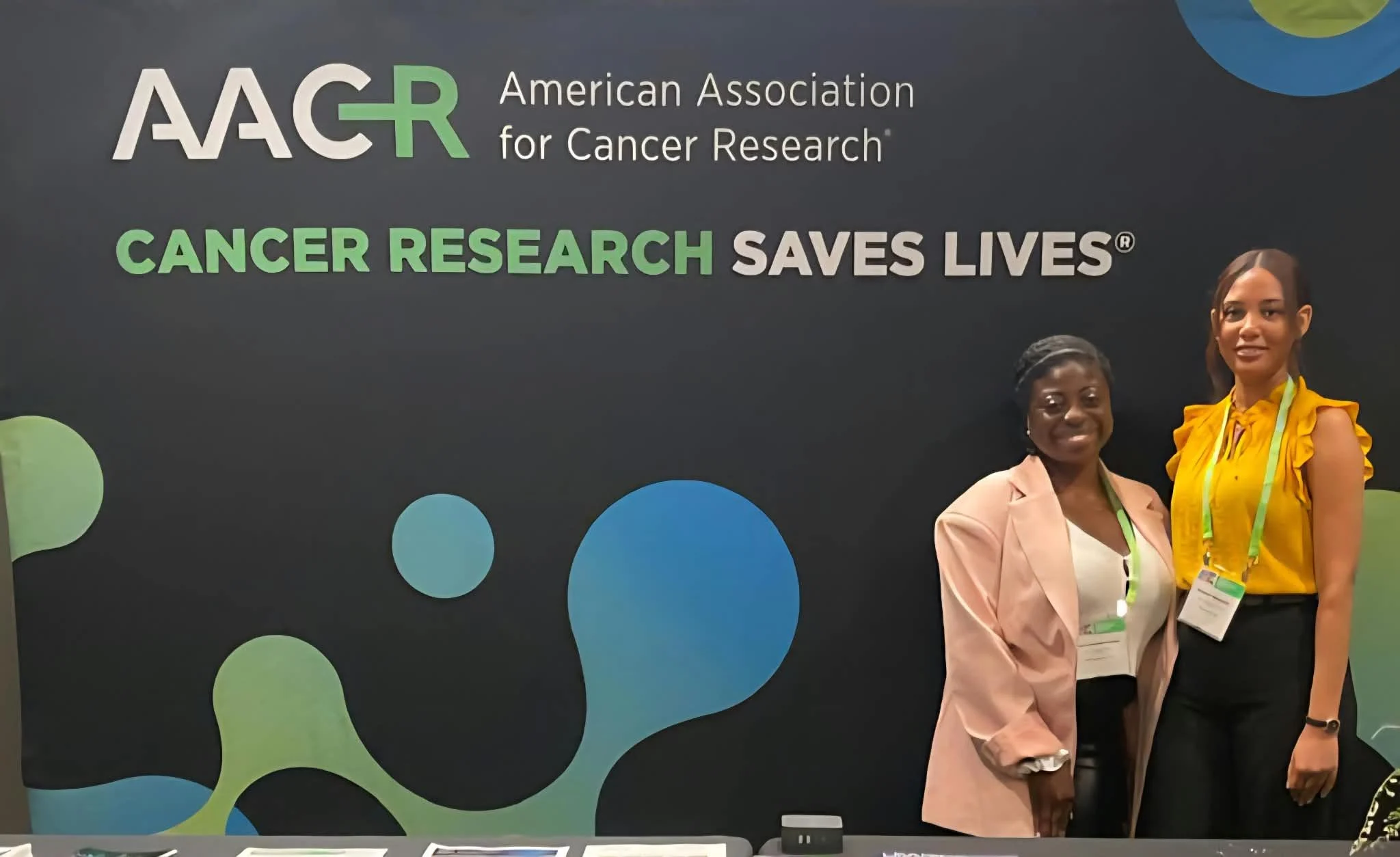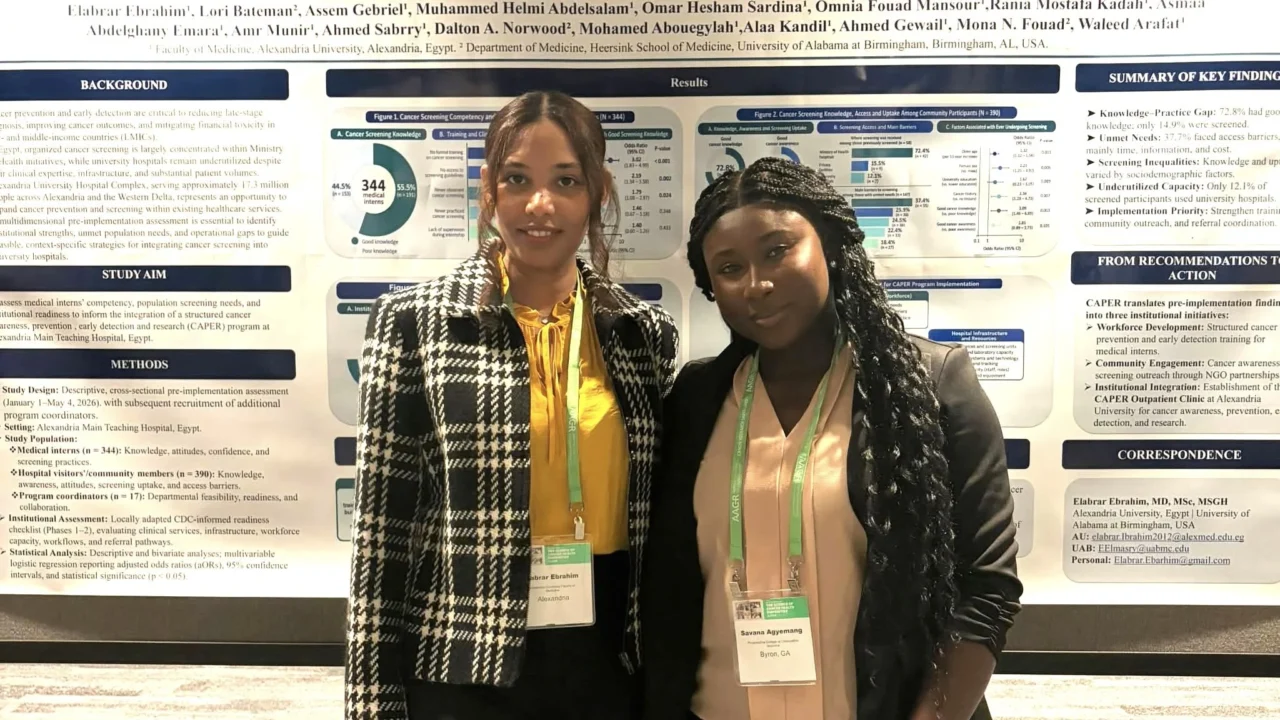
Elabrar Ebrahim, Clinical Oncology and Nuclear Medicine-Fellow at Alexandria University, shared a post on LinkedIn:
“From Research Training to Global Cancer Prevention | AACR 2026
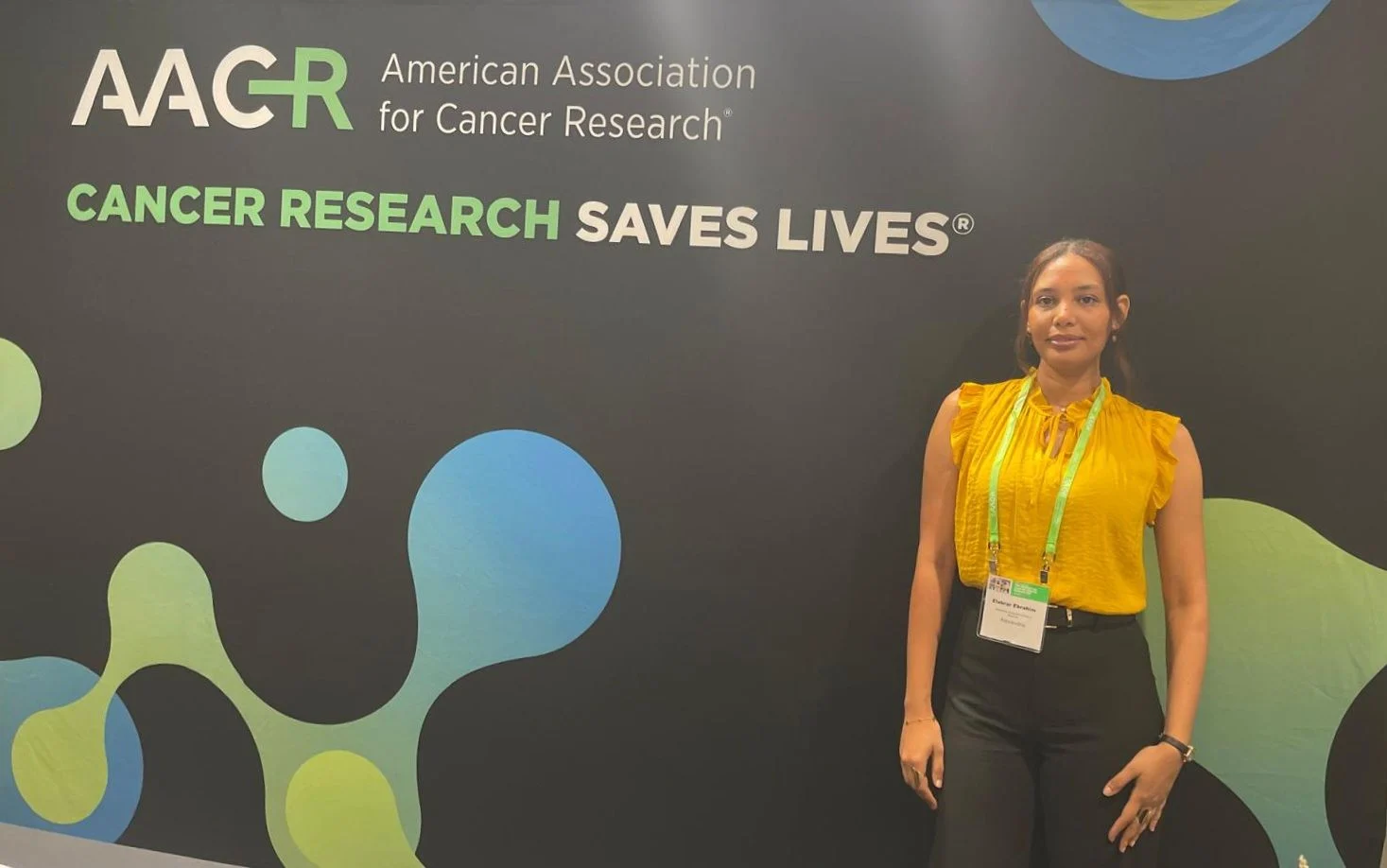
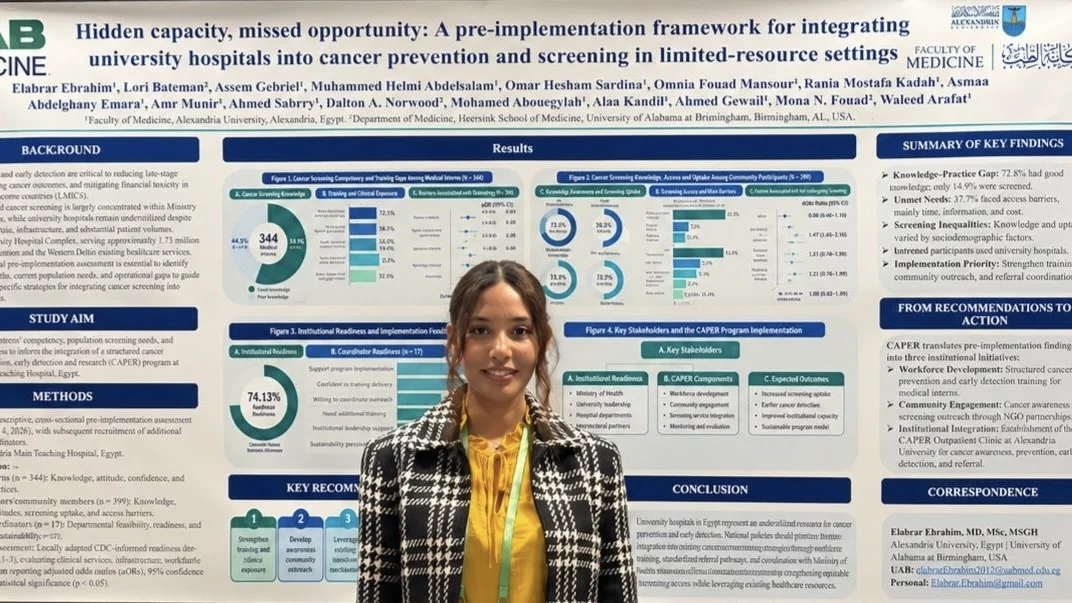
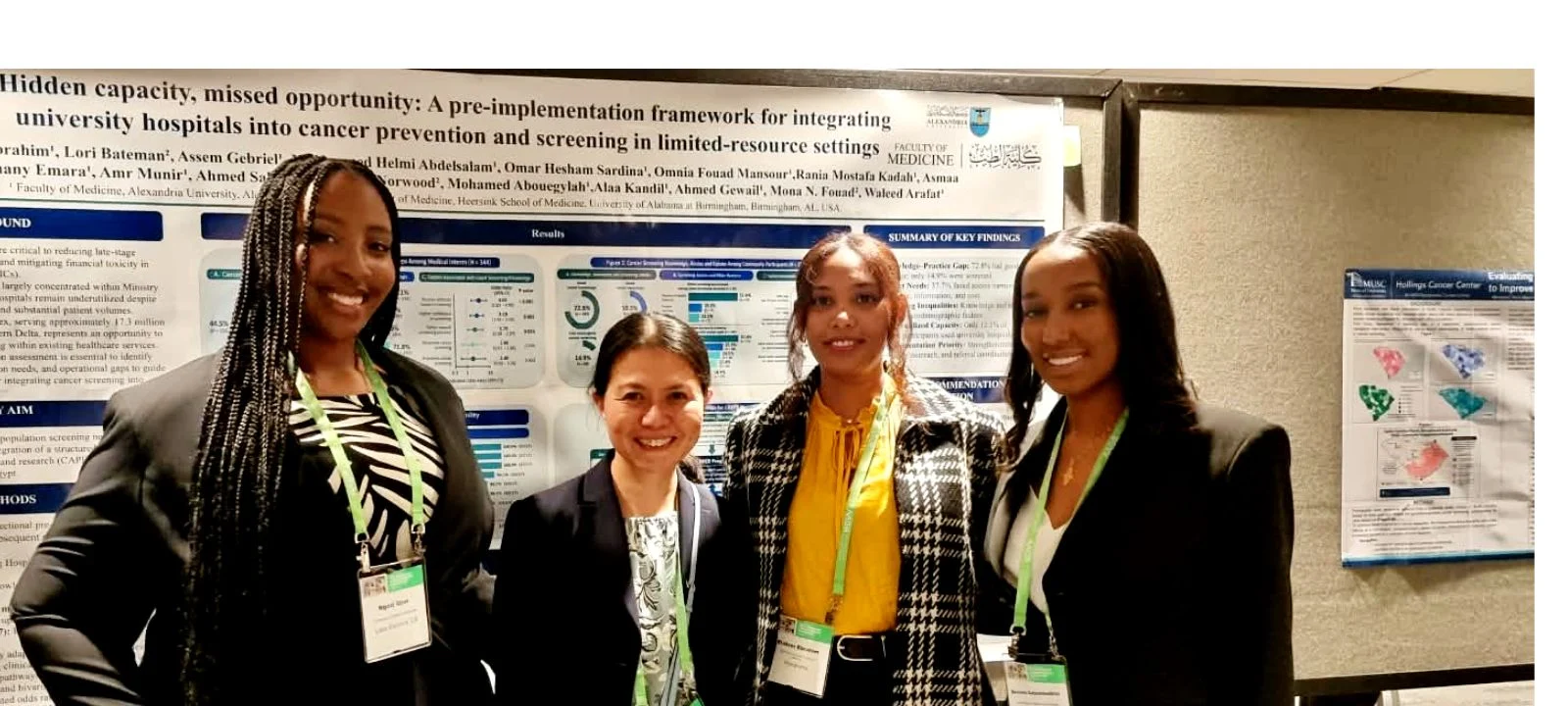
Grateful to have presented our abstract poster, ‘Hidden capacity, missed opportunity: A pre-implementation framework for integrating university hospitals into cancer prevention and screening in limited-resource settings,‘ at the 19th American Association for Cancer Research: The Science of Cancer Health Disparities, held October 18–21, 2026, in Atlanta.
Our research explores how university hospitals can strengthen cancer prevention and early detection through CAPER (Cancer Awareness, Prevention, Early Detection, and Research), an initiative developed at Alexandria University as a replicable framework that can be adapted to other resource-limited settings.
This moment reflects years of learning and collaboration between UAB Marnix E. Heersink School of Medicine and Alexandria University, beginning with C-CREP (2020) and growing into research focused on improving cancer prevention and early detection.
My sincere gratitude to Dr. Waleed Arafat, Dr. Mona Fouad, and Dr. Lori Brand Bateman, for their continued mentorship and support. Special thanks to Dr. Ahmed Gewil, Dr. Alaa Kandil and Dr. Mohamed Latif Abouegylah, whose guidance throughout my thesis was instrumental in shaping this work and moving it forward.
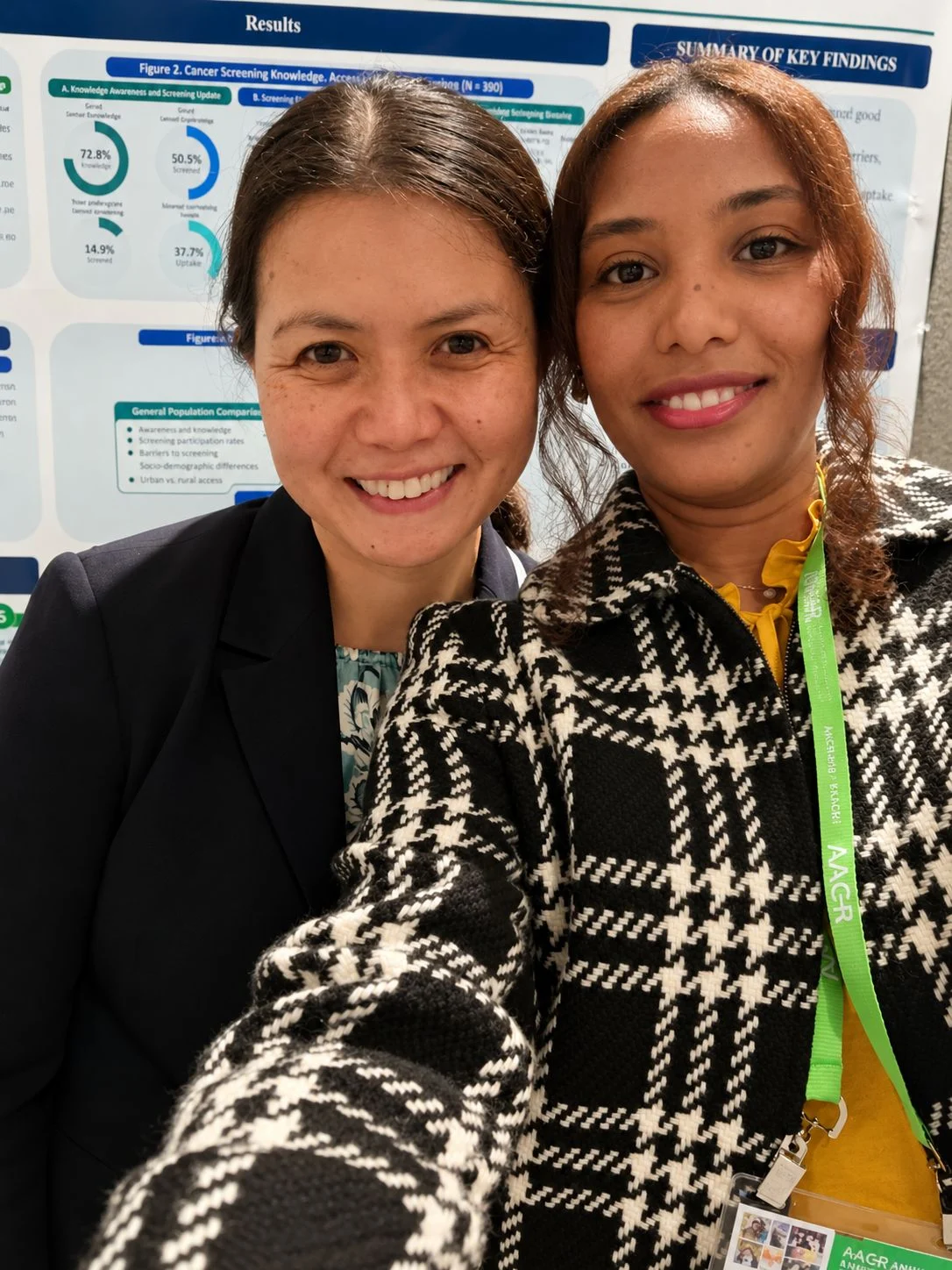
I am honored to have Dr. Jing Peng, Senior Associate Editor of AACR Journals (Cancer Epidemiology, Biomarkers and Prevention), visit my poster and im greatful for the thoughtful feedback and recognition of the novelty of our approach to implementation science.
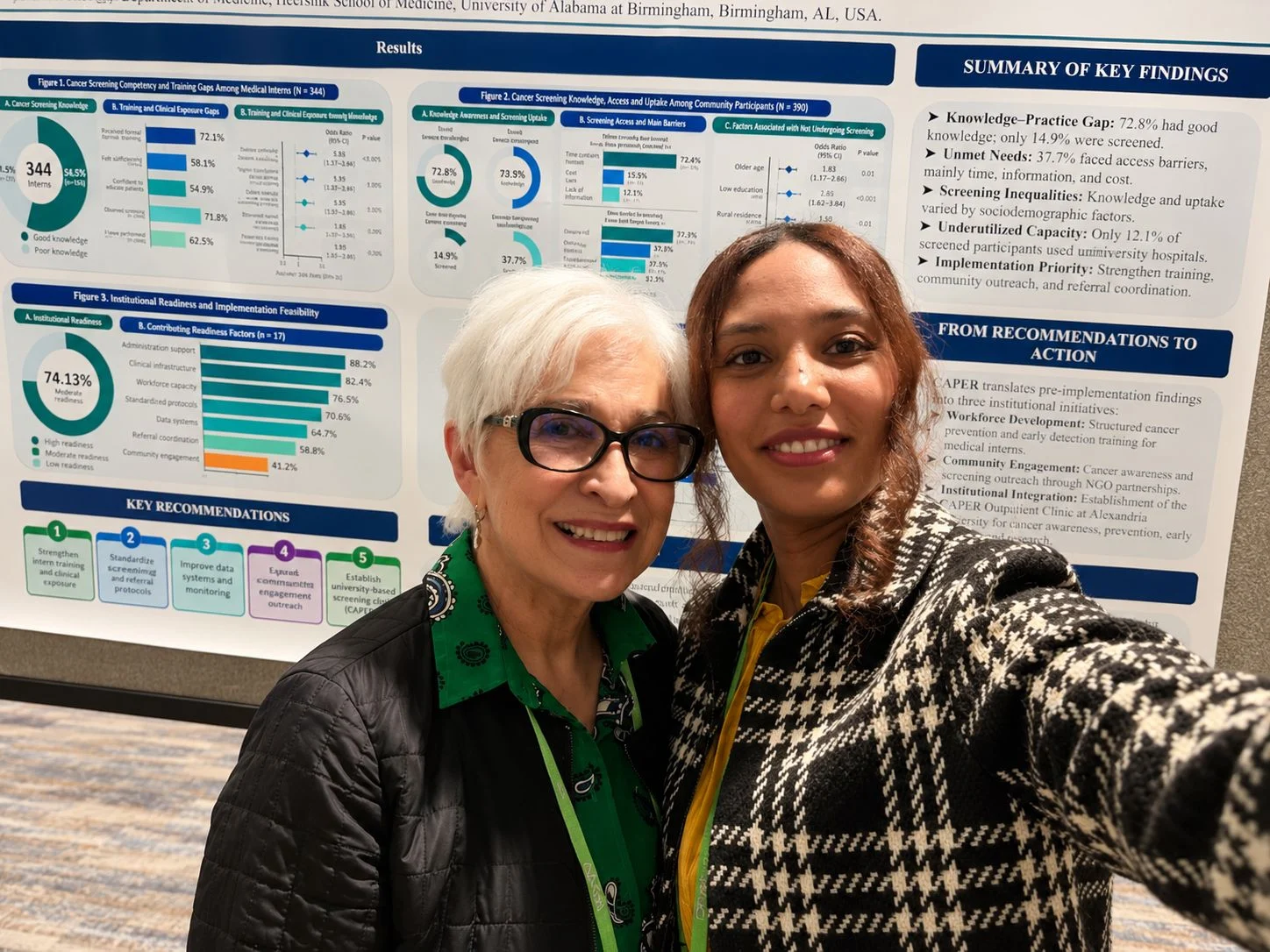
Beyond presenting, AACR was an opportunity to meet inspiring people, including Ysabel Duron, Emmy Award-winning Latina journalist and founder of The Latino Cancer Institute.
I also enjoyed connecting with researchers from different universities and countries Selome Gebremedhin, Nana Gyabaah-Kessie, PMP, and Savana Agyemang, learning about their work, and exploring opportunities for future collaboration.
AACR raised a question worth asking: Despite a 35% decline in U.S. cancer mortality since 1991, Black populations continue to experience higher cancer mortality, while Hispanic communities face disproportionate burdens from certain cancers. If these disparities persist in a well-resourced country, what does this mean globally, where socioeconomic inequalities, economic pressures, and geopolitical instability may further widen gaps in cancer care?
The challenge is not only to advance cancer science, but to translate that progress into equitable cancer care.
Research builds knowledge. Mentorship builds researchers. Collaboration creates impact.”
You can also read: AACR 2026: Why Do KRAS G12D Pancreatic Tumors Respond Differently? Wungki Park on New Setidegrasib Data