





Douglas Flora, Executive Medical Director of Yung Family Cancer Center at St. Elizabeth Healthcare, President-Elect of the Association of Cancer Care Centers, and Editor in Chief of AI in Precision Oncology, shared a post on LinkedIn:
“What We Carry Together: The Invisible Burdens of Cancer—and the Privilege of Sharing Them
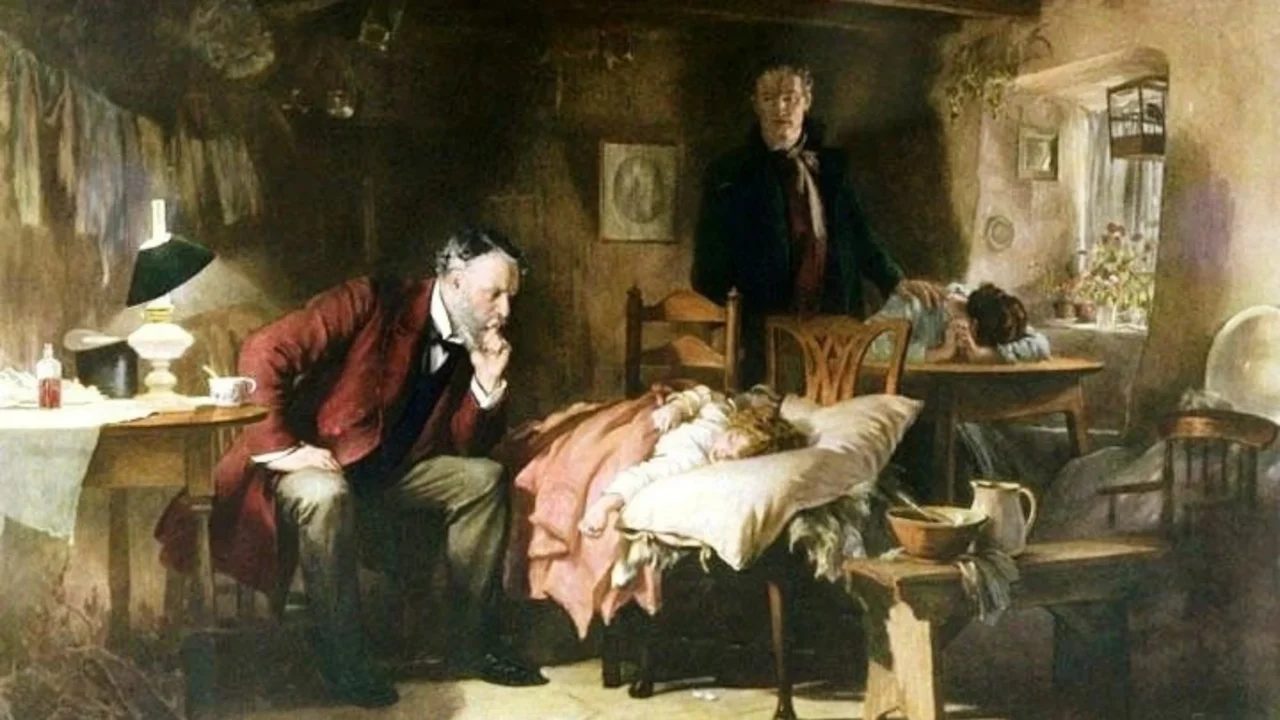
The good physician knows his patients through and through, and his knowledge is bought dearly. Time, sympathy, and understanding must be lavishly dispensed, but the reward is to be found in that personal bond which forms the greatest satisfaction of the practice of medicine — Francis Peabody, 1927
Francis Peabody was dying when he wrote these words. Forty-seven years old, a Harvard physician, watching his own body fail while trying to teach young doctors what medicine actually meant. He gave that lecture knowing he wouldn’t see another year. I think about that sometimes—how clarity arrives when time becomes finite.
I’ve been an oncologist for over twenty years. Eight years ago, I went through my own cancer experience. It moved what I knew intellectually to a deeper place. The difference between knowing something and feeling it is the difference between reading about drowning and being underwater.
What I didn’t fully understand until later was what my cancer did to my wife. I was the patient—I had the diagnosis, the surgery, the recovery. But she was the one lying awake next to me, terrified, trying to be strong. She’s not a medical person. She couldn’t parse the scans or the statistics. She just had to trust, and wait, and pretend she wasn’t falling apart. I was so focused on my own experience that I didn’t see hers clearly until much later. That’s a regret I carry now.
Cancer patients carry a weight that most people never talk about directly. Not just the disease—that’s almost the simplest part. What’s harder is the uncertainty that stretches out like fog. The way a week waiting for scan results feels longer than a year of ordinary life—the strange burden of being the center of everyone’s fear.
Caregivers carry something different. Something heavier. There’s no protocol for them. Medicine has a plan for the patient. But the person in the waiting room? They’re on their own—holding their family together while the person at its center fights for their life.
And oncologists? We carry our patients home with us. Their faces appear when we’re driving. Their stories replay when we’re trying to fall asleep. We carry the weight of being the messenger—the person who walked into the room and changed everything. The weight is the work. Not a side effect of it. The weight itself.
When a patient trusts me enough to ask the question they’re most terrified to ask, I am standing on holy ground. I’m trained in molecular oncology, immunotherapy, and the machinery of modern medicine. But in those moments, the job is simpler and harder than any of that. The job is to be present. To witness. To carry a piece of what they’re carrying, so no one has to carry it alone.
The tools are not the point. The tools serve the people. The people are the point. That’s the privilege. That’s the work. I wouldn’t trade it for anything.”
More posts featuring Douglas Flora.