





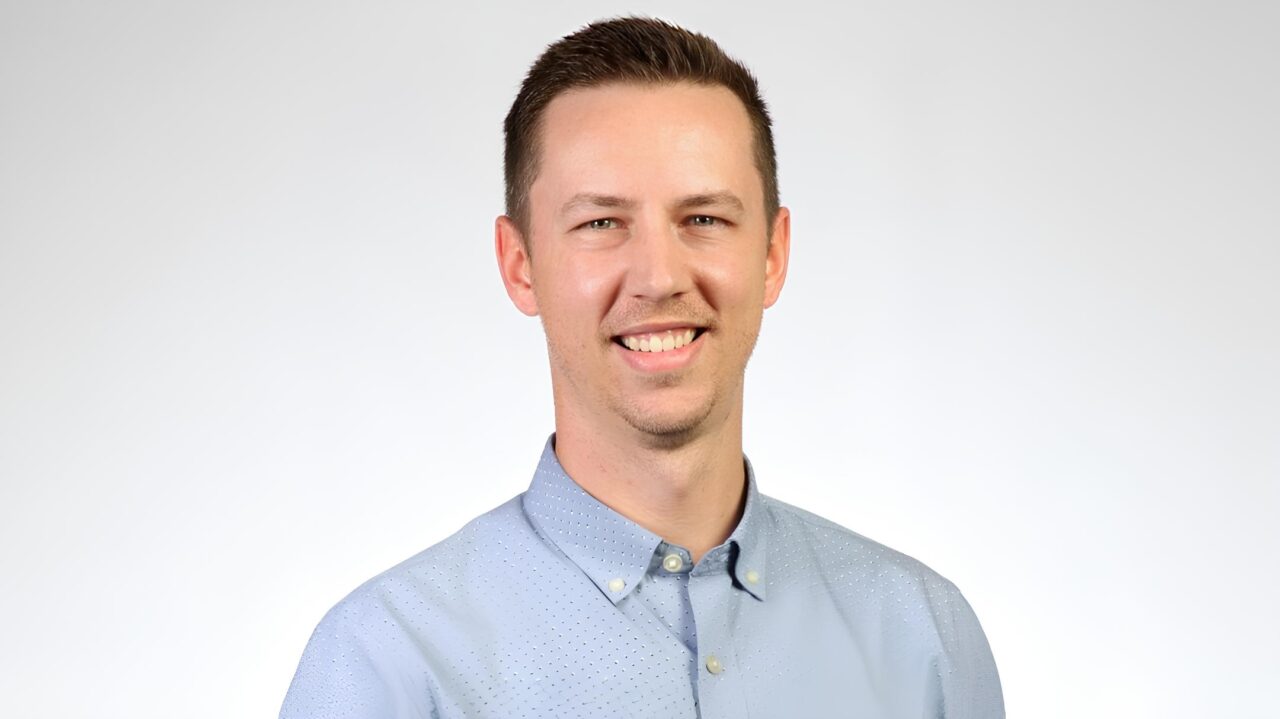
Dillon Cockrell, GU Medical Oncologist at Duke Cancer Institute, shared a post on LinkedIn:
“In the last couple of weeks, we reached a new milestone by enrolling patients on our first Duke Raleigh Cancer Center Phase 1 oncology clinical trial.
The study is a first-in-human trial evaluating a novel therapy for patients with metastatic castration-resistant prostate cancer. As the site PI, I’m most excited about what this represents for patients: bringing early-phase clinical trials closer to home in their community without requiring long travel days to a larger academic campus.
Over the past year, opening a Phase 1 program at a site that hasn’t historically conducted these studies has required building new processes from the ground up. A few lessons that stand out:
Infrastructure matters.
Opening a Phase 1 trial involves much more than activating a protocol. Contract negotiations, regulatory approvals, pharmacy logistics, laboratory workflows, nursing and research coordination, and specific operational details all have to come together. Having the Duke Cancer Institute research infrastructure allowed us to get off the ground.
Leadership is hands-on.
As the PI, much of my role is simply being available. Emails, meetings, phone calls, decisions. Building something new requires consistent presence.
Research is a team sport.
Success depends on much more than the investigator and sponsor. Research coordinators, infusion and clinic nurses, pharmacists, laboratory staff, clinic admin, and institutional leadership all play necessary roles. My job is to keep everything aligned and moving forward.
Barriers exist, but are not insurmountable.
Early on, there were several discussions about how difficult it would be to open a Phase 1 study at a community site. Feasibility was a question. But once you begin, the challenges become identifiable, and therefore solvable. We learn, adjust, and improve with each patient.
Operational details matter.
Coordinating an early morning first dose and six- to eight-hour PK sampling requires effort and coordination across multiple teams. Logistical challenges become opportunities to build better systems.
Mentorship accelerates progress.
As an early-career oncologist, doors are opened by Duke’s academic environment and having mentors like Andrew Armstrong and Daniel George who have been willing to invest and share the relationships and experience they’ve built over the years. Opportunities rarely happen in isolation.
Ultimately, our patients make the work worthwhile.
Those eligible for early-phase clinical trials often have limited remaining treatment options. Expanding access to studies within community-based academic cancer programs offers the chance to participate in cutting-edge research closer to where they live. Time and resources are often limited and must be prioritized.
Thank you to everyone across the Duke team, including Diane Reidy Lagunes, who help us to continue growing to benefit patients across our sites.”
Other articles featuring Dillon Cockrell on OncoDaily.