





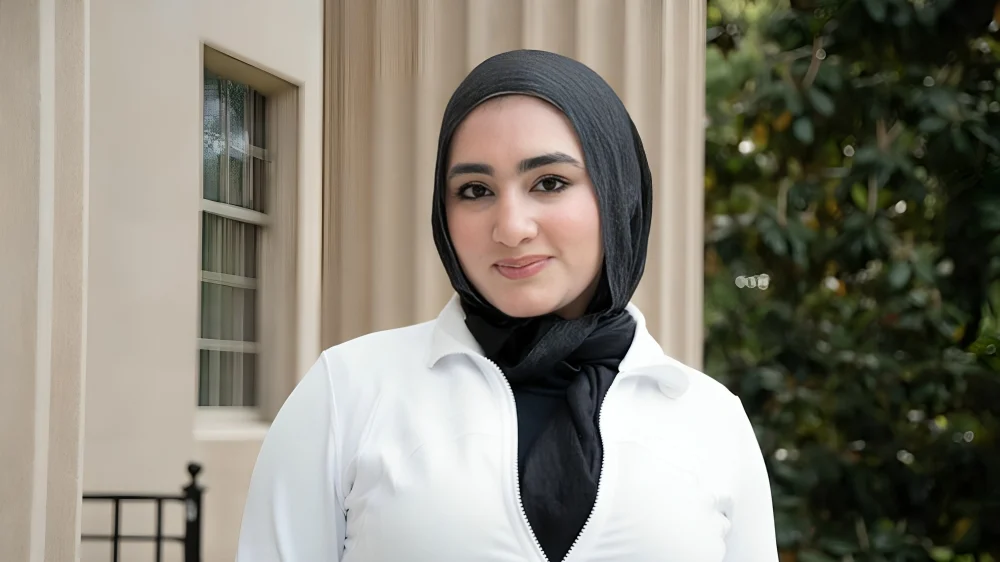
“I remember the moment my blood test results came back abnormal. It wasn’t the numbers themselves that frightened me at first, but the silence that followed. Appointments were spaced weeks apart, scans were ordered and then delayed and each step forward seemed to introduce another pause. My CA-125 level remained persistently elevated at 67 kU/L, above the normal range, yet no one could give me a clear explanation. There was no diagnosis, only waiting.
As weeks turned into months, the emotional toll of that uncertainty became heavier than any clinical test. Every phone notification triggered anxiety. Every hospital letter carried an unspoken weight. My sleep deteriorated, my appetite declined and over ten weeks I lost around ten pounds, not because of disease progression but because prolonged
uncertainty quietly eroded my sense of control. When I was eventually told I was cancer free, the relief was immense. But it came with a sobering realization: many patients do not receive reassuring news and almost everyone entering a suspected cancer pathway experiences this psychological limbo long before a diagnosis is confirmed.
Despite extraordinary advances in oncology, diagnostic pathways have not evolved at the same pace. In England, the Faster Diagnosis Standard aims to provide a diagnosis or rule out cancer within 28 days of urgent referral. As of late 2025, only 76.5% of patients met this standard, meaning nearly one in four waited longer than four weeks for clarity. Further along the pathway, just over 70% of patients began treatment within 62 days of referral, well below the national target of 85%. Each missed target represents not only system strain but prolonged distress for patients and families.
The mental health consequences of diagnostic delay are well documented. Large meta-analyses suggest that approximately 39% of people affected by cancer meet criteria for a diagnosable mental disorder within a 12-month period, with anxiety disorders affecting around 15–20%. Crucially, distress often begins before diagnosis. Studies examining diagnostic waiting periods show that longer waits are associated with heightened anxiety, reduced quality of life and persistent psychological harm, particularly when timelines feel unpredictable or poorly communicated. Waiting is not passive. It actively shapes how people think, sleep, eat and relate to others. In many cases, the waiting itself becomes an illness. Reducing diagnostic delay should therefore be understood not only as a performance metric, but as a mental health intervention. This is where artificial intelligence may offer meaningful support, provided it is implemented responsibly, transparently and with appropriate clinical oversight.
The strongest evidence base currently lies in cancer screening and imaging. In breast screening, large-scale studies demonstrate that AI systems can identify cancers that were retrospectively visible on earlier mammograms, including lesions that might otherwise present later as interval cancers. More recent real-world implementation studies examining nationwide deployment of AI in screening programmes highlight improved detection alongside the importance of safety monitoring, auditability and human oversight. Earlier detection does more than improve survival statistics. It reduces repeat investigations and the prolonged uncertainty that accompanies inconclusive findings.
Delays also arise from reporting backlogs rather than scan availability alone. AI-enabled triage tools can prioritise high-risk imaging studies for urgent review while allowing low-risk cases to progress safely through routine workflows. A 2026 evaluation of AI triage for chest imaging demonstrated meaningful reductions in report turnaround time when such systems were embedded into real clinical operations. Given the sequential nature of cancer pathways, even modest improvements in reporting speed can significantly shorten the period patients spend waiting for answers. Pathology is another major bottleneck. Waiting for biopsy results is widely recognised as one of the most distressing phases of the cancer journey. AI applied to digital pathology can support identification of malignant features, highlight regions of interest and improve efficiency. Recent reviews report reductions in pathologist workload and review time while maintaining diagnostic accuracy, provided systems are rigorously validated and integrated into clinical workflows. AI does not replace expert judgement but it can reduce cognitive burden and support consistency.
Beyond speed, AI may also improve coordination by integrating imaging, biomarkers, clinical history and genomic data. Decision support systems are being developed to stratify risk, guide referral urgency and support personalised diagnostic and treatment planning. In precision oncology, task-specific AI models grounded in structured clinical data have demonstrated concordance with oncologists’ treatment decisions in a high proportion of real-world cases, illustrating a pragmatic pathway for dependable clinical support tools.
Patient-facing digital tools during diagnostic waiting periods are another emerging area. Carefully designed systems can help patients understand abnormal results, prepare questions for consultations, and access psychological support between appointments. Evidence suggests such tools may reduce anxiety and improve health literacy when implemented with clear boundaries and governance. In moments of vulnerability, patients do not need more information. They need clearer information delivered with care.
AI will not eliminate uncertainty from biology, nor will it replace the trust built in a consultation room. But it can reduce unnecessary delay, support clinicians under pressure, and help patients navigate the most psychologically difficult phase of the cancer journey: the space between a worrying signal and a confirmed answer. Waiting changes people. If healthcare systems can shorten that waiting and support patients through it, the benefit is not merely operational. It is human.
More about AI in cancer on OncoDaily.