





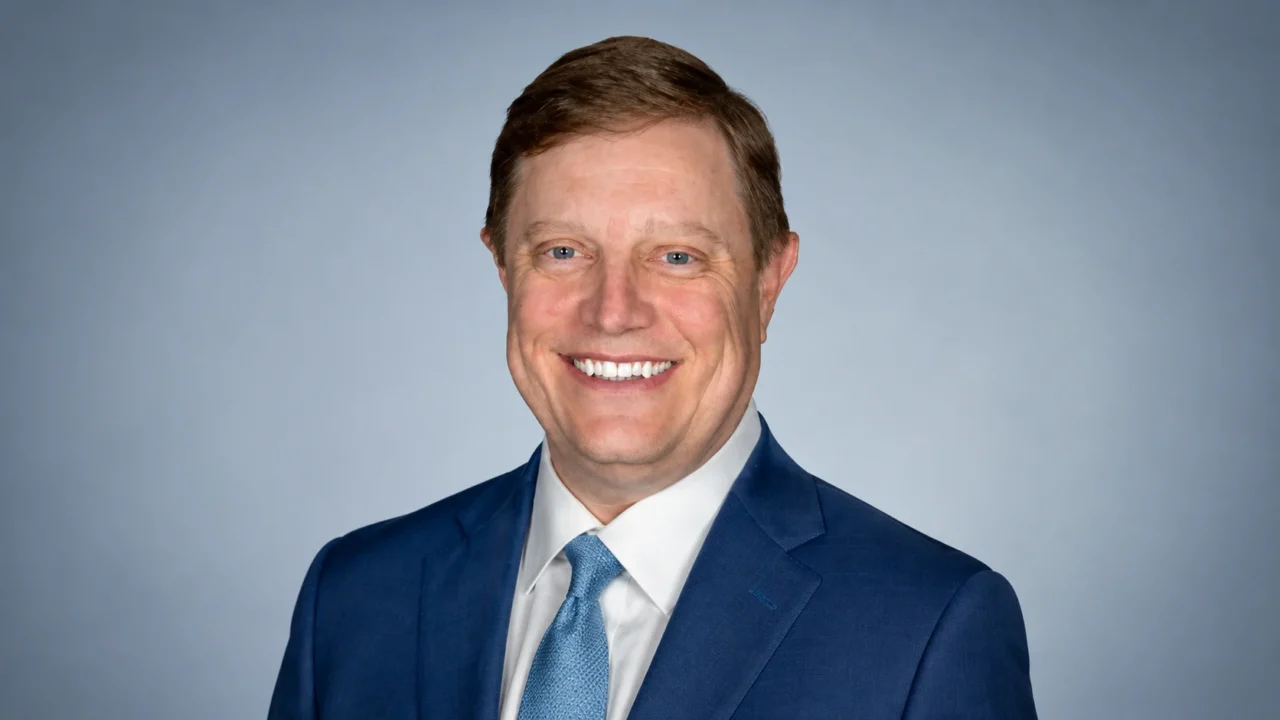
David Spetzler, President of Caris Life Sciences, shared on LinkedIn:
“Cancer care once depended on what physicians could see under a microscope: where a tumor started and how similar patients had responded to treatment.
That is changing.
Today, we can now read the molecular biology that makes each patient’s cancer unique. This is reshaping how treatment decisions are made.
I wrote for In Business PHX about why Arizona has become one of the country’s most dynamic bioscience ecosystems, and where a lot of that work is taking shape, closer to home than people outside the region tend to realize.
What makes the region especially compelling is not any single institution, but the collaboration among them.
At Caris Life Sciences, we work alongside Arizona State University, Mayo Clinic in Arizona, Barrow Neurological Institute, HonorHealth, Dignity Health, and Banner Health.
Our ASU work now spans precision medicine research, AI, and bioinformatics.
The hardest problems in oncology no longer belong to a single discipline. The next breakthroughs will require molecular biology, clinical medicine, computational science, and software engineering on the same problem at the same time.
Greater Phoenix has become a place where those disciplines come together. From our lab here, we profile nearly 1,000 patients each day, contributing to a body of molecular data that has helped guide treatment for more than 1 million patients worldwide.
The tools are more powerful than ever. AI is accelerating what we can learn from the data, and the regional collaboration keeps deepening. The goal is simple: help more patients get the right treatment at the right time.”
Other articles about bioinformatics on OncoDaily.