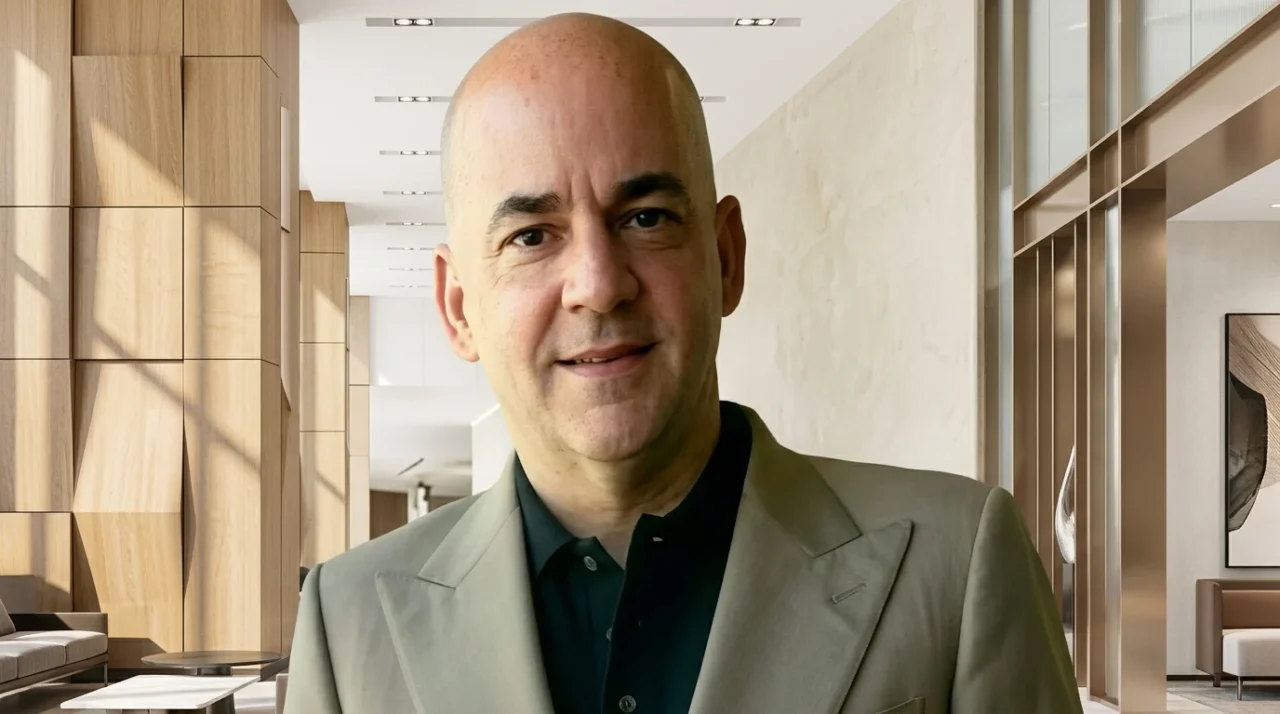
David A. Hall, Chief Revenue Officer at Hill Research, Co-Founder and CEO at TAMP, shared on LinkedIn:
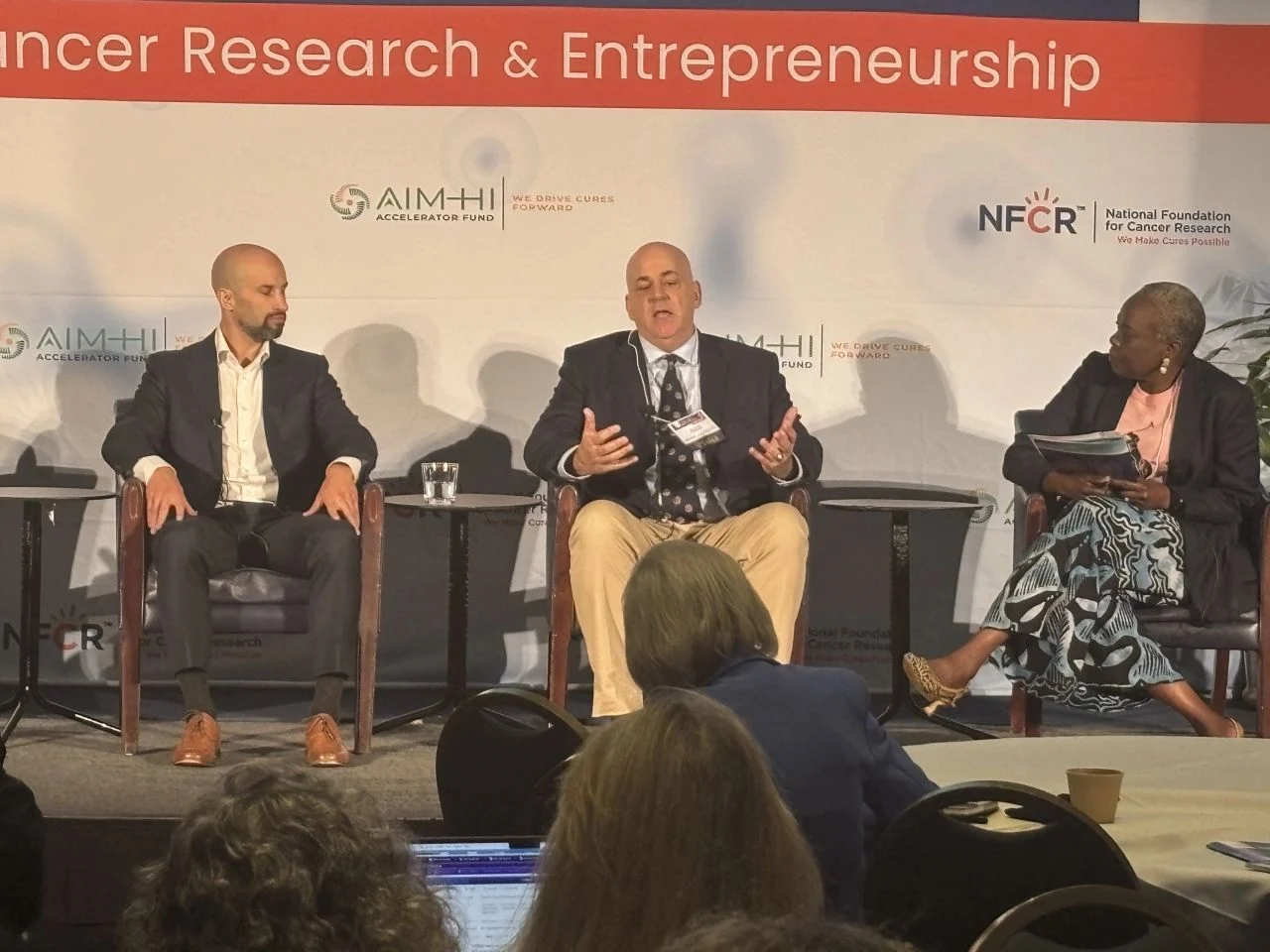
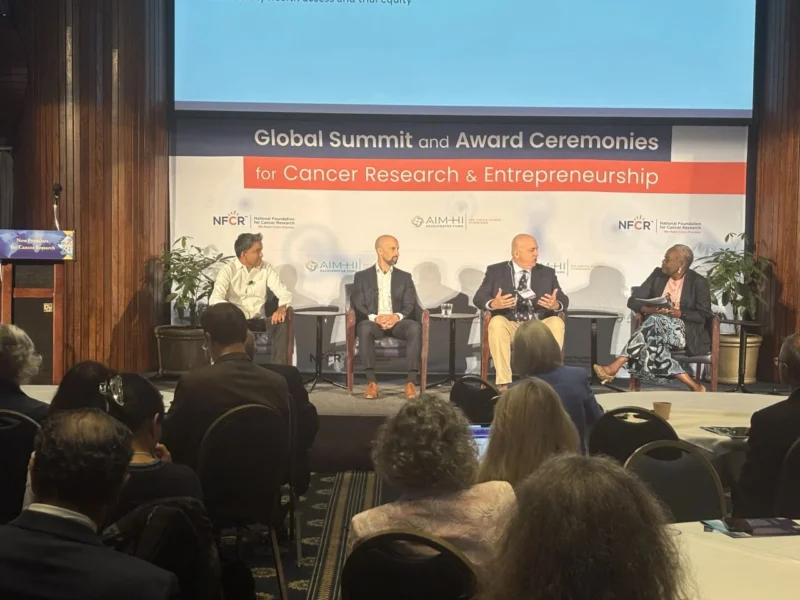
“Grateful to the National Foundation for Cancer Research (NFCR) and Sujuan Ba, for having me on Panel One: AI in Cancer Detection at the 2026 NFCR Global Summit in Washington.
Thank you to our moderator, Olufunmilayo (Funmi) Olopade, (University of Chicago Medicine), and to my fellow panelists Bill Lotter, (Dana-Farber Cancer Institute), Kapil Parakh, (Google Cloud), and Eytan Ruppin, (Cedars-Sinai Medical Center) for a conversation that went well past the usual talking points.
A few ideas from our discussion that I keep coming back to:
A score is not a decision. An AI model only becomes useful in the clinic when its thresholds are tied to positive predictive value and to what a clinician will actually do next under the standard of care.
Human in the loop is not optional. Regulatory expectations and clinical accountability both require expert sign-off at every step. AI should augment clinicians, not create automation bias or shift responsibility away from the people accountable for patient care.
Context of use has to follow the whole workflow. The FDA concept applies well beyond the model itself, all the way through how clinical data is prepared and submitted. When that is built in, agentic AI can compress work that once took a team months into a fraction of the time. Patients should have more control over their own data. We also talked about reverse innovation, and what communities in Nigeria and underserved parts of the U.S. can teach the rest of the system about doing more with less.
The conversations during the breaks were just as valuable, from clinical trial capacity building in Nigeria to breath-based lung cancer diagnostics to training the next generation of clinicians in digital health. Thank you to everyone who came, asked hard questions, and stayed to keep talking.
What do you see as the biggest barrier between a promising AI detection model and real impact for patients?
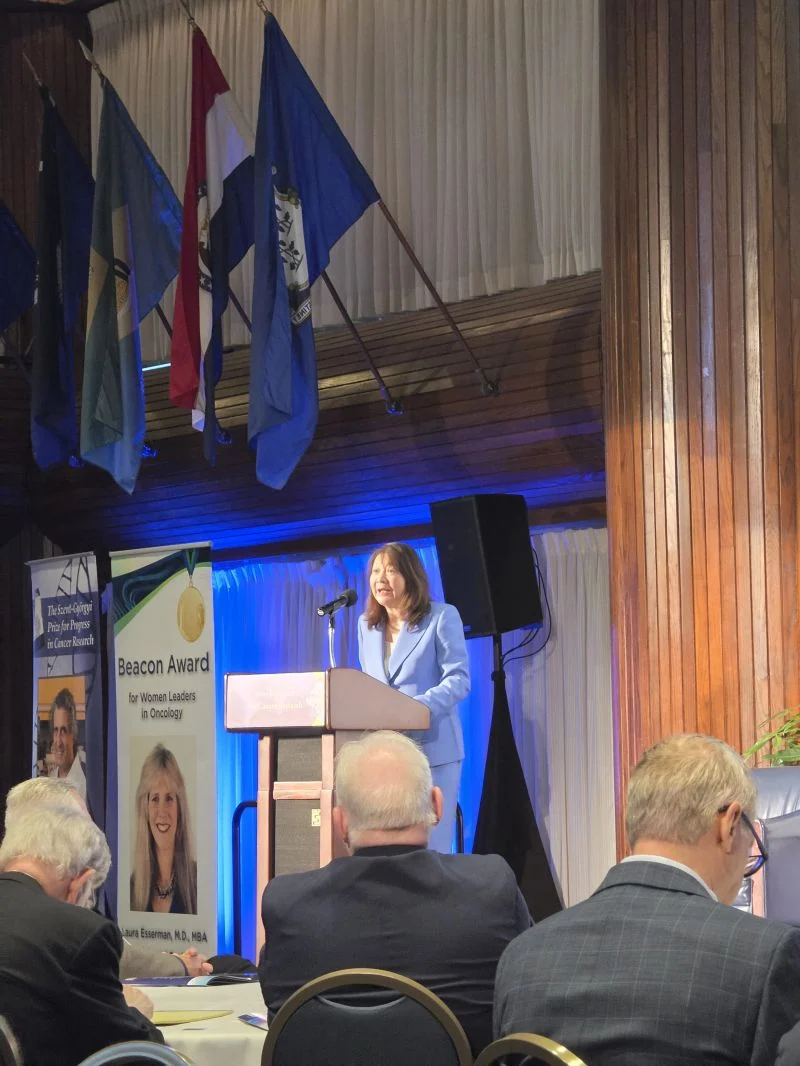
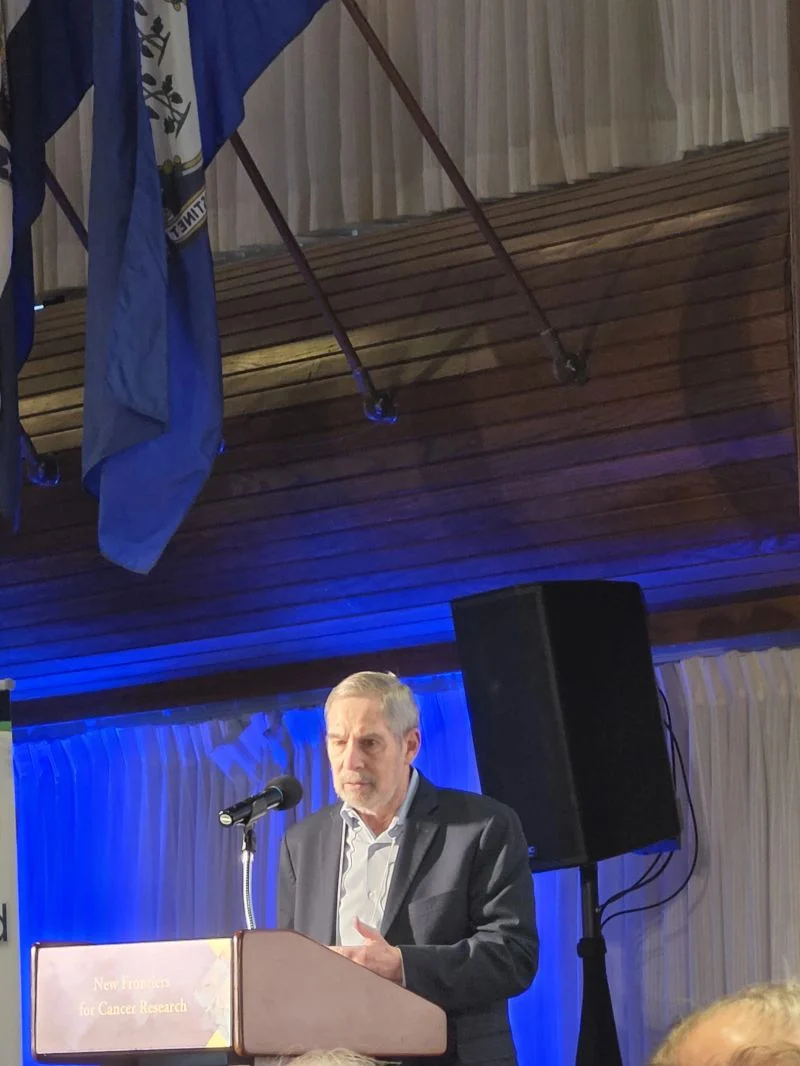
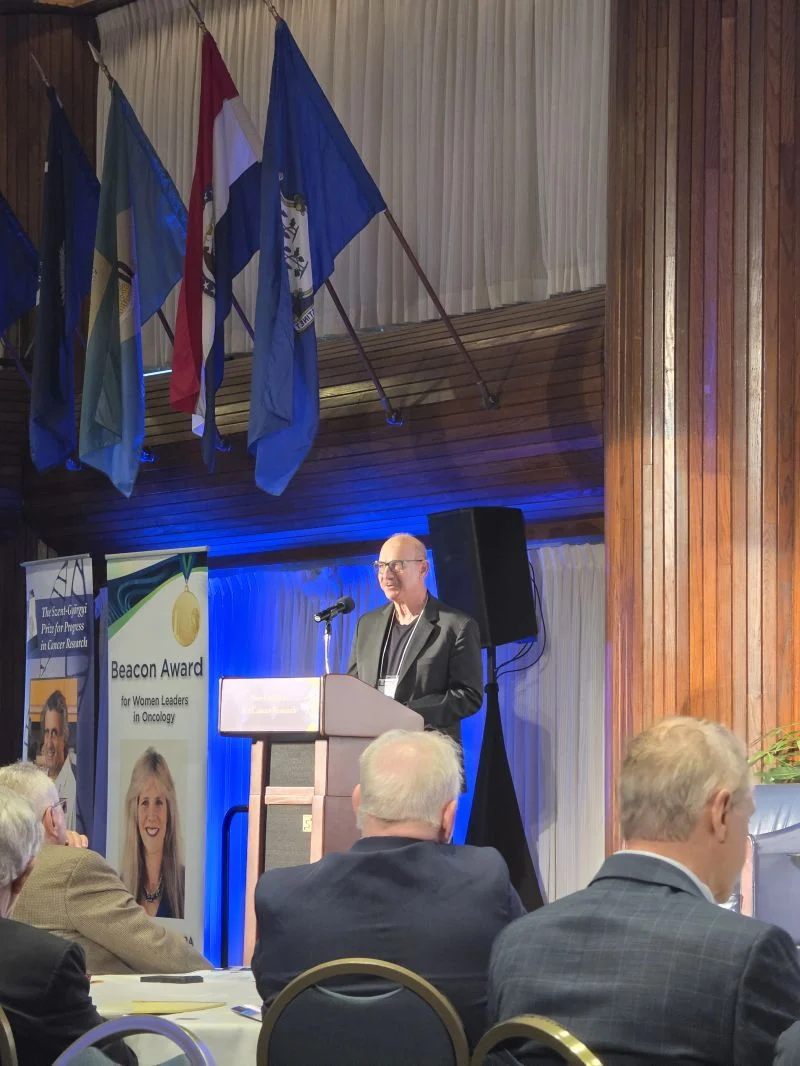
One of the best parts of the 2026 National Foundation for Cancer Research (NFCR) Global Summit was learning from the people sharing the stage. A few highlights I’m still thinking about:
Kapil Parakh, framed the day with the three epochs of AI in health care, from rule-based systems to deep learning to foundation models, and a clear-eyed look at the risks each one brings, from bias to hallucinations.
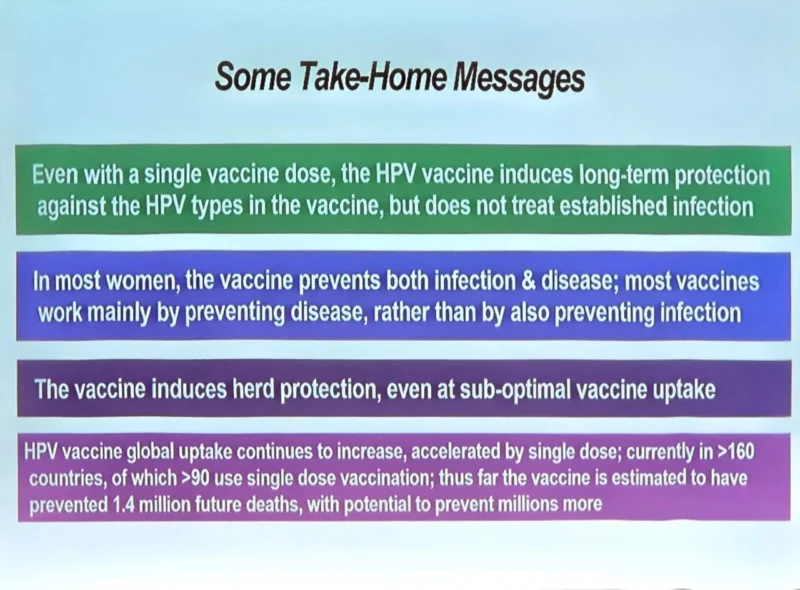
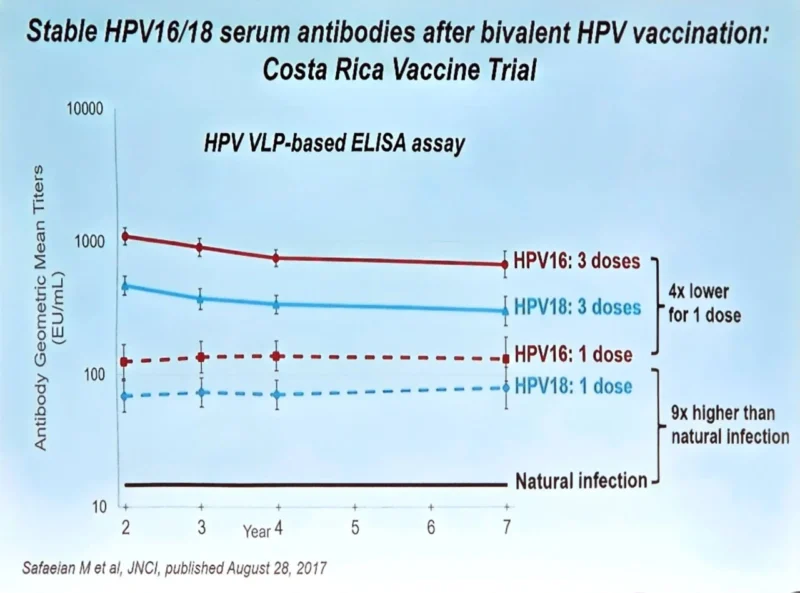
The HPV vaccine keynote was a powerful reminder of what prevention can do. The ESCUDDO trial in Costa Rica, led by Aimee Kreimer, and Carolina Porras, showed that a single dose provides durable protection. More than 90 countries now use single-dose vaccination, and the vaccine is estimated to have already prevented 1.4 million future deaths.
Ludmil B. Alexandrov, (UC San Diego) presented striking evidence that early-life colibactin exposure may seed mutations that later drive early-onset colorectal cancer. His framing of molecular twins stuck with me: the goal is not a digital copy of a patient, but a clinically useful model that updates over time.
The AI in Real-World Oncology Care panel, moderated by Josefa Maria Briceno, (AstraZeneca), brought together Teresa Davoli (NYU Grossman School of Medicine), Bruce Johnson (Dana-Farber Cancer Institute), Dan Theodorescu (University of Arizona Cancer Center), and patient advocate Neil Farber (UC San Diego). Dr. Davoli’s work using deep learning to read aneuploidy directly from routine H/E slides, and Dr. Johnson’s work on AI for pathology and clinical trial matching, showed how close some of these tools are to changing everyday decisions.
And my thanks again to Funmi Olopade, and Bill Lotter, for a great conversation on our AI and Cancer Detection panel, and to Sujuan Ba and Webster Cavenee, for building a community where scientists, clinicians, entrepreneurs, and advocates actually talk to each other.
The common thread across every session: AI is only as valuable as the clinical decision it improves and the patient it reaches.
Which of these areas do you think will reach patients first?”
Other articles about NFCR on OncoDaily.