Dana-Farber Cancer Institute shared a post on LinkedIn:
“This year’s ASCO26 meeting underscored the extraordinary pace of progress in oncology.
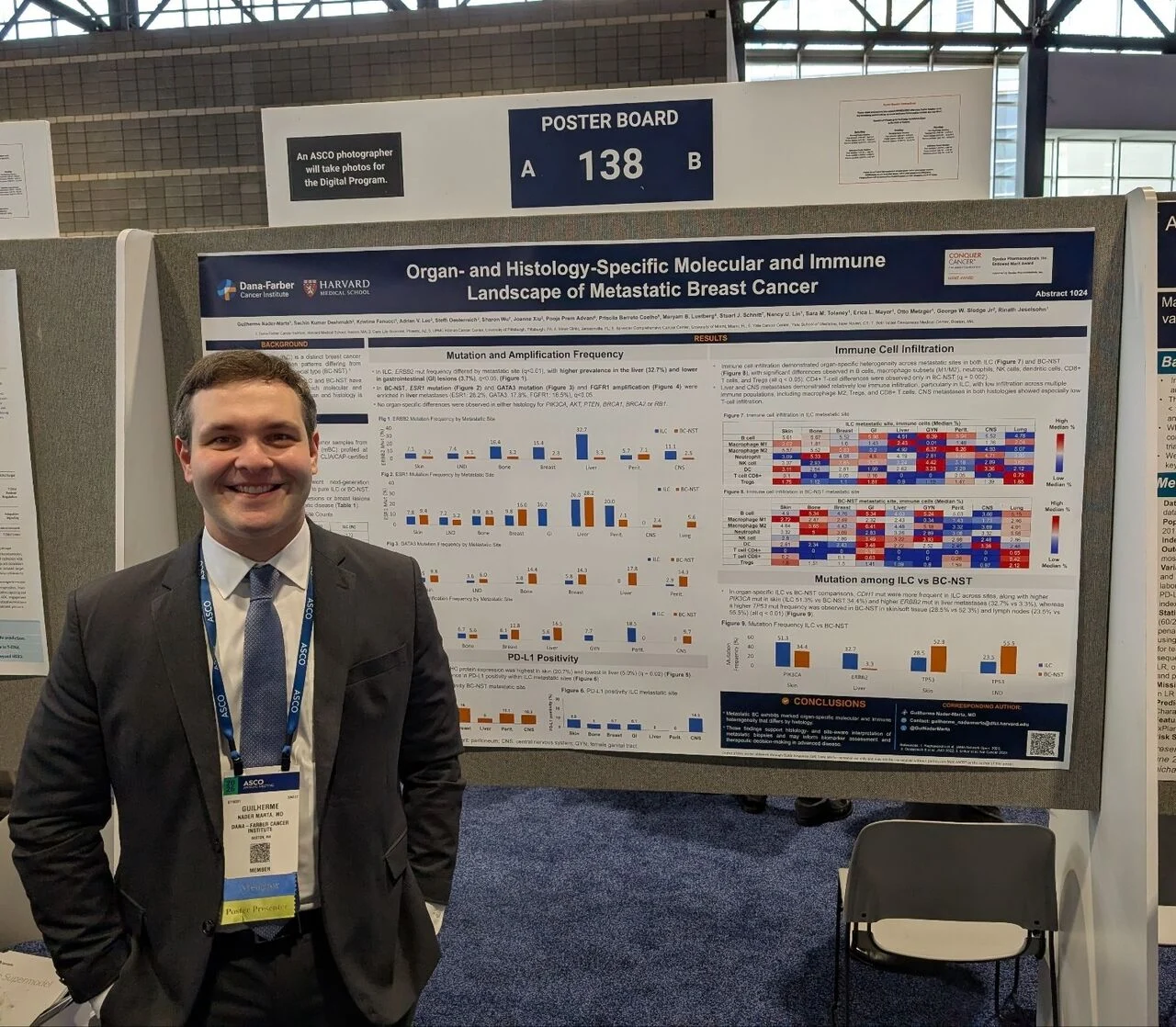
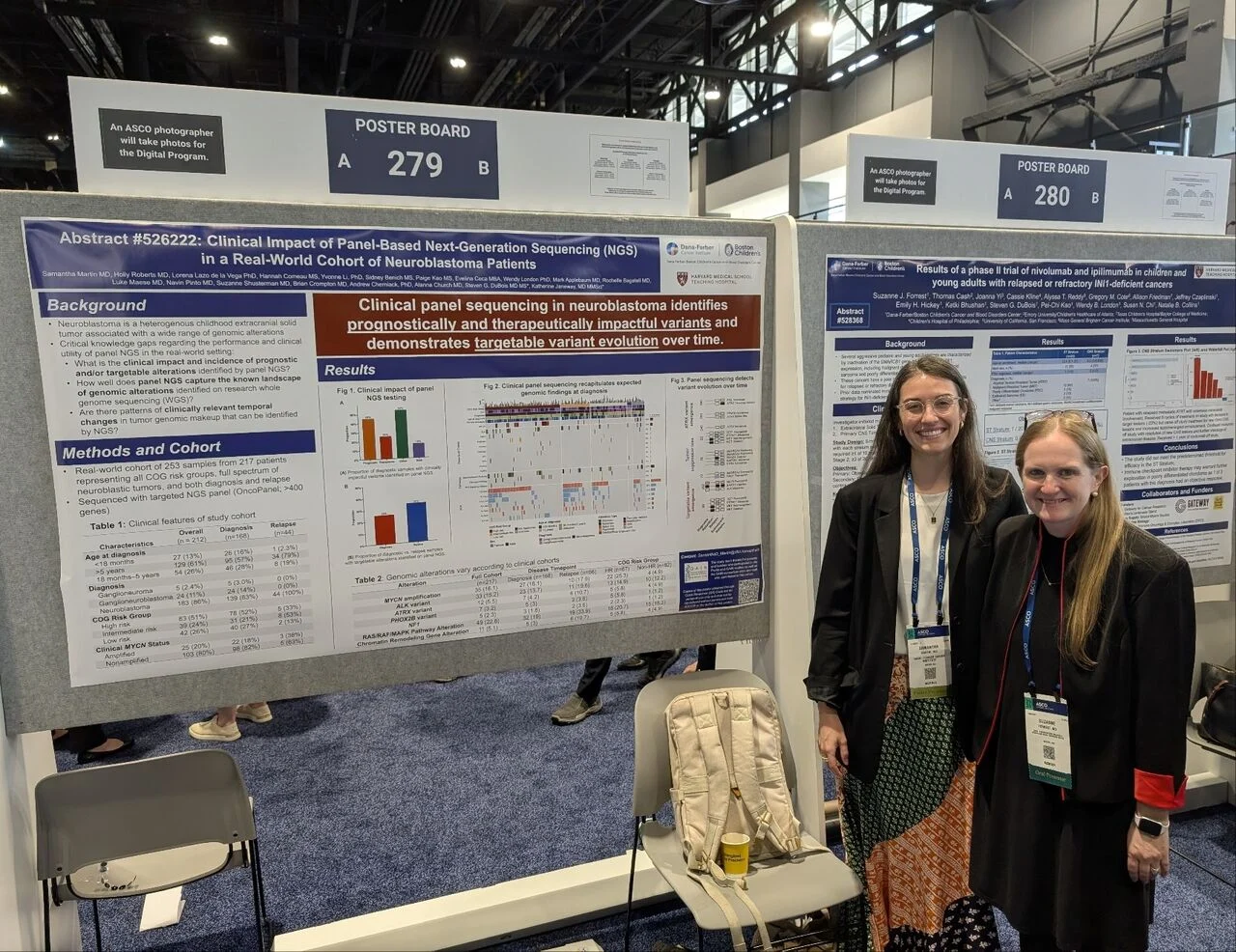
Across plenary sessions, oral presentations, and posters, our researchers shared findings that have the potential to change the way cancer is treated across multiple disease areas. More importantly, they offered new hope for patients and families facing some of the most challenging diagnoses.
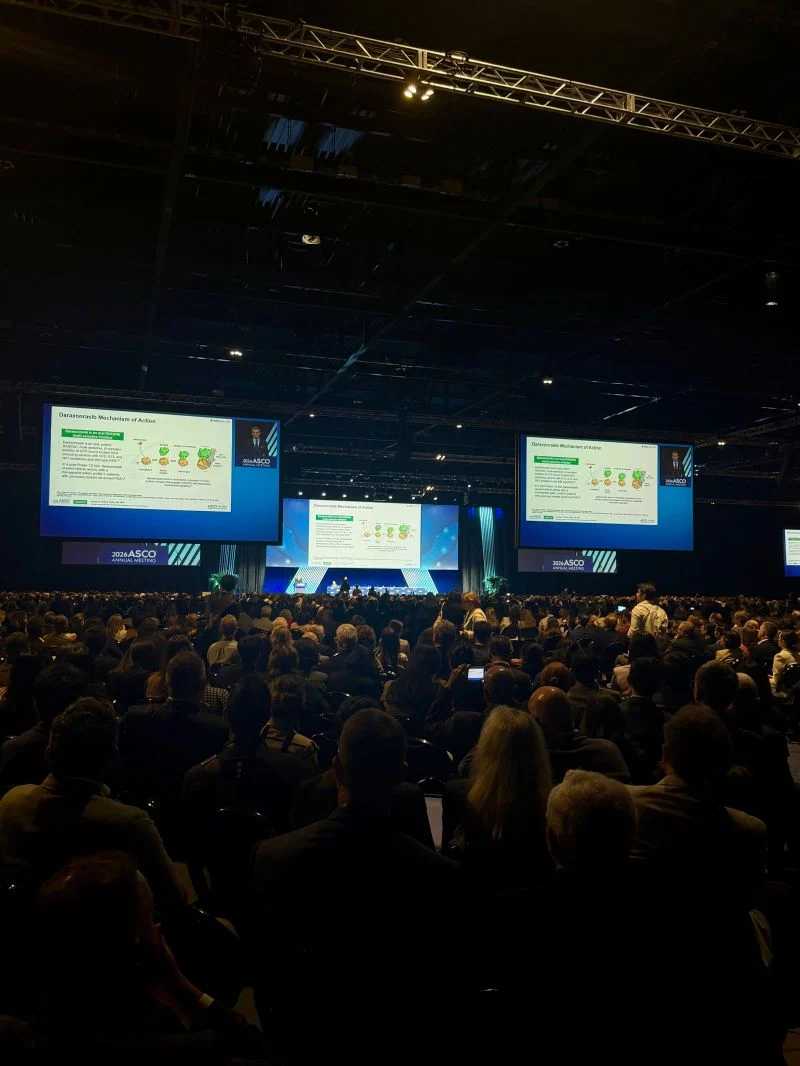
One of the meeting’s most memorable moments came during Brian Wolpin, MD, MPH’s presentation of the RASolute 302 trial. The data showed that daraxonrasib helped patients with previously treated metastatic pancreatic cancer live significantly longer than those receiving chemotherapy. The response from the audience — including multiple rounds of applause and a standing ovation during the presentation — reflected the significance of the findings and the potential impact. Learn more: RAS(ON) Inhibitor Doubles Median Overall Survival in Results of Phase 3 Trial for Patients with Metastatic Pancreatic Cancer
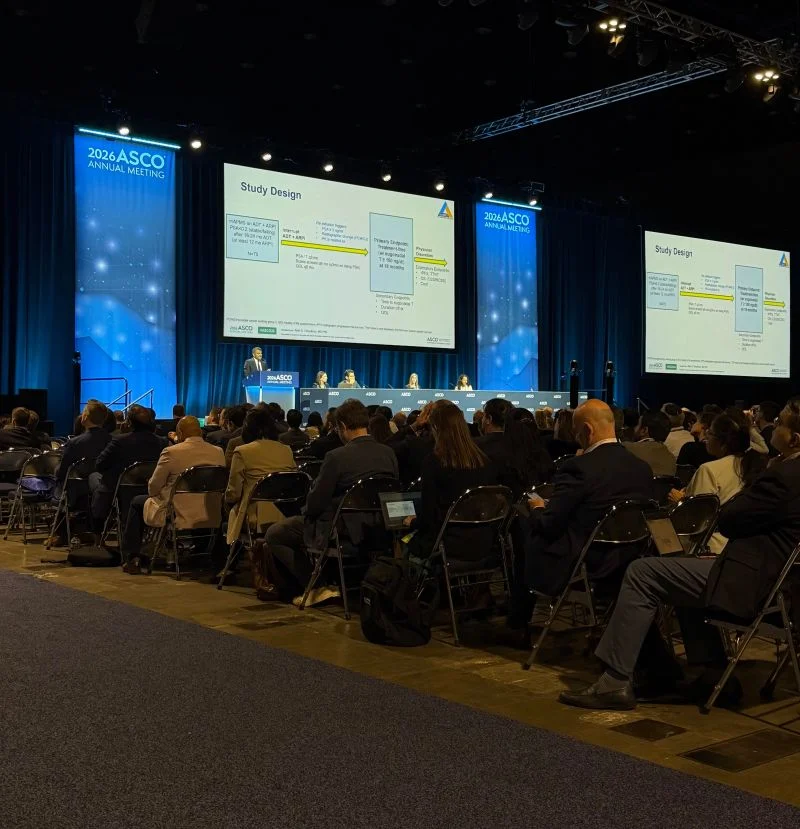
In prostate cancer, Mary-Ellen Taplin, MD, presented results from an international phase 3 study showing that apalutamide combined with hormone therapy before and after surgery improved outcomes for patients with high-risk localized and locally advanced disease. The trial met both primary endpoints, marking an important step forward for patients facing aggressive prostate cancer. Explore more: Perioperative Apalutamide in High-Risk Localized or Locally Advanced Prostate Cancer Reduces Risk of Metastasis and Death
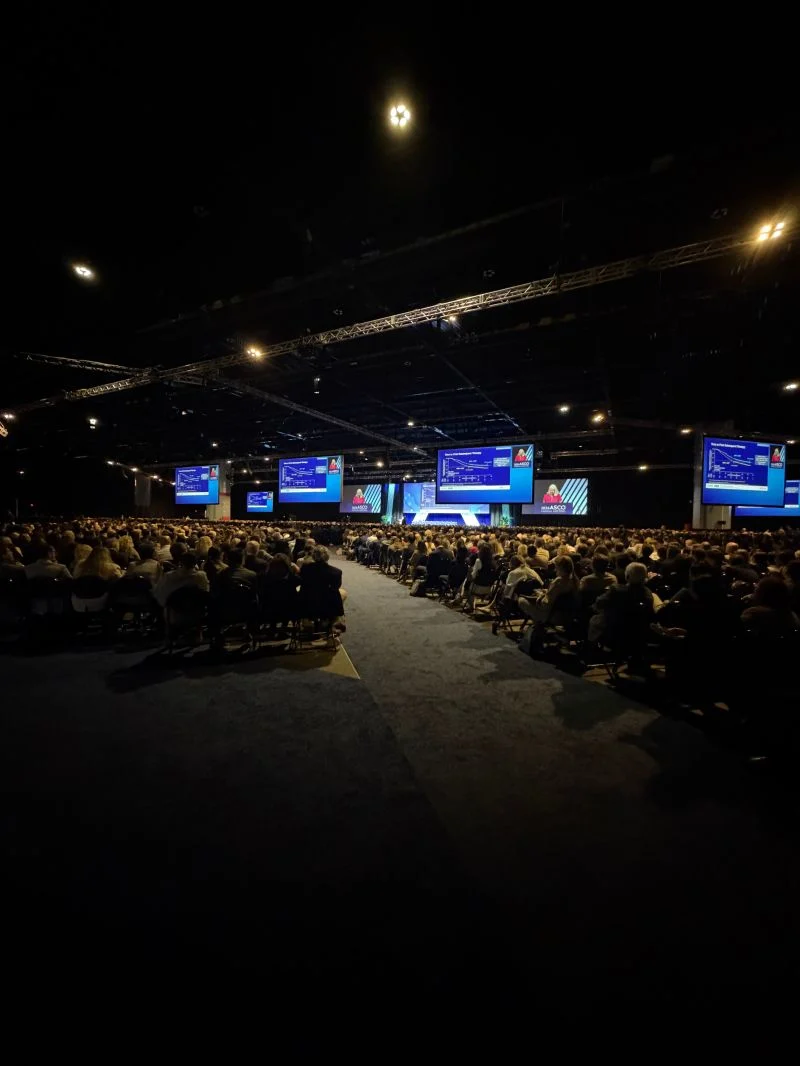
The momentum continued as Sara Tolaney, MD, MPH, shared findings that could help reshape treatment approaches for advanced triple-negative breast cancer, with growing evidence supporting the use of sacituzumab govitecan earlier in treatment. Learn more: ADC Provides Patients with Better Results Even After Subsequent Therapy for Advanced Triple-Negative Breast Cancer
And in multiple myeloma, Paul Richardson, MD, presented phase 3 data showing that adding mezigdomide to carfilzomib and dexamethasone significantly improved progression-free survival for patients with relapsed or refractory disease—highlighting a promising new option for patients in need of better therapies. Explore more: Addition of mezigdomide to standard therapy significantly improves outcomes in relapsed refractory multiple myeloma
While we’re proud of the research shared at ASCO this year, what motivates us most is what these advances could mean for patients—not years from now, but in the near future. Thank you to our workforce, partners, and most importantly, the patients who make this work possible.”
Other articles about Dana-Farber Cancer Institute on OncoDaily.