





City Cancer Challenge (C/Can), shared a post on LinkedIn:
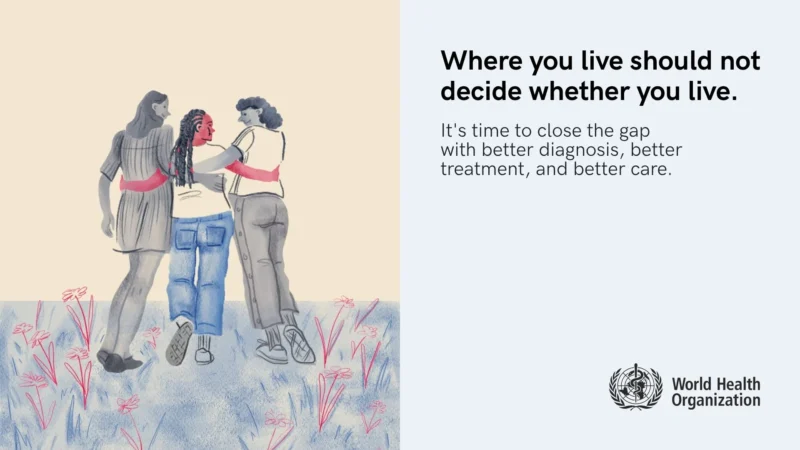
“Chances of surviving now depend less on the biology of the disease than on where we live. That is the opening of the World Health Organization’s Global Status Report on Cancer 2026, published this week with IARC – International Agency for Research on Cancer / World Health Organization. It is also the conviction C/Can was founded on: where you live and who you are shouldn’t determine the quality of care you receive.
The report’s most important finding is about implementation. Cancer inequity is not only a question of access to medicines and technology. It is the result of health systems that are too weak and fragmented to deliver them. WHO’s analysis is blunt: when cancer plans, treatment guidelines, medicines lists and financing are not aligned, national commitments never reach patients. A radiotherapy machine without trained physicists, maintenance and referral pathways treats no one.
This is precisely the gap C/Can works in every day. Our model exists because fragmentation is solved where care is actually delivered, in cities. In each C/Can city, local health professionals, governments, hospitals and partners sit around one table, assess their own system, and agree on shared priorities, often for the first time.
Then they fix what they found:
- Strengthening pathology, so diagnoses come faster.
- Building patient navigation so no one is lost between services.
- Training the workforce that keeps equipment running and referral pathways working.
Ten years of working alongside cities has taught us the same thing the report concludes: change is possible, and it starts with the system, chosen and led by the people who know it best.
The urgency is real. The solutions exist. Now we must implement them, and we know how. Join us!”
Other articles about IARC on OncoDaily.