Christos Tsagkaris, Orthopedic Surgery Resident at Solothurner Hospitals AG – soH, shared a post on LinkedIn:
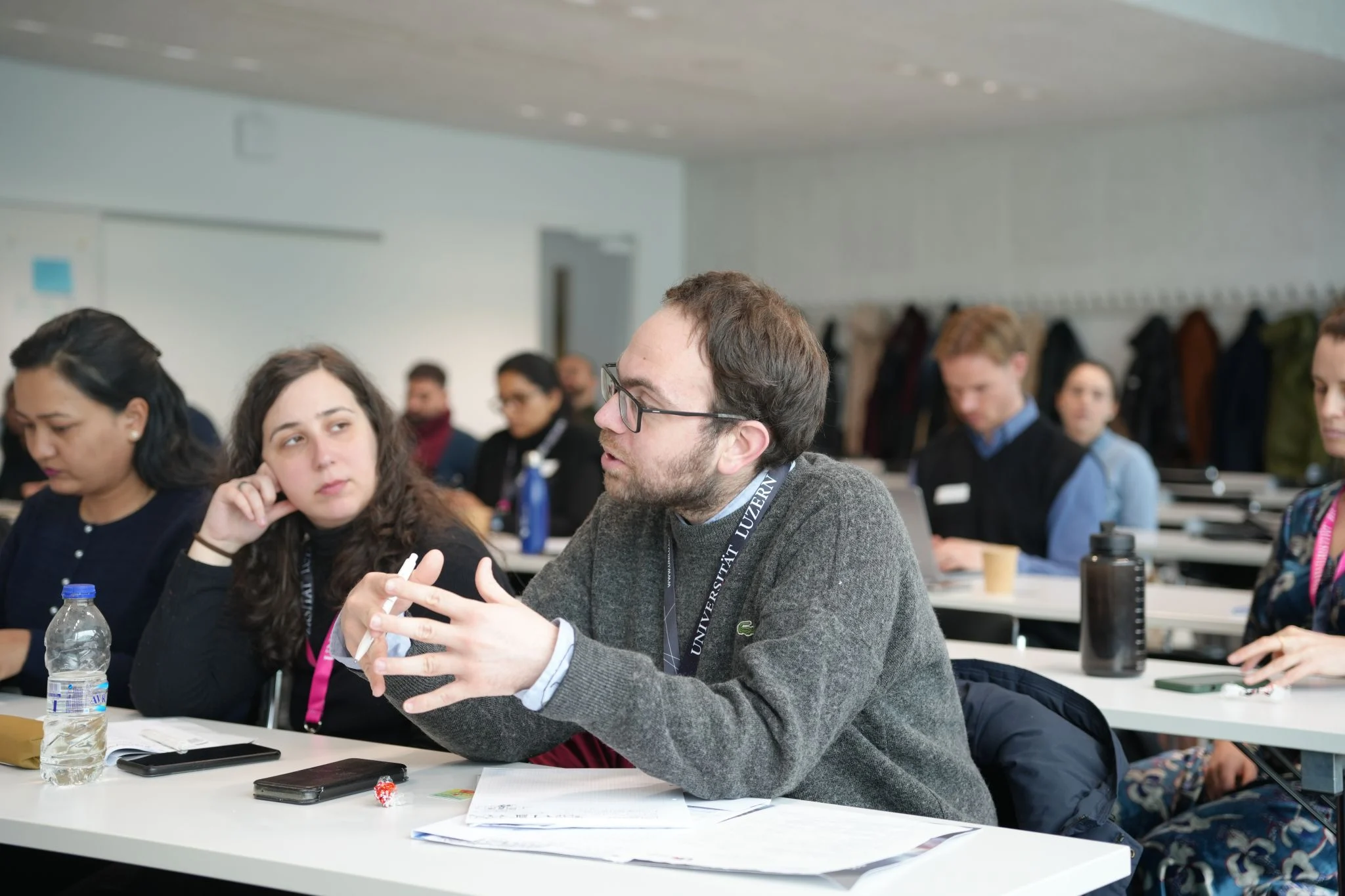
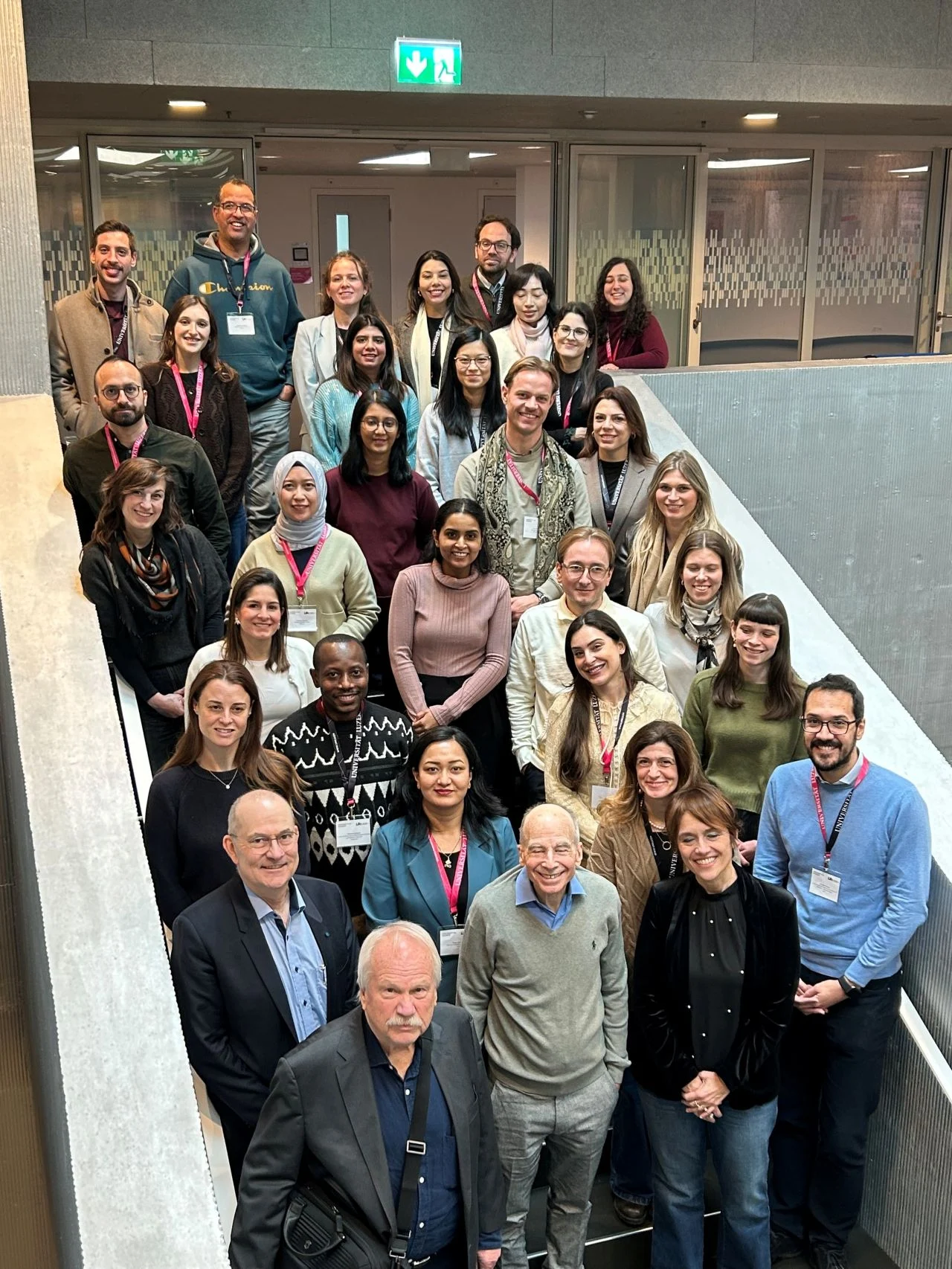
“Over the past few days at the LIFE Winter School on Health, Wellbeing and Functioning at the Universität Luzern, we explored what it truly means to understand health as something lived.
From philosophical and normative discussions on the meaning of wellbeing, to practical and intuitive approaches to measuring functioning, one central idea became evident. Although life, health, and wellbeing are difficult to define with precision, it is possible – and meaningful – to measure how people live, act, participate in society, and interact with their human and physical environments.
Measuring functioning has offered a deeper understanding of health – not as a binary state defined by diagnosis (morbidity) or its ultimate endpoint (mortality), but as a continuum shaped by daily activity, participation, context, and lived experience. Aristotle, one of the first intellectuals of wellbeing, would probably add here that making a habit out of this in our clinical and research practice is simultaneously ethically and intellectually virtuous.
Returning to work, I am taking at least two lessons with me. In the clinical assessment of movement and its disorders, diagnosis and treatment cannot be detached from a person’s lived restrictions in professional, social, and family life.
In health policy – including cancer prevention and control – addressing tobacco, alcohol, early detection, survival, and quality of life becomes even more meaningful when projected onto people’s actual functioning.
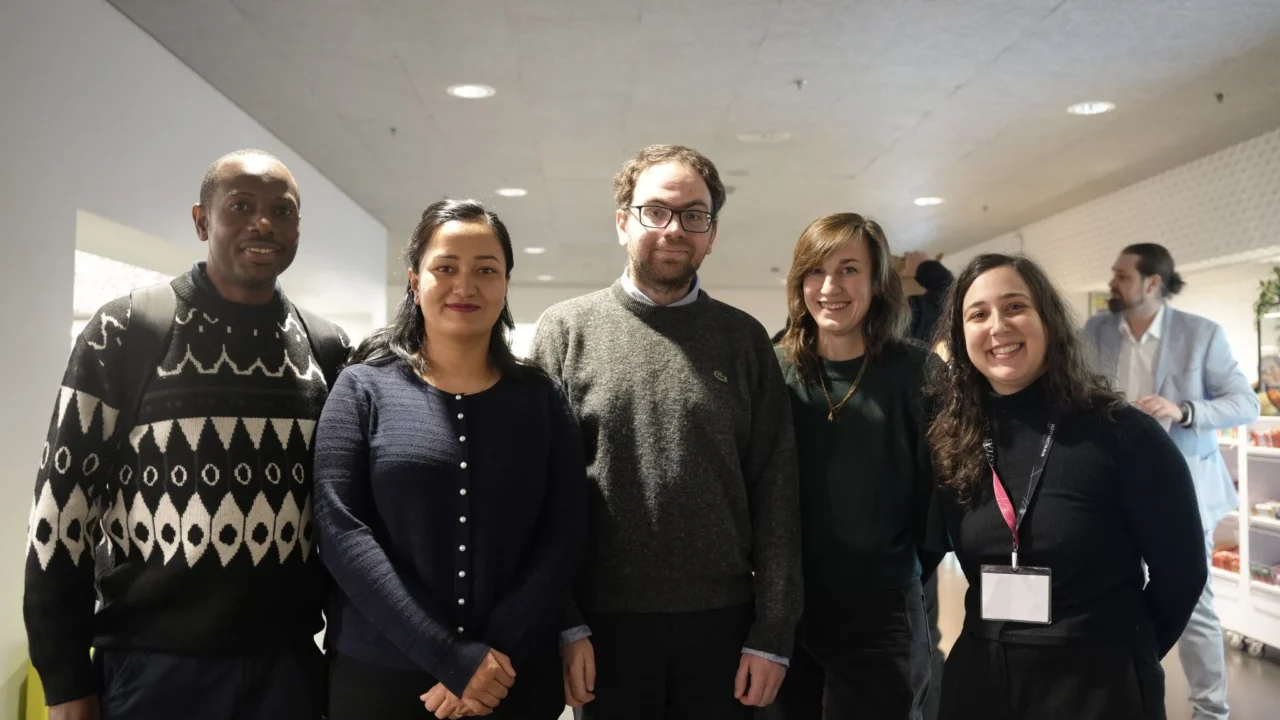
Beyond the formal program, informal discussions and exchanges with faculty and fellow participants offered numerous lessons and precious memories as well. A sincere thank you to the organizers and faculty of the University of Lucerne for creating such an intellectually generous and interdisciplinary space for reflection and dialogue.”
Other articles featuring Christos Tsagkaris on OncoDaily.