Christian Hyde, Clinical Assistant Professor at Wayne State University School of Medicine and Chief Executive Officer of Afton Oncology, shared a post on LinkedIn:
“‘The fault, dear Brutus, is not in our stars, but in ourselves’ – Shakespeare.
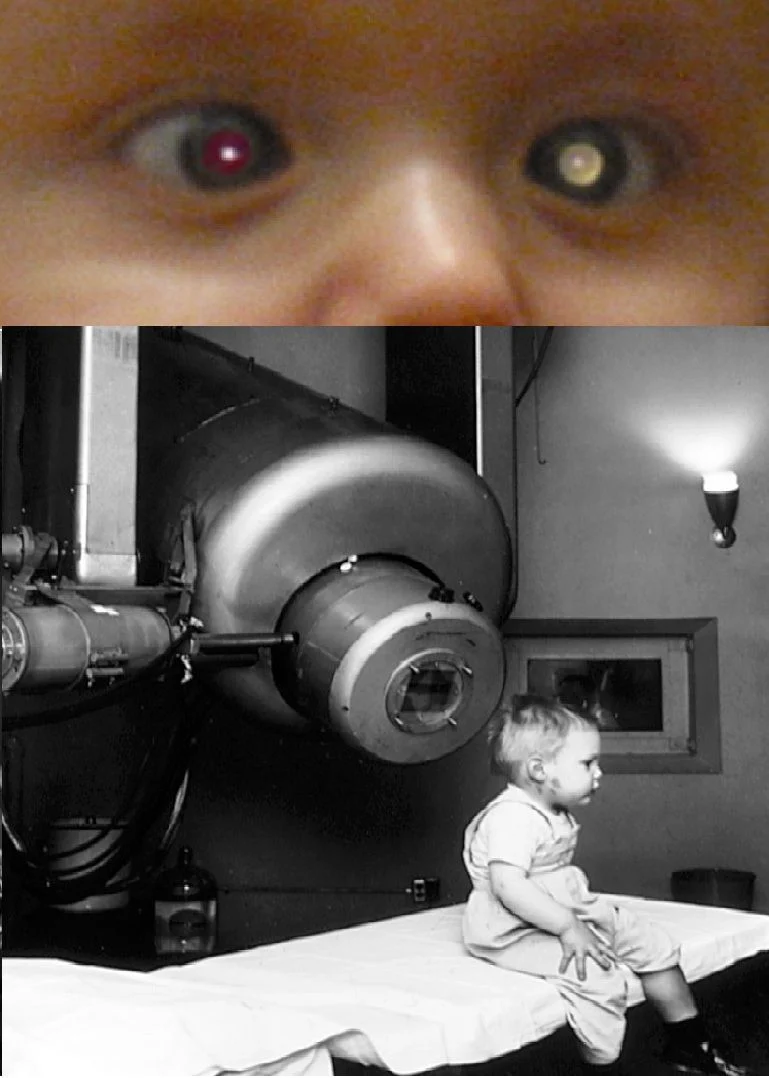
It doesn’t seem fair, but some of us are practically born with cancer. For example, white pupils in a child’s picture can be a sign of a broken Rb gene that causes Retinoblastoma, a white tumor of the retina (image from Wikipedia). The first patient treated with a Linac (high energy X-ray machine) was a child who lost one eye to Rb surgery and doctors wanted to spare vision in his remaining eye that also had a limited Rb tumor.
I’ve heard it said that ‘Cancer is with us from the beginning.’ The same genes that allow embryo cells to multiply and migrate to where they belong are the same that turn ‘on’ abnormally in cancers, allowing them to grow and spread where they don’t belong.
Continuing my series, The ABCs of PRT (PRoton Therapy), we’re on G for Genetics.
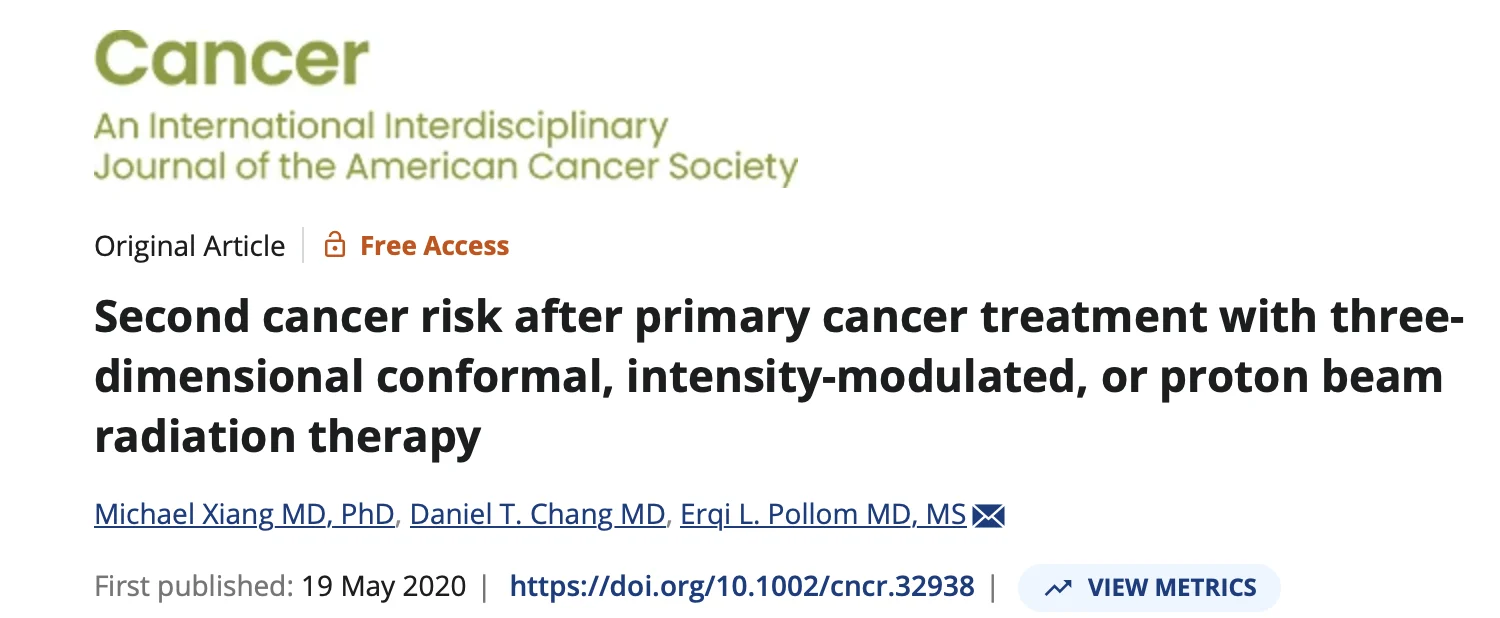
The 2023 ASTRO guidelines recommend coverage of proton therapy for patients who carry genes that increase the risk of future cancers, who represent 5-10% of all cancer patients. Protons are safer for these patients because protons can usually do the same job as X-rays with only 1/3rd as much whole-body dose to the patient, and no exit dose beyond the tumor area. Protons have been shown by Xiang et al. in the 2020 journal Cancer to carry a 69% lower risk of second cancers as compared to X-rays.
Cancer genes such as P53 (Li-Fraumeni syndrome), BRCA1&2 (Breast cancer risk, like Angelina Jolie), and others can carry a lifetime cancer risk of 80% or more. Recent headlines from Europe indicate that one sperm donor carrying a P53 gene mutation has resulted in over a dozen descendants with gene-related cancers.
I once cared for a p53 patient. I met him shortly before his 5th cancer, so I ordered genetic testing that confirmed he was a P53 mutation carrier. His family members were referred for testing too, as those who inherit the mutation can be screened using MRI scans that don’t increase cancer risk, unlike CT scans and X-rays.
So if your family has a lot of cancers, it may be worth consulting with a medical geneticist, many of whom work at cancer centers, to see if screening or risk-reducing interventions are indicated.”
Title: Second cancer risk after primary cancer treatment with three-dimensional conformal, intensity-modulated, or proton beam radiation therapy
Authors: Michael Xiang, Daniel T. Chang, Erqi L. Pollom
Read the Full Article on Cancer
More posts featuring Christian Hyde.