St. Jude Children’s Research Hospital shared on LinkedIn:
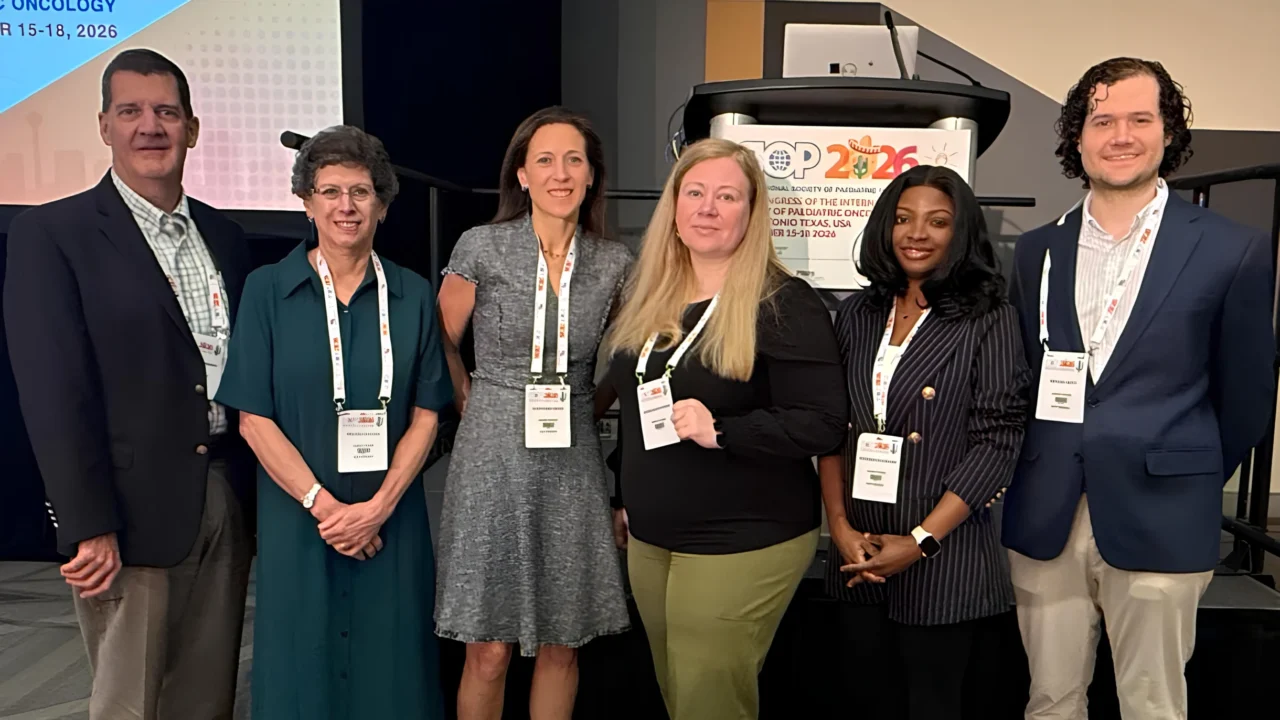
“Improving survival is only part of the childhood cancer journey. Researchers are also working to better understand and address the long-term health risks survivors may face years and even decades after treatment. At SIOP 2026, St. Jude investigators shared research examining late effects, quality of life and survivor-focused interventions aimed at improving outcomes across survivorship.
Several presentations explored how researchers can move beyond identifying risk to understanding its causes and developing strategies that may reduce its impact. Stephanie Dixon shared results from the ALLSTARS study (ALTE1631), which evaluated a digital, rewards-based physical activity intervention for young survivors. While fitness improved in the intervention group, the findings highlighted the need for more effective and durable approaches tailored to survivor populations.
Other studies focused on long-term cardiovascular health and the factors that shape risk. Deborah Ogunsanmi presented research from the St. Jude Lifetime Cohort Study (SJLIFE) examining the association between platinum chemotherapy and cardiovascular toxicity among survivors of childhood cancer. Kateryna Petrykey presented work investigating how genetic susceptibility may contribute to adult BMI in survivors, helping researchers better understand the biological and clinical factors that influence long-term health outcomes. Michael Betti also presented findings from a novel approach investigating the mechanisms underlying the increased risk of subsequent neoplasms in childhood cancer survivors during a late-breaking session at SIOP 2026.
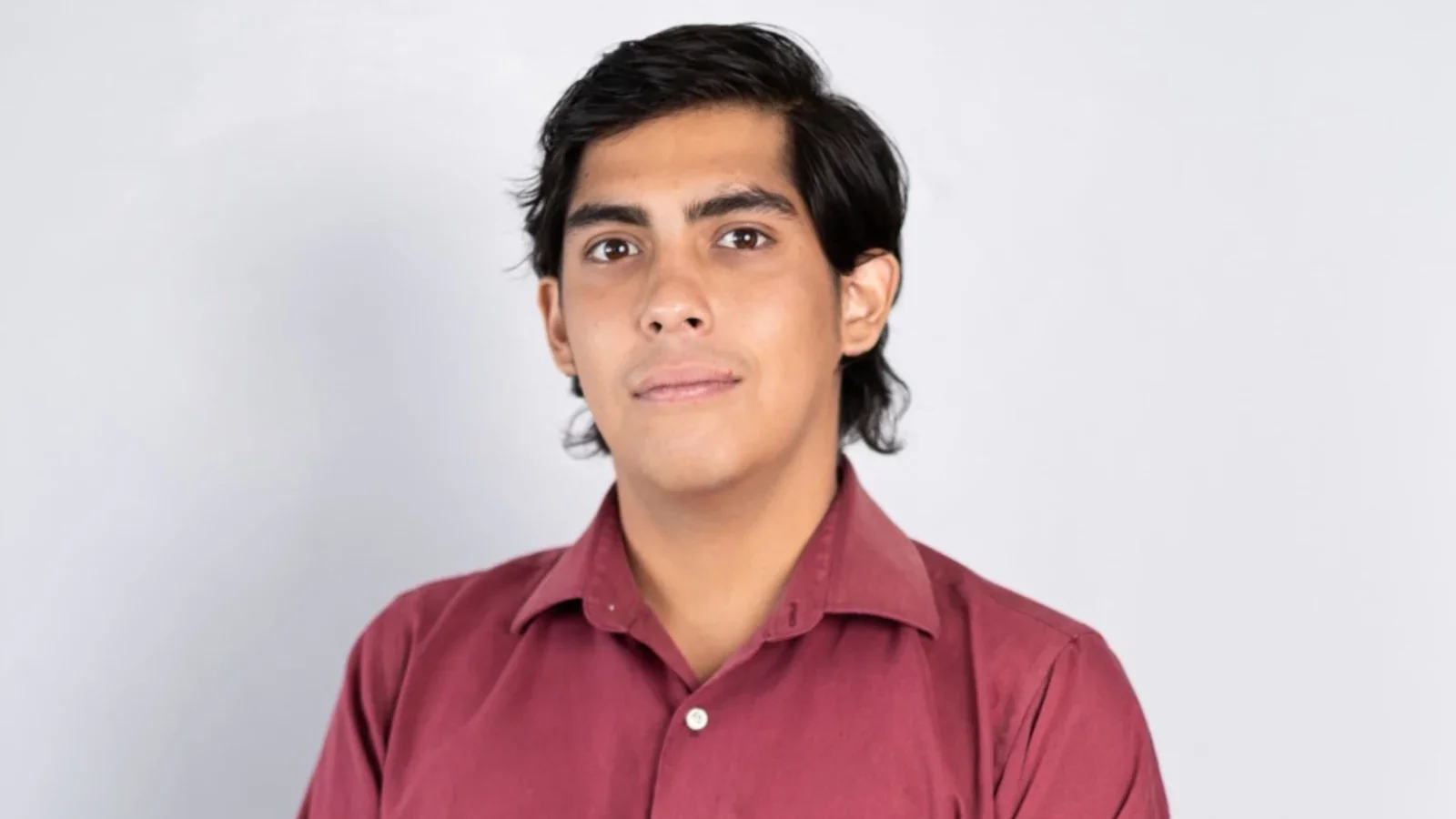
Survivorship extends beyond physical late effects. Miguel Navarrete presented findings from the Childhood Cancer Survivor Study that examined connections between social determinants, sleep and psychological distress. Together, these studies reflected a broader effort to understand how treatment exposures, genetics, lifestyle and social factors influence health and quality of life throughout survivorship.
‘More work is needed to develop effective, lasting interventions tailored to childhood cancer survivors,’ Dixon said. ‘By better understanding the distinct risks survivors face, we can design intervention strategies that improve long-term health and quality of life.’
From intervention design to long-term follow-up and risk assessment, this research reflects a continued focus on helping childhood cancer survivors live longer, healthier lives for decades after treatment ends.”
You can also read: The Advocacy Lens: How Faros de Vida is Transforming Childhood Cancer Survivorship Across Latin America