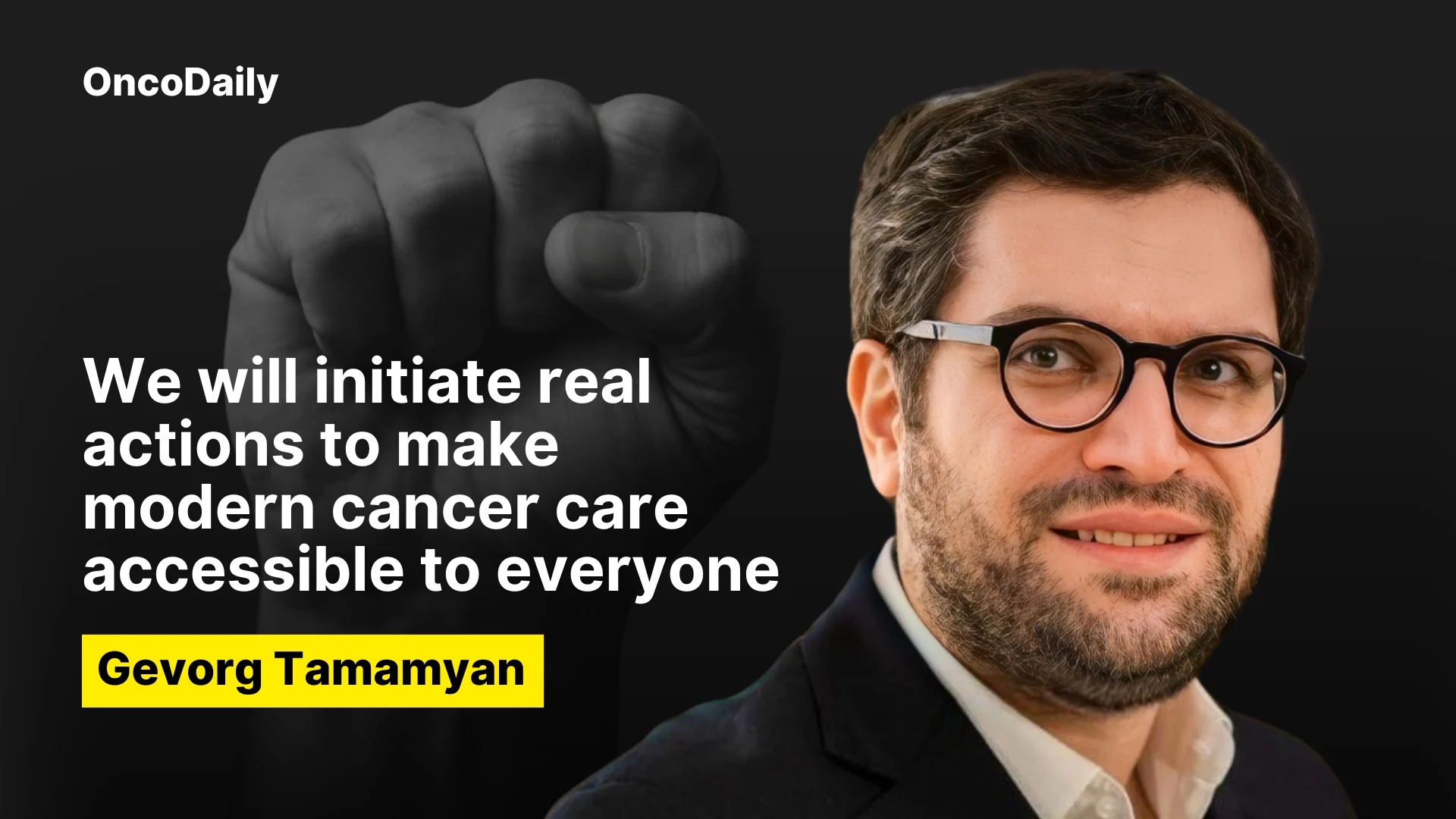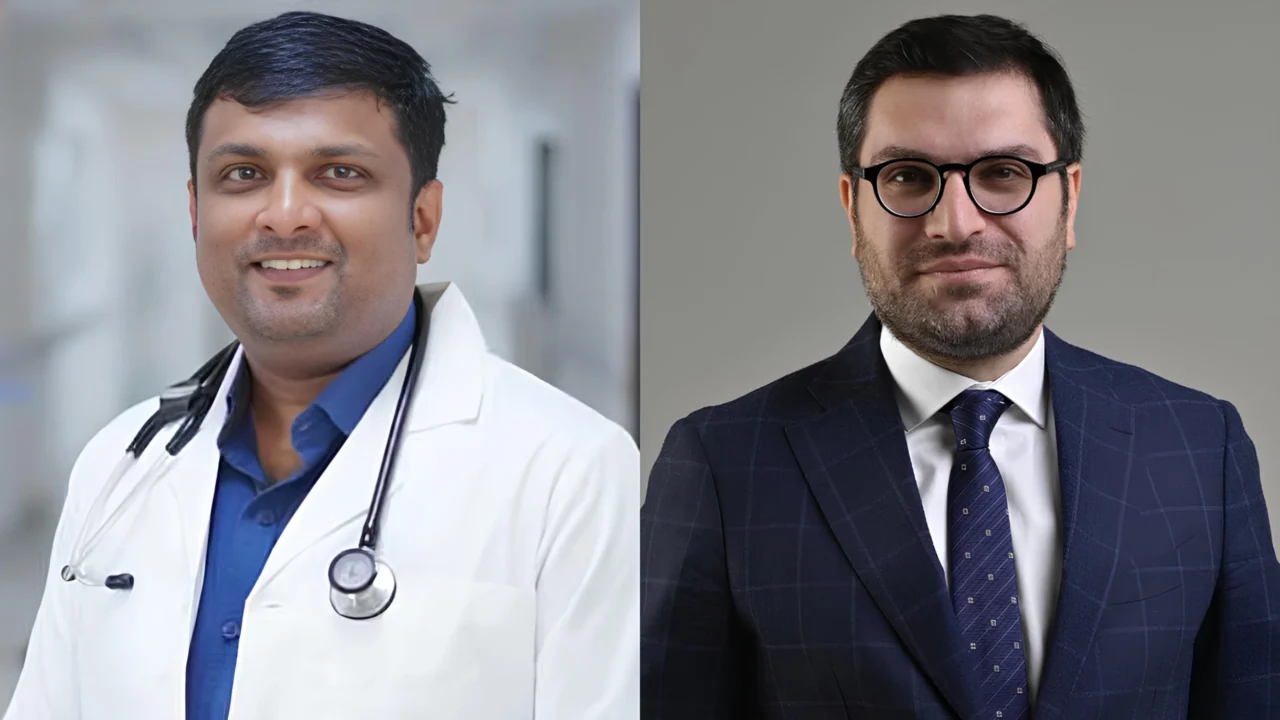
Chepsy C Philip, Deputy Director at Believers Church Medical College Hospital, shared a post on LinkedIn by Gevorg Tamamyan, Co-Founder and Editor-in-Chief of OncoDaily, President of SIOP Asia Continental Branch, and Pediatric Oncology East and Mediterranean (POEM) Group, adding:
“Absolutely agree, Gevorg Tamamyan. Many of us witness this every day in low- and middle-income countries- access to medicines is a problem. We have seen before that pressure can lead to action – the HIV story is a powerful example.
Antiretroviral therapy was once unaffordable and inaccessible to most of the developing world, until global advocacy, political will, and collective pressure forced a change. Millions of lives were saved because the world finally decided that those lives mattered, too.
The uncomfortable truth is that even today, human lives are valued differently depending on geography and race. With more than half of the global cancer burden and deaths occurring in developing countries, one would expect access to be a global priority – but it is not, unless and until the problem ‘hits home’ in wealthier nations.
CAR-T therapy is a painful example: not a single product is realistically accessible to most of the developing world because it is simply not seen as a viable market. Biologics across hematology and oncology tell the same story.
In hemophilia care, at least we have seen that sponsored access programs and humanitarian support can exist, even if imperfect – it proves that alternative models are possible when there is intent. Even if we cannot immediately recreate the scale of change seen in HIV, pledged access programs, tiered pricing, technology transfer, and regional manufacturing could be meaningful first steps.
Innovation that widens inequity is not true progress. I still hope that empathy and collective responsibility will prevail – because waiting for crises to affect the privileged before we act is not just inefficient, it is unjust. Or as you said – cruel!”
Quoting Gevorg Tamamyan’s post:
“Coming from the developing world, I know exactly what it means when something exists, when it could save a life, but it is simply not accessible to you. When you know there is a chance to save a patient, but that chance is blocked because of money, nothing feels more cruel.
Truly, injustice in health is the worst form of injustice.
For a person who knows that their child, a family member, or a loved one could be saved, but cannot be, simply because they have no money, this is the most devastating reality imaginable.
And today, this gap is not shrinking. It is growing.
We speak constantly about innovation, about new treatments, new diagnostics, but what do we actually see? These innovations are widening the gap, increasing suffering, instead of easing it.
Why is it that vincristine, MTX, or cytarabine, some of the most effective cancer drugs ever developed, can cost just a few dollars, while many of the new drugs, difficult even to pronounce, cost close to a million dollars for a single patient?
What are we doing wrong?
Why has the environment changed in a way that creates more disparity rather than less?
Over the years, we have built so many obstacles to innovation, to creativity, to those who want to create and improve medicine. How many years does it now take to develop a new drug? How much does it cost and why?
Some will say this ‘overprotection’ exists for safety and quality. And I challenge that assumption.
Has anyone calculated how many lives we are losing because of this overprotection? Has anyone truly analyzed the balance between risk and benefit?
I am not saying we don’t need oversight. I am not saying we don’t need regulation. But regulation should enable progress, not block it.
Has anyone analyzed how many small and medium-sized biotech companies have gone bankrupt simply because they could not survive long enough, and, as a result, how many potentially life-saving drugs are still sitting on shelves, never approved, never reaching patients?
Some of them could have been the next imatinib or doxorubicin, but they never made it out of the lab.
So what should we do? What can we do as a society, as individuals, as organizations?
When we founded OncoDaily, we never imagined that, so soon, it would become what it is today. Our goal was simple: to democratize medical media. To give a voice to everyone. And that is exactly what we did, and that, I believe, was the key to our success. Our mission was to become the voice of oncology. And we are.
But raising problems is not enough.
OncoDaily will now go further, suggesting solutions and, most importantly, initiating and creating real actions to make modern cancer care accessible to everyone. From prevention to diagnosis, from treatment to follow-up!
Step by step, we can make it happen. We will start from oncology and will penetrate other fields of medicine.
We built OncoDaily from zero, and in just 2 years, it became a global leader. And we can do more.”