





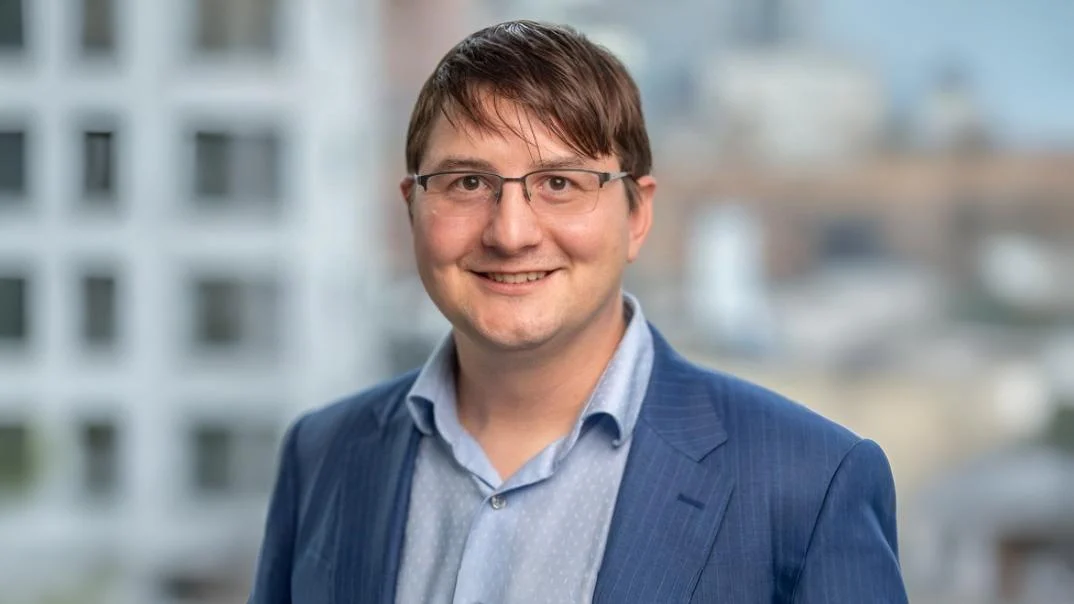
Chad Vanderbilt, Assistant Member and Pathologist at Memorial Sloan Kettering Cancer Center, shared Mehrdad Rakaee’s post on LinkedIn, adding:
“Thank you Mehrdad Rakaee. This is great validation of the power of fine-tuning pathology foundation models, adapting the weights to the end task. This is what my laboratory (Neeraj Kumar, Ph.D., Swaraj Nanda, Siddharth Singi) along with Gabriele Campanella at Mount Sinai is so focussed on as we see this as the most direct path to making models robust for routine clinical use as we describe in our manuscript.
It is very interesting to see the Ancestry differences. It would be great to incorporate a broader group of patients using the fine-tuning technique used in EAGLEv1.”
Quoting Mehrdad Rakaee, Associate Professor at Harvard Medical School, Researcher at Imoerial College London, on LinkedIn:
“Can we trust open-weight AI pathology foundation models in the clinic?
Out in JAMA Oncology: we did external validation of EGFR histology-based prediction models in >2000 lung cancer patients from US and European cohorts. The EAGLE model, developed by Chad Vanderbilt et al, showed the strongest performance on these unseen datasets.
Genome-derived ancestry analysis showed performance differences across particular ethnic subgroup, which may highlight the importance of demographic diversity in model training.
This blinded evaluation supports the potential of EGFR status inferred from routine histology as a rapid complementary tool in clinical practice.”
Other articles featuring Mehrdad Rakaee on OncoDaily.