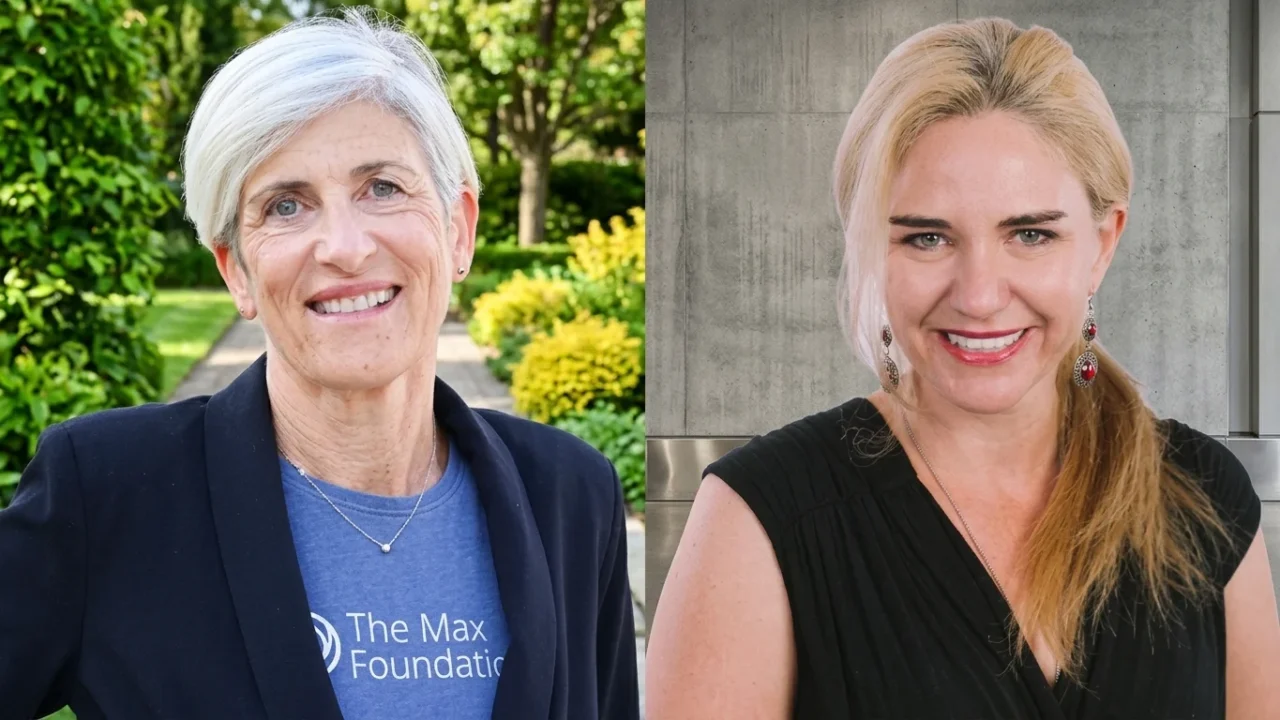
Cathy Scheepers, Region Head For Africa and The Middle East at The Max Foundation, shared on LinkedIn.
“As we step into November, some of us pause to look back at October and everything that came with Breast Cancer Awareness Month. For many, the pink ribbons have already been packed away, ready to return for the 2027 campaign.
In many ways, we have come a long way. We know that with early detection, timely diagnosis and the right treatment, many people with breast cancer can achieve good outcomes. We know that educating women and men to understand their bodies, recognise changes and seek help early can save lives and reduce the resources required to treat advanced disease.
I therefore applaud every institution, agency, organisation, physician, nurse, patient advocate and individual who commits time and resources to breast cancer awareness and early detection. This work is essential.
But we also need to ask:
What happens after a person finds a lump or notices a change?
Despite the efforts of so many champions, a large proportion of breast cancer cases across Africa are still diagnosed at an advanced stage. We must therefore invest not only in teaching people to recognise the signs and symptoms, but also in ensuring that they can access diagnosis, treatment and ongoing support.
For many people across the continent, cancer still feels like a death sentence. Fear and stigma prevent people from speaking openly or seeking help. There is often a quiet hope that the problem will simply go away.
And when help is finally sought, patients may find themselves navigating complex and fragmented referral pathways in a world of medicine so unfamiliar that it might as well be another planet. The cost of consultations, diagnostic tests and treatment can feel like the price of a journey to the moon.
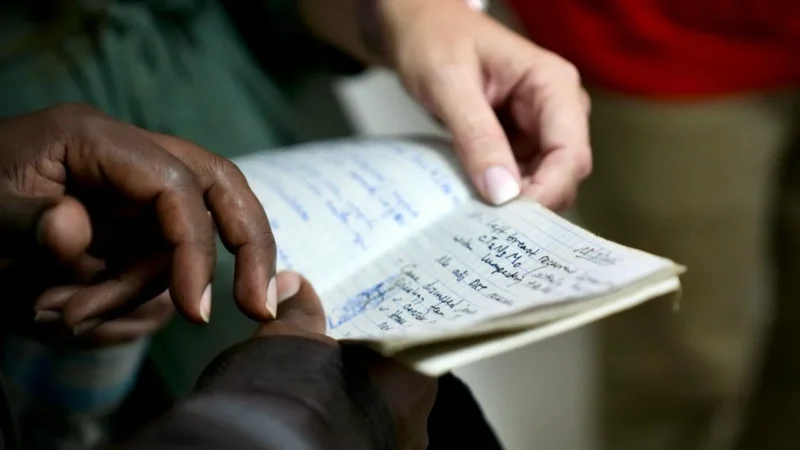
Beyond the fear and the financial burden, there is also the time away from work, family and community. There are transport costs, repeated hospital visits, lost income and the emotional weight carried by both patients and caregivers.
Let’s be honest: screening without a pathway that patients can understand, access and afford may identify a disease without offering a realistic route to care. It can create fear and despair, not only for the individual, but also within the wider community.
The investment made by ministries of health, healthcare institutions, partners and patients is also at risk when a person cannot reach treatment or complete the prescribed treatment cycle because transport is unaffordable, medicines are out of stock or the referral pathway is unclear.
If patients are encouraged to come forward but are then unable to access or complete treatment, we risk reinforcing the very stigma we are trying to overcome: the belief that cancer equals death.
We have almost a full year before the next October campaign begins. What can we change during that time?
How do we ensure that a person who identifies a possible symptom receives more than information about signs and symptoms? How do we help that person move through a clear, affordable and supported pathway, from detection to diagnosis, referral, treatment and completion of care?
The pink ribbon is important. Awareness is important. Early detection is important.
But beyond the screening, there must be a clear, supported pathway.”
To which, Pat Garcia-Gonzalez, Chief Executive Officer at The Max Foundation, added:
“Thank you Cathy Scheepers for your thoughtful perspective and for pushing us to do more to prevent premature deaths from breast cancer. As you say, awareness is important; screening and early detection are important steps, but we need strategic and catalytic investments along the treatment continuum.
We know what to do, we know what works, we know it is possible to improve survival. However sometimes these are inconvenient truths that don’t fit how those in power to help wish it to be. I believe a good place to start is with radical acceptance of what works in reality, and of what we need to do to improve survival.”
This also can be interesting: