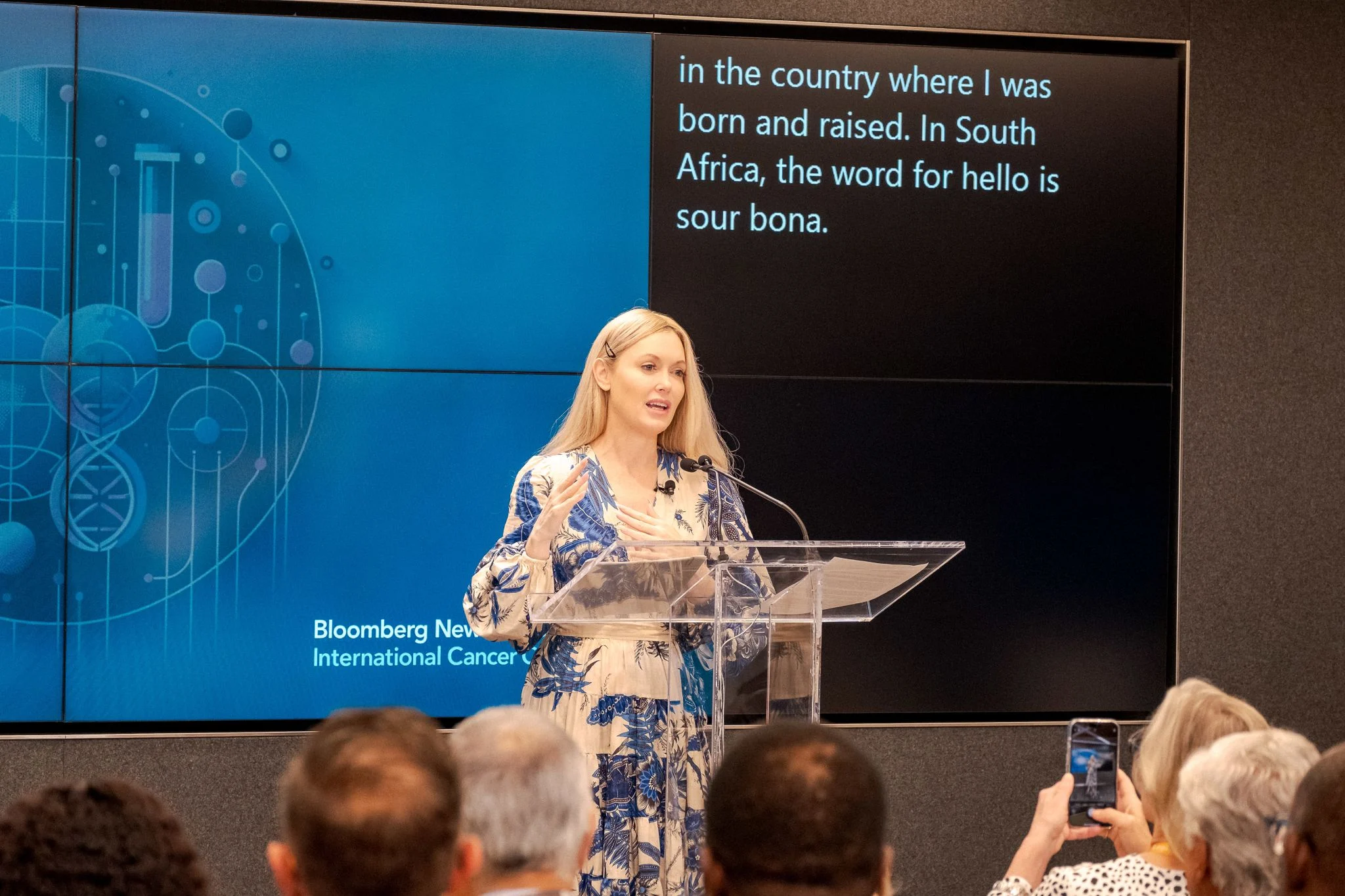
Catharine Young, Senior Fellow at Harvard T.H. Chan School of Public Health, shared a post on LinkedIn:
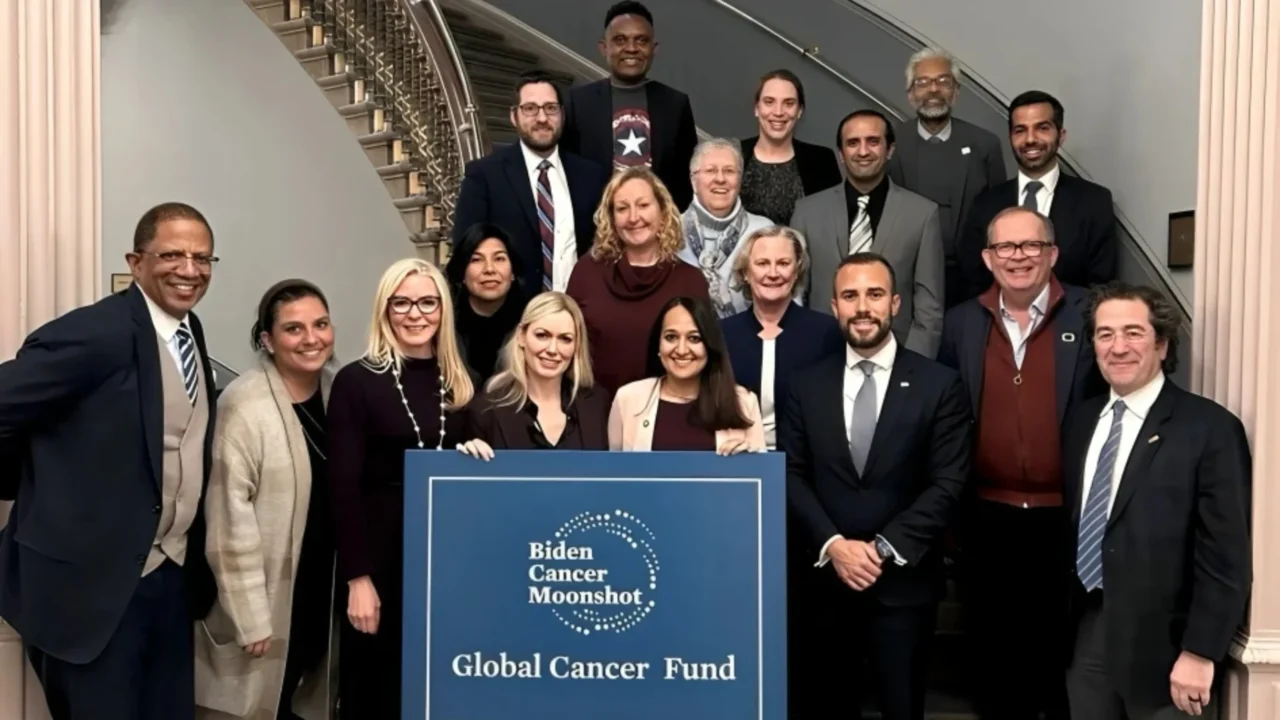
“Exactly one year ago today, I had the privilege of hosting a White House roundtable on the creation of a Global Cancer Fund, a time that also saw my role at the Biden Cancer Moonshot come to an end.
I can still feel the weight of that moment – both what it represented and what it set in motion. It also reflected a concern we were actively grappling with in the room – and one made painfully clear this past year – that global health has reached a true inflection point. Traditional aid models are no longer keeping pace with need. Nowhere is this more evident than in cancer, now a leading cause of death worldwide, yet still treated in financing terms as discretionary rather than foundational.
The question before us then – and now – is not whether cancer deserves greater attention, but whether we are willing to fundamentally rethink how cancer care is financed.
The Global Cancer Financing Platform has since then emerged from that recognition. Not as a replication of existing global health mechanisms, but as a deliberately different model, one that treats cancer care as national infrastructure, essential to economic stability, human capital, and long-term development.
The past year has been a period of intense, behind-the-scenes work focused on building the foundation required to move from concept to reality and included:
- An official launch on the margins of UNGA, moving from concept to an internationally recognized financing effort.
- Formal endorsement of the Declaration of Support by Uganda, Uzbekistan, Kenya, Nigeria, Gabon, and Guatemala, with many other countries in the works.
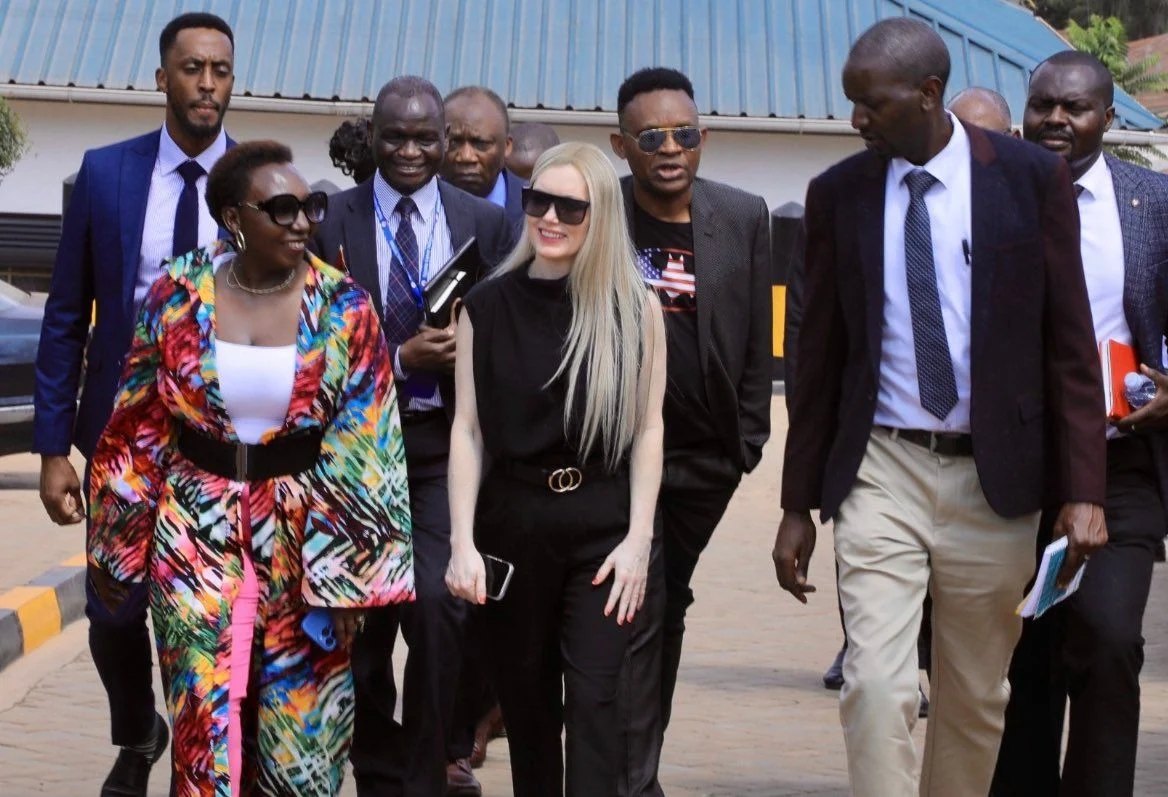
- The advancement of a first-of-its-kind pilot in Uganda that explicitly reframes cancer care as national infrastructure, linking sovereign leadership, diaspora capital, and innovative financing mechanisms to build durable cancer systems rather than stand-alone programs – the first test case of the innovative financing mechanisms being considered.
- The development of a cross-sector coalition spanning governments, multilateral institutions, philanthropy, finance, technology, clinicians, and advocates, aligned around the premise that cancer outcomes will not change without changing the financing systems beneath them.
One year on, the resolve we left that room with is stronger – not because the work is easy, but because the stakes are unmistakably high.
I am beyond grateful and deeply indebted to so many who have contributed their time, expertise, trust, and belief to this effort and while I have So many to thank and so little characters left, my deep gratitude to those who have been a part of this work since that day one year ago: Julie Gralow, Patricia LoRusso, Margaret Foti, Cary Adams, Andre Ilbawi, Julian Adams, Anu Agrawal, Joanne Manrique, Raj Panjabi, Felice Gorordo, T. Peter Kingham, Wil Ngwa, Samantha Diamond, Catharine Grimes, Timothy Rebbeck, Kamal Menghrajani, Asal Sayas, Kathryn Kundrod, Emily Cheung, Bridget Thorpe, Jackson Frost.”
More posts featuring Catharine Young.