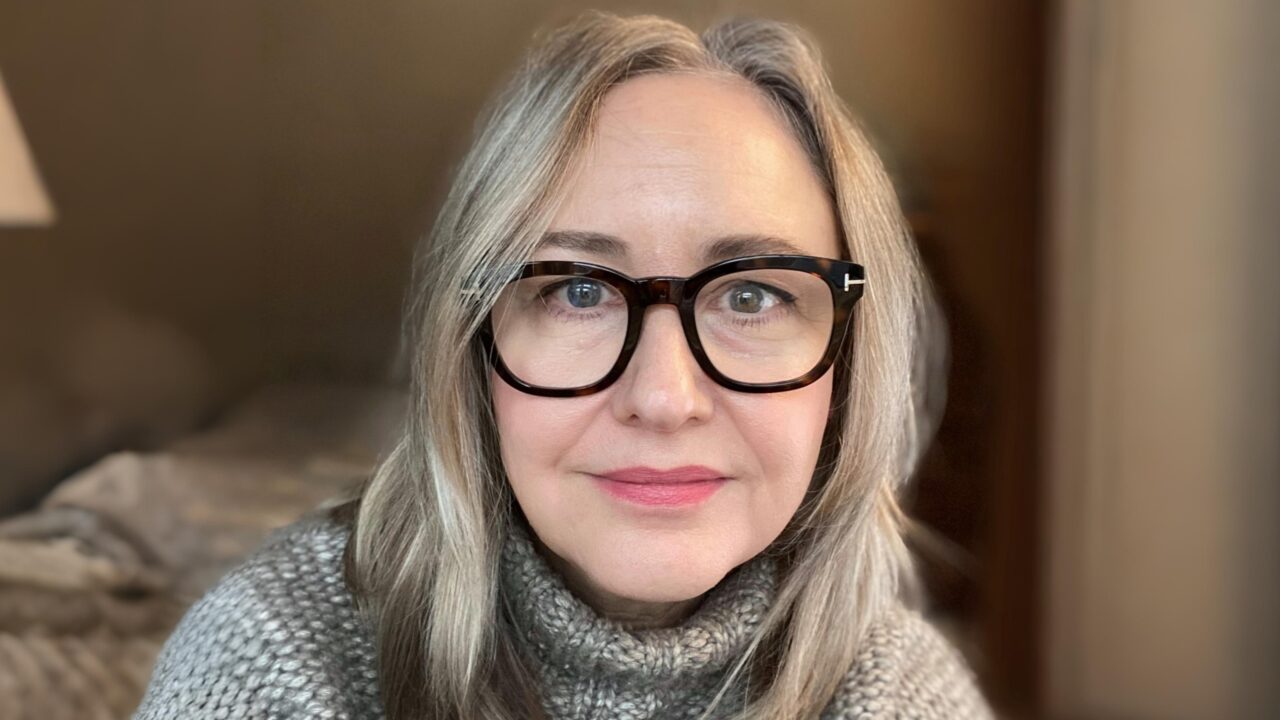
Carolyn Taylor, Founder and Executive Director at Global Focus on Cancer, shared on LinkedIn:
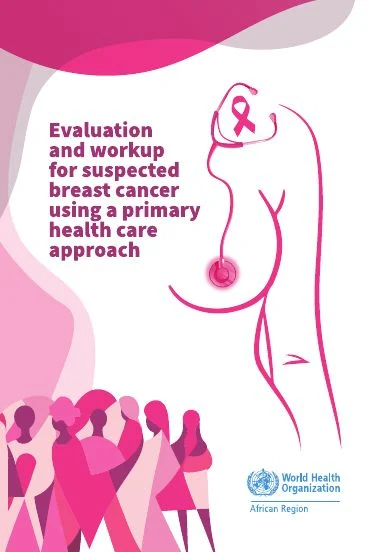
“I am proud and honored to have contributed to the development of the new WHO African Region guidance, Evaluation and workup for suspected breast cancer using a primary health care approach.
Developed through a primary health care lens, this guidance recognizes the critical role of primary care in earlier identification, assessment and referral for suspected breast cancer – and the importance of understanding what people and communities experience as they seek and navigate care.
My role was primarily to bring a broader people-centered and community perspective to the process, with a focus on where and how the perspectives and expertise of people with lived experience could be meaningfully included within this primary care approach.
Most importantly, people with lived experience from across Africa contributed their knowledge, expertise and perspectives throughout the development process, grounding the guidance in the realities of accessing and navigating breast cancer diagnosis and care across diverse settings.
Their involvement reflects something I deeply value: meaningful engagement requires the knowledge of people and communities directly affected by the issues we are seeking to address, alongside clinical, primary care, health-system and policy expertise.
While the published acknowledgments name those of us who were able to travel to Brazzaville for the in-person meeting, many more African colleagues with lived experience contributed remotely throughout the process. I want to make sure their important contributions are recognized as well.
I am grateful to have been invited into this process and to the WHO Regional Office for Africa for recognizing the value of lived experience and community expertise in developing guidance grounded in primary health care and intended to serve people and communities across the region. Read the WHO guidance.”
This also can be interesting: WHO Global Cancer Report 2026: Breast Cancer Survival Still Depends Too Much on Where a Woman Lives