






Carolina Paula Bañuelos, PhD in Biological Sciences, MSc in Molecular Biology, Global Clinical Trial Assistant shared a post by Sylvester Comprehensive Cancer Center on LinkedIn:
“I am incredibly proud to share that our work has just been published in Genes and Development.
In this study, we uncovered a previously unrecognized form of cellular stress that emerges when RNA polymerase II bypasses DNA‑blocking lesions instead of stopping for repair-revealing a vulnerability that could one day help re‑sensitize tumors to chemotherapy.
This publication represents years of shared effort, learning, and discovery. And now, being on the other side-working in clinical research, closer to patients-I feel even more deeply how meaningful it would be if insights like these could someday translate into real clinical benefit.
Re‑sharing the announcement from University of Miami – Sylvester Comprehensive Cancer Center with gratitude and excitement for what comes next.”
Quoting Sylvester Comprehensive Cancer Center‘s post:
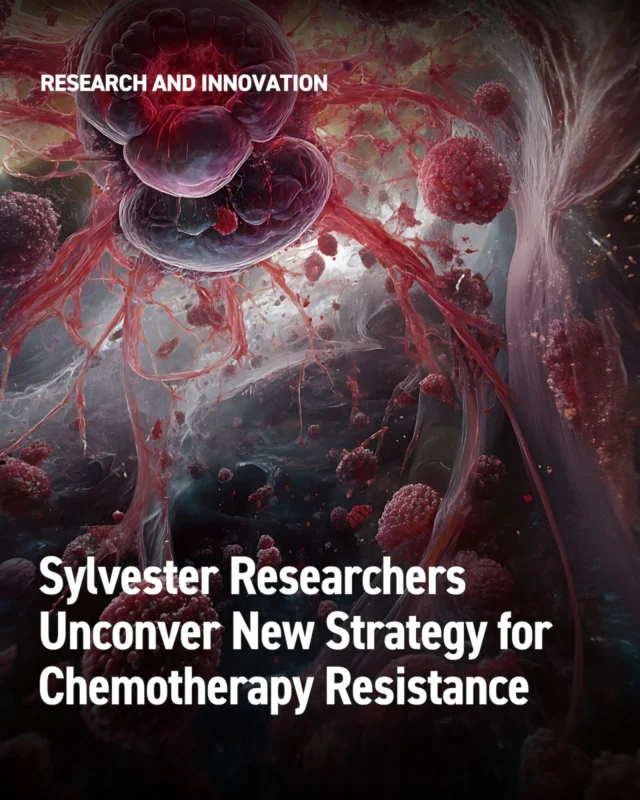
“When cells are damaged by ultraviolet light, environmental exposures or chemotherapy, they’re supposed to pause and assess the threat. Cancer cells, however, often keep pushing forward, rapidly adapting, rerouting drugs, rewiring repair pathways and clearing damage more efficiently, allowing tumors to become resistant to chemotherapy.
Researchers at Sylvester have discovered a surprising way to turn that resistance against cancer cells. Their findings are published in Genes and Development.
The new study uncovers how blocking a key protein, p300, forces damaged cancer cells into a state of uncontrolled transcriptional activity. This creates a novel form of cellular stress that can make chemo-resistant tumors sensitive again to treatment.
“It’s a fresh angle on the long-standing problem of chemotherapy resistance, and an encouraging path toward restoring the power of widely used chemotherapy drugs,” said Ramiro Verdun, Ph.D., research professor in the Division of Hematology.
In lab models and patient-derived xenografts, platinum chemotherapy alone had limited effect, and blocking p300 alone had a modest impact. But when combined, the two treatments worked synergistically, selectively eliminating tumor cells and restoring chemotherapy sensitivity.
“What excites us most is the opportunity this creates to rethink treatment for patients who’ve run out of options,” said Ramin Shiekhattar, Ph.D.
Learn how this research has the opportunity to make standard chemotherapies work longer and be effective for more people.”
Title: Bypass of blocking lesions by RNAPII reveals a novel stress induced by DNA damage
Authors: Carolina P. Bañuelos, Lucas D. Caeiro, Pradeepkumar R. Cingaram, Felipe Beckedorff, Lluis Morey, Daniel Bilbao Cortes, Ramin Shiekhattar, Ramiro E. Verdun
Read The Full Article
Other articles featuring DNA on OncoDaily.