





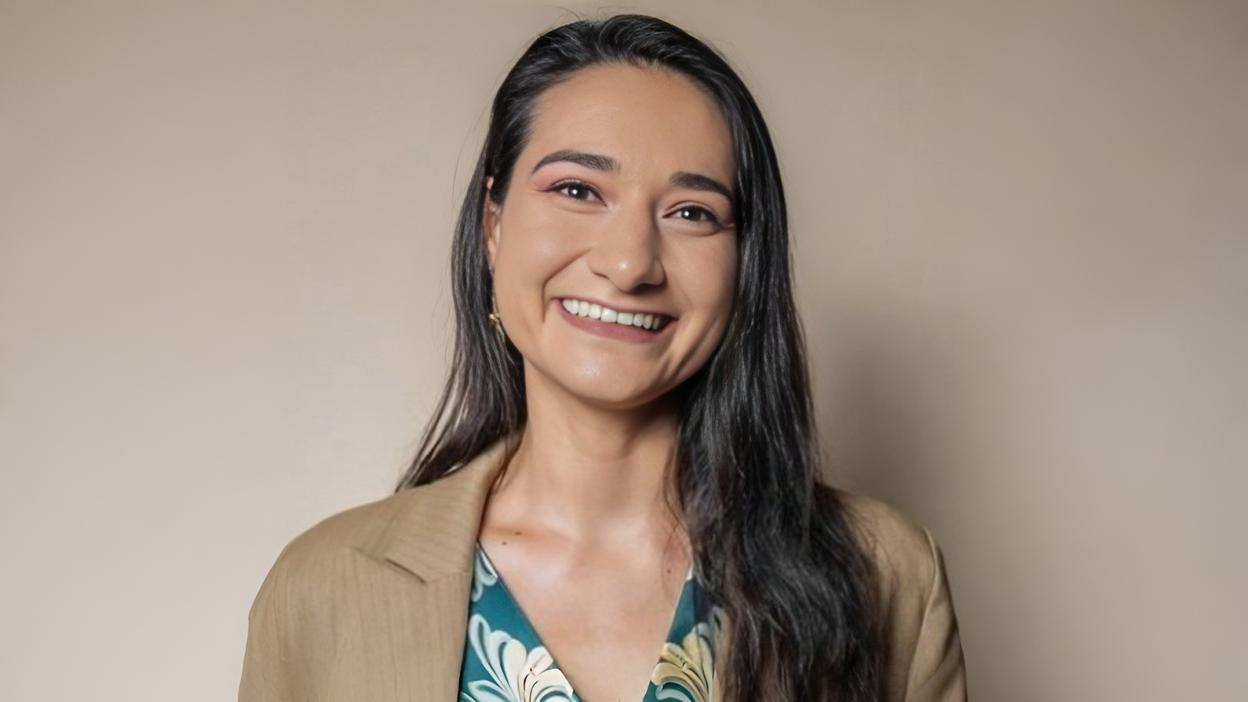
Carmen Monge-Montero, Researcher and Global Cancer Advocate, shared a post on LinkedIn:
“Cancer was:
- a blessing
- a challenge
- a curse
- I don’t remember
- pause
- a stage
…psss, the answer could depend on how old you were when it happened
On World Cancer Day, we see people of all ages, but we rarely talk about how cancer affects each age differently. From 95 interviews in 65 countries of Mano, I’ve learned that cancer shapes life and identity in unique ways depending on age, and some voices are often ignored, like the young ones.
In this article, there is a section for everyone, especially young people. Let me know if one quote resonates with you.
Having cancer at different ages: What I’ve learned from 95 MANO interviews
‘Surviving cancer has made me a complete person, I think cancer made me this person, this good guy now’
Kenyan AYA Cancer Survivor
Cancer affects us all regardless the age, but not the same way….
On World Cancer Day, we often hear stories about having cancer as an adult, and we tend to assume that younger people experience it in a similar way: grief, feeling betrayed by their bodies, or feeling damaged. But one of the reasons I believe it is so important to listen to people diagnosed at different ages is that cancer shapes identity, life paths, and the “after” very differently depending on when it happens.
I’m close to my goal of 100 interviews with people with a lived cancer experience. So far, I have 95 recorded interviews and 85 published, from people in around 65 countries, with different diagnoses and life contexts. Some are still in treatment, others finished a few years ago, and some more than 30 years ago. The youngest diagnosis was at 10 months old and the oldest at 70.
Of all the interviews so far, 14% were diagnosed in childhood (<13 years), 46% as adolescents and young adults (AYA, 13–39 years), and the rest as adults over 40. Today, I want to focus only on the different ages of diagnosis, its challenges, and its forms of resilience.
Disclaimer
I’m not minimising or generalising any age of diagnosis. These are my reflections based on the interviews I’ve conducted for MANO Beyond Cancer and on my own experience as a young person with a lived cancer experience, listening to others. Quotes are drawn from publicly available MANO Beyond Cancer interviews and are shared with permission, with identities protected.
1. Childhood Cancer (Diagnosis <13 years old)
‘I knew I was sick, but I didn’t know what sick meant. Like because people would say that I’m sick and okay, I’m sick. Whatever. But what is sick?’
Moldovan childhood cancer survivor
When you are diagnosed as a child, it is very difficult for everyone in the family. Years later, some people who had cancer in childhood may not remember the experience clearly, or they may perceive it differently than someone diagnosed as an adult, because they grew up with cancer as part of their reality. Parents are the main decision-makers during treatments, and later they often will explain to their children what happened during that time. Some survivors only know their cancer experience by the memories of others and what society told them about it.
Learning about “serious stuff” from an early age and growing up faster can shape childhood cancer survivors in a different way, making their identity different from those diagnosed later in life. Sadly, many young people also have to deal with side effects for a longer time than adults, and the aftermath becomes part of who they are.
Quotes from people with a lived childhood cancer experience (Taken from the MANO Beyond Cancer Interviews videos)
‘I had my diagnosis very early in my life. So I had only 10 months… from what I remember more is what my family tell me’
Portuguese childhood cancer survivor
‘I was a child, basically everything was decided by my parents and my doctors of course… we didn’t really have a choice to basically say hey do we want to fight this battle or not.’
Chinese Childhood cancer survivor
‘At seven years old, I was already asking questions like what death is, what is life… at such an early stage of development… cancer… ends up becoming part of your development and of who you become as an adult.’
Mexican Childhood cancer survivor
‘You’re way more lucky if you get it when you’re older because then you could experience more things in life already instead of having the things I have going on, which limit the things in life that I can do now’
Dutch childhood cancer survivor
2. Adolescents (Diagnosis in Teenage Years below 20 years old)
‘You can’t treat a 16-year-old the same as you do a 10-year-old or a six-year-old, like it’s not going to work. You do need some form of independence.’
Swedish adolescent cancer survivor
Adolescent remembers more and see more clearly the impact of cancer, not only in their family, but also in their social life. Many of them want to stay connected to their “normal life”: going to school and talking about “normal” things, not cancer-related. They are no longer children; they are more independent, but they are not adults yet. At this age, cancer not only interrupts their life but shapes what they will become and like childhood cancer survivors, some adolescents are forced to grow up faster than their peers.
Quotes from people with a lived adolescent cancer experience
‘I would like to hear like some normal problems that are not cancer-related problems, like it was actually something I wanted to hear to feel connected with the life before cancer.’
Czech adolescent cancer survivor
‘Cancer alters that entire growth dynamic; that is, the illness changes their routine so much that it won’t be the same as that of a 15-year-old peer who doesn’t have cancer’
Venezuelan adolescent cancer survivor
‘Before I was a wild card, you know I had 17, but after everything (cancer) my priorities change and with those side effects and disabilities I need to rethink about every step that I make three times I need to rethink about to see what consequences that make happened’
Croatian adolescent cancer survivor
3. Young Adults (YA, ~20–39 years old)
‘I was become back to a baby again you know like my mom have to drive me into the hospital’
Thai YA cancer survivor
I was diagnosed at 24 years old, so this is the stage I know best, and I will also include my own experience. For young adults, cancer arrives at a moment when we are starting to be independent from our parents. Suddenly, you have to depend on others again, something especially difficult when you were already learning how to live on your own.
While others are building careers, relationships, and future plans, young adults with cancer often have to pause building the identity they wanted for themselves, and change or let go of some of the dreams they had. After treatment, many have to start again while dealing with emotional and physical side effects.
‘I tried to carry it at my rhythm but the world does not go at my rhythm and the world does not wait for me. Then I have to see how I adapt to that and it is a complicated process’
Costa Rican YA cancer survivor
Many young adults not only face treatment as adults, but also the loneliness that comes with it. There is often a lack of community and a society that does not fully support young cancer survivors. Because of their age, they hesitate to identify as “someone with cancer,” feeling out of place between pediatric and older adult spaces.
For some young people with cancer, the war-related language feels wrong (battles, warriors, heroes, etc). They do not feel like warriors, since they did not choose to go to war, and they are not necessarily brave. This is also part of the value of young patient advocates: they see illness differently and some even reclaim language in their own way, creating identities that make sense to them.
Quotes from people with a lived YA cancer (20-30 years old)
‘I was there like by myself with other patients that were around 80 to 85 years old. Um and I felt completely alone. They didn’t care about my needs, my concerns, my goals’
Spanish YA cancer survivor
‘The must ridiculous thing was that I won the battle, that you’re a warrior. I wasn’t fighting against anyone, so I feel like it wasn’t a battle and that I’m not a warrior’
Nicaraguan YA cancer survivor
‘We say a “super-survivor” (superviviente) is someone who has lived through the experience of the disease, for that person, it’s not a new beginning; for that person, the experience with the disease was so important, so transcendental in their life that they extrapolate the lessons learned’
Venezuelan YA cancer survivor
Being diagnosed above 30 can feel very different from being diagnosed in your 20s. Some already have children, and suddenly have to stop their careers, re-navigate or transform who they are, and add cancer to an already busy life.
Quotes from people with a lived YA cancer (30-40 years old)
‘I was very very healthy as I was in my Peak performance. I was 35 years old… suddenly, I just found that I got cancer it was very shocking.’
Lebanese YA cancer survivor
‘I think that the experience of having cancer at 37 is different than the experience of having cancer at 80. I was a young mom had young children and my world was really turned upside down.’
United States of America YA cancer survivor
4. Adults 40+ and Older Adults
Adults diagnosed after 40 could feel betrayed by their bodies. They were healthy for most of their lives, and suddenly, something changed, and cancer appeared. For many, this is also their first close contact with the medical system.
But still, they have to keep working, caring for their families, and being responsible. Unlike younger people, their identity was already built before cancer.
Some of them see themselves as warriors or champions. Maybe it’s because they encounter war stories earlier in life and compare them to this, or because the marketing about cancer as a war was bigger before. If you were diagnosed at this age, tell me why is it.
Quotes from people with a lived adult cancer experience
‘A lot of people are super healthy before they get cancer and they’ve not really been part of the medical system. And suddenly you’re having to deal with all these. complexities’
British adult cancer survivor
‘I started even my social media handles before cancer [as] ‘the warrior’ for some reason because I have survived so many things and I’m a warrior in so some ways and when cancer happened everybody was like it’s so funny because you’ve always been the warrior’
South African adult cancer survivor
Conclusion
After connecting and interviewing nearly 100 people across ages, countries, and life stages, one thing is clear: cancer does not only affect the body; it shapes identity, timing, and the way people live beyond cancer. Age doesn’t make one’s experience harder or easier, but it profoundly changes how cancer is carried and what comes next.
On World Cancer Day, and in most cancer-related events, we often hear cancer described from an adult point of view, and it makes sense, cancer is more present in older people. However, listening more closely to younger generations could shift that narrative and help us better understand what meaningful care and survivorship should look like for everyone.
If your experience was different, let us know!
More posts featuring Carmen Monge-Montero