





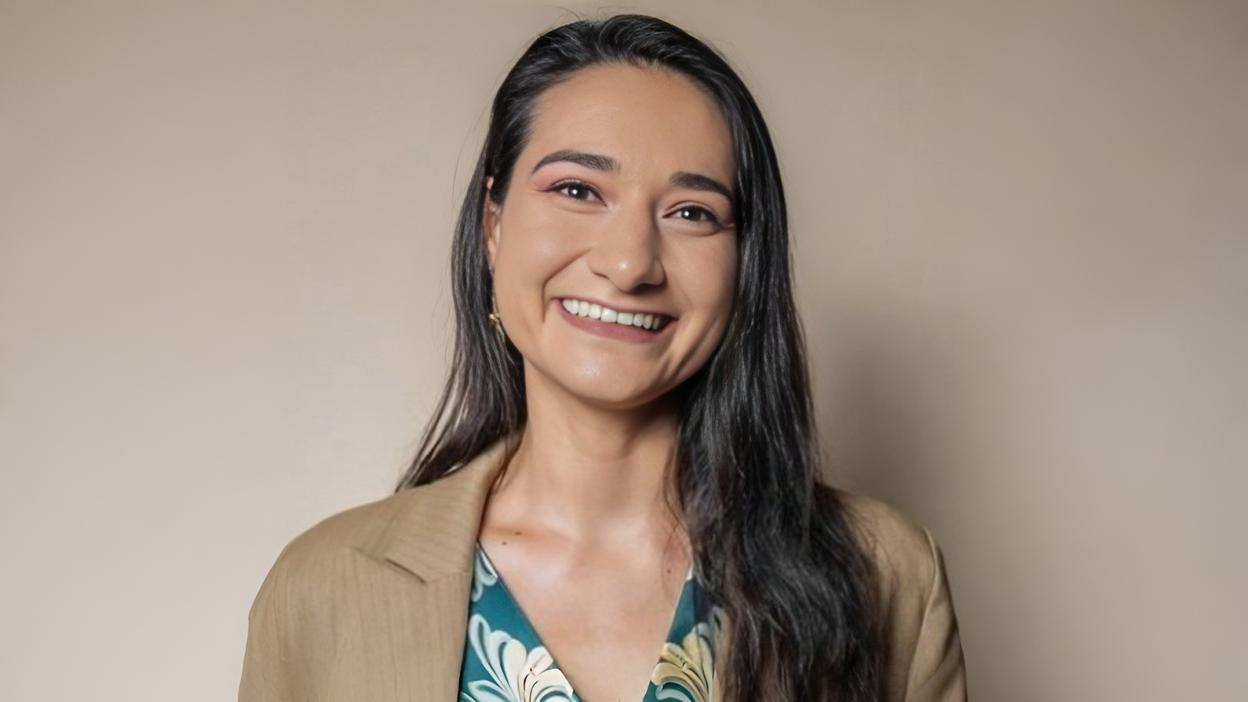
Carmen Monge-Montero, Researcher and Global Cancer Advocate, shared a post on LinkedIn:
“Heading into holiday season = family gatherings = awkward cancer conversations?
I wanted to repost this article just before the holidays, just in case it would be useful for some of you before meeting people with a cancer experience.
I’ve asked over 90 people in MANO interviews now, when I wrote this article were only 75:
“What’s the weirdest or dumbest thing someone has ever said to you about having cancer?”
The answers? Always a mix of laughter, pause, or eye-rolls. They reveal so much about stigma, discomfort, and how people without lived experience freeze up.
After seeing the same patterns again and again, I wrote a small guide on what NOT to say – and what actually helps when someone shares their diagnosis.
Check out the article below and tell me:
What resonates with you?
What do you wish more people understood?
What’s the weirdest or stupidest thing someone has ever told you about having cancer?
This is one of my favorite questions to ask, because it gives the interview a more relaxed moment, but it also helps us learn about stigma, cultural perceptions, and a person’s humor and personality. We laugh and cry about some of the responses, but there is still a common pattern.
I always ask the same questions in my MANO Beyond Cancer interviews. Why? Because I’m a researcher, and something in me loves comparing responses and learning from them. What I love about this is that even when the questions are the same, every person answers completely differently and others share similar opinions even when they come from different continents.
This post is about this last question, because even though the responses were different, there is still a common pattern I have seen repeatedly after more than 75 interviews:
Many people without a lived experience still don’t know what to say or how to react when someone tells them they have cancer.
So I started thinking about a simple guide – what not to say and what to say instead.
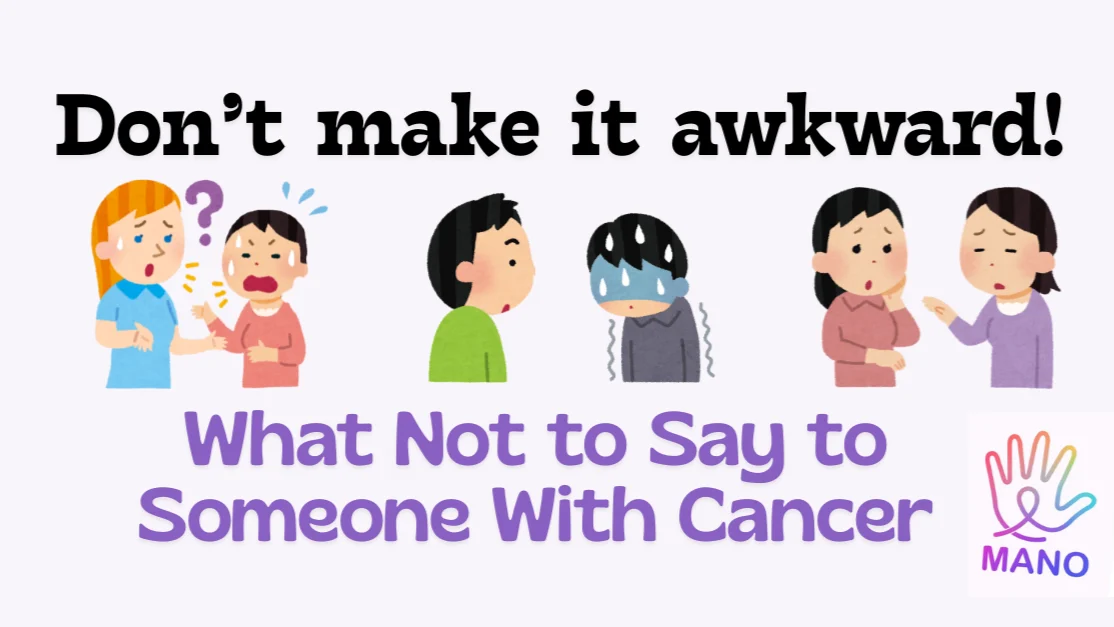
What NOT to Say
Before starting, I want to acknowledge that every person respond with good intentions. They come from good people who may feel discomfort, fear, or the need to “fix” things, or simply they not know how to react. But if your sentence starts like this:
1. “At least you…” or “You’re lucky that…”
Examples from MANO Beyond Cancer:
“Someone said: oh, now that you have cancer, you’re going to have new breast implant. Saying it as something positive.”
“A friend of mine once said to me, you look good, right? You look good. Cancer helped you. I was shocked.”
“At least you got the “good” cancer type.”
This can make the person feel ungrateful or diminish something very painful and impactful.
2. “You should…” / “Try this…” / “Stop doing this…”
Examples from MANO Beyond Cancer:
“Random people like this lady, I have never met her before, but she recommended that I eat this animal organ liver. I’m not exactly sure what it was, but she was like, you need to go on this diet. It’s this animal stuff just like three times a day. And that will cure your cancer. So it’s very safe to say that I did not try that diet at all. And yeah, no, no, I do not recommend that”
“Stop eating sugar”
“One of the funniest things people told me was to drink my own urine! I know they care, but I have to use my logic too.”
Unsolicited advice rarely helps. Unless it’s a medical instruction, we don’t know the person’s medical context or what they’re already doing.
3. “This happened to you because…” or you give a supposed diagnosis
Examples from MANO Beyond Cancer:
“When I was diagnosed with cancer, one person told me something like, you will never be healthy.”
“God gives battle to his stronger soldiers”
“You got cancer because you hold sadness and resentment in your heart”
This can make people feel responsible for their illness. Once someone has cancer, assigning blame is not useful. What they need is support to keep going, not the blame to be too “strong” or too many “bad” emotions.
4. “One of my relatives had it…”
Examples from MANO Beyond Cancer:
“Hey, I heard you have cancer. My uncle died from your type of cancer… That was awkward”
This can be empathetic, but often it shifts the conversation from the person who is opening up to you and your story. It can be especially painful if the relative died of cancer.
5. “You are so strong… brave… superhero… warrior ”
Examples from MANO Beyond Cancer:
“Oh, you’re so strong. You’re such a fighter. I’ve got no idea how you’re handling it. I wouldn’t be able. And I’m like, no, no, you’re completely wrong. And my response was: And it is that it wasn’t a choice. It’s not something that we choose. I didn’t decide to go through this. I’m not a fighter”
Even though the purpose is to encourage the person, some people find this weird, especially when they feel weak or that to be a warrior in a war, you decide to do it, but in this case you didn’t have a choice.
It’s not only what you say – it’s how you say it.
I call this the “cancer face.” It’s not made by the person who has cancer – it’s made by the other person hearing the story.
It’s a natural mix of pity, shock, and not knowing what to say. But it can leave the person with the lived experience feeling damaged, awkward, or even regretting that they shared.
There is this stigma that you have to react to someone else being sick, and that all sick people look one way. But many cancer patients do not undergo chemo, radio or any of the other treatments. Cancer can come in many different ways and be treated and even in more.
Examples from MANO Beyond Cancer:
“Sometimes they don’t know that you can look normal while having cancer. I think they would tell me, oh, I saw you at the event, you look normal. Normal for them it’s not like having cancer, but there are so many ways to look normal.”
What to Say Instead…
Here is my theory, and many people won’t like it:
Don’t say more than a question. Something simple like:
“Do you want to talk about it?”
“How can I help you?”
How do you feel now?
Or not a question, just a simple “I’m here for you”.
One of the best responses you can offer is space – the space for the other person to express themselves or at least feel that they can count on you. Let them know you’re there if they need something. This moment is not about you. It is about them, and the space you give them to feel heard and supported.
Holding space is harder than it sounds.
Listening without thinking about what you’re going to say next, without trying to make it about yourself, and without offering a “solution” – that is hard. But remember: if someone chooses to be vulnerable with you, that is a gift.
Finding the right body language, tone, and facial expression also matters. These small things make a big difference in helping someone feel comfortable enough to keep talking.
As a good friend once told me:
“Holding space is not about you, or about getting something in return. It’s about being there for the other person because you truly want the best for them. At that moment, the other person is the most important in the world.”
After more than 75 interviews, I realized that the most powerful thing we can offer is presence, not answers.
So next time someone tells you they have/had cancer, take a breath before responding. What you say could become a good or painful memory for them.
Disclaimer: This article is based on my personal reflections and the patterns I’ve noticed while interviewing cancer survivors through the MANO Beyond Cancer Project. I know everyone’s experience is different, and I may be missing perspectives that haven’t appeared in the interviews yet.
If you want to hear these stories directly, I invite you to watch the interviews – they say so much more than I ever could.
I’d love to hear from you:
What’s the strangest or most unhelpful thing someone has told you about cancer?
And what do you wish people said instead?
Have you ever struggled to find the right words when someone shared their diagnosis?.”
More posts featuring Carmen Monge-Montero on OncoDaily.