
Muna Al-Khaifi, GP Oncologist at Mount Sinai Hospital (Toronto), Sinai Health. This article explores the growing evidence supporting combined lifestyle interventions (CLIs) as an integral component of cancer survivorship care. Drawing on a large systematic review and meta-analysis of randomized controlled trials, it examines whether interventions targeting multiple health behaviors – including diet, physical activity, weight management, alcohol use, sleep, and psychological well-being – can improve cardiometabolic health in cancer survivors. The review summarizes their effects on body mass index, blood glucose, blood pressure, lipid profiles, and cardiovascular risk, while discussing current limitations, clinical implications, and future directions for integrating sustainable, patient-centered lifestyle strategies into survivorship care.
Research Translation: Do Combined Lifestyle Programs Improve Cardiometabolic Health in Cancer Survivors?
This article summarizes the systematic review and meta-analysis by Tang et al. (2026), which evaluated whether combined lifestyle interventions (CLIs) improve objective cardiometabolic risk factors among cancer survivors. The review included 25 randomized controlled trials involving 4,772 cancer survivors, with 21 studies contributing to the quantitative meta-analysis. Overall, the authors found that CLIs produced modest but statistically significant improvements across several cardiometabolic outcomes, although the magnitude of these benefits was generally small.
Cancer survivors are at an increased risk of developing cardiometabolic disease because many cancer treatments contribute to obesity, hypertension, dyslipidemia, and impaired glucose regulation. These treatment-related effects increase the likelihood of cardiovascular disease, stroke, and type 2 diabetes. Combined lifestyle interventions (CLIs), which simultaneously target multiple health behaviors, including diet, physical activity, weight management, alcohol consumption, sleep, and psychological well-being – have been proposed as a comprehensive strategy to reduce this risk.
Why This Question Matters
Cardiometabolic abnormalities at baseline are temporally linked to a substantially higher risk of later cardiovascular disease among cancer patients. Since cancer and cardiometabolic disease share many of the same risk factors, included in frameworks like the American Heart Association’s Life’s Essential 8 (diet, physical activity, avoidance of harmful substances, sleep, weight, blood lipids, blood glucose, and blood pressure), improving lifestyle offers a plausible, low-cost route to protecting long-term heart health in survivors.
Prior evidence, however, was fragmented. Some reviews examined single lifestyle behaviors in isolation, missing the interactive effects among diet, exercise, and other habits. Two earlier reviews looked at combined interventions, but one excluded cancer populations entirely and the other was a narrative (non-quantitative) review limited to breast cancer survivors and dietary/weight-focused interventions. Meanwhile, several meta-analyses examined only the observational association between lifestyle and long-term cardiovascular mortality, which doesn’t tell clinicians whether an active, structured intervention can actually shift intermediate risk markers. This review was designed to close that gap by quantitatively synthesizing RCT evidence specifically on CLIs and cardiometabolic (not just cardiovascular) outcomes in cancer survivors.
Methods: How the Review Was Conducted
The authors searched nine databases, PubMed, Web of Science, EMBASE, CINAHL, the Cochrane Library, and the Chinese-language CNKI, Wanfang, SinoMed, and Yiigle, from inception through December 3, 2025, following PRISMA reporting guidelines and a protocol pre-registered on PROSPERO (CRD420251013007).
Using a PICOS framework, eligible studies had to enroll people diagnosed with and treated for any type of cancer, at any stage or treatment status, with or without existing cardiometabolic abnormalities. The intervention had to be a combined lifestyle intervention, defined as simultaneous management of two or more lifestyle behaviors, balanced diet, regular exercise, sleep hygiene, weight management, smoking cessation, alcohol abstinence, or emotional regulation, with a clearly described set of components. The comparator had to be routine care or a waitlist control.
Studies needed to report at least one cardiometabolic risk factor (blood pressure, blood glucose, blood lipids, BMI, or a comprehensive risk score); given the close pathophysiological link between these markers and long-term heart health, supplementary cardiovascular functional indicators and adverse events were also captured. Only randomized controlled trials were eligible.
Studies were excluded if the intervention included pharmacological treatment, if they were duplicate publications, lacked full texts or complete data, or were published in a language other than Chinese or English.
Included Studies Characteristics
The 25 included studies enrolled 4,772 participants in total: 3,445 with breast cancer, 553 with prostate cancer, 358 with hematologic malignancies, 329 with colorectal cancer, 54 with endometrial cancer, and 33 unclassified. Nearly every intervention combined diet and physical activity as its core; six studies added a psychological/emotional component, five addressed alcohol abstinence, and ten incorporated structured weight management. Intervention duration ranged widely, from 7 weeks to 2 years, and was delivered by a range of practitioners including dietitians, physiotherapists, physiologists, psychologists, lifestyle coaches, and oncology staff.
Outcome reporting varied considerably: fasting blood glucose was reported in 56% of studies, blood pressure in 52-56%, blood lipids in 44–56%, and BMI in 68%. A handful of studies also reported comprehensive composite scores (such as the Life’s Simple 7 score), cardiovascular functional indicators (flow-mediated dilation, left ventricular ejection fraction, NT-proBNP), or adverse cardiovascular events.
On risk of bias, most studies carried an overall moderate risk. Randomization process concerns were common (often due to incomplete reporting of allocation concealment), and — as with any lifestyle/exercise trial – blinding of participants was essentially impossible, making deviations from intended interventions the single largest source of bias across the set. Outcome measurement itself, however, was consistently rated low risk, since all studies relied on objective clinical indicators (blood tests, blood pressure cuffs, scales) rather than subjective self-report for these outcomes.
Results: What Combined Lifestyle Interventions Did and Did Not Improve
Body Mass Index
BMI showed the most robust improvement in the review. Pooling data across 16 studies, CLIs produced a statistically significant reduction in BMI (SMD=-0.27, 95% CI [-0.38, -0.15], P<0.001), with low heterogeneity (I²=15%). Sensitivity analysis confirmed the result was stable, and it held up even after excluding any single study.
Figure 1. Effectiveness of CLIs on BMI. Forest plot summarizes the effectiveness of CLIs on BMI. BMI, body mass index
Fasting Blood Glucose
Twelve studies reported fasting blood glucose, and pooling showed a significant improvement with CLIs (SMD=–0.29, 95% CI [-0.54, -0.04], P=0.021), though with considerable heterogeneity (I²=77.1%). This was the one outcome where subgroup analysis by intervention component meaningfully explained that heterogeneity: splitting studies by which lifestyle behaviors were combined produced a significant subgroup difference (P<0.00001) and markedly lower heterogeneity within each subgroup (16%, 0%, and 29%, respectively). Three further studies could not be pooled due to missing within-group baseline data, but their individual results also favored the intervention group.
Blood Pressure
Findings for blood pressure were split. Across 11 studies, systolic blood pressure showed a non-significant trend toward improvement (SMD=–0.10, 95% CI [–0.22, 0.01], P=0.08), with moderate heterogeneity (I²=33.8%). Diastolic blood pressure, however, improved significantly across 10 studies (SMD=–0.12, 95% CI [–0.20, –0.04], P=0.003), with negligible heterogeneity (I²=0%) – though Egger’s test flagged a possible small-study effect for this outcome (discussed further below).
Blood Lipids
Lipid outcomes were mixed across four measures. LDL cholesterol improved significantly across 8 studies (SMD=–0.15, 95% CI [–0.30, –0.01], P=0.039) with low heterogeneity (I²=18%); of four additional studies that couldn’t be pooled, two reported a positive effect and two found no significant change. Triglycerides also improved significantly across 10 studies (SMD=–0.26, 95% CI [–0.43, –0.08], P=0.004). By contrast, HDL cholesterol (the ‘good’ cholesterol) showed no significant change across 11 studies (SMD=0.17, 95% CI [–0.00, 0.35], P=0.05, right at the threshold), and total cholesterol likewise showed no clear significant improvement (SMD=–0.15, 95% CI [–0.30, 0.00], P=0.05).
Comprehensive Risk Scores and Cardiovascular Function
A small number of individual studies reported composite or functional measures that could not be pooled but are worth noting narratively. One trial found the intervention group scored better on the Life’s Simple 7 composite score and its seven component indicators. Another found the intervention group maintained cardiovascular fitness over the study period while the control group’s fitness significantly declined. A third found a significant reduction in a metabolic syndrome risk score at 12 months, sustained through 18 months.
On vascular and cardiac function, one trial reported improved endothelial function (flow-mediated dilation) with the lifestyle intervention in prostate cancer patients, and another reported improved left ventricular ejection fraction and reduced NT-proBNP following the intervention. Two studies reported on adverse cardiovascular events directly: one found no new signs of diastolic dysfunction or cardiovascular events during the intervention, while another identified five participants with previously unrecognized cardiac issues on ECG – a finding that, while not itself an intervention effect, underscores the value of monitoring in this population.
Subgroup Analysis by Intervention Components
Beyond the fasting-glucose result described above, subgroup analyses based on which lifestyle components were combined did not reveal a clearly superior combination for BMI, LDL, triglycerides, or diastolic blood pressure, these outcomes improved similarly regardless of exactly which behaviors were bundled together. Where a signal did emerge (for fasting blood glucose), the combination of nutrition, physical activity, alcohol abstinence, and weight management appeared to show a relatively larger effect, though the authors caution that other unmeasured factors, cancer type, intervention duration, baseline metabolic status, and intervention intensity, were not separately examined and may also be driving these differences.
Interpretation
On why some outcomes (systolic blood pressure, HDL, total cholesterol) showed no significant benefit, the authors offer several explanations. Nearly half the included trials ran for six months or less, and prior research on lifestyle interventions suggests that meaningful blood pressure and cholesterol changes often require longer, more sustained programs, perhaps exceeding 24 months, along with greater exercise intensity and supervision. Cancer survivors may also face unique adherence barriers, including treatment-related symptoms and comorbidities that general lifestyle-intervention research doesn’t need to contend with.
The authors also flag that the failure of subgroup analysis to identify a clearly superior intervention combination (apart from for glucose) may reflect the fact that the trials in this review were predominantly delivered face-to-face with relatively short durations, whereas some newer digital or technology-assisted lifestyle programs, which weren’t well represented here, may sustain behavior change more effectively through frequent prompts, self-monitoring, and adaptive feedback.
Future Directions and Clinical Implications
The findings support incorporating combined lifestyle interventions (CLIs) as a routine component of cancer survivorship care to reduce cardiometabolic risk, aligning with current survivorship guidelines. However, sustaining healthy lifestyle behaviors remains a major challenge, as many studies reported declining adherence after the intervention period. Future interventions should therefore focus not only on improving cardiometabolic outcomes but also on promoting long-term behavior change.
Emerging digital health strategies, such as mobile applications, wearable devices, telehealth, and remote coaching, represent promising tools to improve adherence and support sustained lifestyle modification, although there is currently insufficient evidence to determine their effectiveness within CLIs. Future research should evaluate the integration of digital technologies and evidence-based behavior change techniques into survivorship programs.
Additional priorities include conducting large, high-quality randomized controlled trials to determine the optimal combination, intensity, frequency, and duration of lifestyle interventions. Research should also examine their long-term effects on clinically meaningful outcomes, including cardiovascular disease, diabetes, and mortality, rather than relying primarily on intermediate cardiometabolic markers. Furthermore, studies involving more diverse populations and healthcare settings are needed to improve the generalizability of findings and better understand how patient characteristics and health systems influence intervention effectiveness. Finally, because current evidence is limited by intervention heterogeneity and low-to-moderate certainty, future studies should use standardized intervention protocols and outcome measures to strengthen the evidence base and facilitate comparisons across trials.
Reference
Tang, Y., Huang, Y. & Xing, W. Effect of combined lifestyle intervention on cardiometabolic risk in cancer survivors: A systematic review and meta-analysis of randomized controlled trials. Support Care Cancer 34, 764 (2026).
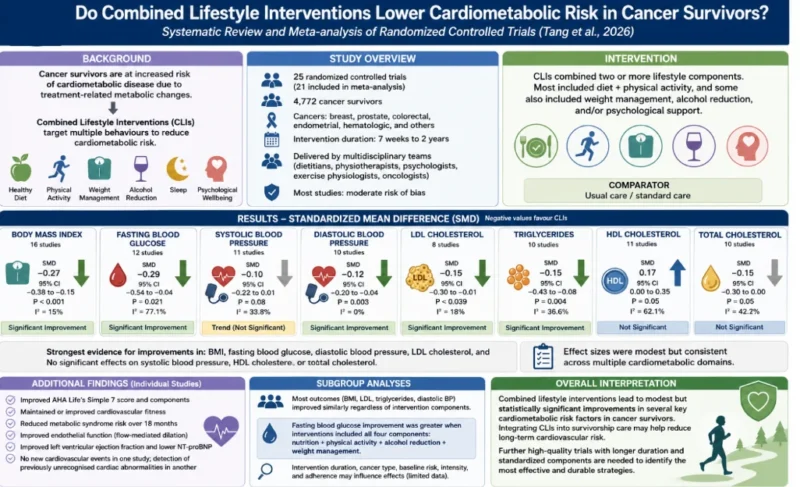
Figure 1. Combined lifestyle interventions targeting multiple health behaviours.
You can also read: Muna Al-Khaifi: Rethinking Hormone Replacement Therapy for Gynecologic Cancer Survivors