Cardio-OncolOgy Bulletin shared a post on LinkedIn:
“Cardio-Oncology Bulletin — Issue #2 | Book Highlight
A monthly evidence update at the intersection of cardiology and oncology
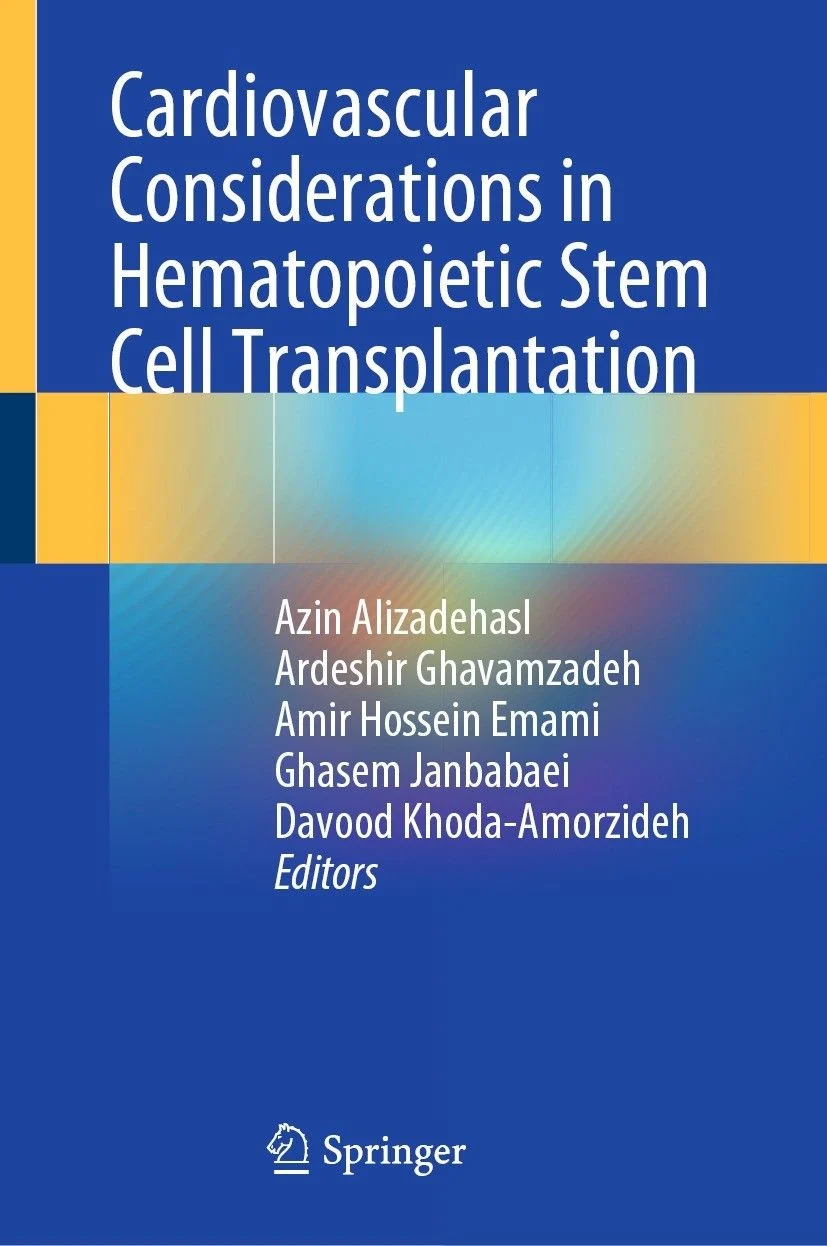
Featured Book: Cardiovascular Considerations in Hematopoietic Stem Cell Transplantation
(Springer Nature, 2024)
As outcomes following hematopoietic stem cell transplantation (HSCT) continue to improve, cardiovascular disease has emerged as a critical determinant of long-term morbidity and mortality in transplant survivors.
While HSCT is often approached primarily from a hematologic or oncologic perspective, its cardiovascular implications span the entire transplant continuum — from pre-transplant risk stratification to late vascular and metabolic sequelae.
This recently published volume provides a comprehensive and multidisciplinary examination of cardiovascular considerations in HSCT recipients, integrating pathophysiology, clinical management, and long-term surveillance strategies.
The book addresses key domains including:
- Pre-existing cardiotoxic exposures and conditioning-related injury
- Chemotherapy- and radiation-associated cardiovascular disease
- Coronary artery disease and premature atherosclerosis in transplant survivors
- Arrhythmias and conduction disorders
- Graft-versus-host disease–related cardiac manifestations
- Metabolic syndrome and post-transplant cardiometabolic risk
- Long-term cardiovascular surveillance frameworks
Importantly, the text reflects a collaborative model of care, bridging hematology, oncology, and cardiology — an approach increasingly central to contemporary cardio-oncology practice.
Why This Resource Matters
HSCT recipients represent a uniquely high-risk population in whom traditional cardiovascular risk models may underestimate cumulative exposure to inflammatory, immune-mediated, and treatment-related injury.
By systematically outlining cardiovascular complications specific to the transplant setting, this book provides a structured framework for risk assessment, prevention, and longitudinal follow-up – reinforcing the expanding role of dedicated cardio-oncology expertise in transplant medicine.”