





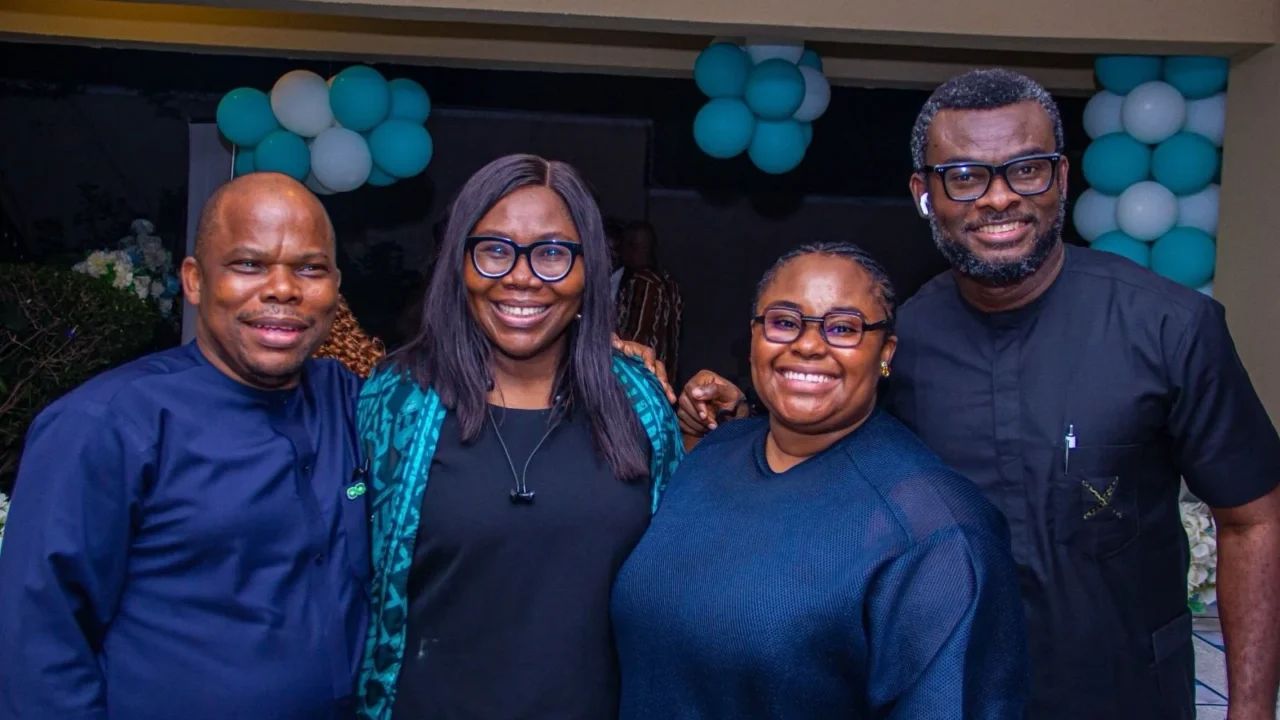
Unekwu Hadiza A-Arome, Chief Operating Officer of Medicaid Foundation, shared a post by Chris Chukwunyere, City Manager, Abuja at City Cancer Challenge, on LinkedIn, adding:
“Working on cancer systems in Abuja through the City Cancer Challenge (C/Can) has changed the way I think about “health projects”.
Every day in my work with MEDICAID CANCER FOUNDATION (MCF), I see both sides of the story: the gaps patients face when systems don’t speak to each other, and the hope that comes when hospitals, government and partners actually sit at the same table and follow through.
People often think progress in cancer care is all about new machines and big buildings. Those are important, but what I’ve seen in Abuja is that the real shift comes from leadership, trust, and collaboration – the quiet decisions to refer on time, to share data, to agree on one standard, to pick up the phone and solve a problem together.
Abuja’s selection as a C/Can City of Challenge didn’t happen by chance. It’s the result of years of advocacy, groundwork and partnership by MCF and many others who believe Nigerians deserve better cancer care.
We’re not there yet, but we’re not where we used to be. And that, for me, is why this work is worth doing.”
Quoting Chris Chukwunyere‘s post:
“The Most Transformative Changes in Cancer Care Aren’t Technical. They’re Leadership Decisions
Working on cancer systems strengthening in Abuja through the City Cancer Challenge (C/Can) initiative has shown how complexity and opportunity can coexist in public health. The city mirrors national challenges- limited coordination, resource constraints, and quality gaps across diagnostics and treatment. Yet it also shows what becomes possible when leaders align around a shared vision.
One clear lesson: strengthening cancer systems is not just an infrastructure effort. Machines matter, but governance matters more. Policies, data, and workforce capability matter. And above all, the relationships that connect institutions often determine whether patients receive timely, life-saving care or fall through the cracks.
In Abuja, we’ve learned that fragmentation is not inevitable, it is reversible.
When hospitals, government agencies, and partners commit to:
– clearer referral pathways
– shared standards
– joint problem-solving
– better use of existing resources
…the benefits to patients appear quickly and meaningfully.
This work has reinforced a truth I carry into every system-strengthening effort:
Systems transformation is not a technical exercise; it is a leadership journey. It requires trust, clarity, and the courage to co-create and address longstanding gaps with practical and sustainable solutions.
I make bold to say that Abuja is emerging as a model for coordinated cancer care in Nigeria. The lessons here continue to shape how we build cancer systems that are resilient, equitable, and capable of delivering dignity to every patient.
The work continues. And so does the commitment to building systems that improve access to cancer care.”
More posts featuring Unekwu Hadiza A-Arome on OncoDaily.