





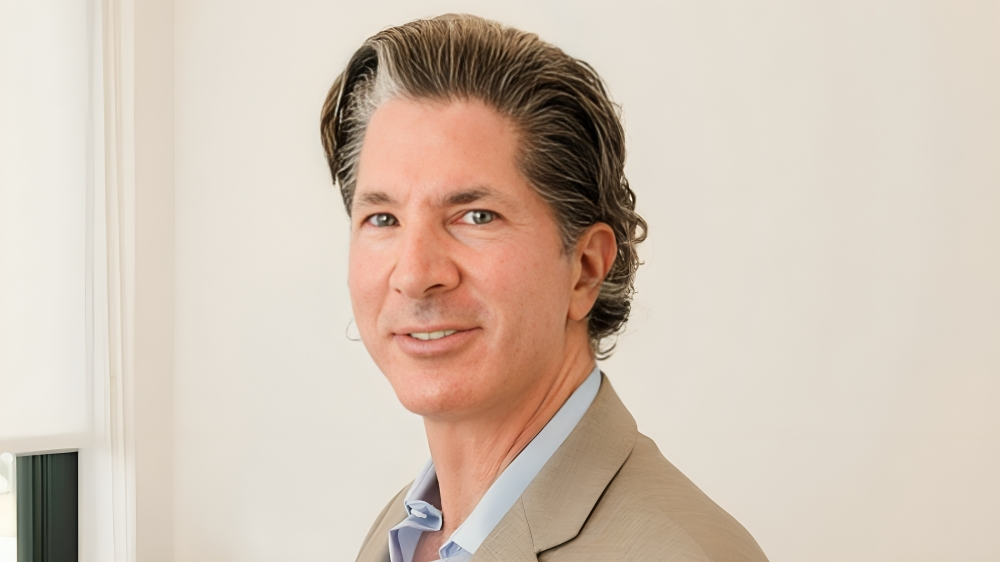
Brian Lawenda, Radiation Oncologist at Advocate Radiation Oncology, shared a post on LinkedIn:
“Patients constantly ask me: “Is it actually okay for me to drink?”
Not “binge drink,” not “a bottle a night” – just a glass of wine with dinner, a beer on the weekend, a cocktail with friends.
As a physician, I don’t think it helps anyone to say “alcohol is poison” and leave it there. Biologically, alcohol does create cellular damage, but the actual health impact depends heavily on dose, pattern, and everything else you’re doing for your health.
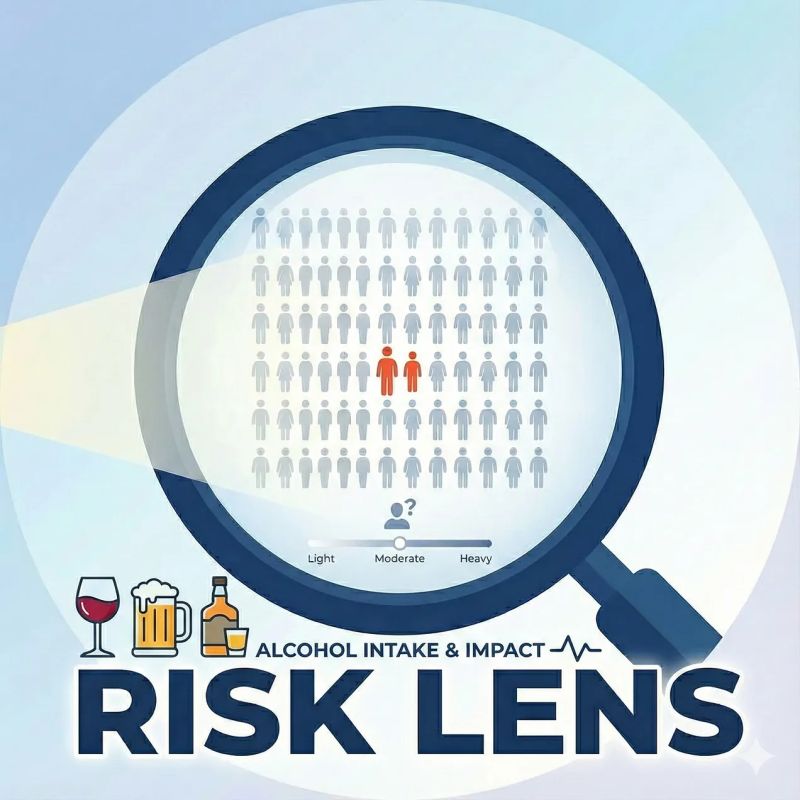
I built the Risk Lens app to make these conversations more evidence-based.
I enter sex and weekly drinks, and it shows how that pattern relates to:
- Overall length of life (no clear change vs slightly / moderately / much shorter life)
- Cancers (all cancers, breast, colorectal, liver, esophageal, oral/throat, stomach, pancreatic)
- Heart & stroke (major cardiovascular disease, stroke)
- Brain & nerves (dementia)
Everything is shown as people out of 100, not scary percentages. At low intake (1–7 drinks/week), we often see little or no clear change in lifespan, with small bumps in specific risks like breast cancer or dementia. As intake climbs, you can literally watch where the risk starts to move and where it clearly becomes a problem.
In clinic, I use it like this:
“Here’s what your current pattern looks like in terms of life expectancy and major diseases. Here’s what happens if you cut back. Given everything else about your health and your life, what feels like the right trade-off for you?”
For many people, the app is reassuring: 1-7 drinks a week, in an otherwise healthy lifestyle, is a very small-to-no measurable risk, not a disaster. For heavier patterns, it makes the stakes visible in a way that’s motivating without being shaming.
If you’re curious where your own habits land, I wrote about the science behind the app here:
Substack: “Alcohol, Risk, and Reality: Why I Built an App That Shows People, Not Percentages”
And you can try the app here:
Risk Lens app.
I’d love to hear: did seeing your risk as “people out of 100” make you more worried, or less?”
More posts featuring Brian Lawenda on OncoDaily.