Dana-Farber Cancer Institute shared on LinkedIn:
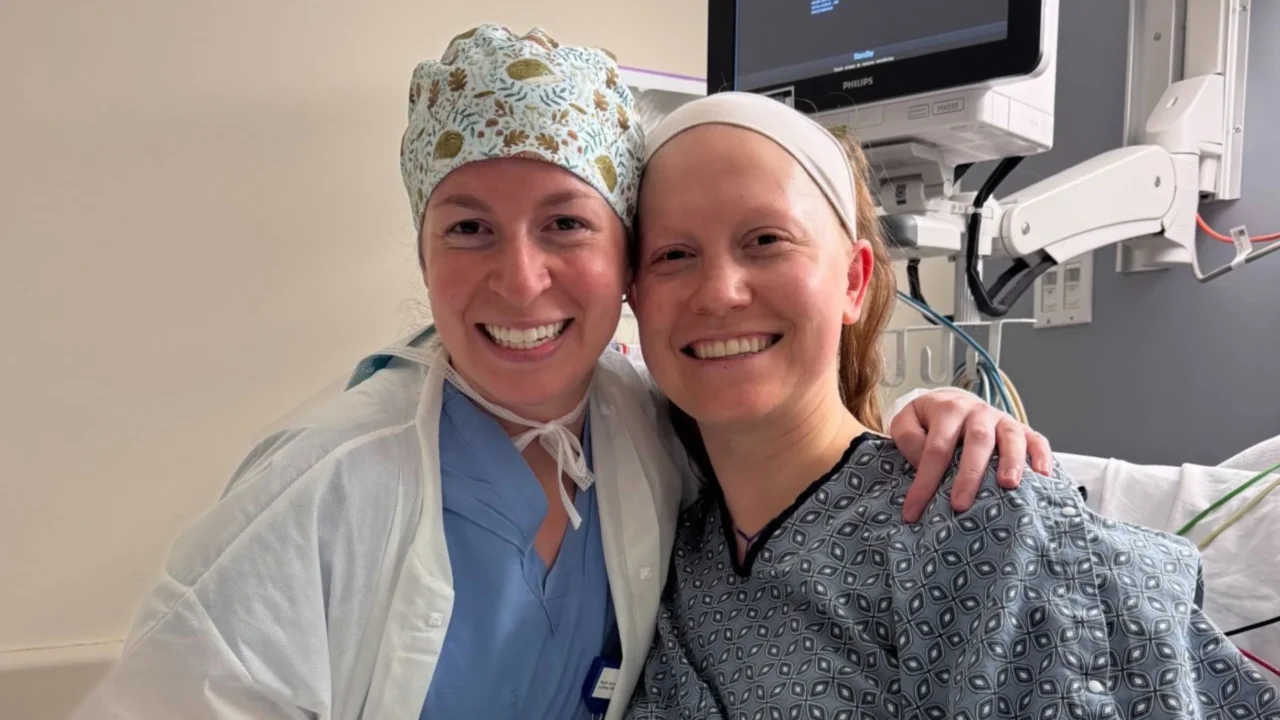
“Katherine Humphrey, felt a sudden, fleeting pain just above her breast. A few days later, she woke up with her hand resting in that exact spot, and she could feel it.
‘There was a lump,’ says Humphrey, who is an Advanced Practice Provider on the Benign and High-Risk Breast Team at Beth Israel Deaconess Medical Center (BIDMC) in collaboration with the Breast Oncology Center at Dana-Farber. ‘I do this for a living, but suddenly, I was the patient. I needed somebody else to take charge,’ she adds.
A mammogram, ultrasound, and biopsy followed, revealing Humphrey had triple-negative breast cancer, a rare and aggressive form of the disease.
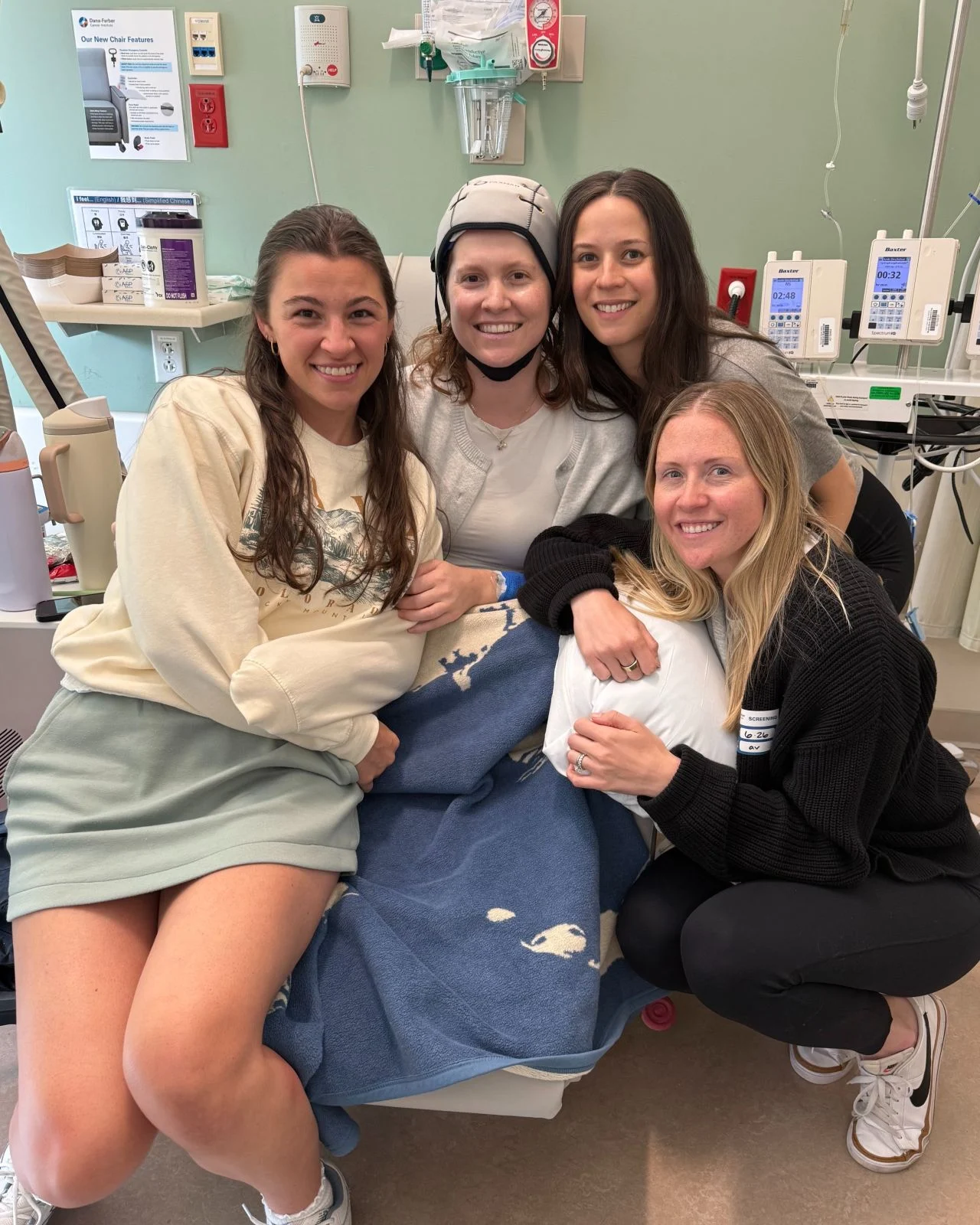
Within a few days, Humphrey was meeting with colleagues who would become her care team: breast oncologist Ann Partridge and BIDMC breast surgeon Laura Dominici. The wider team includes medical oncologists, surgeons, radiation oncologists, nurses, pathologists, radiologists, genetic counselors, schedulers and social workers all collaborating across Dana-Farber and BIDMC.
‘I love the culture that we’ve created as a team,’ says Humphrey. ‘Everyone is really supportive of one another both professionally and personally.’
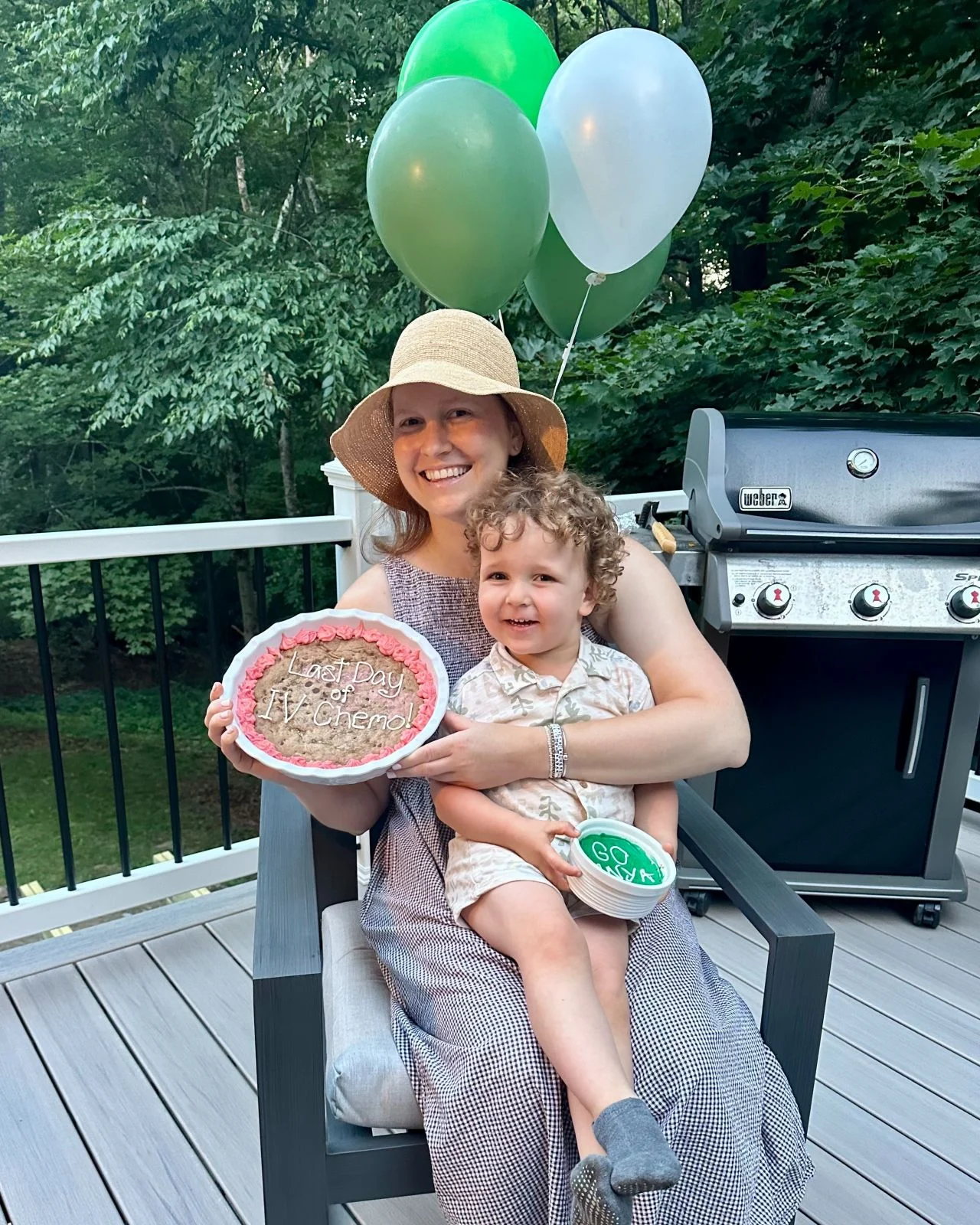
Partridge and Dominici settled on a course of treatment that aligned with Humphrey’s desire to learn as much as possible about her cancer and to treat it aggressively.
While receiving chemotherapy, Humphrey and Dominici talked about surgical options. She was a candidate for a lumpectomy, but as time went on, she started to feel more anxious.
‘Emotionally, I just felt like something else was going to happen later,’ she says. ‘That’s how I decided to do a bilateral mastectomy.’
At the beginning of her treatment, Humphrey continued working. But she quickly realized that her job required her to be able to give a lot of empathy, compassion and reassurance to her patients. The team encouraged her to take time away, and she’s glad they did.
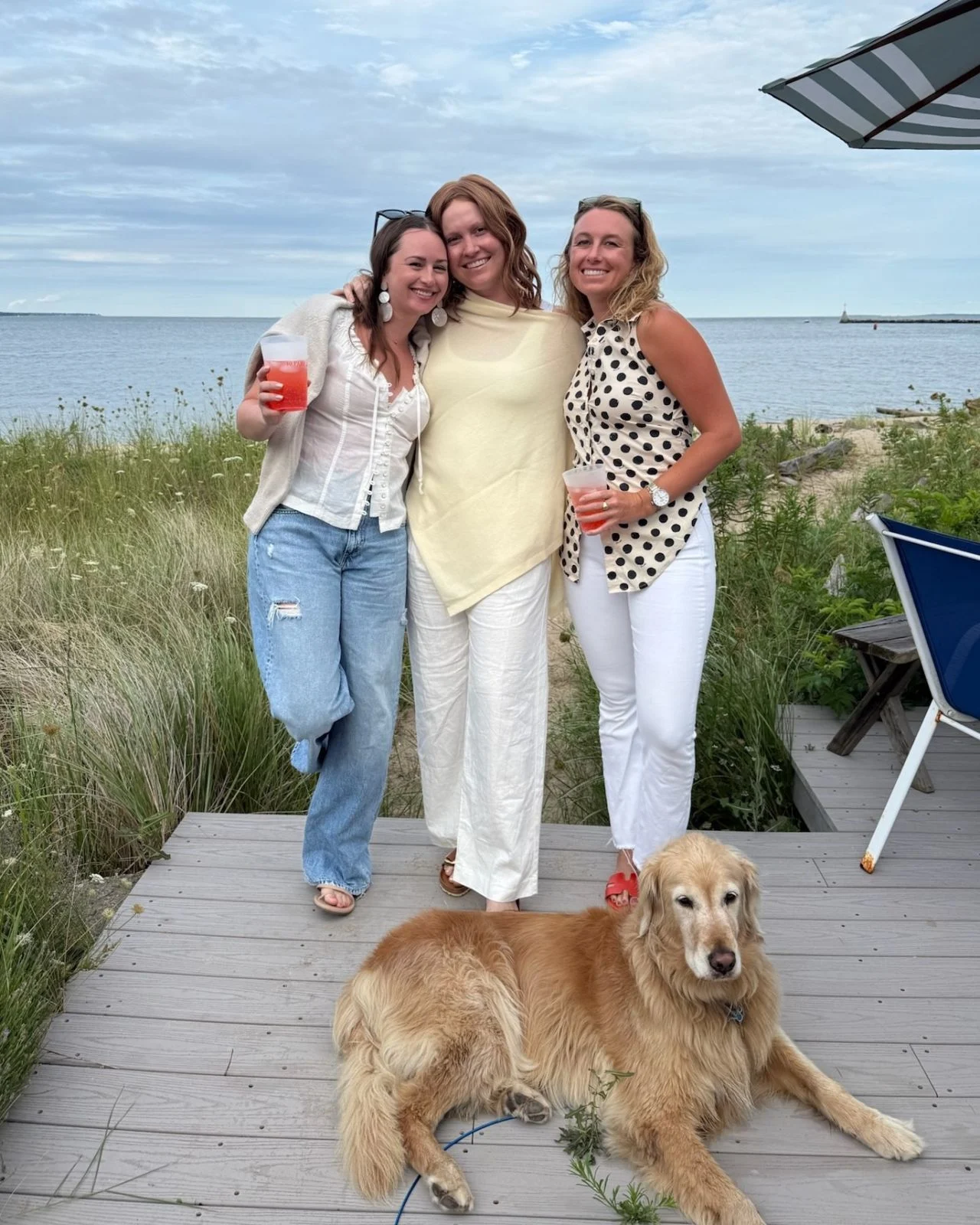
Now, as Humphrey heals, she is focused on doing everything she can to boost her wellness. She is also grateful that she paid attention when she felt something wasn’t right and asked for help from her team of experts.”
You can also read: HER2-Positive Breast Cancer in 2026: The New Goal Is Not More Treatment, but the Right Treatment