Asim Belgaumi, Member, Department of Global Pediatric Medicine, Director at St. Jude Children’s Research Hospital, shared on LinkedIn:
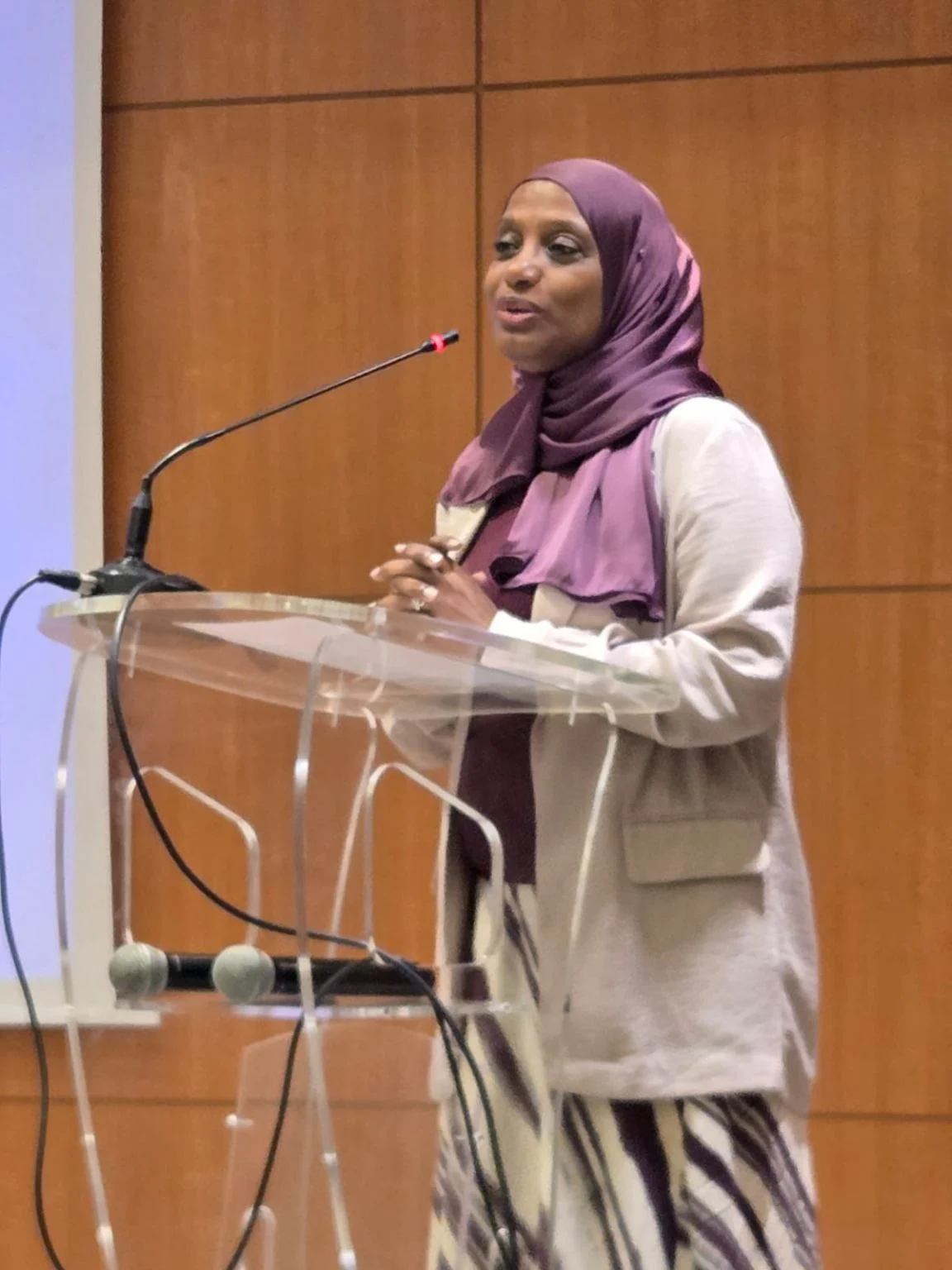
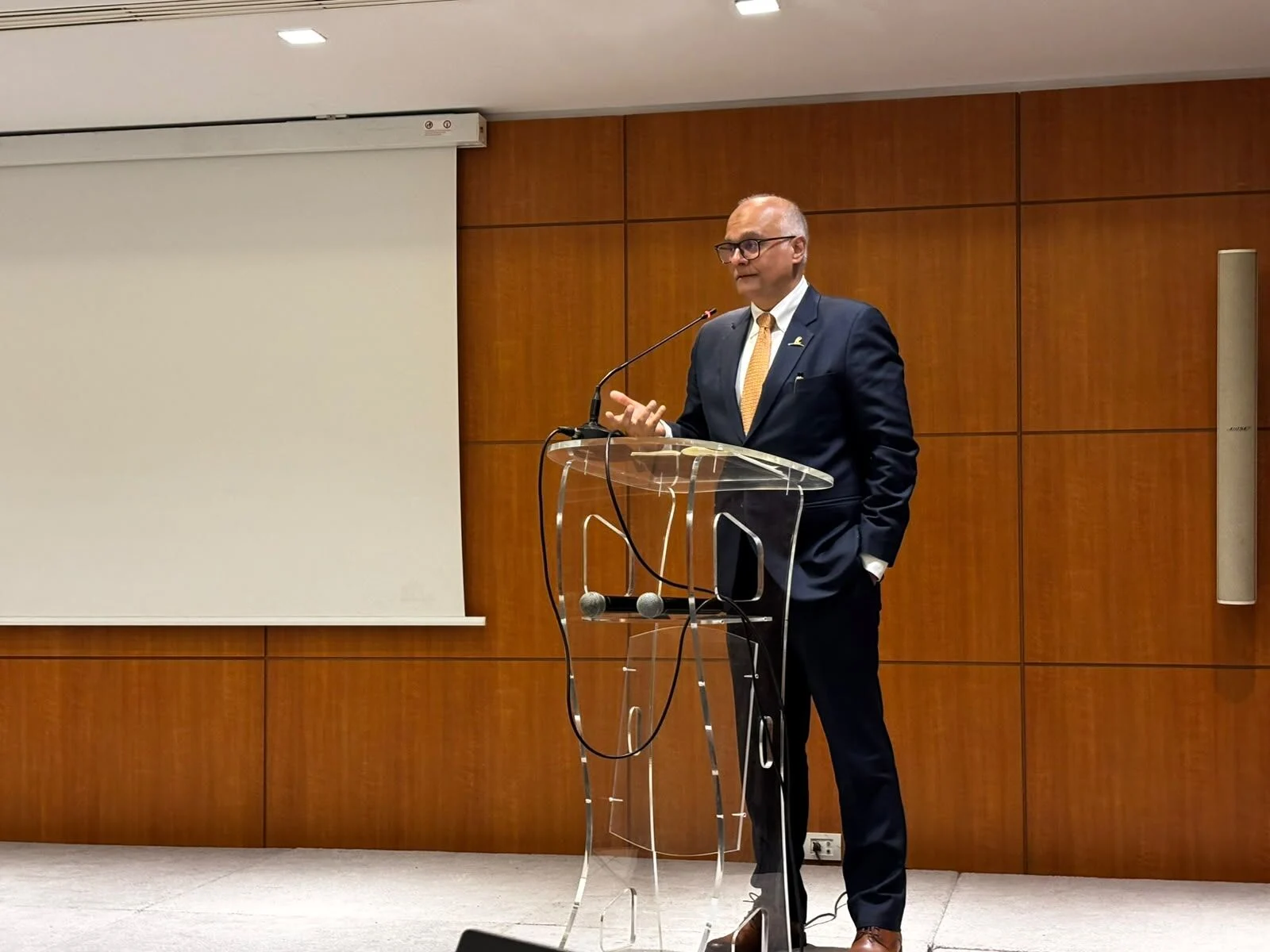
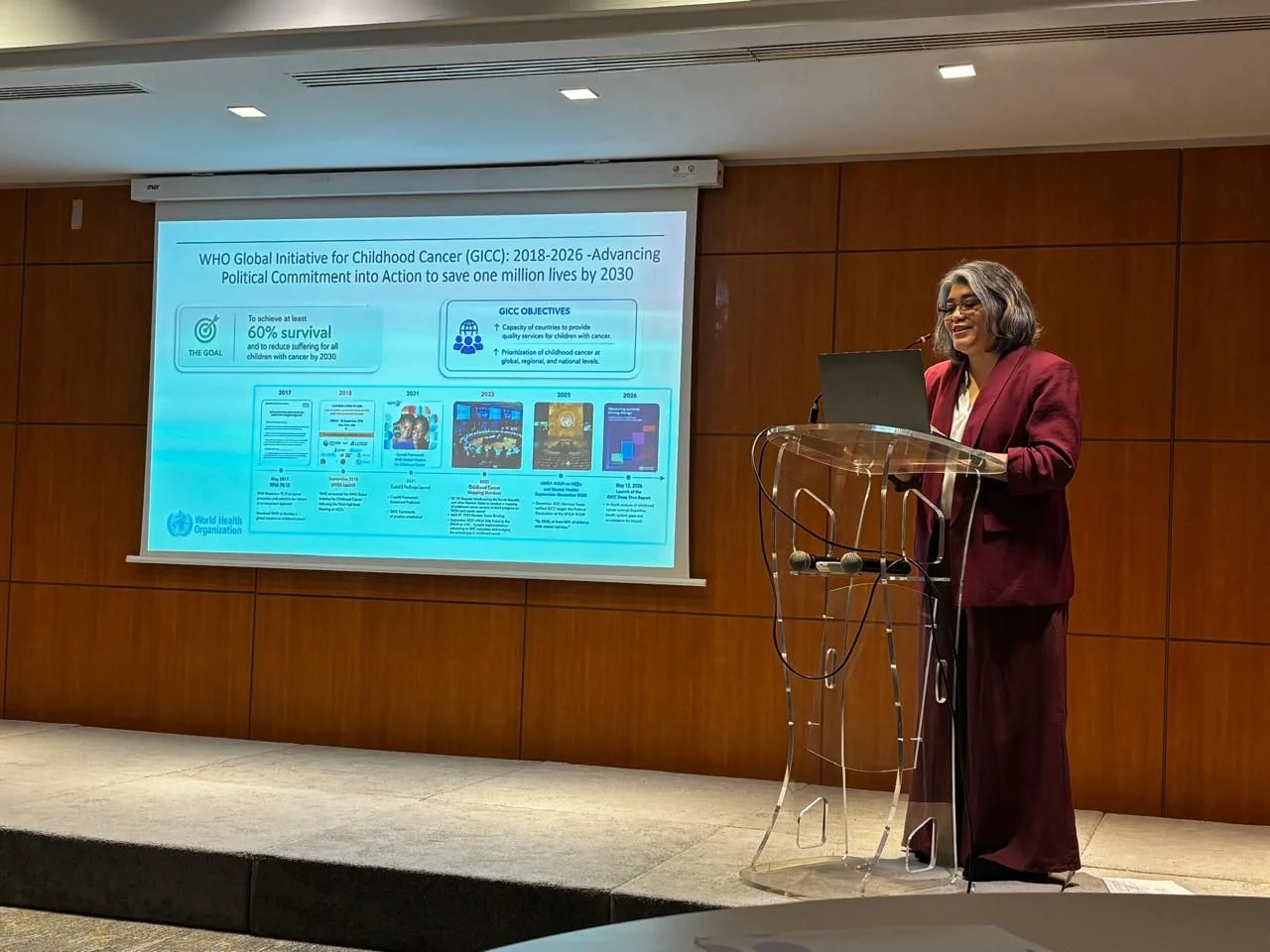
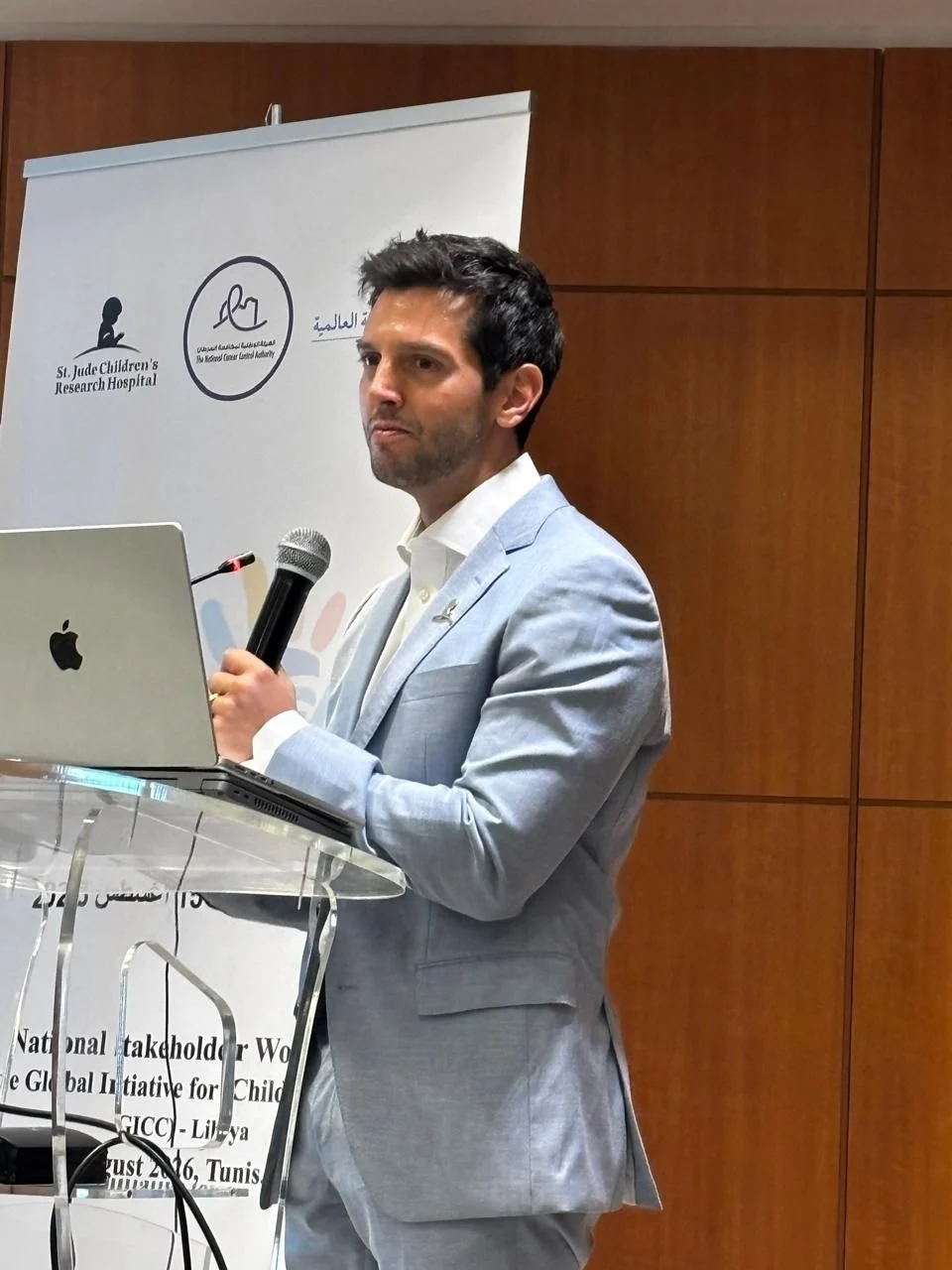
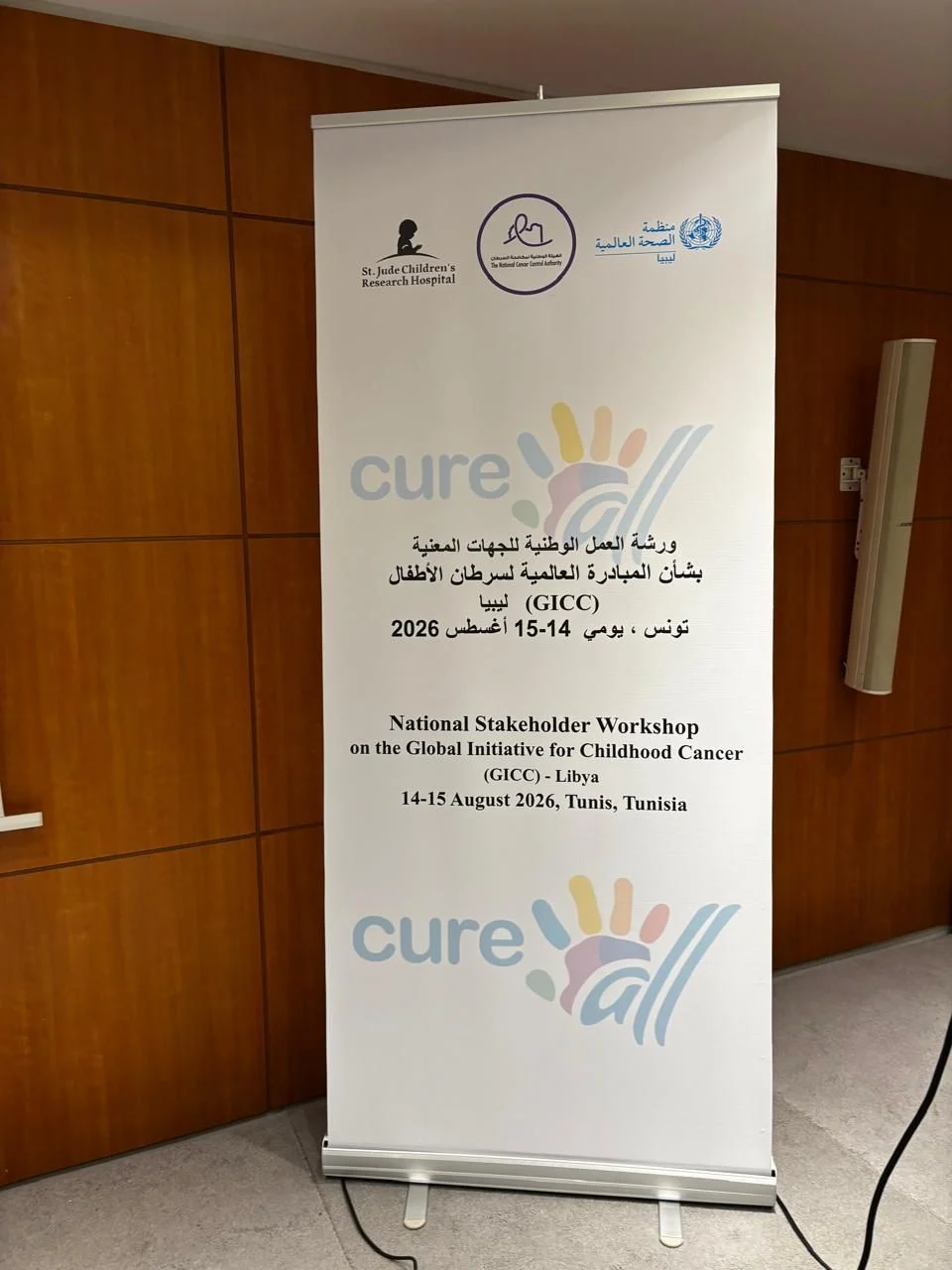
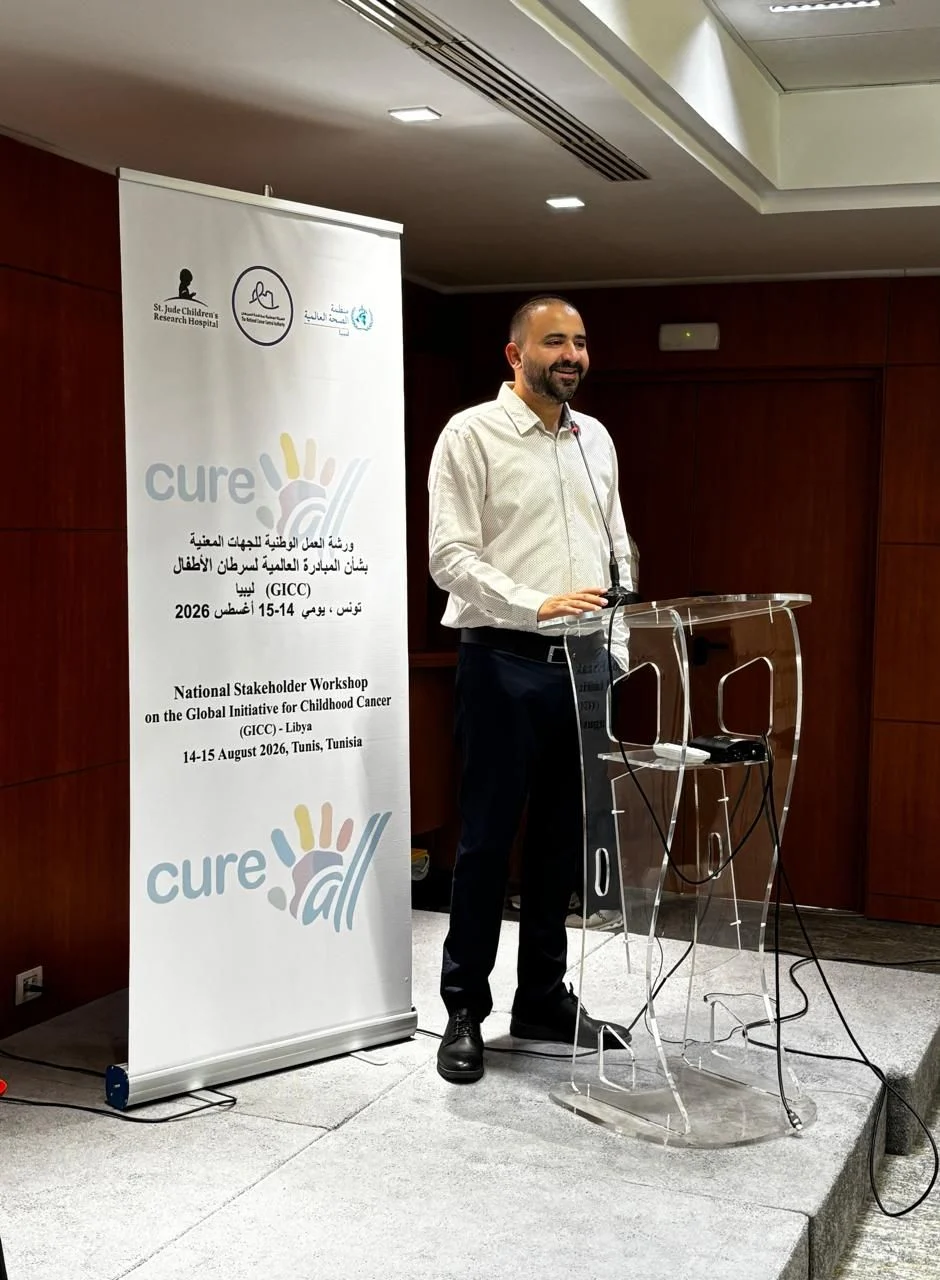
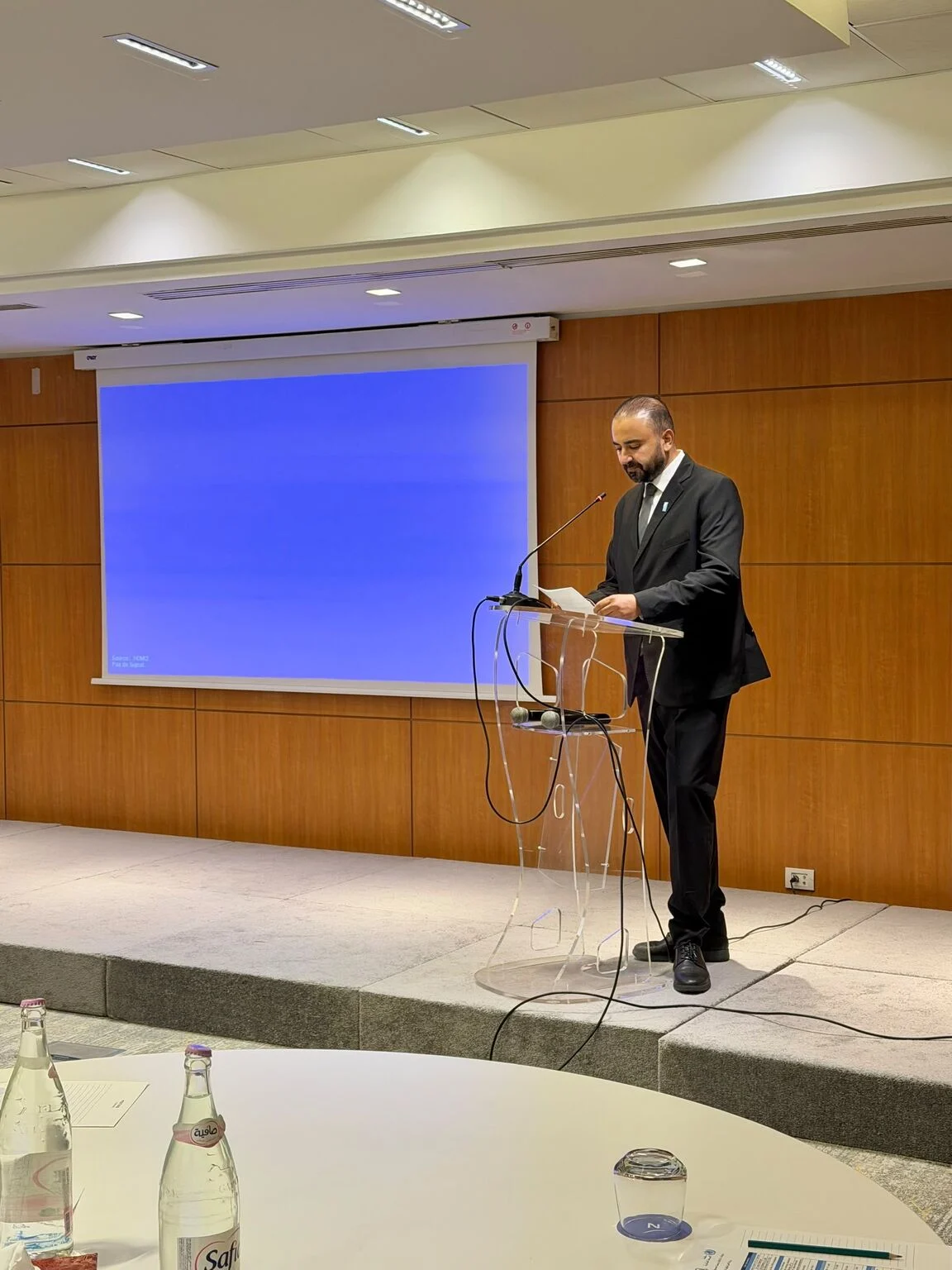
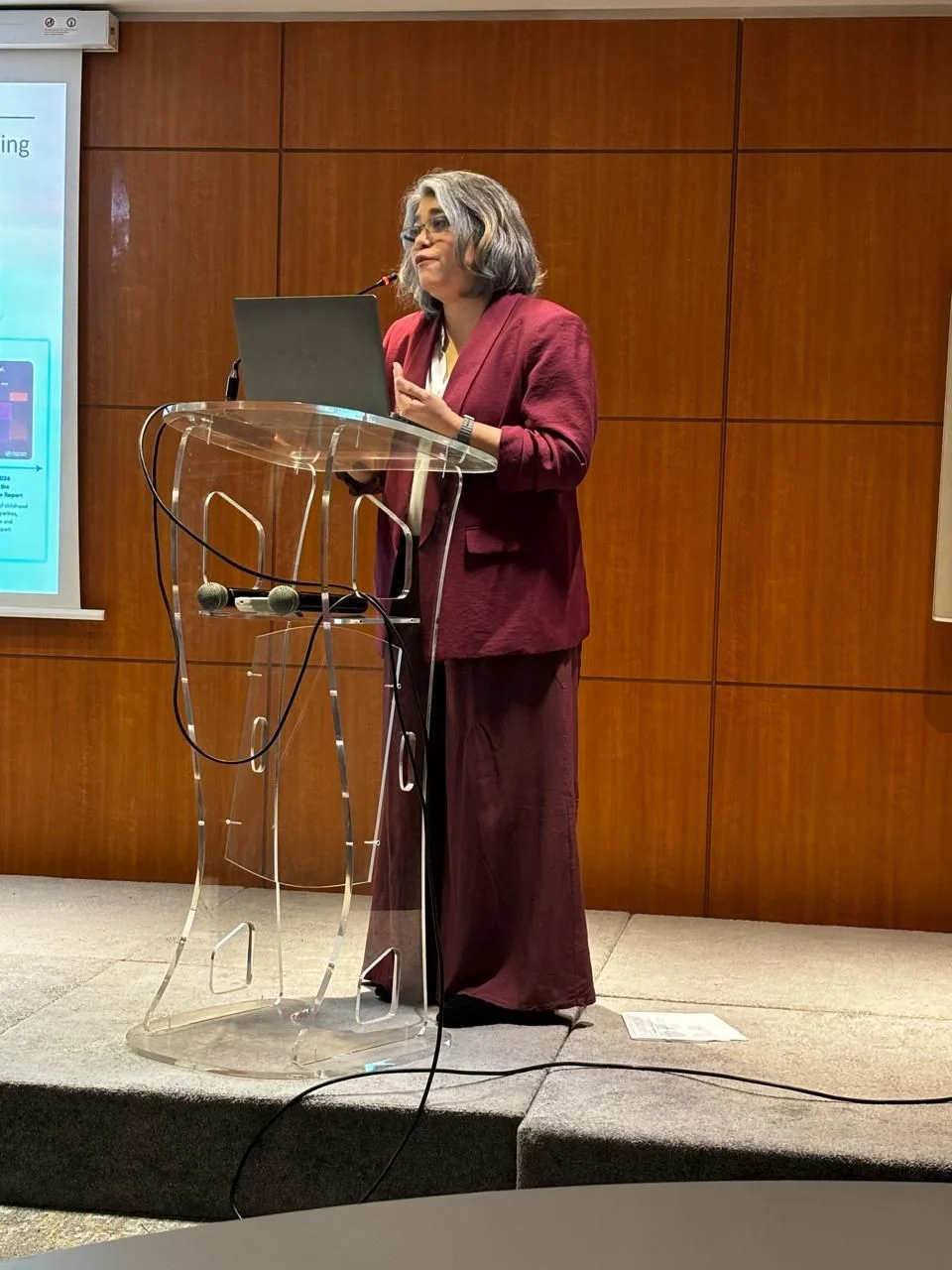
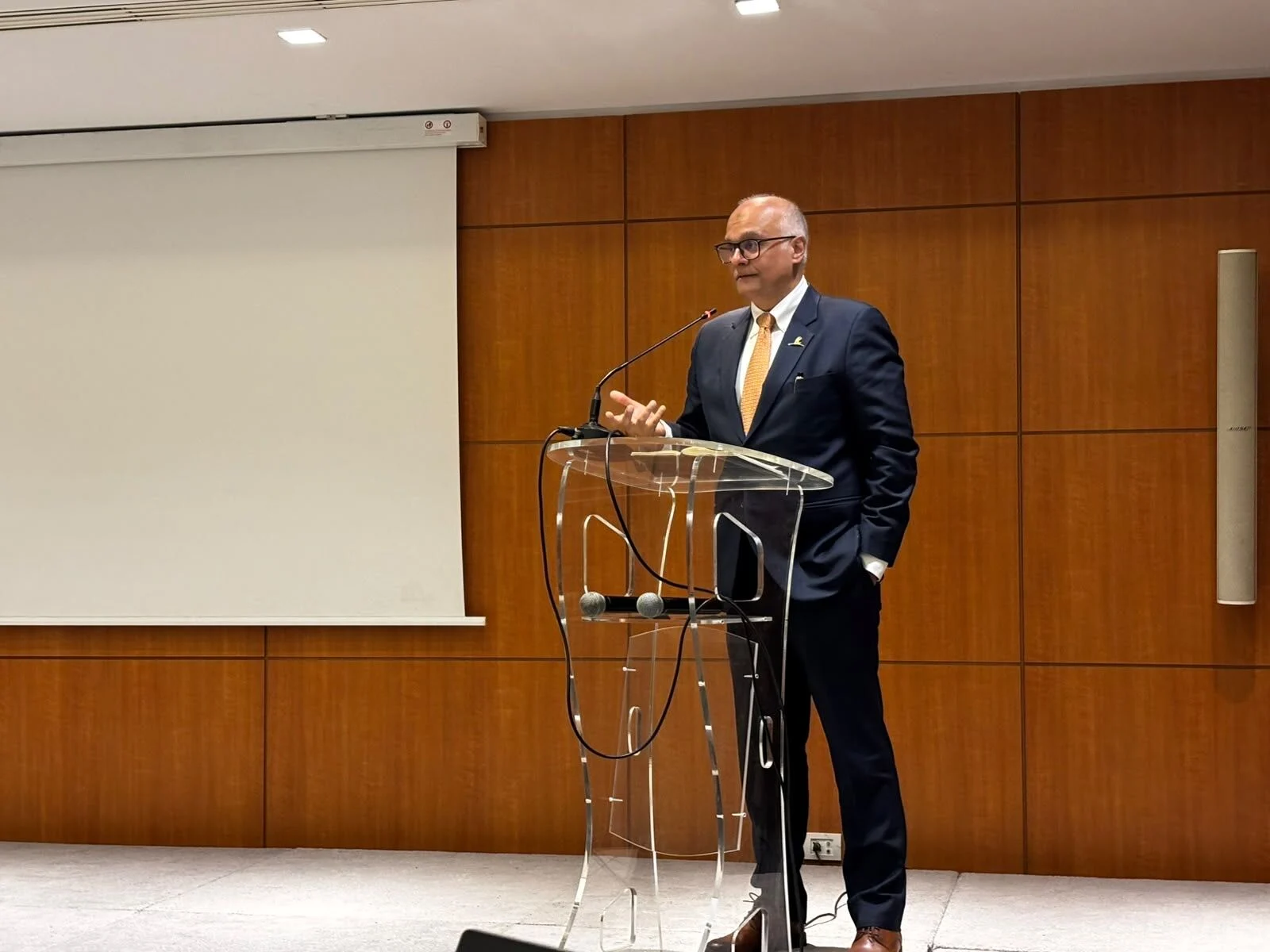
“The first Stakeholders’ Workshop for Libya’s journey towards the achievement of the Global Initiative for Childhood Cancer (GICC) was conducted in Tunis, Tunisia, on August 14-15.
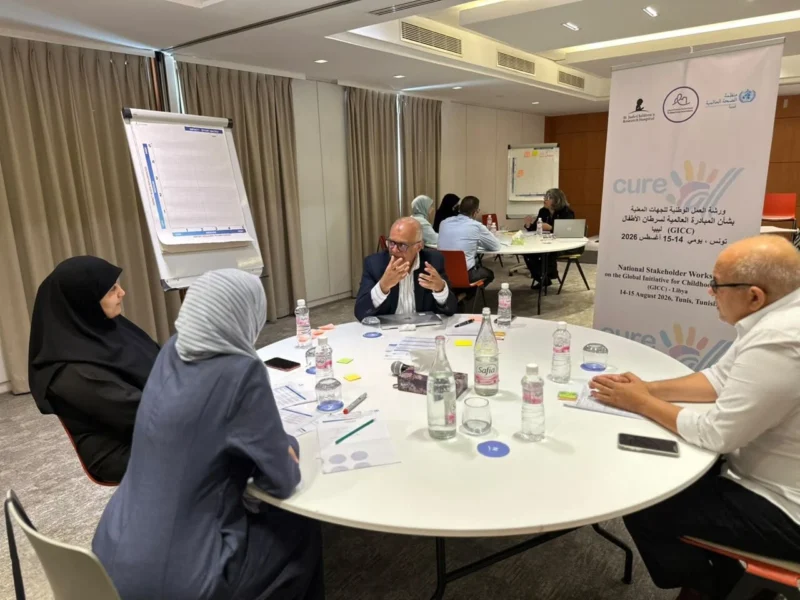
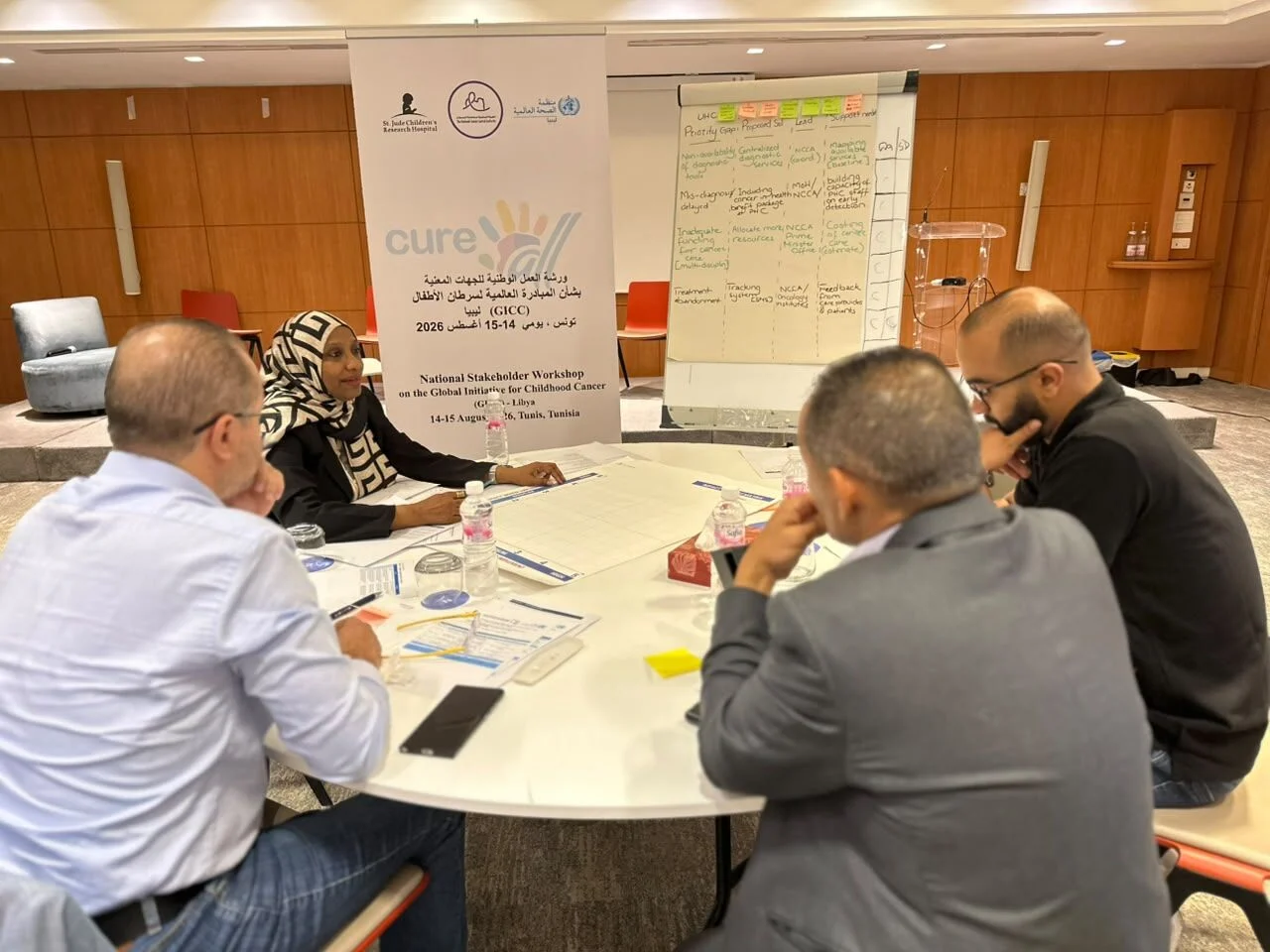
Facilitated by the WHO and St. Jude Global, the workshop brought together clinicians, hospital administrators, and government officials involved in the care of children with cancer in Libya.
The discussions were open and honest, with a focus on the goal: the children.
This resulted in the identification of gaps in care and care process, recommendations for solutions, development of plans of action, and prioritization of the actions for early and later implementation.
The commitment towards the aim of improvement in the outcome of children with cancer was highly evident, and was underscored by their willingness to travel to Tunisia to meet, as the internal situation in Libya precluded a meeting there.
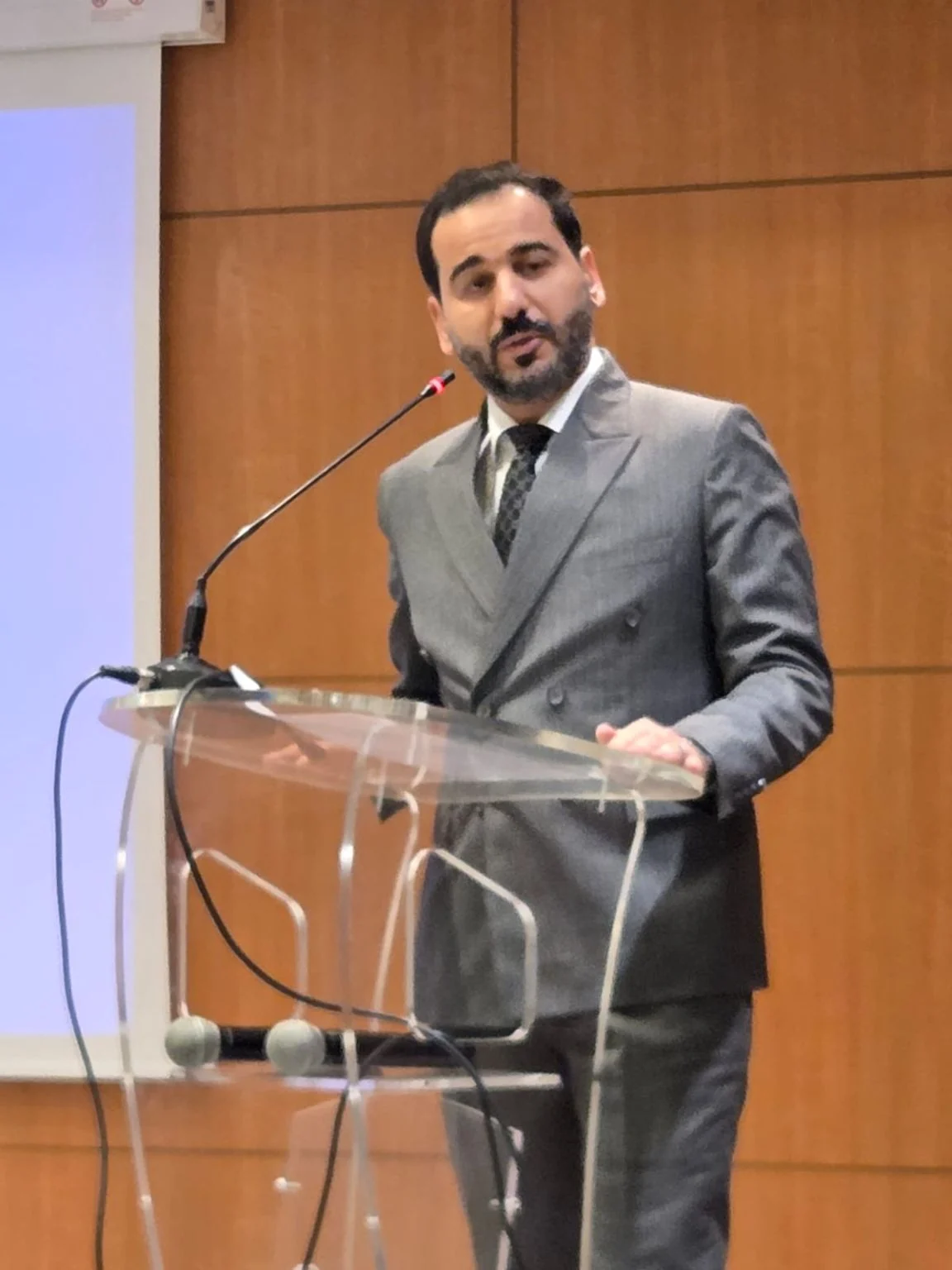
We also had the honor of Dr. Haider Al-Sayeh’s (Chairman, National Cancer Control Authority, Libya) presence and participation, representing the overarching authority for cancer control and care in the country.
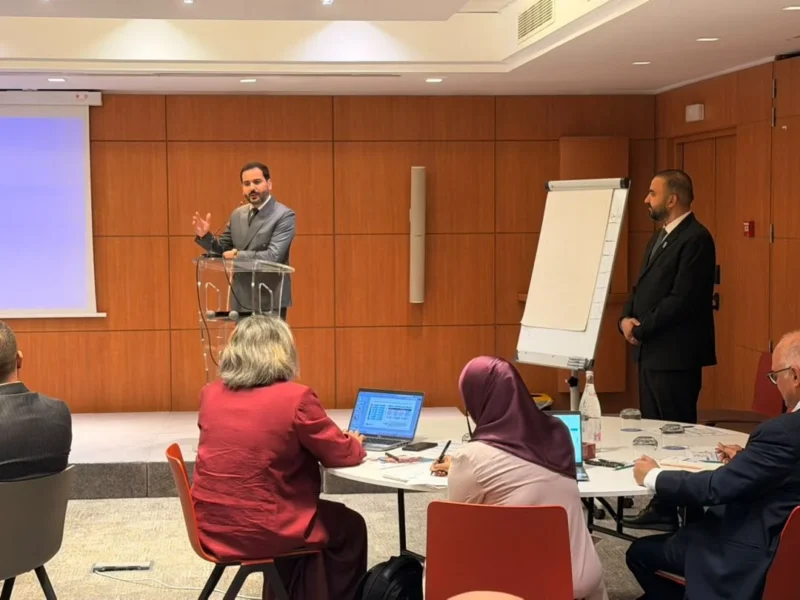
We are returning energized with the workshop, and look forward to continued collaboration and support in Libya’s journey towards improvement in the outcomes for children with cancer.”
Giuseppe Troisi, Program Manager of the Eastern Mediterranean Regional Program at St Jude Global Hub in Dubai, added:
“On August 14-15, stakeholders from across Libya’s childhood cancer community came together for the National Workshop on the World Health Organization Global Initiative for Childhood Cancer (GICC).
The workshop brought together representatives from the National Cancer Control Authority of Libya, pediatric oncologists, and other national stakeholders, alongside colleagues from St. Jude Children’s Research Hospital, WHO Headquarters, the WHO Regional Office for the Eastern Mediterranean (EMRO), and the WHO Country Office in Libya.
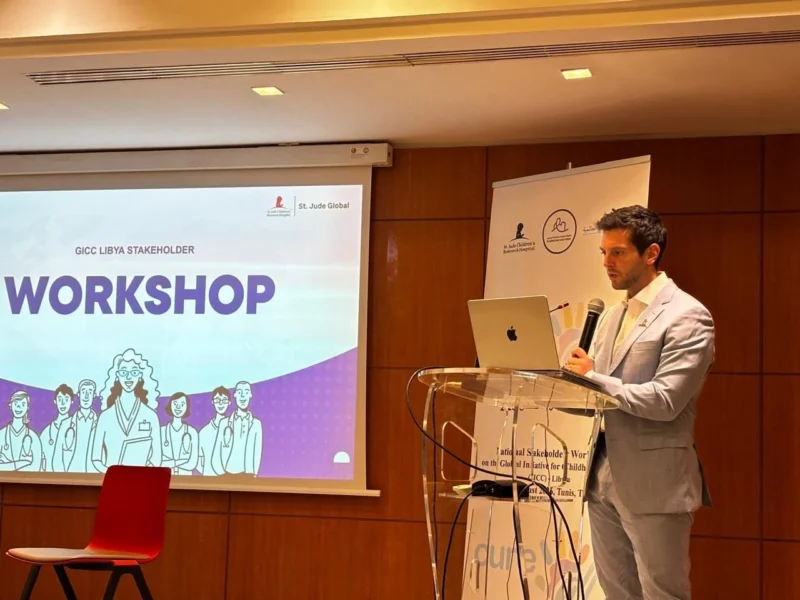
Over two days, we examined key gaps across the Cure All pillars and, more importantly, worked together to identify practical solutions that can strengthen childhood cancer care in Libya.
The discussions resulted in the prioritization of four projects for immediate implementation:
- Development of a national Essential Medicines List for childhood cancer
- Mapping of diagnostic services and capacity
- Development and implementation of guidelines for febrile neutropenia
- Development of standardized data management SOPs
What stood out was the shift from identifying challenges to defining concrete actions, responsibilities, and opportunities for collaboration. These initial projects provide tangible entry points for strengthening the systems needed to improve access, quality of care, and outcomes for children with cancer in Libya.
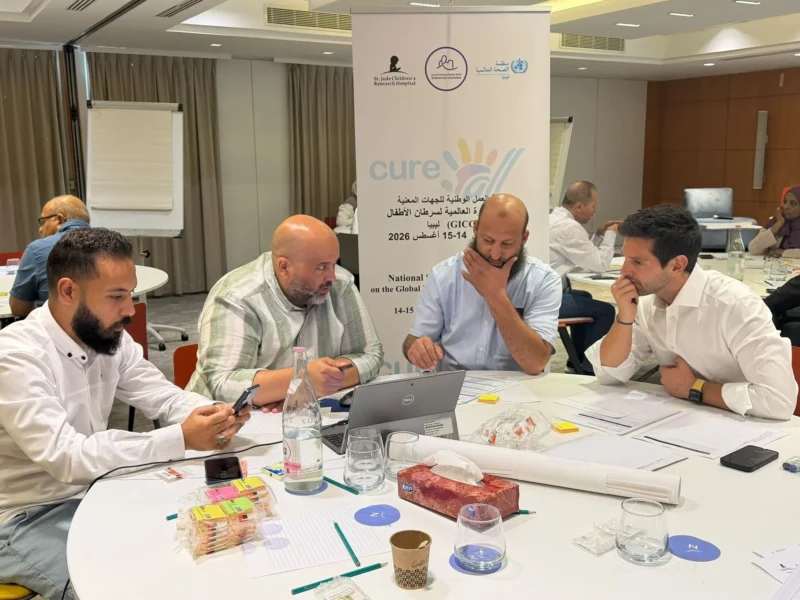
A strong start to what will require sustained national leadership, technical collaboration, and coordinated implementation.
Grateful to all our Libyan colleagues for their active engagement and commitment throughout the workshop, and to our colleagues at WHO for their continued collaboration and support. A special appreciation to the National Cancer Control Authority of Libya for its leadership in advancing this important work.”