





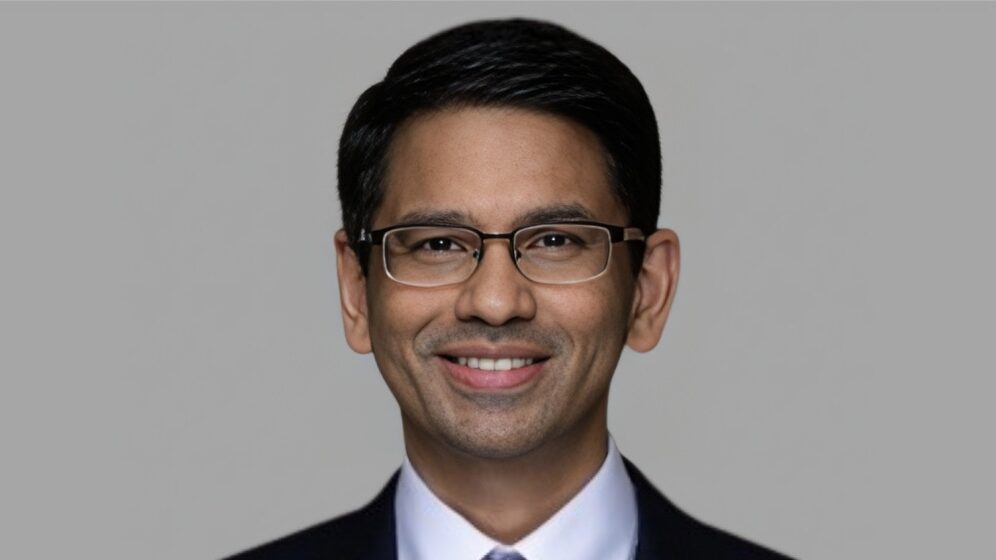
Ashish Kamat, Professor and Director of Urologic Oncology Fellowship at MD Anderson Cancer Center, shared a post on LinkedIn:
“Been following the discussion on why so many SUO spots went unmatched this year. As fellowship program director at UT MD Anderson 2005 – 2016, and as one of the original team that built the SUO Fellowship Committee, I’ve watched the forces driving this trend build for years.
A few observations:
- Economics play a major role. Our most complex urologic oncology surgeries demand heavy OR time, perioperative management, and longitudinal follow-up. Reimbursement hasn’t kept pace with that complexity, and eg radical cystectomy it actively penalizes it. Other career paths offer higher compensation, more predictable schedules, and less administrative burden.
- The treatment landscape has changed. As systemic therapies have proliferated, care has become more multidisciplinary. That’s good for patients, but it’s changed how trainees see us. Many think medical oncology drive treatment sequencing and conclude the surgeon’s role is shrinking, even though high-quality surgical and multidisciplinary decision-making is still crucial.
- Training itself has evolved. When we formalized the SUO fellowship structure, the goal was: standardize training, protect research time, professionalize the pathway. The tradeoff nobody priced in: extra fellowship time now sits between residency and practice when educational debt, delayed earnings, and work-life tradeoffs weigh heaviest on trainees.
- US residents are graduating technically stronger. Many finish residency comfortable with complex robotic surgery, advanced endourology, etc. They can walk into practice with marketable skills on day one. Fellowship’s incremental value isn’t what it was 20 years ago – the baselinehas moved.
- We should stop equating fellowship training with commitment to cancer care. Some of the highest-enrolling investigators in bladder cancer trials never did a urologic oncology fellowship. They built outstanding practices, contribute real research, and expand access to novel therapies without ever sitting in our training pipeline. Residents see that and draw the obvious conclusion: there’s more than one road into uro-oncology, and ours isn’t may not be the only one that counts.
- None of this means urologic oncology is in decline. The field is as demanding and as central to cancer care as it’s ever been. The question is whether SUO is aligning training pathways, incentives, and career opportunities with the realities trainees are actually facing, not the realities we trained under.
If we want the best residents to enter into fellowship, we should spend less time lamenting their choices and more time understanding the math behind them. The same conversation is happening across law, consulting, and tech. This generation wants a clear, defined return on the years they’re putting in.”
Other articles featuring Ashish Kamat on OncoDaily.