





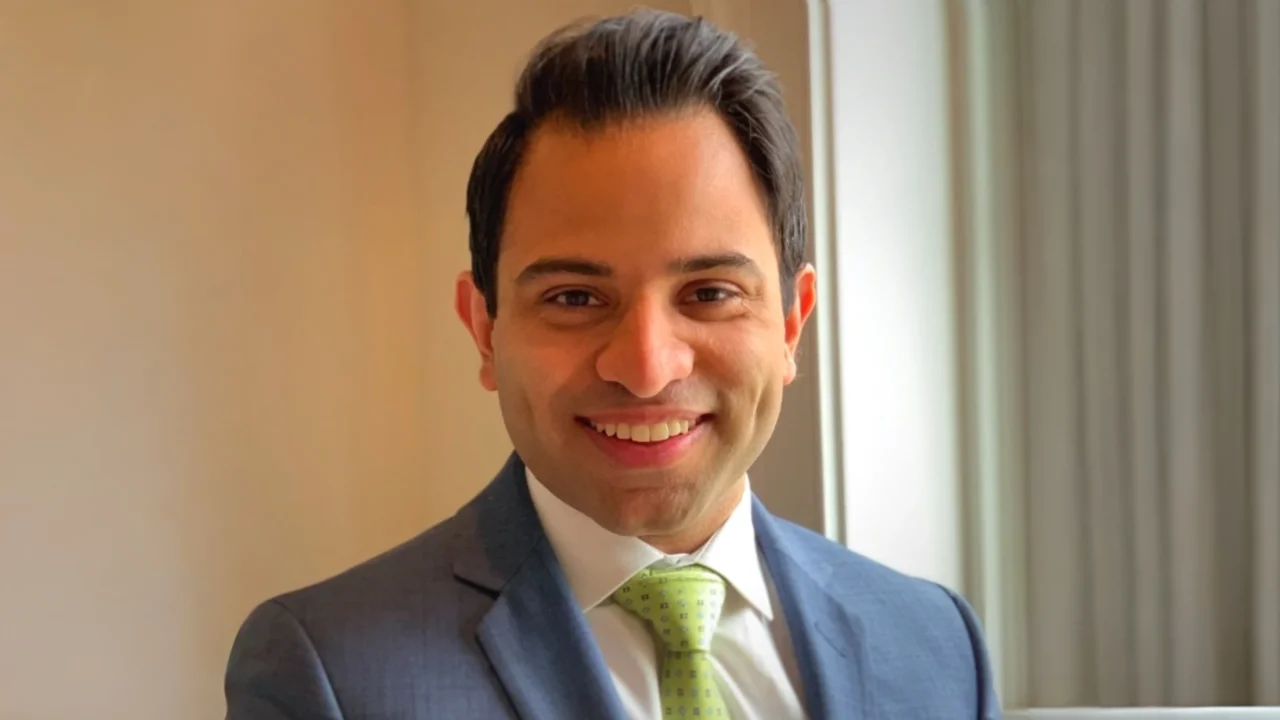
Arpit Chhabra, Co-Founder of Bridge Oncology, shared a post on LinkedIn:
“This GE HealthCare and Mayo Clinic collaboration is a great example of where radioligand therapy is heading: more personalized, adaptive, and response-based care.
For many patients today, radioligand therapy is still delivered in a relatively standardized fashion. But the future will increasingly require us to understand, in real time, who is responding, where they are responding, and whether therapy should be continued, paused, escalated, or supplemented.
One key piece that will likely become central to this evolution is dosimetry.
As theranostics programs mature, patient-specific tumor and normal tissue absorbed dose data will be critical. This will help us better determine whether radioligand therapy doses can be safely escalated, when normal tissue constraints may limit additional treatment, and which slowly responding or resistant sites may benefit from supplemental external beam radiation therapy.
This is also why the future of theranostics cannot exist in a silo. The most effective programs will need close integration between nuclear medicine, medical oncology, radiation oncology, medical physics, imaging, nursing, and operations.
The goal should not simply be to determine whether a patient is eligible for radioligand therapy. The next step is determining how much therapy they should receive, how they are responding over time, and how best to combine radioligand therapy with other radiation-based treatments to maximize benefit while protecting normal tissue.
Exciting to see this type of work pushing the field toward truly individualized theranostic care.”
Other articles featuring Arpit Chhabra on OncoDaily.