





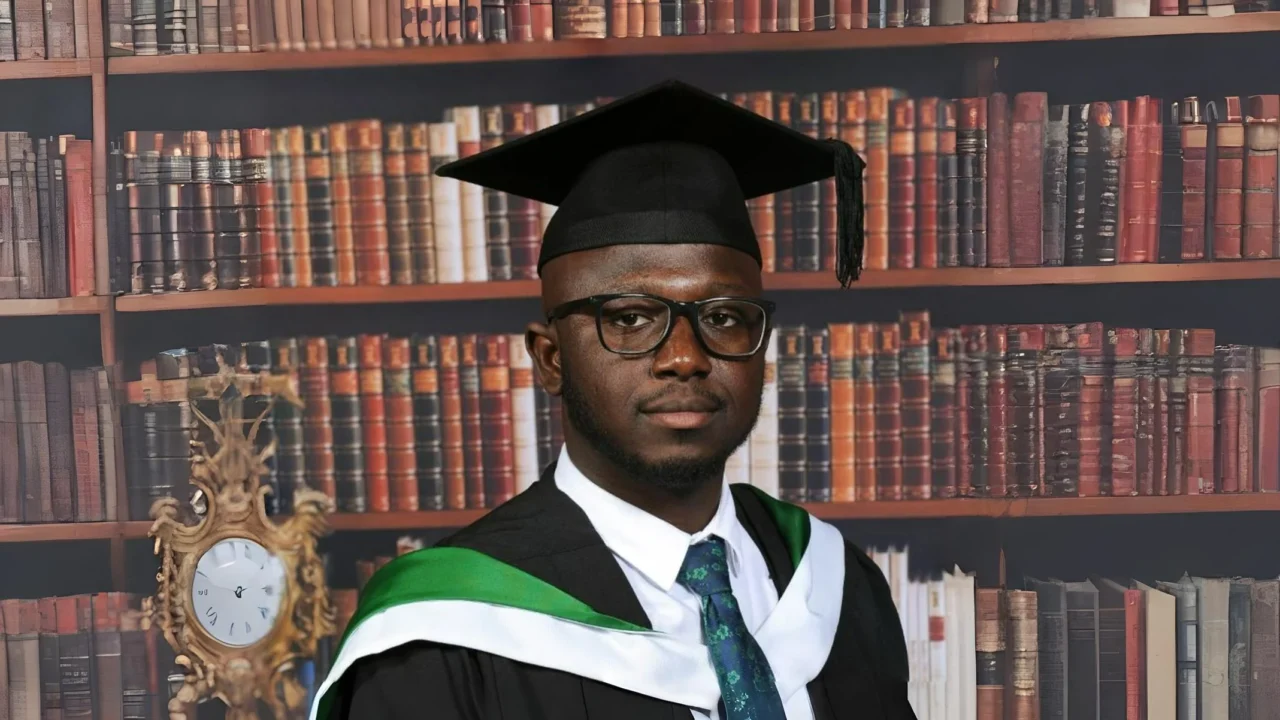
Anthony Gyening Yeboah, Doctoral Researcher at University of Nottingham, shared a post on LinkedIn:
“Anatomic Pathology is relatively an unpopular medical specialty among medical students and doctors.
Even in the general society, laypeople reduce the role of pathologists to only autopsy practice. In Ghana for instance, the general public describes a pathologist as “dɔkota na a, ɔtwetwa funu”, which literally means “the doctor who butchers corpse”. Such description disincentivises medical students and doctors, and their families from respectively choosing and encouraging their loved ones to choose Anatomic Pathology as a medical specialty.
What the general public and some medical students and doctors do not know or appreciate is that, firstly the bulk of the work of anatomic pathologist is surgical pathology practice and secondly, pathologist sit at the fulcrum of both traditional oncology practice and precision oncology practice. It is the pathologist who makes the evaluation of surgical specimens, using conventional histomorphology, cytopathology, immunohistochemistry, immunofluorescence, molecular techniques and in modern times, artificial intelligence through digital pathology, to diagnose cancers, inform targeted therapy choice, and prognosticate. Thus, without a pathologist, traditional and precision oncology may become a clinical practice with a quiver full of speculations.
Additionally, the description of autopsy practice as the butchering of corpse is an unfortunate statement. This is because, autopsy is the words of my mentor, Professor Kafui Patrick Akakpo, “a noble and honourable practice,” of delicately examining the body of deceased person to, among other things, determine cause of death, and underlying mechanisms of the disease and symptomatology the overcame modern medicine and led to the death of a person.
The procedure is guided by knowledge in anatomy (gross and microscopic), physiology, pathophysiology, clinical medicine, forensics, weapons, and different disciplines to appropriately answer the questions warranting the autopsy. More importantly, autopsy is meant to discover knowledge and information that would guide and protect the living — Mortui vivos docent. Negatively nudging people away from autopsy practice denies any society the full scope of a safe and evolving healthcare.
Against this background, there is a great need to protect Anatomic Pathology from discrimination and stigmatisation. Additionally, there is a need to encourage medical students and doctors to consider Anatomic Pathology as a medical specialty of choice.”