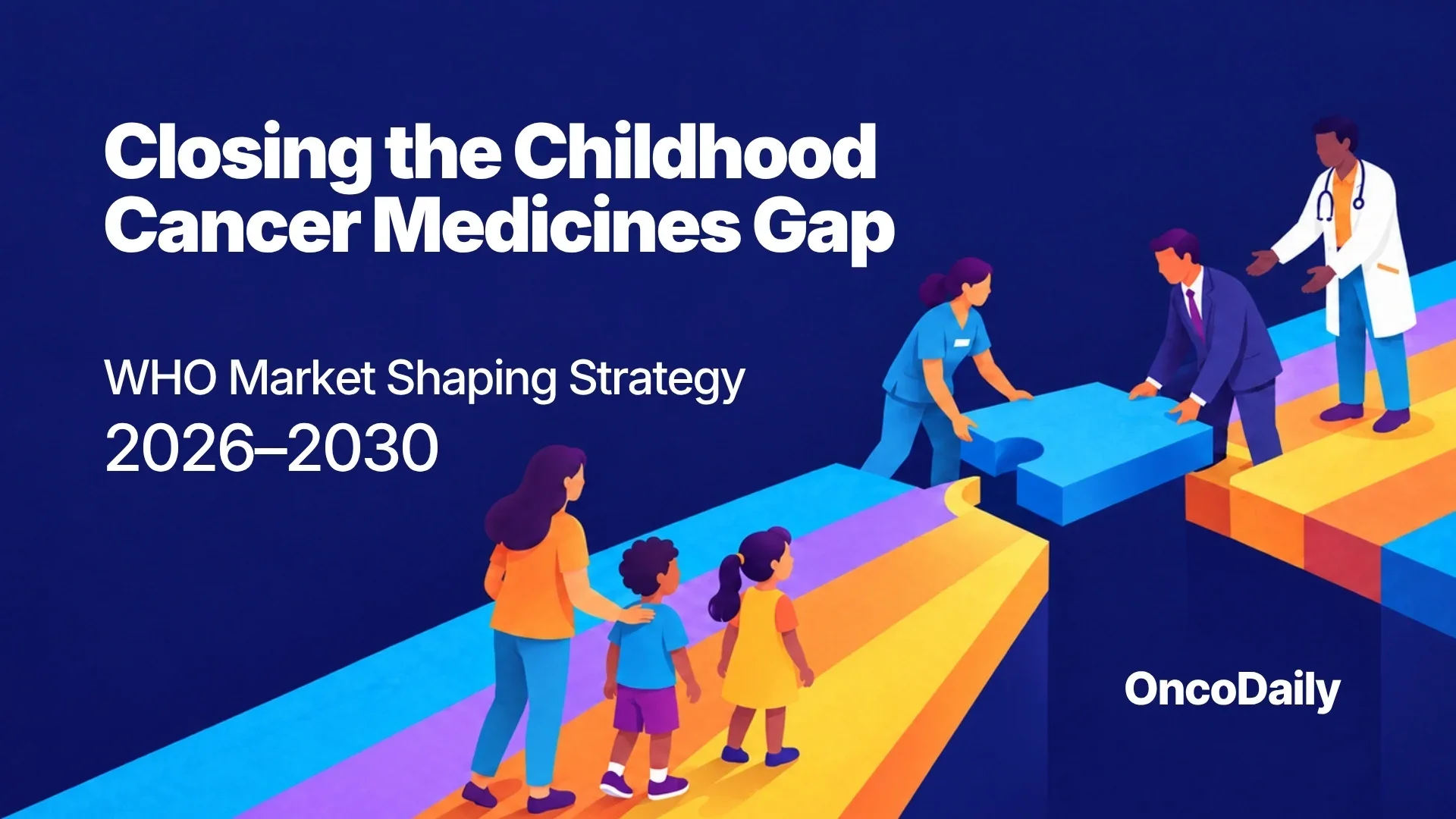
Anjali Srivastava, Global Health Consultant at World Health Organization, shared a post on LinkedIn:
“A cancer medicine cannot save a child’s life if it never reaches them.
In pediatric oncology, access depends on more than whether an effective medicine exists. Small patient populations, fragmented demand, unreliable forecasting, limited suppliers, quality concerns, and procurement challenges can make essential medicines unavailable, unaffordable, or inconsistently supplied.
Market shaping addresses these barriers by improving coordination across the market—from forecasting and demand aggregation to quality assurance, procurement, and supplier engagement.
A treatment protocol is only as effective as the medicines available and the systems built around it to deliver them to the most needy.
I would love to highlight this important work and proud to have contributed to the newly published World Health Organization report, Closing the Childhood Cancer Survival Gap Through Sustainable Access to Medicines: Market Shaping Strategy 2026–2030—a practical roadmap for building more reliable and sustainable markets so that every child can access quality-assured, life-saving medicines, wherever they live.”
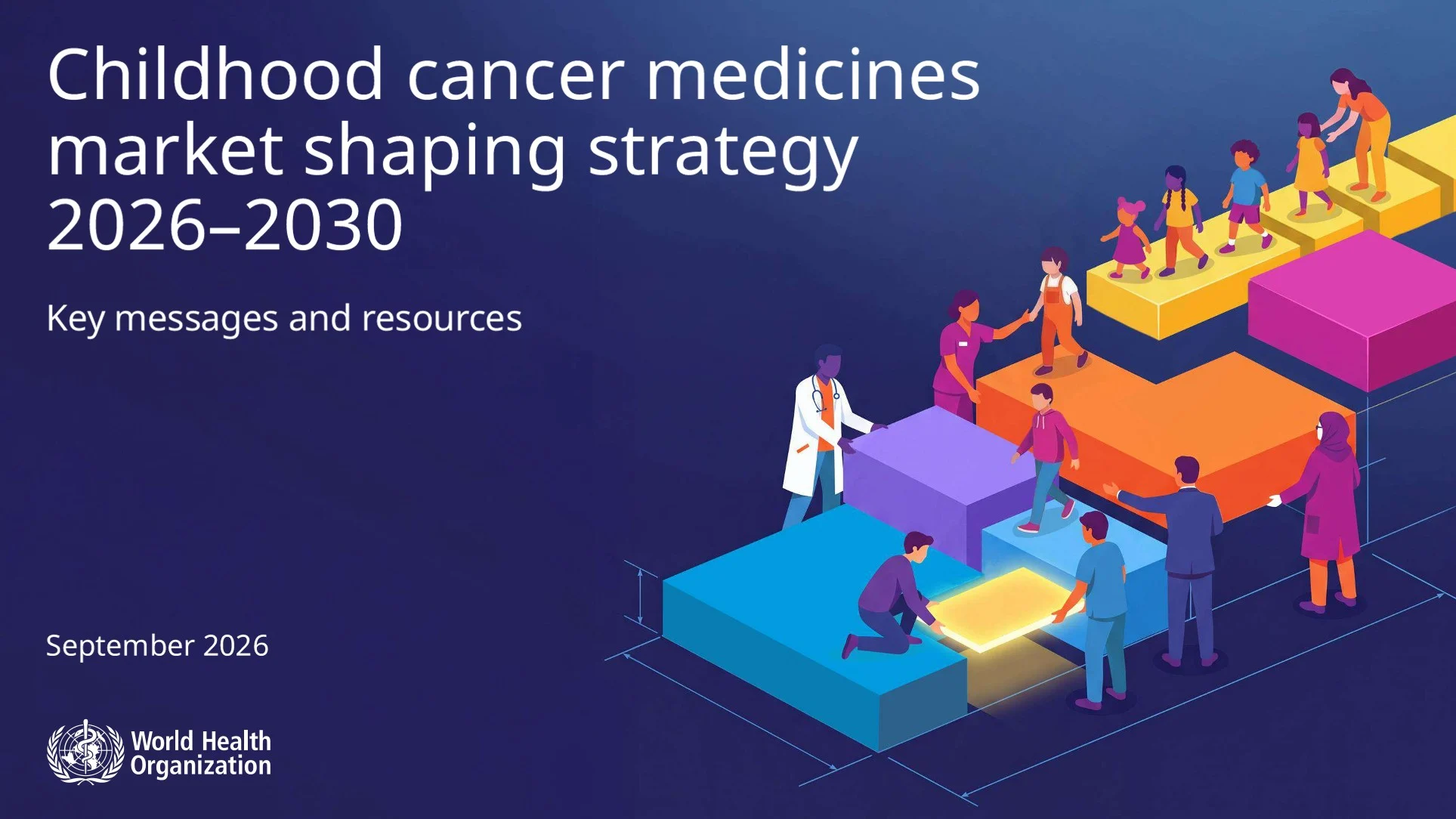
You can also read: WHO Unveils 2026–2030 Strategy to Close the Childhood Cancer Medicines Gap