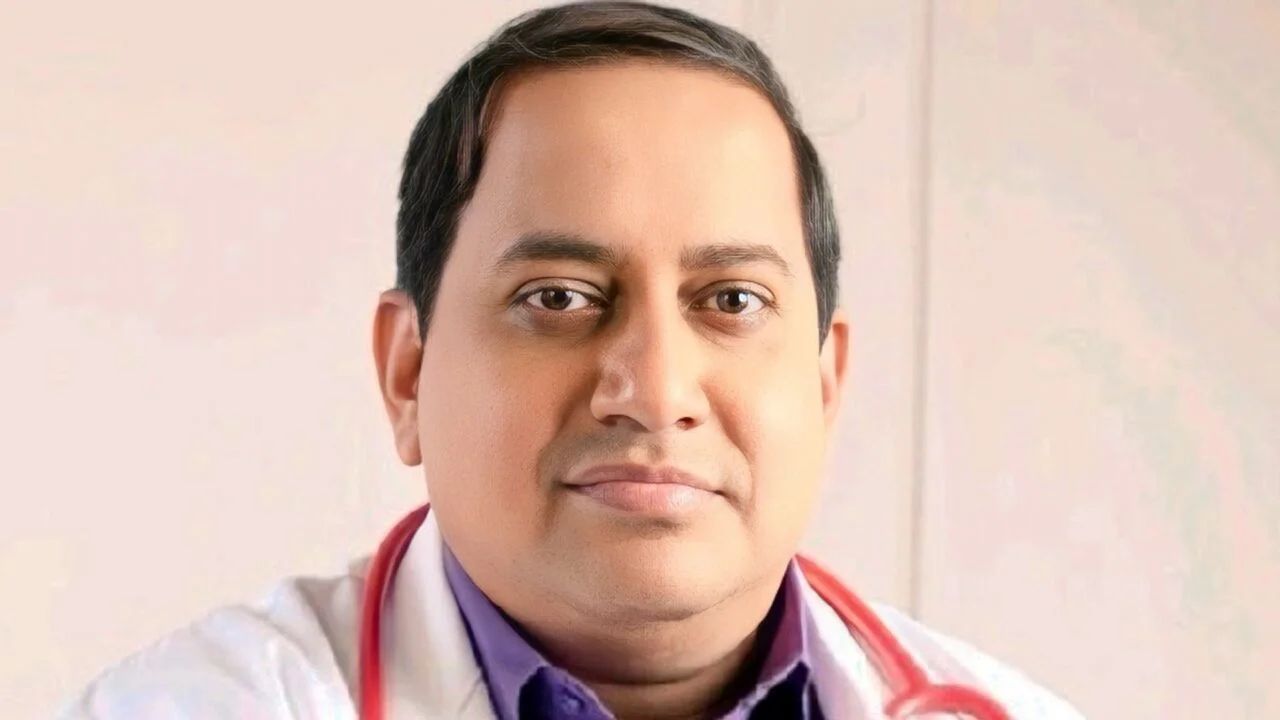
Amol Akhade, Senior Consultant at Fortis Hospitals Mumbai, shared a post on LinkedIn:
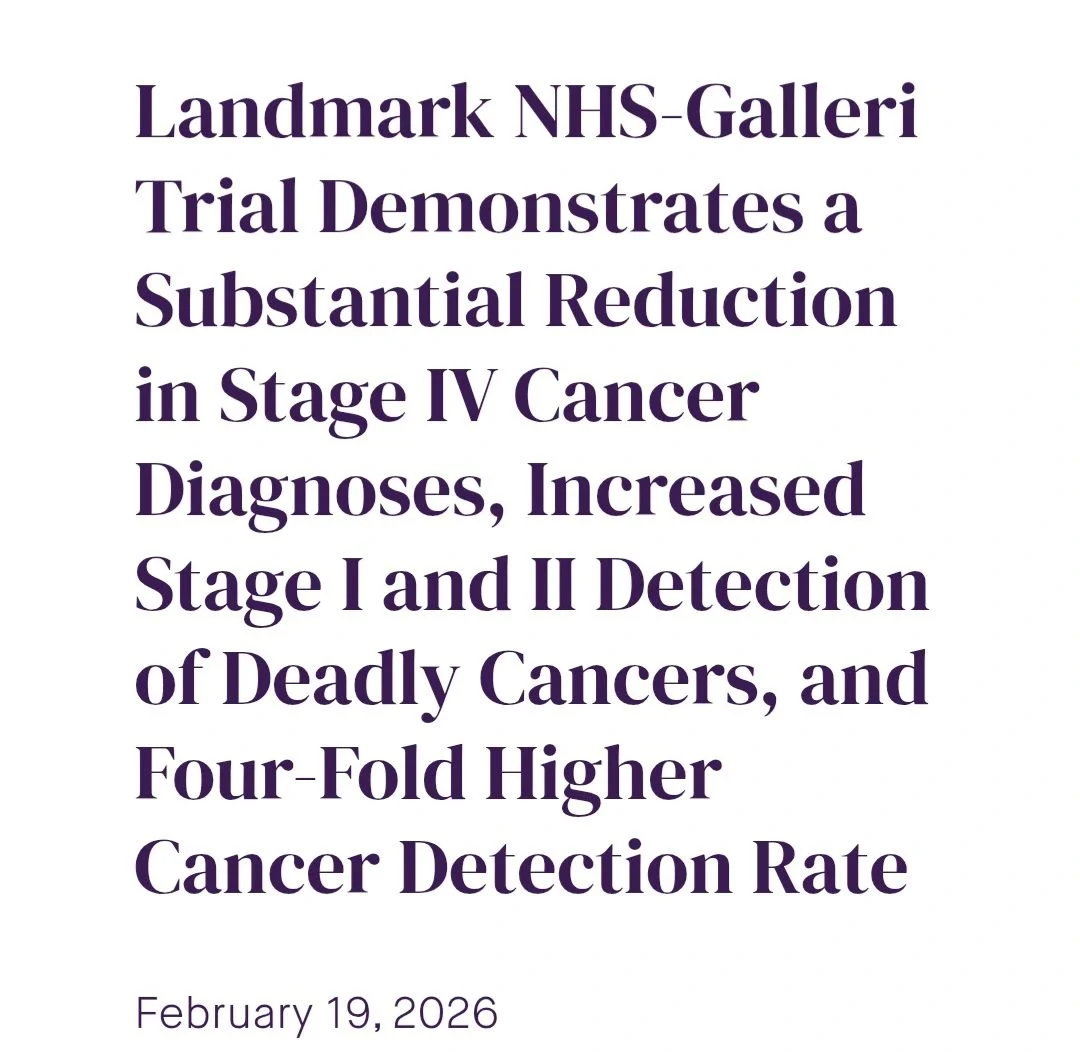
“The headlines are compelling: a four-fold increase in overall cancer detection, more Stage I-II cancers identified, and a reduction in Stage IV diagnoses over time .
But careful reading tells a more nuanced story.
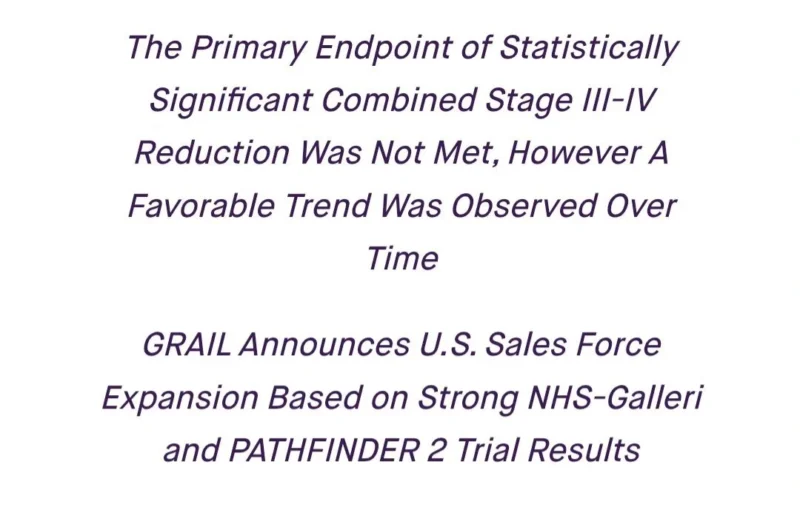
The primary endpoint – a statistically significant reduction in combined Stage III-IV cancers – was not met. That matters. When a trial fails its primary endpoint, everything else must be interpreted cautiously.
Secondary analyses and favorable trends may be hypothesis-generating, but they do not overturn a negative primary result. The ‘four-fold increase‘ in detection sounds dramatic, but relative effects can amplify perception.
What truly matters in screening is the absolute benefit.
How many additional cancers were detected per 1,000 individuals screened?
How many of these were aggressive and life-threatening versus indolent?
Without that context, relative multipliers can be misleading.
The reported stage shift – more early-stage cancers and fewer Stage IV cases – is intriguing. But stage migration is a surrogate endpoint. Oncology has repeatedly shown that earlier detection does not automatically translate into reduced mortality. .
Lead-time bias and overdiagnosis are well-recognized phenomena in screening. Patients may live longer with a diagnosis without actually living longer overall.
Another important point: screening is applied to healthy populations. The evidentiary threshold must therefore be high. False positives, downstream imaging, biopsies, anxiety, and healthcare costs all matter. In this context, mortality reduction – not stage redistribution – is the outcome that ultimately justifies widespread adoption.
None of this dismisses the innovation behind multi-cancer early detection technology. The biology is fascinating. The signals are promising. But signals are not standards of care.
At this stage, the NHS-Galleri trial suggests potential stage shift. It does not yet demonstrate mortality benefit. That distinction is critical.
In screening, survival – not stage – is what determines whether a technology truly changes outcomes. Let’s hope the final publication of full paper will answer these questions. Till then remember, until mortality improves, enthusiasm should remain proportional to the evidence.”
Other articles featuring Amol Akhade on OncoDaily.