





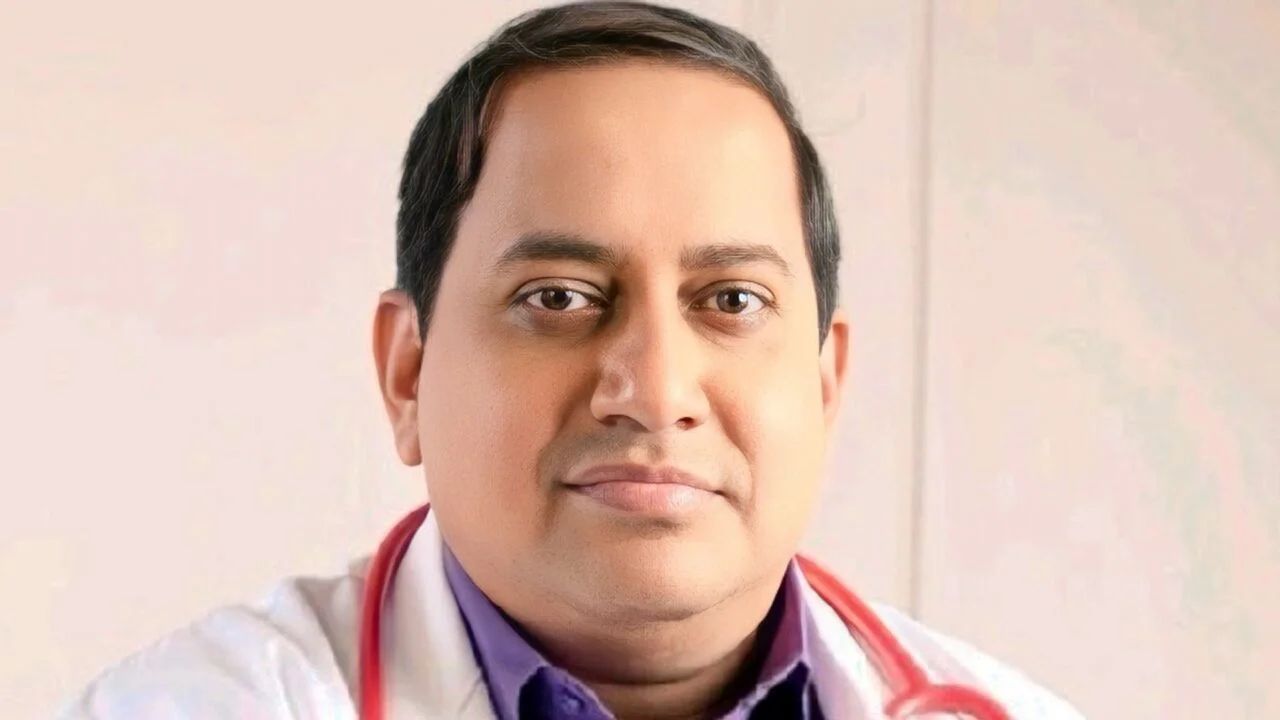
Amol Akhade, Senior Consultant at Fortis Hospitals Mumbai, shared a post on LinkedIn:
“Spoon-Feeding or Spoon-Building?
How Should We Train the Next Generation of Oncologists?
Oncology training has never had more information at its disposal. Guidelines are frequently updated, pathways are neatly defined, and trial summaries are widely circulated. Yet this abundance raises a difficult question: are we training oncologists to think, or merely training them to follow instructions?
Spoon-feeding dominates much of current medical education. It is efficient and well-intentioned. Fellows are taught what to prescribe, in which line, and for which biomarker. This approach produces clinicians who are comfortable within algorithms but often uncertain when real-life patients fall outside trial definitions—when benefit is modest, toxicity is meaningful, or access is limited. The limitation of spoon-feeding is not ignorance; it is dependence. When answers are always provided, fellows are rarely required to own decisions. Clinical reasoning is quietly outsourced to guidelines, MDT consensus, or summarized recommendations, leaving little room for judgment under uncertainty.
Spoon-building, in contrast, is deliberately demanding. It requires fellows to justify their choices: why this treatment, based on which trial, using which endpoint, and for whom. It brings trial design, absolute benefit, toxicity, and external validity into everyday discussion. It acknowledges that evidence is rarely perfect and that uncertainty is not a failure of knowledge but a reality of practice. An oncologist trained this way learns early that statistical significance does not always translate into clinical value, that progression-free survival without quality-of-life benefit may not justify toxicity, and that cost and availability are integral to ethical decision-making – not peripheral concerns.
Such training also reshapes the learning environment. Respectful disagreement becomes a sign of engagement, not defiance. Fellows who challenge recommendations with data are encouraged, not silenced. This is how independent clinicians are formed.
The next generation of oncologists will practice in a world with more drugs, more biomarkers, and greater complexity. They will not need more information. They will need the ability to interpret, question, and sometimes resist it.
Spoon-feeding fills the stomach. Spoon-building strengthens the spine.
If we want oncologists who can create their own independent space – clinically and intellectually – we must move beyond feeding answers and start teaching how to think.”
More posts featuring Amol Akhade.