





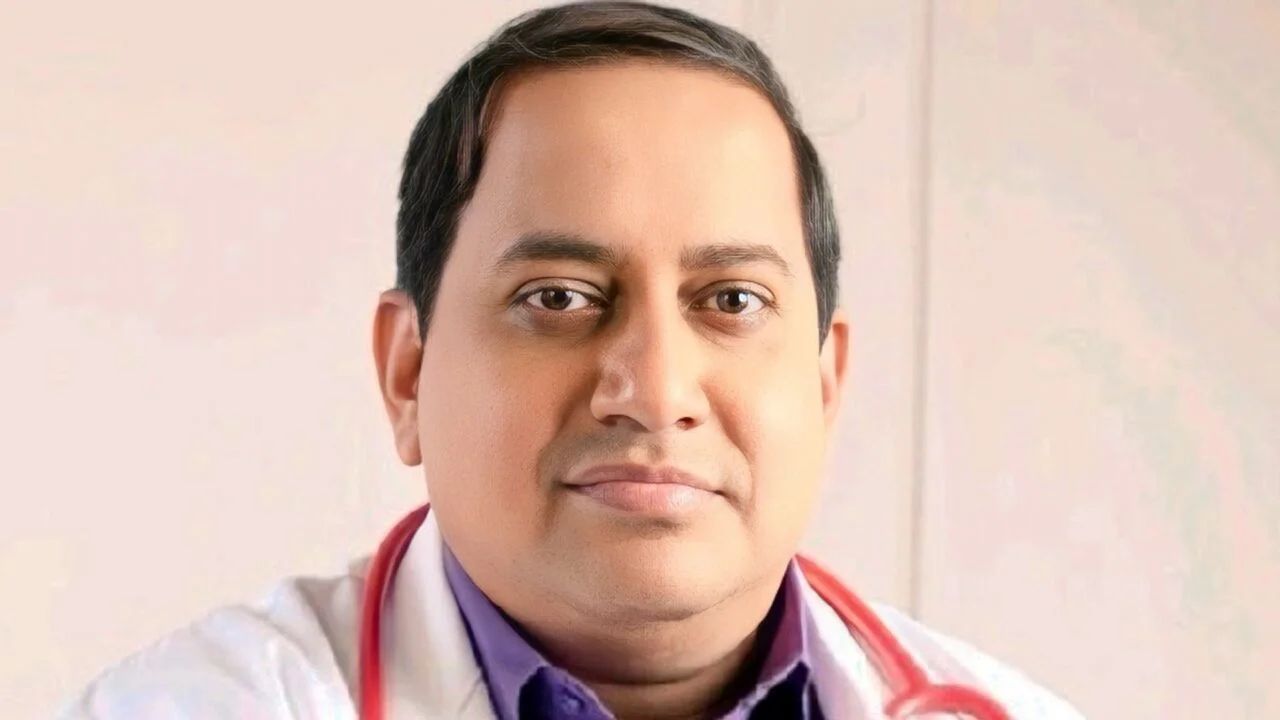
Amol Akhade, Senior Consultant at Fortis Hospitals Mumbai, shared a post on LinkedIn:
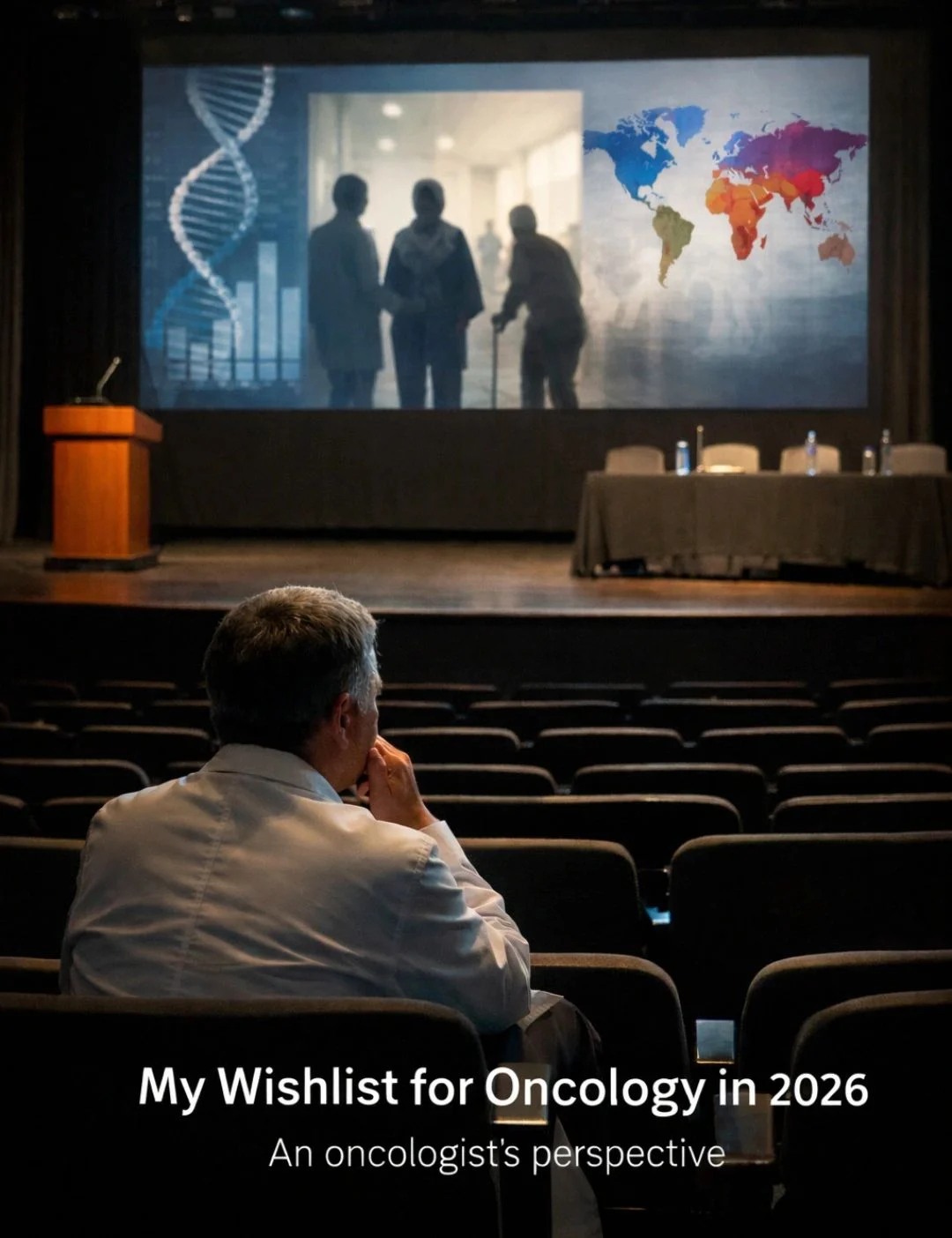
“My Wishlist for Oncology in 2026
An oncologist’s perspective
We don’t have a cancer data problem.
We have a problem with how we judge and use that data.
We generate more trials and drugs every year, yet too often fail to translate them into meaningful benefit for patients.
So what I wish to see in 2026 ?
- I hope clinical trials prioritise meaningful endpoints, ethical control arms, and clearly defined post-progression therapies. Whether conducted in high-income countries or LMICs, geography must never justify weaker science or diluted comparators.
- I hope toxicity is reported honestly and humanely. Terms like “acceptable and manageable” often mask fatigue, neuropathy, cognitive decline, and financial toxicity. Masked serious adverse events and faulty or incomplete PRO capture further distort the true patient experience. Under-reporting toxicity is not optimism—it is misrepresentation.
- I hope trials reach both academic and community oncology centers so evidence reflects real-world patients. Broader reach, however, must come with monitoring, and accountability. Faster accrual should never come at the cost of rigor or data quality.
- I hope trial reporting is free of spin, selective subgroup emphasis, and post-hoc narratives designed to rescue marginal results. Statistics should clarify truth, not decorate it.
- I hope negative trials are presented openly alongside positive ones. Knowing what does not work is as important as knowing what does. Suppressing negative data distorts science & misguides care.
- I hope practice-changing evidence is accessible beyond paywalls. At a minimum, trials that shape standards of care should be freely available to oncologists everywhere. Knowledge guiding care should not depend on geography or institutional wealth.
- I hope new drugs move beyond conference slides and press releases to reach patients in a meaningful timeframe. The best drug is not the newest one—it is the one a patient can actually receive, afford, and tolerate.
- I hope conferences reclaim their role as spaces for genuine scientific debate rather than uncritical celebration. Inside the hall, we should acknowledge uncertainty and limitations. Outside the hall, we remain colleagues and allies. Respectful disagreement strengthens science.
- I hope access to information improves globally, so geography no longer determines how late evidence arrives. In the digital era, delayed access reflects priorities—not technological limits.
- Above all, I hope we remember that patients—whether in America, Europe, Africa, Asia, or elsewhere—are human first. Race, income, and geography should never determine how evidence is applied. Equity in cancer care is not aspirational; it is non-negotiable.
Like Martin Luther King Jr once said, we may not yet have reached the Promised Land, but we can see it from the mountaintop.
If oncologist choose judgment over haste, and patients over hype, the direction is clear—and worth committing to.”
More posts featuring Amol Akhade.