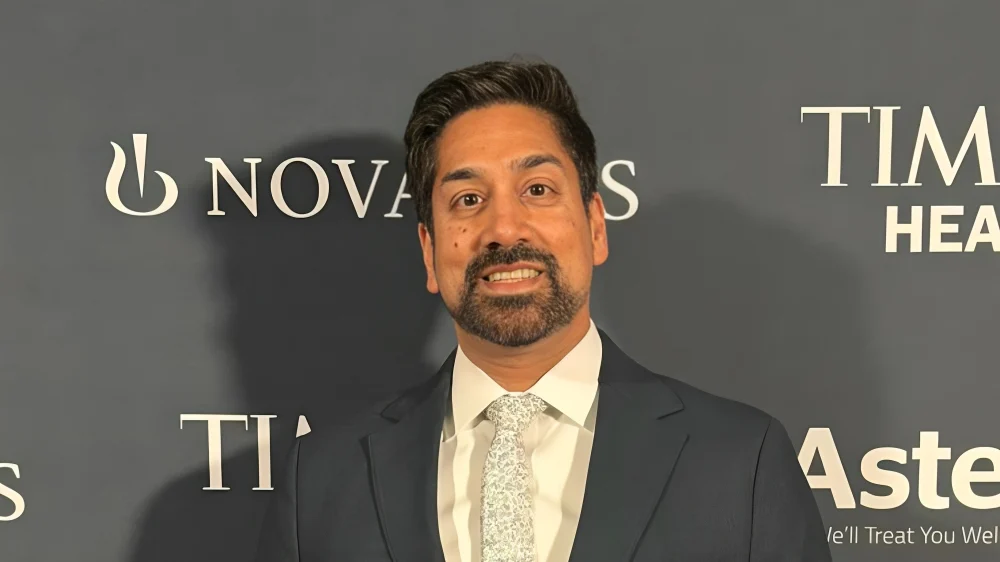
Amar Rewari, Chief of Radiation Oncology at Luminis Health, shared a post on LinkedIn:
“I went to the TIME100 Health Dinner expecting to hear about new drugs. I left thinking the biggest problem in medicine isn’t treatment – it’s behavior.
During a panel on why heart disease remains the leading cause of death, Victor Bultó, President of Novartis U.S., said something that stuck with me: the technologies and medications to prevent many cardiovascular events already exist. We simply don’t use them well enough.
His conclusion was striking. Pharma has had to evolve from a medical sciences company into a social sciences company. Because the challenge is no longer just biology.
Humans are wired to prioritize the present. We take the immediate reward today and discount the long-term risk tomorrow. That helps explain why blood pressure goes untreated, medications go unfilled, and prevention gets delayed. Improving outcomes increasingly depends on sleep, stress, diet, exercise, and behavior – not only prescriptions.
Other moments reinforced the same theme from completely different directions.
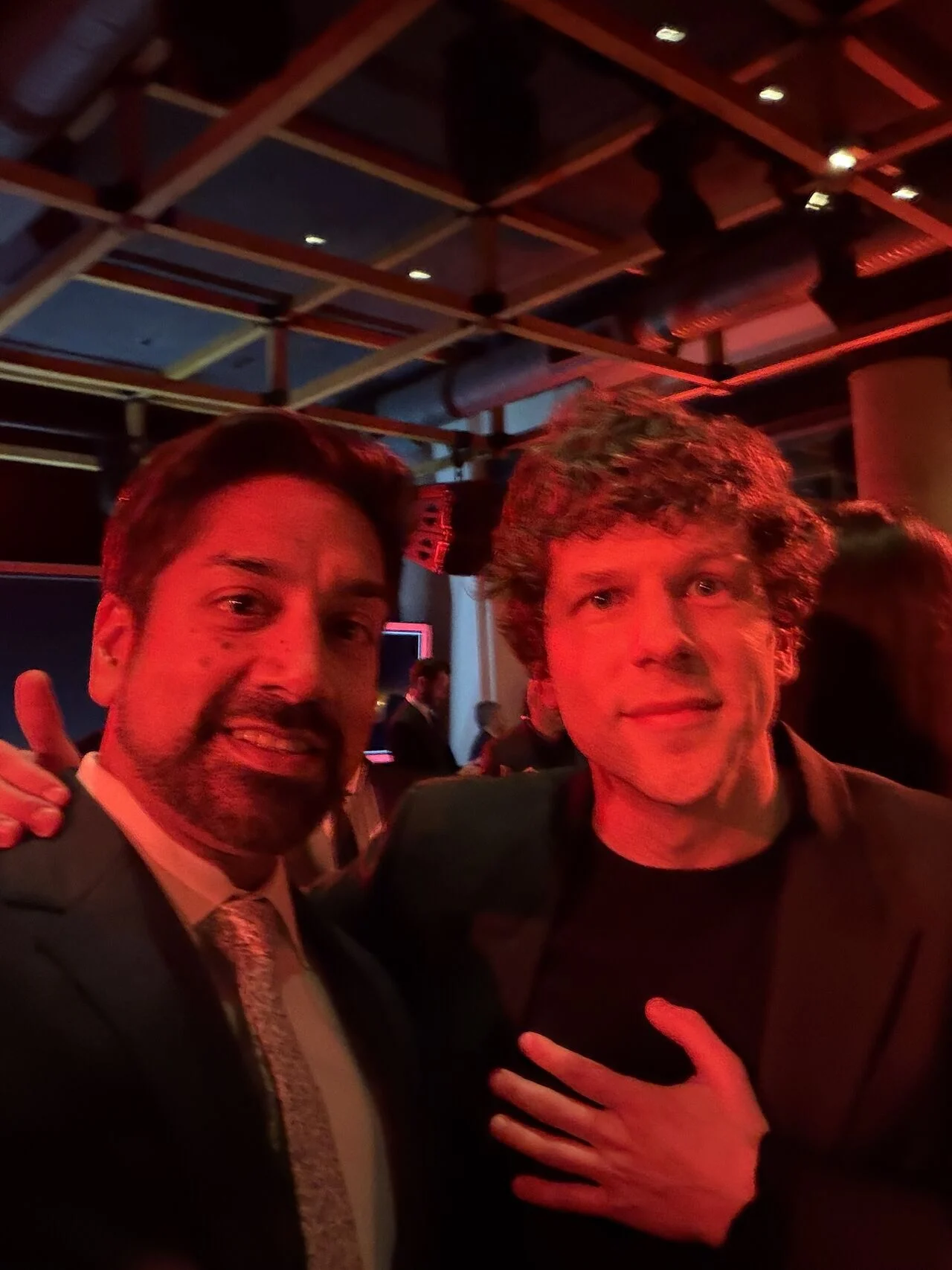
Jesse Eisenberg, who donated a kidney to a stranger, spoke about altruism – that the barrier to organ donation may not be willingness, but awareness. Gerontologist Dr. Kerry Burnight reframed aging with her concept of ‘joyspan,’ challenging the fear-based narrative around growing older and emphasizing dignity, contribution, and purpose.
What made the evening especially meaningful, though, were the conversations I had with leaders across the system including Maryland Health Secretary and former CMS leader Meena Seshamani on delivery reform and policy.
As a physician working at the intersection of clinical care and health policy, my biggest takeaway was this: The next advances in health won’t come from a single breakthrough drug. They will come from aligning biology, behavior, and systems.
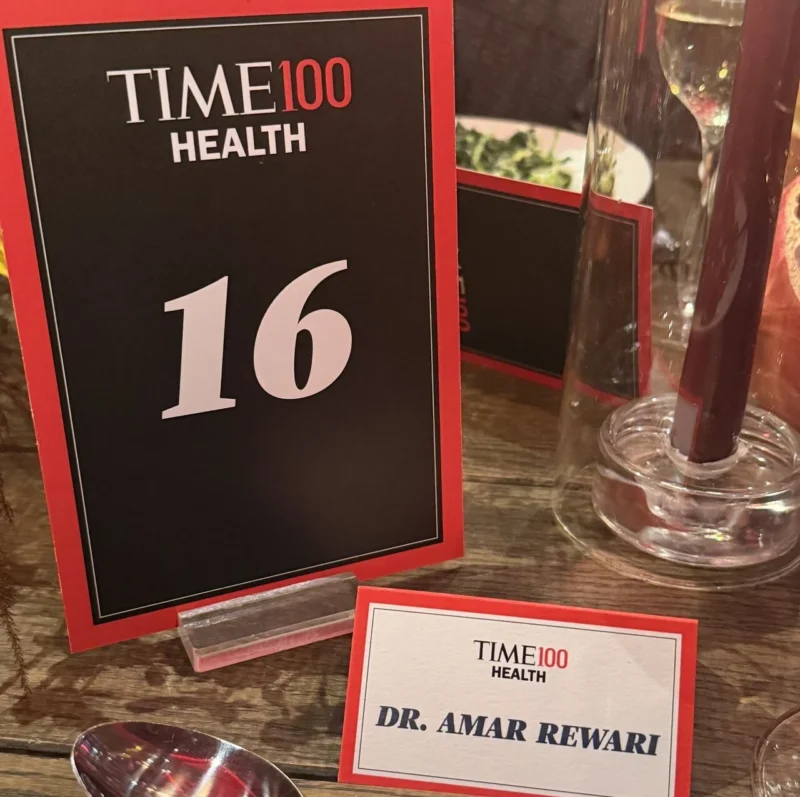
Thank you to TIME for the invitation. Being in that room reinforced why this work matters.”
More posts featuring Amar Rewari.