



Alexey Kulikov, Head of Partnerships and Operations at World Health Organization, shared on X:
“7 in 10 deaths in the Philippines are now caused by NCDs noncommunicable diseases.
The Department of Health Philippines is pushing for higher excise taxes on tobacco, alcohol and sugary products. It cites more than 95,000 deaths a year from tobacco and about 27,000 from excessive alcohol use.
The Philippines’ Sin Tax Reform has already shown that health taxes cut consumption and help fund universal health care. Raising them further would protect both health and revenue.
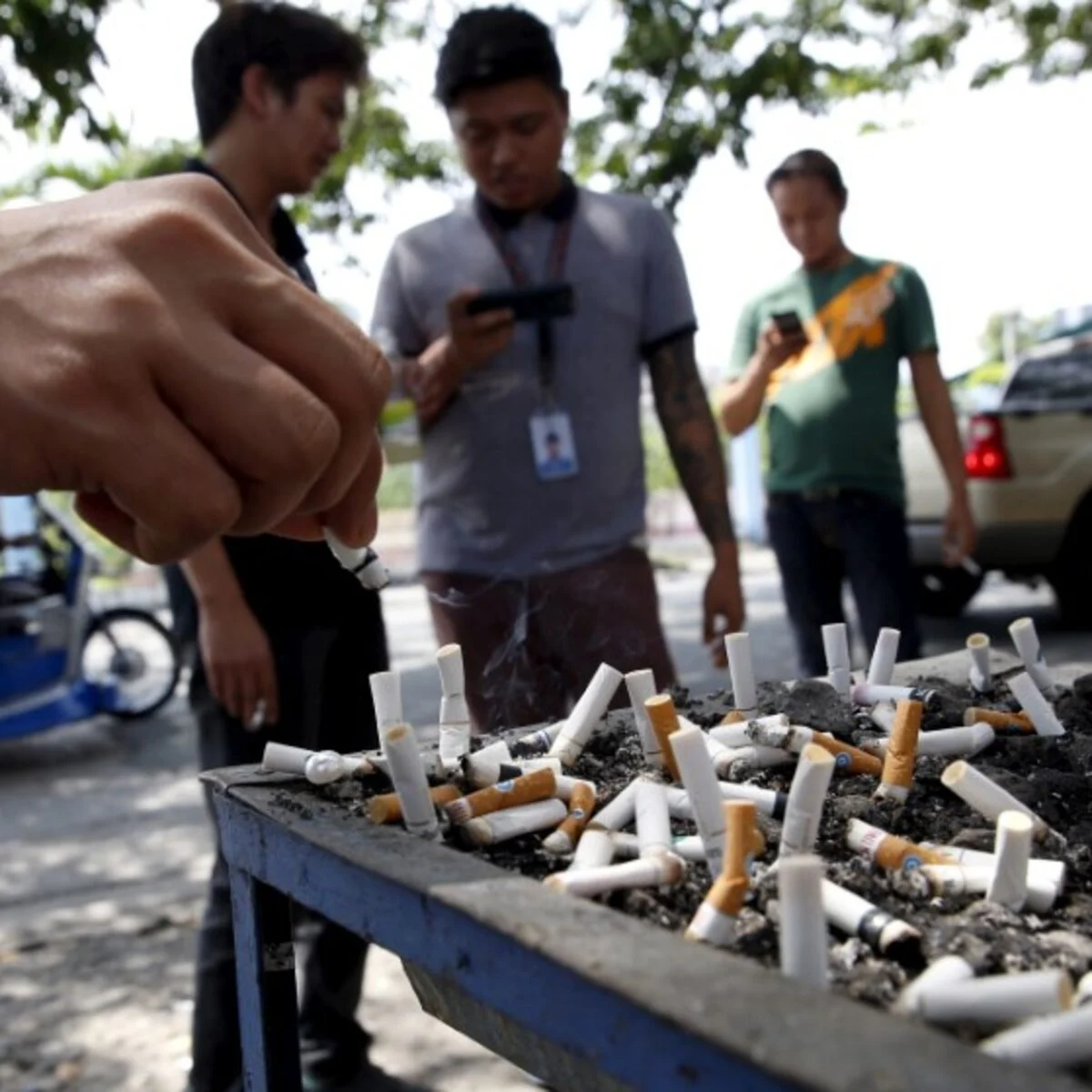
Noncommunicable diseases (NCDs) like cardiovascular conditions, cancer, diabetes, and chronic respiratory diseases account for 70% of all mortality in the Philippines. Beyond the severe loss of life, health authorities emphasize that these chronic conditions place a massive financial strain on families and the national economy through lost productivity and long-term medical expenses.
To curb this escalating public health crisis, the Department of Health (DOH) is advocating for stronger fiscal interventions, specifically targeting higher excise taxes on tobacco, alcohol, and sugar-sweetened beverages (SSBs). Health officials note that price increases remain one of the most cost-effective strategies to discourage the initiation and consumption of unhealthy products, particularly among youth and low-income populations who are disproportionately affected by NCDs.
The Philippines’ Sin Tax Reform is a landmark public health and fiscal policy designed to address two major national challenges simultaneously: reducing the consumption of harmful products and generating sustainable funding for healthcare.
The reform simplified the tax structure, indexed rates to inflation, and substantially raised excise taxes on tobacco products, alcoholic beverages, and later e-cigarettes, heated tobacco products, and sugar-sweetened beverages.
Unlike traditional taxes that go into a general national budget, the majority of incremental revenues generated by the Sin Tax Reform are legally earmarked for health. Specifically, these funds are directed to:
- PhilHealth (subsidizing full health insurance coverage for millions of indigent families and senior citizens),
- Health Facilities Enhancement Program (upgrading public hospitals, rural health units, and medical equipment across underserved regions),
- Disease Prevention and Control (financing national immunization programs, cancer and noncommunicable disease prevention, and public health campaigns).
Other articles about Alexey Kulikov on OncoDaily.