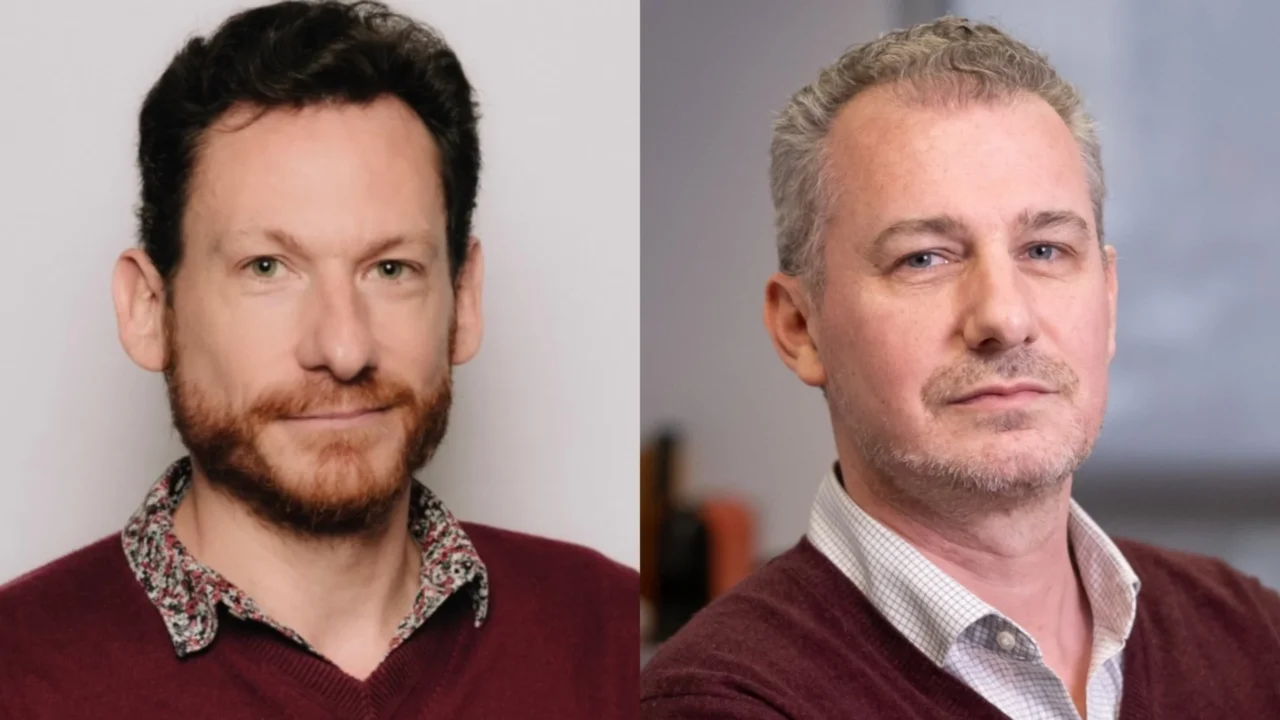
Alex Puissant, Principal Investigator in the Hematology-Oncology Department at the Saint Louis Research Institute and Hospital, Paris, shared Camille Lobry’s post on X, adding:
“Excited to share our latest study with Camille Lobry!
Using multiple AML models, we identified splicing dysregulation as a key feature of chemoresistance and relapse in AML.
Profiling a relapse AML cohort and leveraging in vivo functional genomics, we uncovered an actionable SRRM1–CLK1/4–PAK1 node driving chemoresistance and MAP2K5 missplicing as a key relapse-associated event. Dual PAK1/CLK1/4 inhibition restores chemosensitivity.”
Camille Lobry, DR2 Principal Investigator at INSERM U1342 at Leukemia Institute Paris Saint-Louis, shared a post on X:
“Thrilled to share the publication of our latest piece of research in Science Translational Medicine, in collaboration with and led by the amazing Lab Puissantand Camille Vaganay.
Why does acute myeloid leukemia (AML) so often relapse after chemo works at first?
AML has a frustrating pattern: most patients reach remission, but most relapse with chemoresistant disease. To get insights into this we built a mouse model that becomes chemoresistant — mimicking the clinic. No new mutations appeared, so resistance had to come from elsewhere.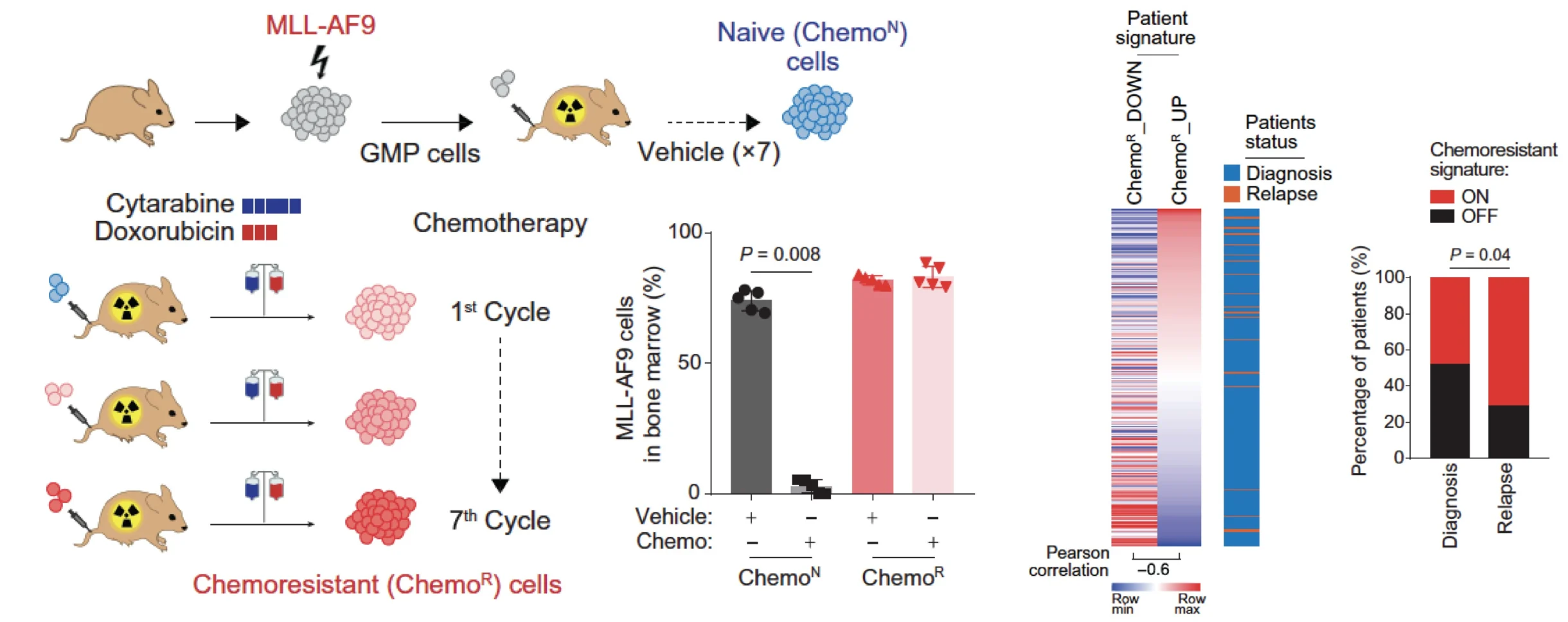
That ‘elsewhere’ was splicing. Resistant cells showed rewiring of alternative splicing in mouse and AML patients at relapse. An in vivo screen pointed to SRRM1, a spliceosome protein, its inhibition hurts chemo-resistant cells, mouse and human much more than chemo-sensitive ones.
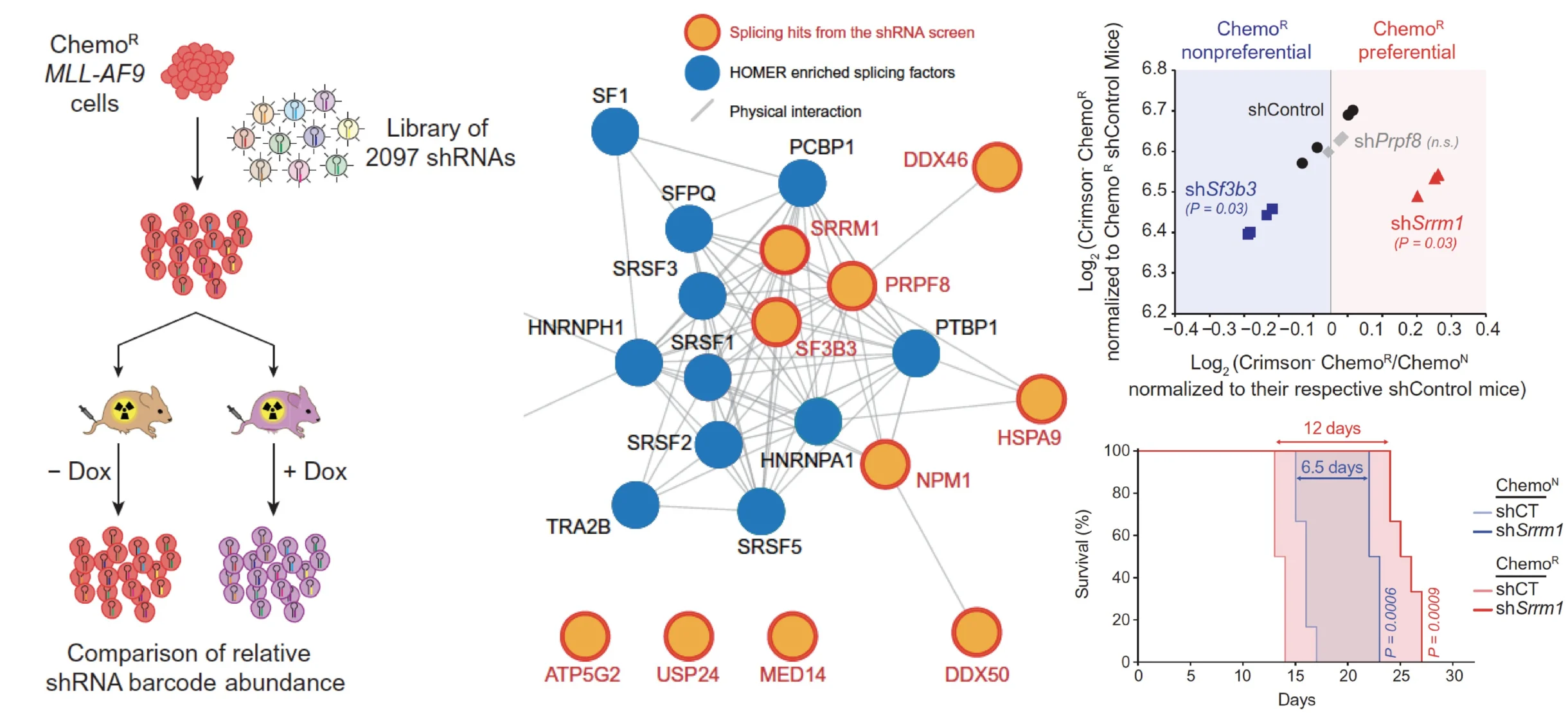
SRRM1 itself is not druggable — but it’s controlled by two druggable kinase families, PAK1 and CLK1/4, both hyperactive in resistant cells. We even found a PAK1 mutation (A477S) that emerged specifically at relapse in one patient, making the kinase constitutively active.
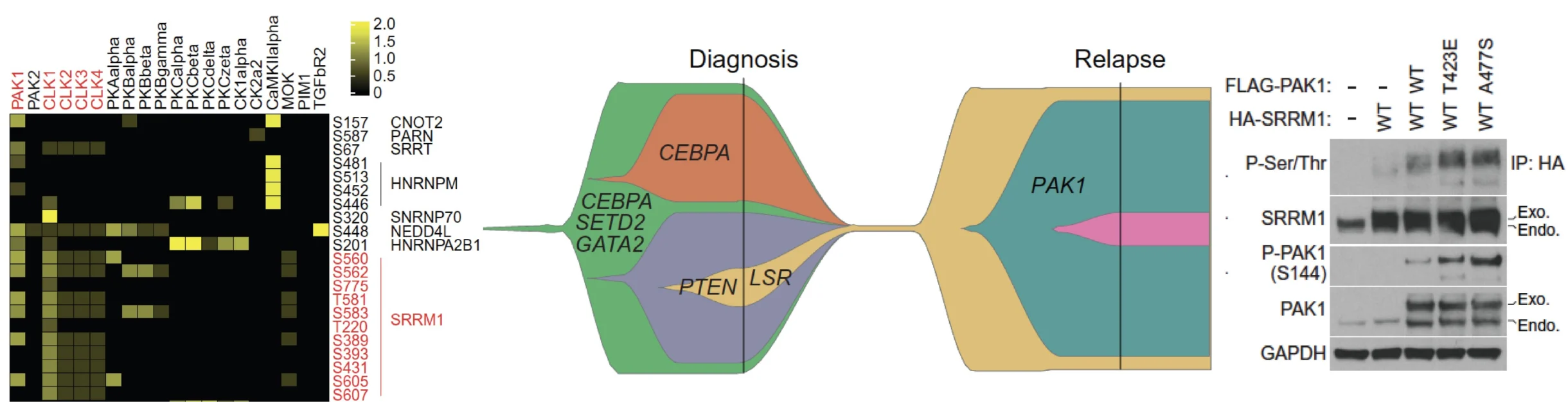
Combining a PAK1 inhibitor (FRAX597) with a CLK inhibitor (TG003) mimicked SRRM1 loss, resensitized resistant cells to chemo, and improved outcomes in mouse and patient-derived xenograft leukemia models.
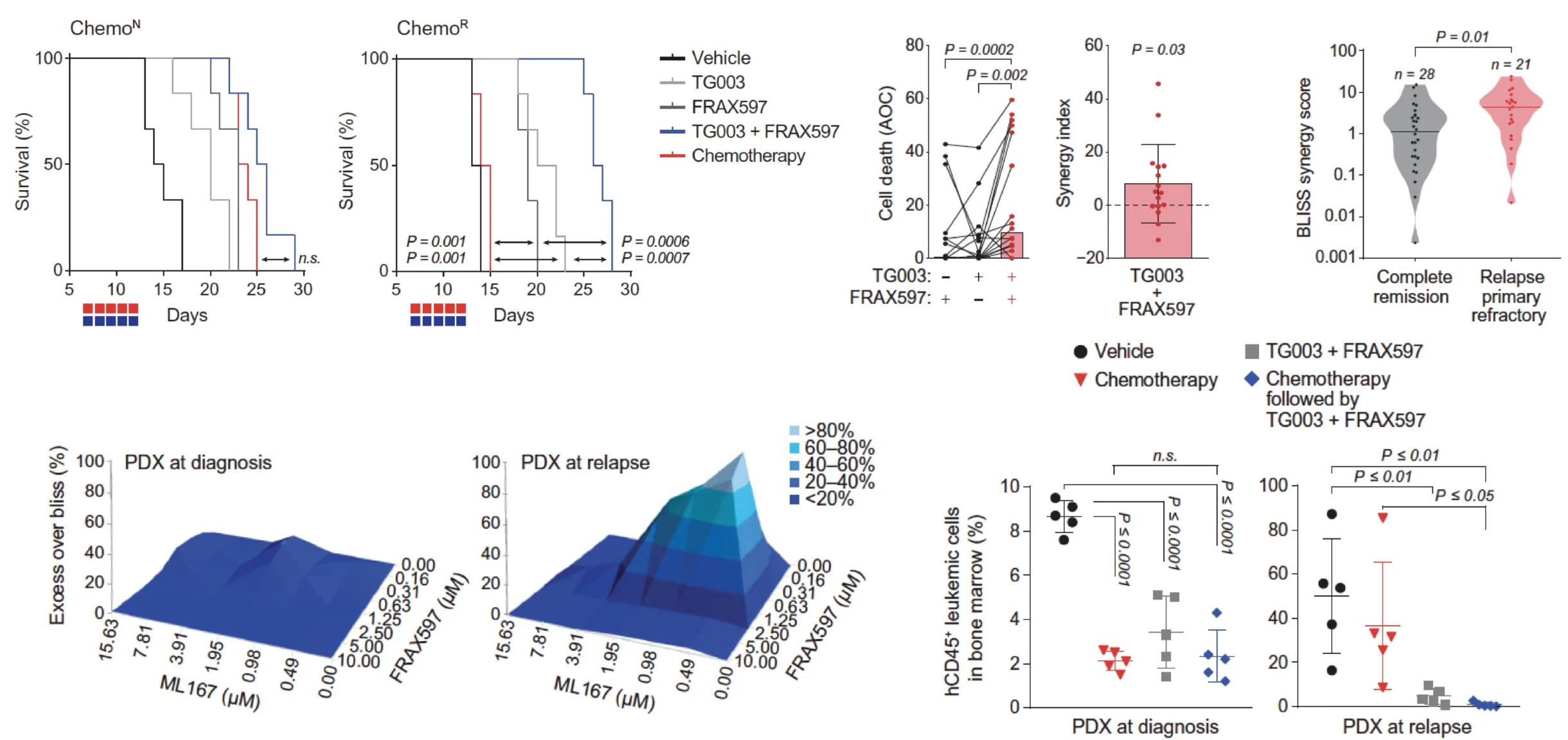
Bottom line: AML chemoresistance isn’t only about new mutations — it can be about hijacking RNA splicing. Targeting PAK1 + CLK1/4 offers a promising combination strategy against relapse.
Checkout all these data and much more!!
A big thanks to all our collaborators, funding bodies Inserm, Fondation ARC, French National Cancer Institute, European Research Council, Association Laurette Fugain and others, our great hosting institutions Saint-Louis Research Institute, Leukemia Institute Paris Saint-Louis and of course a big thanks to Science Translational Medicine for publishing our work !!”
Title: Splicing-associated network PAK1-CLK1/4-SRRM1 is a vulnerability to overcome chemoresistance in human and mouse acute myeloid leukemia
Authors: Camille Vaganay, Frank Ling, Lois Kelly, Juliette Charles, Paul-Arthur Meslin, Hélène Pasquer, Rathana Kim, Marie Passet, Matthieu Duchmann, Léa Pelissier-Menjaud, Séverine Lecourt, Angela Su, Emmanuelle Latour, Christopher Bassil, Gabriela Alexe, Gael Fortin, Duong Ho Nhat, Cécile Culeux, Carine Legrand, Sofiane Fodil, Tony Huynh, Khansa Saadallah, Azucena Ramos, Bérangère Lombard, Damarys Loew, Christopher Delaney, Catherine Lonchamp, Morgane Fontaine, Kim Pacchiardi, Anja Kocijancic, Lisa Aziez, Nina Fenouille, Marie Sebert, Lionel Adès, Emmanuel Raffoux, Michael Hemann, Emmanuelle Clappier, Lina Benajiba, Kimberly Stegmaier, Kris Wood, Raphaël Itzykson, Antoine Forget, Camille Lobry, Alexandre Puissant
Read the Full Article on Science Translational Medicine.