





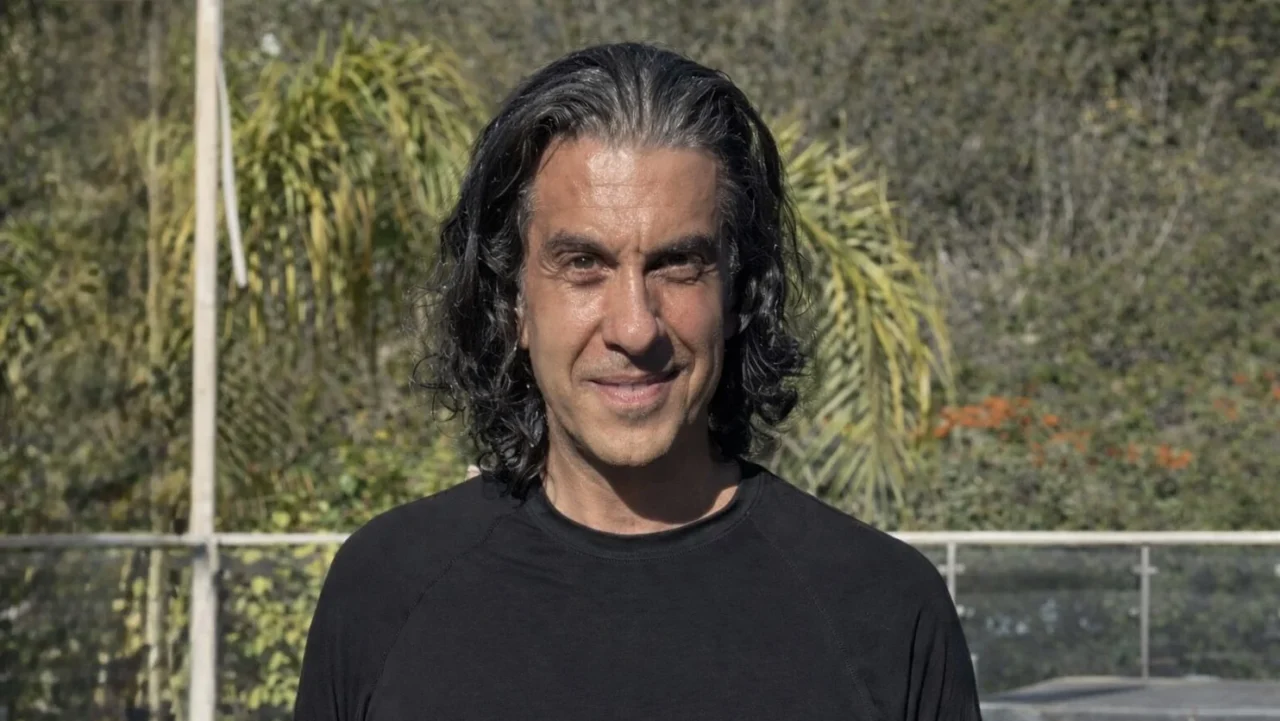
Alex Matov, Research Scientist for Multi-Agentic AI, shared a post on LinkedIn:
“We are entering an era where a list of genetic mutations is no longer sufficient. To truly understand cancer progression, we must treat genetic data not as a spreadsheet, but as an image.
Our latest research proposes a paradigm shift: treating DNA fragmentation patterns from whole-genome sequencing as visual data. This approach allows us to leverage Generative Transformers—trained on millions of these “genetic images”—to identify patient-specific deviations that the human eye and standard algorithms might miss.
1. Solving the Early Detection Gap in Colorectal Cancer (CRC)
Colorectal Cancer diagnostics currently face a staggering 90% false-negative rate in Stage I because tumor traces in circulation are often too faint.
2. The Medical Digital Twin (Patient-in-Silico)
This visual data serves as a core component of the Medical Digital Twin. With the FDA reporting that medication is ineffective for 38%–75% of patients, we must move toward a high-fidelity “Patient-in-Silico” model.
The Five Pillars of the Digital Twin:
3. Longitudinal Intelligence & Foundation Models
Early detection is most reliable when we have a baseline. By capturing longitudinal data before disease develops, we provide the “tokens” necessary for AI Foundation Models to predict future differential diagnoses with unprecedented accuracy. Combining organoid models with uncertainty quantification provides a roadmap for autonomous, data-driven medical decisions that have been a goal of medicine since the 18th century.
The Bottom Line
We aren’t just looking for mutations; we are building a comprehensive image of patient health. By synchronizing the physical patient with their digital twin, we can validate and evaluate treatment responses in real-time, ensuring that no patient falls into the “ineffective medication” statistic.”
Other OncoDaily articles about cancer genetics.